How Big Can Your Checked Bag Be
When it comes to traveling, whether for business or pleasure, one of the most crucial aspects to consider is luggage. Specifically, the size of your checked bag can make all the difference in the world. It's not just about packing lightly or efficiently; it's about understanding the rules and regulations that govern air travel. The history of checked bag size limitations dates back to the early days of commercial aviation, where safety and logistics played a significant role in determining what could be carried onboard and what had to be checked. Today, with the rise of global travel and the increasing demand for air transportation, knowing how big your checked bag can be is more important than ever.
The concept of a checked bag goes hand in hand with the evolution of air travel. As planes became more sophisticated and capable of carrying more passengers and cargo, the need for standardized luggage sizes became apparent. Airlines, along with aviation authorities, worked to establish guidelines that would ensure safety, efficiency, and customer satisfaction. Over the years, these guidelines have evolved, reflecting changes in technology, consumer behavior, and the airline industry itself. Despite these advancements, many travelers still find themselves at the check-in counter, questioning whether their bag meets the size requirements. It's a moment of truth that can make or break the start of a journey, especially for those who have packed to the brim, hoping to squeeze in just one more item.
Understanding Checked Bag Size Limitations
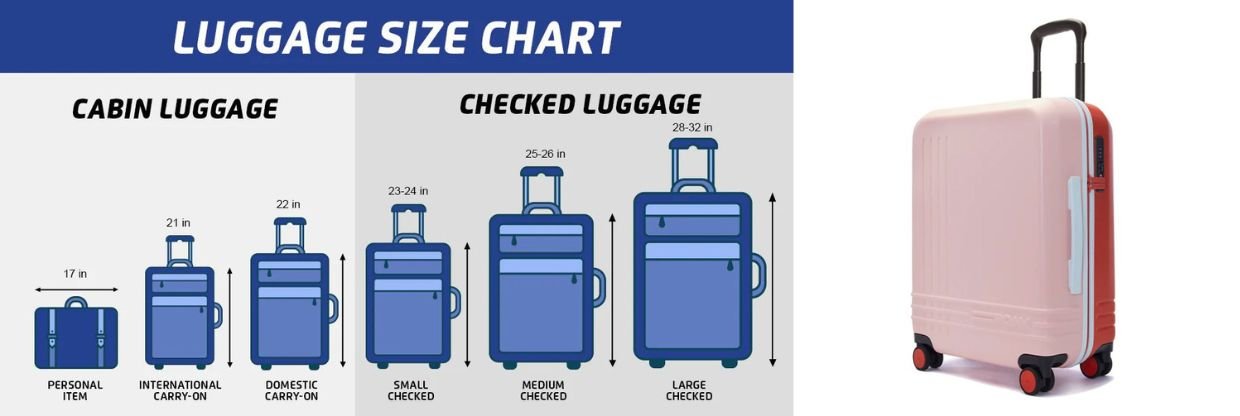
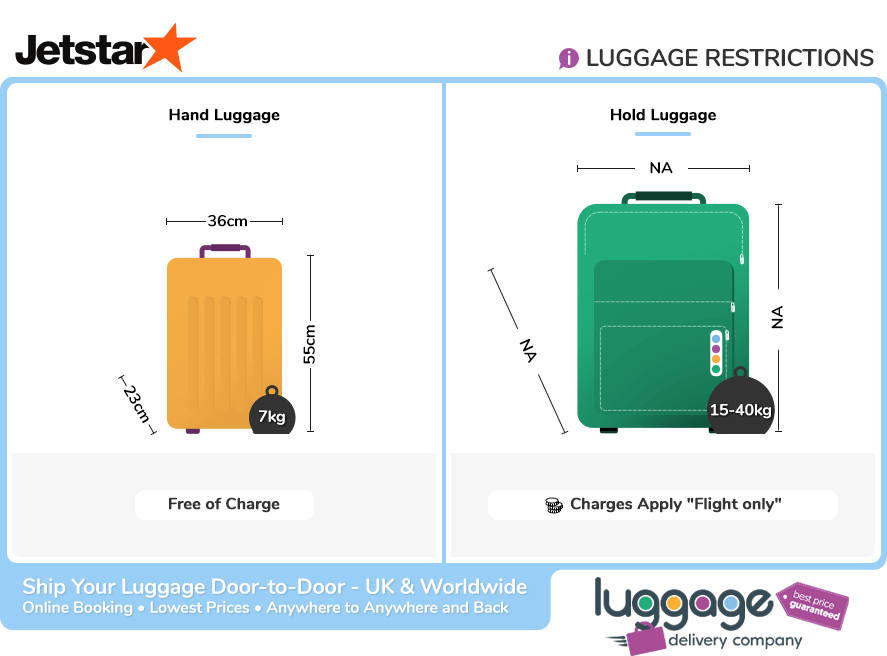
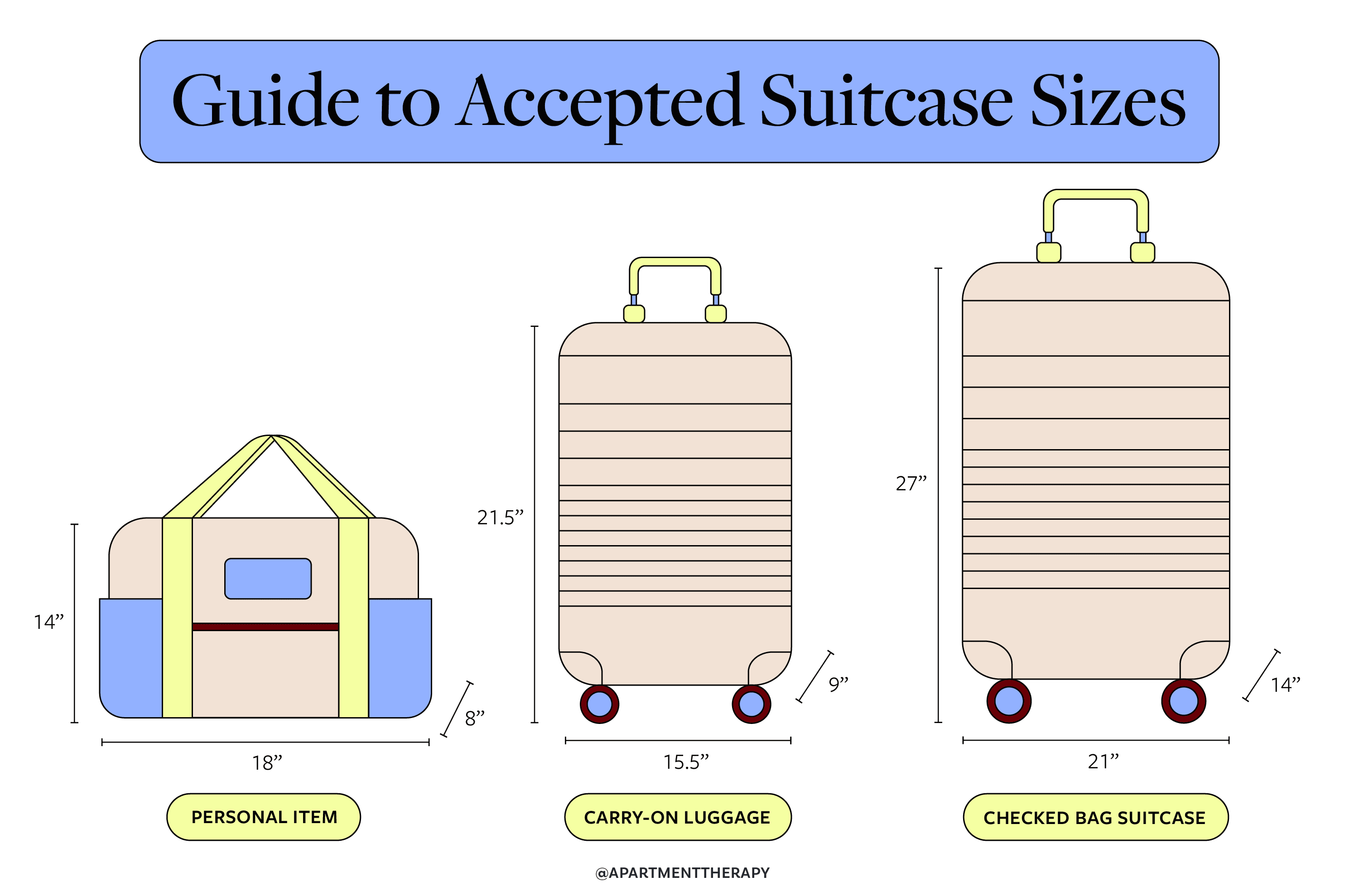
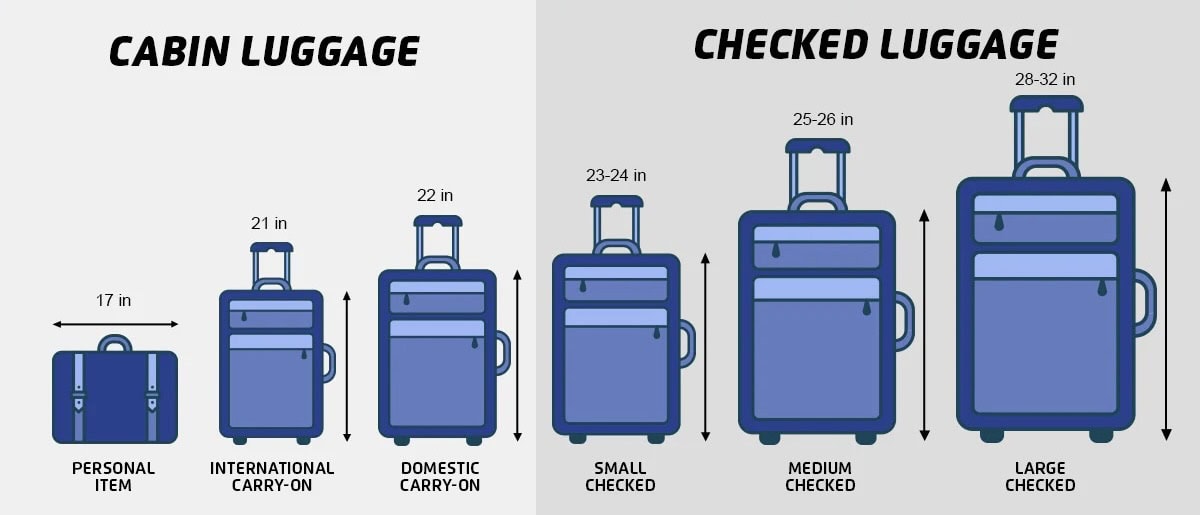
Delving into the specifics of checked bag size limitations reveals a complex interplay of factors. Airlines set their own rules, but these must comply with overarching regulations designed to ensure safety and consistency across the industry. The maximum size for a checked bag is typically around 62 linear inches (length + width + height) for most airlines, although this can vary. It's not just the size, however, as weight also plays a critical role. Bags that exceed the weight limit (often around 50 pounds for economy class) may incur additional fees or, in some cases, may not be accepted at all. Understanding these limitations is crucial for avoiding unexpected charges or the inconvenience of having to repack at the airport.
Must Read
- Heart Of Mexico City Football: Pinpointing The Azteca Stadium Location
- Guadalajara Stadium Parking Guide: Avoid The Matchday Traffic
- Houston Stadium Bag Policy: Clear Bag Rules For Visitors
- Sofi Stadium Capacity: How Many Fans It Can Hold
- Reliant Stadium Parking: A Guide To The Old Name And Current Venue
The psychological aspect of packing also comes into play when considering checked bag sizes. The desire to pack everything "just in case" often clashes with the practical reality of size and weight limitations. This can lead to a form of traveler's anxiety, where the stress of deciding what to pack and what to leave behind can overshadow the excitement of the trip itself. Moreover, the cultural impact of luggage sizes reflects broader societal trends. The rise of fast fashion and consumerism has led to an increase in the amount of luggage travelers wish to bring, challenging airlines to balance customer demands with logistical and safety constraints.
Culturally, the concept of a "big" checked bag varies significantly around the world. In some regions, travelers are accustomed to generous allowances, reflecting the local culture's emphasis on generosity and hospitality. In contrast, more minimalist cultures might view large luggage with skepticism, emphasizing the value of travel light. This diversity in perspectives adds another layer of complexity to the issue of checked bag sizes, highlighting the need for clear communication and understanding between airlines, airports, and travelers from diverse backgrounds.
Practical Insights and Scenarios
For many travelers, the key to navigating checked bag size limitations successfully lies in preparation and flexibility. Packing strategically involves not just considering what to pack but also how to pack it, to maximize space and minimize weight. This might involve investing in luggage designed to make the most of the allowed dimensions or adopting a packing list to ensure that only essentials are included. In scenarios where travelers find themselves facing size or weight issues, being aware of airline policies on oversized or overweight bags can help manage expectations and plan accordingly.
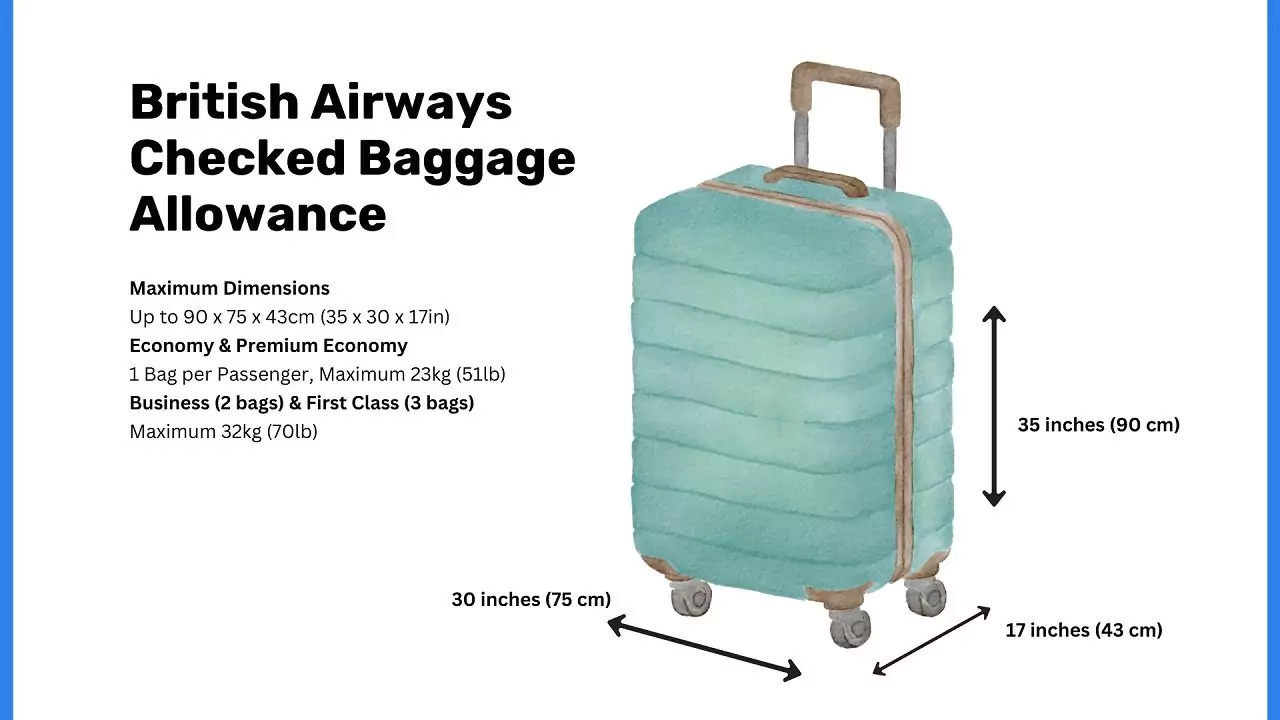
Case studies of travelers who have successfully navigated the complexities of checked bag sizes offer valuable insights. For instance, frequent travelers often develop a keen sense of what can be packed within the given constraints, leveraging tools like luggage scales and packing cubes to optimize their bags. Additionally, understanding the checked bag fees and how they vary between airlines can be crucial for budget-conscious travelers, who might choose to pack lightly to avoid extra costs or opt for airlines that offer more generous allowances.
In real-world scenarios, the ability to manage checked bag sizes effectively can significantly impact the travel experience. For families or groups traveling together, coordination is key, as they must balance individual packing needs with the collective aim of minimizing checked bags to save on fees and hassle. Similarly, travelers with specific equipment, such as musicians or athletes, face unique challenges in ensuring their essential items comply with airline regulations, often requiring specialized luggage and careful planning.
Actionable takeaways for travelers include the importance of checking with the airline for their specific policies on checked bags, both in terms of size and weight, before the journey. Additionally, packing smart, with an emphasis on versatility and multi-use items, can help reduce the overall volume of luggage. For those who frequently find themselves struggling with bag sizes, investing in luggage that is designed to meet the maximum allowable dimensions can make all the difference, providing peace of mind and saving potential hassles at check-in.
Frequently Asked Questions
What Happens If My Checked Bag Exceeds the Size Limit?
In the event that a checked bag exceeds the size limit, travelers can expect to encounter additional fees or, in some cases, may be required to repack their belongings into a smaller bag. This scenario highlights the importance of understanding and adhering to airline regulations to avoid such situations. The process of dealing with oversized luggage can be stressful and time-consuming, potentially impacting travel schedules and overall experience.
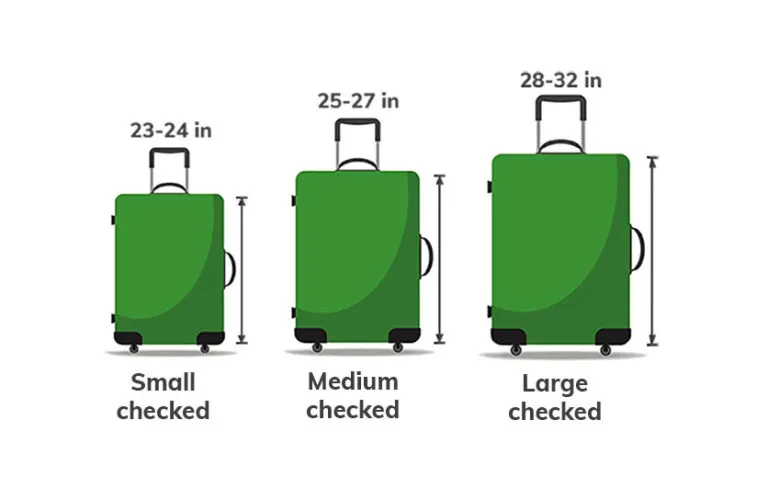
The implications of exceeding size limits also extend to the cost. Airlines charge oversized bag fees, which can range significantly depending on the airline and the degree to which the bag exceeds the limit. Furthermore, the risk of damage to the bag or its contents increases with larger or irregularly shaped items, as they may not fit standard handling procedures, leading to potential claims and further inconvenience. Therefore, it's crucial for travelers to be aware of these risks and plan accordingly to minimize potential issues.
Can I Check a Bag That Is Oversized But Within the Weight Limit?
For bags that are oversized but within the weight limit, the policy varies significantly between airlines. Some carriers may accept such bags without issue, provided they are within the weight allowance, while others may charge an oversized fee regardless of the weight. It's essential for travelers to check with their airline ahead of time to understand the specific policies in place. This proactive approach can help manage expectations and avoid unexpected costs or logistical challenges at the airport.
In cases where an oversized but not overweight bag is accepted, travelers should still be mindful of the potential for additional handling fees or special handling requirements. Airlines may have specific procedures for managing luggage that doesn't fit standard dimensions, which could impact the bag's journey and potentially its condition upon arrival. Understanding these nuances can help travelers make informed decisions about their luggage and plan their packing strategy effectively.
How Do Airlines Measure the Size of Checked Bags?
Airlines typically measure the size of checked bags by calculating the total linear inches. This involves adding together the length, width, and height of the bag. The standard maximum size is around 62 linear inches, though this can vary. Travelers can use this method to pre-check their bag's dimensions before arriving at the airport, helping to avoid potential issues with oversized luggage.
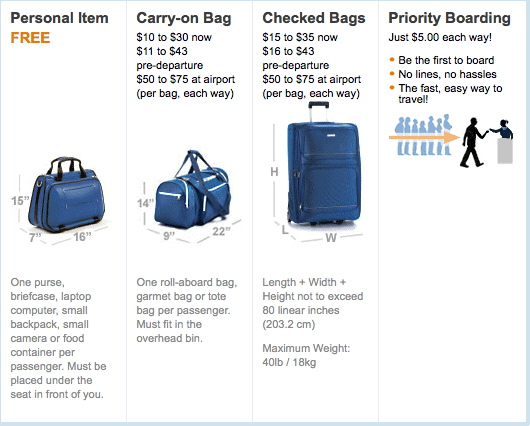
The method of measurement might seem straightforward, but it can sometimes lead to disputes between travelers and airline staff, especially with bags that have irregular shapes or external features like wheels and handles. In such cases, having a clear understanding of how measurements are taken and being prepared to discuss the bag's dimensions can help resolve issues amicably. Moreover, being aware of the airline's measurement guidelines can empower travelers to pack and prepare their luggage in compliance with the regulations, reducing the risk of complications during check-in.
Are There Any Exceptions to Checked Bag Size Limits?
Yes, there are exceptions to checked bag size limits, primarily for items that cannot be easily packed within standard luggage due to their size or shape. Examples include musical instruments, sports equipment, and items of cultural or historical significance. For such items, airlines often have specialized policies or offer bespoke services to accommodate these unique needs. Travelers with exceptional items should contact their airline well in advance to discuss possible arrangements and understand any associated costs or requirements.
Understanding these exceptions is vital for travelers who may otherwise face challenges in transporting their essential items. By engaging with the airline and exploring available options, travelers can ensure that their unique needs are met, whether through the use of specialized luggage, additional services, or customized handling procedures. This proactive engagement can significantly enhance the travel experience, especially for those with specific requirements that go beyond standard luggage allowances.
How Can I Minimize the Risk of Checked Bag Issues?
To minimize the risk of checked bag issues, travelers should check with their airline for the most current and specific baggage policies. This includes understanding size and weight limits, as well as any fees associated with oversized or overweight bags. Additionally, packing smart, with an emphasis on efficient use of space and minimizing weight, can help reduce the likelihood of encountering problems at check-in.

Investing in high-quality luggage that is designed to meet airline specifications can also pay dividends in the long run. Such luggage is typically made to maximize interior space while keeping external dimensions within allowable limits, reducing the risk of oversized fees. Furthermore, travelers should plan ahead, considering the items they need to bring and how these can be packed efficiently, rather than waiting until the last minute. This approach not only helps avoid potential issues with checked bags but also contributes to a more relaxed and enjoyable travel experience.
Conclusion: Checked Bag Sizes and Daily Life
The issue of checked bag sizes might seem like a minor concern in the grand scheme of travel, but it illuminates broader aspects of human nature and behavior. The desire to prepare for every eventuality, the tendency to overpack, and the stress of navigating complex rules and regulations all reflect fundamental aspects of how we approach uncertainty and plan for the future. By understanding and addressing these tendencies, travelers can not only improve their travel experiences but also cultivate a more mindful approach to consumption and planning in their daily lives.
The connection between checked bag sizes and human nature extends further when considering the psychological impact of travel on individuals. The act of packing and preparing for a journey can evoke feelings of excitement and anticipation, but also anxiety and stress. By developing strategies to manage the logistics of travel more effectively, such as understanding and complying with checked bag size limitations, travelers can mitigate some of these negative feelings, fostering a more positive and enriching travel experience.
Ultimately, the concept of checked bag sizes serves as a metaphor for the broader challenges of navigation and adaptation in a rapidly changing world. As travelers, we are constantly faced with new rules, unexpected challenges, and the need to adapt to unfamiliar environments. By embracing this mindset and applying the lessons learned from navigating something as mundane as checked bag sizes, we can cultivate a deeper resilience and flexibility that benefits not just our travels, but our daily lives and interactions with the world around us.