Major League Baseball Bag Policy
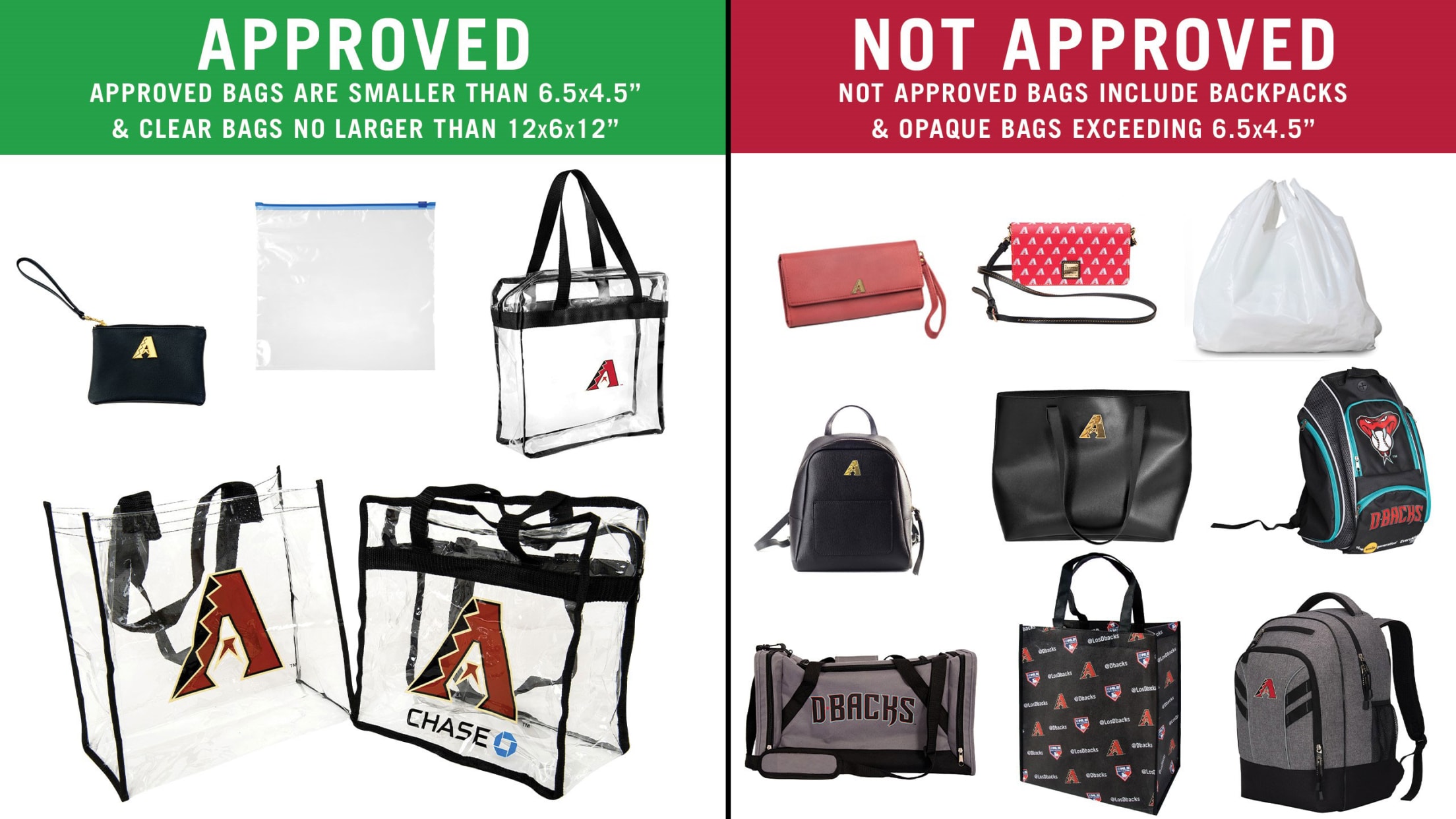
The world of Major League Baseball (MLB) is steeped in tradition, from the crack of the bat to the smell of freshly cut grass. However, one aspect that has seen significant changes in recent years is the MLB bag policy. This policy, designed to enhance fan safety and experience, has been a topic of discussion among fans, teams, and security experts. The MLB bag policy is not just about bags; it's about creating a secure and enjoyable environment for everyone involved. The history of this policy dates back to 2015 when MLB introduced its first bag size restrictions, following a trend seen in other sports and public events to improve security.
Fast-forward to today, and the policy has evolved to include more specific guidelines on what can and cannot be brought into a stadium. This evolution is a testament to the ever-changing landscape of security concerns and the need for proactive measures to ensure fan safety. But why does this matter? It matters because it reflects a broader societal issue - the balance between security and personal freedom. As we navigate through our daily lives, we are constantly reminded of this delicate balance, whether it's at a sporting event, an airport, or even a simple visit to a museum. The MLB bag policy serves as a microcosm for this larger discussion, highlighting the complexities and challenges of maintaining public safety in a way that respects individual rights.
Understanding the Policy
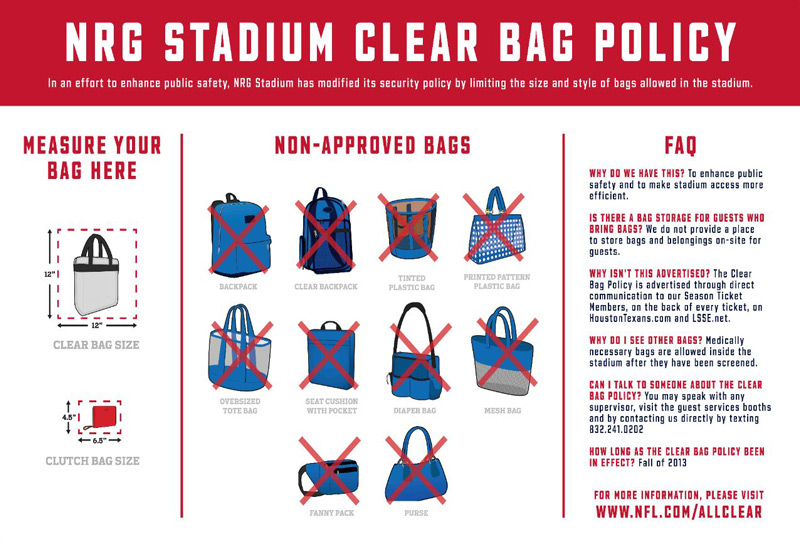
Delving deeper into the policy, it becomes clear that the guidelines are designed to be fair and reasonable, aiming to minimize inconvenience while maximizing security. For instance, bags larger than 16 inches by 16 inches by 8 inches are generally not allowed, with some exceptions for medically necessary items or diaper bags, subject to inspection. This requirement might seem strict, but it's a measure to prevent potential threats from entering the stadium. It's also worth noting that clear bags are often recommended or required, as they provide an easier way to inspect contents without causing delays.
One of the lesser-known facts about the MLB bag policy is its impact on fan experience. While security is the primary concern, the policy also affects how fans prepare for and enjoy the game. For example, fans might plan their outfits and items to bring based on what will be allowed, showing how the policy influences fan behavior even before they reach the stadium. This interplay between policy, security, and fan experience is crucial, as it underscores the need for balance and communication between stadiums, security personnel, and fans.
Psychologically, the bag policy can also have an impact on fans' perception of safety and their willingness to attend games. Feeling safe can enhance the overall experience, but stringent policies might also deter some fans due to the perceived hassle. MLB teams and stadiums have to navigate this psychological aspect, ensuring that fans feel secure without feeling overly restricted. This involves clear communication of the policy, efficient bag check processes, and a focus on creating a welcoming environment that doesn't feel overly militarized or intrusive.
Practical Implications and Case Studies
In practice, the MLB bag policy has led to various scenarios where fans, teams, and security personnel have had to adapt and find solutions. For instance, some stadiums offer bag check services or clear bag options for sale, aiming to help fans comply with the policy while also generating revenue. This approach shows how the policy can drive innovation and new business opportunities within the sport.
A case study from a specific MLB team might illustrate how they successfully implemented the bag policy, focusing on clear communication, efficient entry processes, and positive fan engagement. For example, a team might offer incentives for fans who arrive early or who use specific entrance gates designed for those with no bags or clear bags, thus reducing wait times and improving the overall fan experience.
Moreover, the policy has also led to collaboration between teams and local law enforcement or security experts, highlighting the importance of a coordinated approach to security. This collaboration can lead to better intelligence on potential threats, improved response times, and a more cohesive security strategy that doesn't rely solely on bag restrictions.
For fans looking to make the most of their game day experience, understanding the MLB bag policy is essential. This involves planning ahead, knowing what is allowed and what isn't, and considering the potential for delays at entry points. By being informed and prepared, fans can contribute to a smoother, more enjoyable experience for everyone, showing how individual actions can collectively impact the larger event atmosphere.
Frequently Asked Questions
What are the primary reasons behind the MLB bag policy?
The primary reasons behind the MLB bag policy are rooted in security concerns and the desire to maintain a safe environment for all fans, players, and staff. By restricting bag sizes and types, stadiums can more effectively monitor and control what enters the premises, reducing the risk of potential threats. This policy is part of a broader trend in sports and public events to enhance security measures, reflecting a global effort to counteract evolving threats and ensure public safety.

While security is the main driver, the policy also acknowledges the need for fan convenience and attempts to strike a balance between these two sometimes competing interests. By allowing certain types of bags, like clear bags or small clutch bags, the policy aims to minimize disruption to fans' experiences while still maintaining a robust security posture. This balance is crucial, as it directly impacts fan satisfaction and the overall success of the event.
How does the MLB bag policy impact fan experience and behavior?
The MLB bag policy can significantly impact fan experience, from planning what to wear and bring to the game, to the actual experience of entering the stadium and enjoying the game. Fans might plan their outfits around what bags are allowed, choose to arrive earlier to account for potential delays at entry points, or even decide to purchase specific bags that comply with the policy. This level of planning and consideration shows how the policy influences fan behavior even before the game starts.
Furthermore, the policy can also influence fan psychology and perception of safety and security. Feeling secure can enhance the enjoyment of the game, but overly restrictive policies might deter some fans. Thus, the policy's impact on fan experience is multifaceted, requiring a sensitive and balanced approach to ensure that security measures do not overshadow the entertainment value of the game.
Can I bring a backpack or large bag to an MLB game?
Generally, backpacks and large bags are not allowed under the MLB bag policy, due to their potential to conceal threats. The specific dimensions for prohibited bags are usually larger than 16 inches by 16 inches by 8 inches, but it's essential to check with the specific stadium or team, as policies can vary slightly. Some exceptions exist for medically necessary items, diaper bags, and clear bags, but these are subject to inspection and must comply with the outlined requirements.
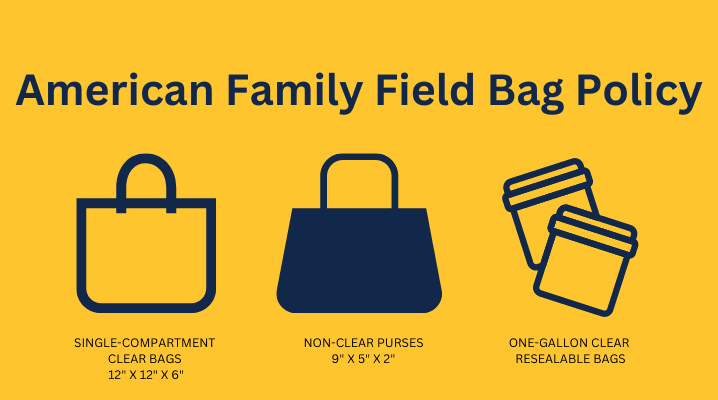
For fans who need to bring certain items due to medical or infant care needs, it's crucial to check ahead of time with the stadium or team to understand their specific policy and procedures. This preparation can help avoid disappointment or delays at the gate, ensuring that all fans can enjoy the game without unnecessary stress or inconvenience.
How do MLB stadiums enforce the bag policy?
The enforcement of the MLB bag policy typically involves a combination of measures, including clear signage indicating what bags are allowed, security personnel inspecting bags at entry points, and sometimes, the use of technology like bag scanners or metal detectors. The aim is to ensure compliance while minimizing wait times and inconvenience to fans.
Stadiums also often communicate the policy through their websites, social media, and email newsletters to fans, encouraging preparation and compliance. This proactive approach helps manage expectations and reduces the likelihood of issues at the gates, contributing to a smoother and more enjoyable experience for all attendees.
Are there any exemptions or special considerations under the MLB bag policy?

It's also worth noting that clear bags are often recommended or required, as they provide a visible and efficient way to inspect contents without causing delays. This approach shows how the policy seeks to find practical solutions that meet both security and fan needs, demonstrating a flexible and adaptive approach to securing the fan experience.
Reflections and Connections
Reflecting on the MLB bag policy and its implications, it becomes clear that this issue is not isolated but rather part of a larger discussion about security, freedom, and community. The policy and its enforcement reflect our societal values and priorities, particularly in balancing individual rights with collective security. This balance is a hallmark of modern life, influencing everything from how we travel to how we enjoy public events.
The policy also highlights the importance of communication and understanding in navigating these complex issues. By informing fans about the policy and its rationale, stadiums can foster a sense of cooperation and mutual respect, enhancing the overall experience. This approach underscores the value of transparency and collaboration in achieving shared goals, whether in sports or other aspects of public life.
Ultimately, the MLB bag policy serves as a lens through which we can examine broader themes in our society, from security and freedom to community and shared experience. As we navigate the evolving landscape of public events and security, the policy reminds us of the human aspect of these issues, the need for empathy, and the importance of finding solutions that prioritize both safety and the human experience.