Items Restricted In Checked Baggage

When it comes to traveling, one of the most critical aspects to consider is what can and cannot be included in checked baggage. The rules and regulations surrounding this topic are often complex and can vary greatly depending on the airline, destination, and even the time of year. However, by understanding the core mechanics behind these restrictions, travelers can optimize their packing strategy, reduce stress, and make the most of their journey. At the heart of these restrictions lies a combination of safety protocols, security measures, and regulatory compliance. Each item restricted in checked baggage has been carefully considered to ensure the well-being of passengers, the safety of the aircraft, and adherence to international standards.
The physics of flight plays a crucial role in determining what can be safely stowed in checked baggage. For instance, the pressure changes and temperature fluctuations during flight can affect the integrity of certain items, making them potentially hazardous. Moreover, the turbulence experienced during flight can cause unchecked items to shift and potentially cause damage or injury. By understanding these physical principles, travelers can better appreciate the necessity behind the restrictions and make informed decisions about their packing.
In addition to the physical aspects, there are also biological and chemical considerations. Certain items, such as batteries and electronic devices, pose a fire risk due to their chemical composition. Similarly, perishable goods and biological specimens require specialized handling to prevent cross-contamination and ensure the safety of passengers and crew. By recognizing these risks, travelers can take proactive steps to comply with regulations and contribute to a safer flight environment.
Must Read
The Science Behind Restrictions
Delving deeper into the subject, it becomes clear that the restrictions on checked baggage are not merely arbitrary rules but are grounded in scientific evidence and experimental data. The flammability of certain materials, the reactivity of chemicals, and the potential for explosion all play crucial roles in determining what can be safely transported in checked baggage. For example, lithium-ion batteries, found in many electronic devices, are restricted due to their potential to overheat and ignite, posing a significant fire hazard.
The biology of hazardous materials also comes into play, particularly concerning items like pathogens and toxins. These substances can pose significant risks to human health and the environment if not handled and transported properly. The restrictions in place are designed to prevent the unintentional release of such substances, protecting both the passengers on the flight and the wider ecosystem upon arrival.
Furthermore, the systemic reactions of combining certain items in checked baggage can lead to unforeseen consequences. For instance, the mixture of chemicals under pressure and at varying temperatures can result in unpredictable chemical reactions, some of which could be dangerous. By understanding these systemic interactions, travelers can avoid unintentionally creating hazardous conditions within their checked baggage.

Mastering the Art of Packing
To optimize their packing strategy, travelers should first familiarize themselves with the specific restrictions of their airline and destination. This includes understanding the quantitative limits on items like liquids, gels, and aerosols, as well as the qualitative restrictions on materials and substances. By doing so, travelers can plan ahead, ensuring they pack only what is permissible and avoiding the stress and potential fines associated with non-compliance.
A crucial life hack for travelers is to pack smart, using techniques like rolling clothing to save space and protecting fragile items with impact-resistant materials. Additionally, leveraging multi-purpose items can reduce the overall volume of luggage, making it easier to adhere to restrictions on size and weight. For example, choosing travel-sized toiletries not only saves space but also complies with the 100ml rule for liquids in carry-on baggage.
For items that are restricted but essential for the journey, travelers can explore alternative solutions. This might include purchasing restricted items upon arrival at the destination or utilizing delivery services that can transport restricted goods separately. By being proactive and flexible, travelers can navigate the complexities of baggage restrictions with ease, ensuring a stress-free travel experience.
Lastly, staying informed is key to mastering the art of packing. Regulations can change, and what might have been permissible on a previous flight could be restricted on the next. Travelers should regularly check updates from their airline and relevant authorities to ensure they are always compliant with the latest regulations, reducing the risk of issues during check-in or security screening.
Frequently Asked Questions
What Items Are Typically Restricted in Checked Baggage?
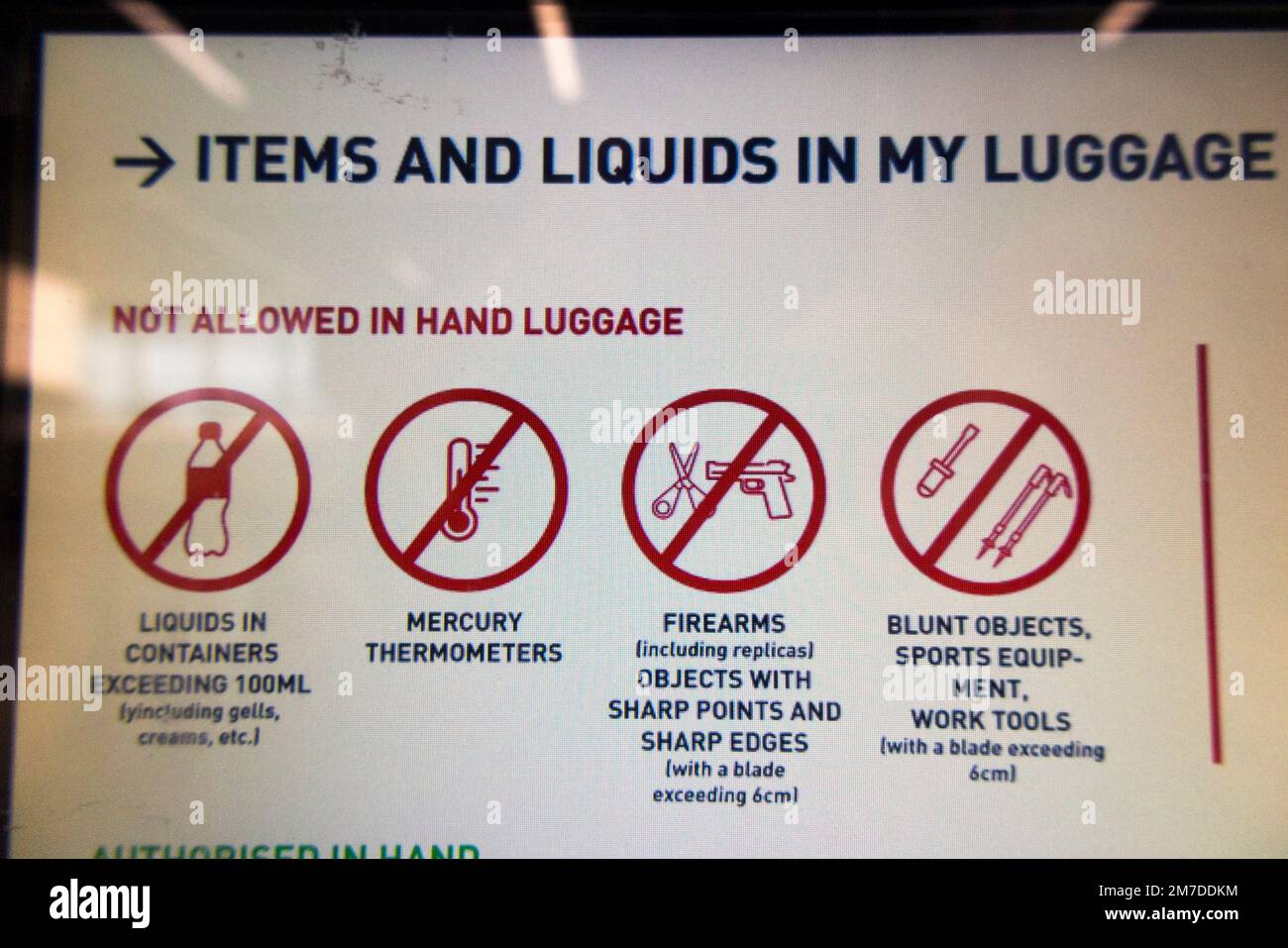
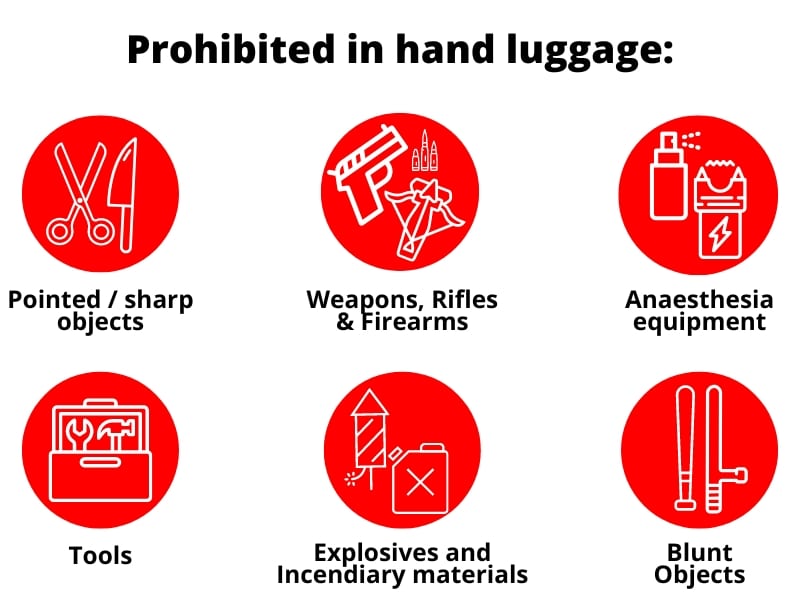
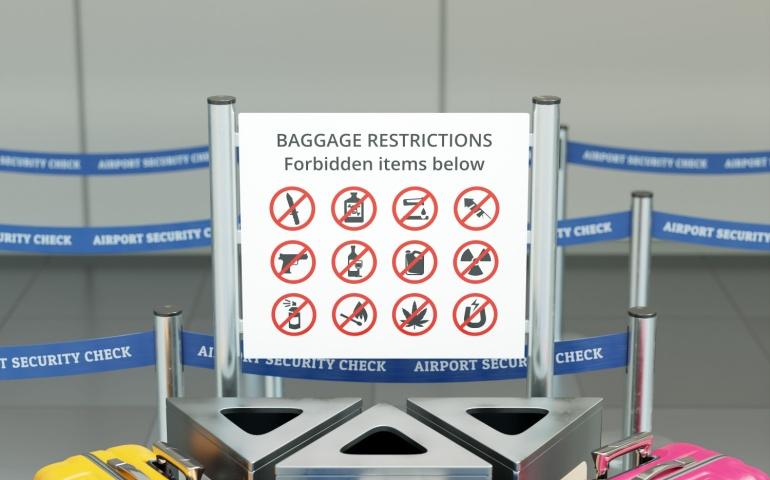
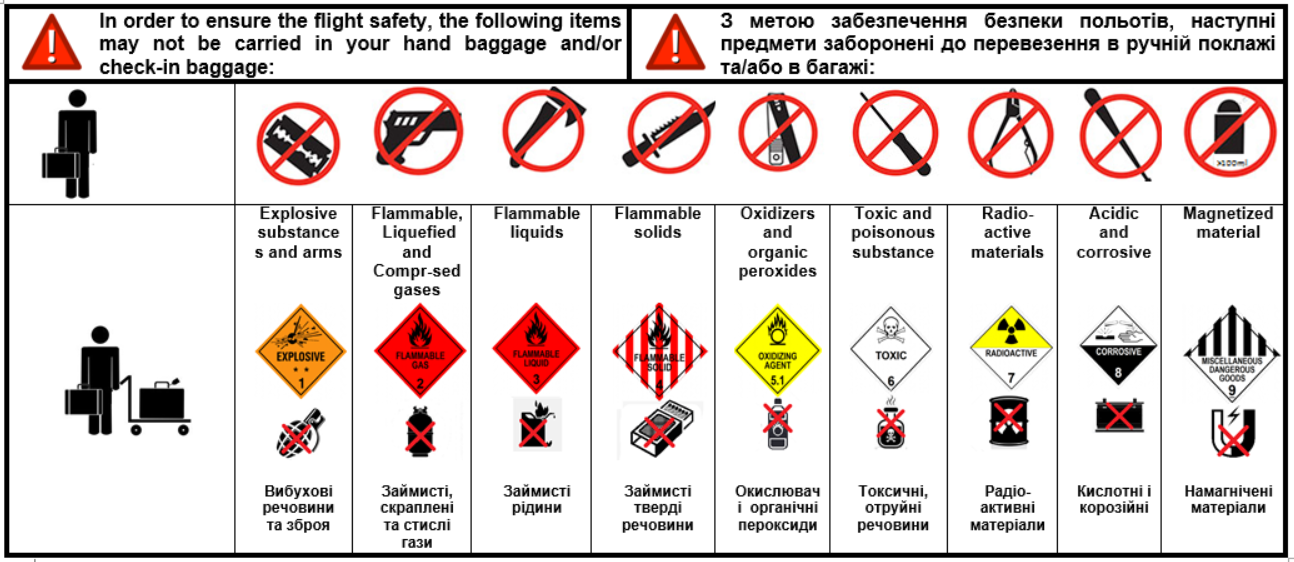
Typically, items restricted in checked baggage include flammable liquids, explosive materials, and sharps, due to the risks they pose to the safety of the flight. Additionally, perishable goods and biological specimens are often restricted to prevent contamination and ensure the safety of passengers and crew. Understanding these restrictions is crucial for planning and packing appropriately, avoiding both the inconvenience of having items confiscated and the potential danger they could pose.
For travelers, it's essential to consult the airline's policy well in advance of their flight to understand what is and isn't allowed in checked baggage. This proactive approach enables travelers to make informed decisions about what to pack, how to pack it, and whether certain items should be shipped separately or purchased at the destination. By taking these steps, travelers can ensure compliance with regulations, contributing to a safer and more efficient travel experience for everyone involved.
How Do I Pack Restricted Items Safely?
Packing restricted items safely requires careful consideration and adherence to specific guidelines. For lithium-ion batteries, for example, it's recommended to protect the terminals to prevent accidental ignition and to keep them in their original packaging or a protective pouch. Similarly, sharp objects should be sheathed or securely wrapped to prevent injury or damage during transit.
Travelers should also be aware of the quantitative restrictions on certain items, such as the limit on the number of batteries that can be carried. By understanding and complying with these restrictions, travelers can avoid issues at security checkpoints and ensure their items are transported safely. Moreover, packing restricted items in easily accessible parts of the luggage can facilitate security screening, reducing the likelihood of delays or additional scrutiny.

Can I Ship Restricted Items Instead of Checking Them?
Yes, shipping restricted items instead of checking them can be a viable alternative for travelers. This approach is particularly useful for items that are essential but subject to strict regulations or quantity limits. By using a reputable shipping service, travelers can ensure that their items are handled and transported safely and legally, bypassing the restrictions associated with airline travel.
However, travelers should research thoroughly to identify shipping services that specialize in handling restricted items. This includes understanding the cost implications, as shipping certain items can be more expensive than checking them, and the timeframe for delivery, to ensure that items arrive at their destination in a timely manner. By taking a proactive and informed approach to shipping, travelers can navigate the complexities of restricted items with ease and convenience.
What Are the Consequences of Not Following Baggage Restrictions?
The consequences of not following baggage restrictions can be significant, ranging from delayed flights and confiscation of items to financial penalties and, in severe cases, legal action. Additionally, non-compliance can pose serious safety risks, potentially endangering the lives of passengers and crew. Therefore, it's crucial for travelers to take restrictions seriously and plan their packing strategy accordingly.
Moreover, repeated offenses or serious violations can lead to enhanced screening or travel restrictions in the future. By respecting the science behind baggage restrictions and adhering to the guidelines set forth by airlines and regulatory bodies, travelers can not only avoid these consequences but also contribute to a safer, more efficient travel environment. This proactive approach to travel planning demonstrates a commitment to responsible travel practices and a deep understanding of the complex interplay between safety, security, and convenience in air travel.

How Often Do Baggage Restrictions Change, and How Can I Stay Informed?
Baggage restrictions can change frequently, driven by advances in technology, evolving security threats, and updates to international regulations. To stay informed, travelers should regularly check the official websites of their airline and relevant regulatory bodies, such as the Transportation Security Administration (TSA) in the United States. Additionally, signing up for travel alerts and following reputable travel advisories can provide timely updates on changes to baggage restrictions and other travel requirements.
By staying informed, travelers can adapt their packing strategies to comply with the latest regulations, ensuring a smooth and hassle-free travel experience. This proactive approach not only reflects a commitment to safety and security but also demonstrates an understanding of the dynamic nature of travel regulations and the importance of flexibility in travel planning. Through continuous education and awareness, travelers can navigate the ever-changing landscape of baggage restrictions with confidence and ease.
Respecting the science behind baggage restrictions makes us better, more efficient humans in several ways. Firstly, it demonstrates a commitment to safety, not just for ourselves, but for our fellow travelers and the crew. By adhering to these restrictions, we contribute to a safer travel environment, reducing the risk of accidents and ensuring the well-being of everyone involved. This sense of responsibility and consideration for others is a fundamental aspect of being a respectful and aware traveler.
Furthermore, understanding and complying with baggage restrictions requires a proactive and informed approach to travel planning. This mindset encourages travelers to be more resourceful, flexible, and adaptable, skills that are invaluable not just in travel but in many aspects of life. By embracing the complexities of baggage restrictions and navigating them successfully, travelers develop a deeper appreciation for the intricacies of international travel and the importance of respecting the rules and regulations that govern it. This heightened awareness and respect for the process of travel can lead to a more enriching and fulfilling experience, as travelers are able to focus on the joys of exploration and connection, rather than the stresses of compliance.