
What Can't You Bring In A Carry On

I still remember the time I tried to sneak a full-size toiletry bag into my carry-on, thinking I could get away with it. Yeah, that didn't end well - the TSA agent gave me a knowing look and politely asked me to check it in or dispose of the excess items. It was a valuable lesson in the importance of understanding what can and can't be brought in a carry-on.
As it turns out, there are a lot of things you might not realize are prohibited in carry-ons, and it's not just about avoiding additional fees or security hassles. The Transportation Security Administration (TSA) has a pretty comprehensive list of items that are strictly forbidden in carry-ons, and it's worth familiarizing yourself with them before your next flight. From obvious no-nos like firearms and explosives to more surprising items like certain types of batteries and sporting goods.
Understanding the Basics
So, where do you start? The TSA website is a great resource, with a interactive tool that lets you search for specific items and see if they're allowed in carry-ons or checked luggage. You can also download the TSA app for easy access to this information on the go. Just remember, it's always better to err on the side of caution when it comes to packing your carry-on.
Must Read
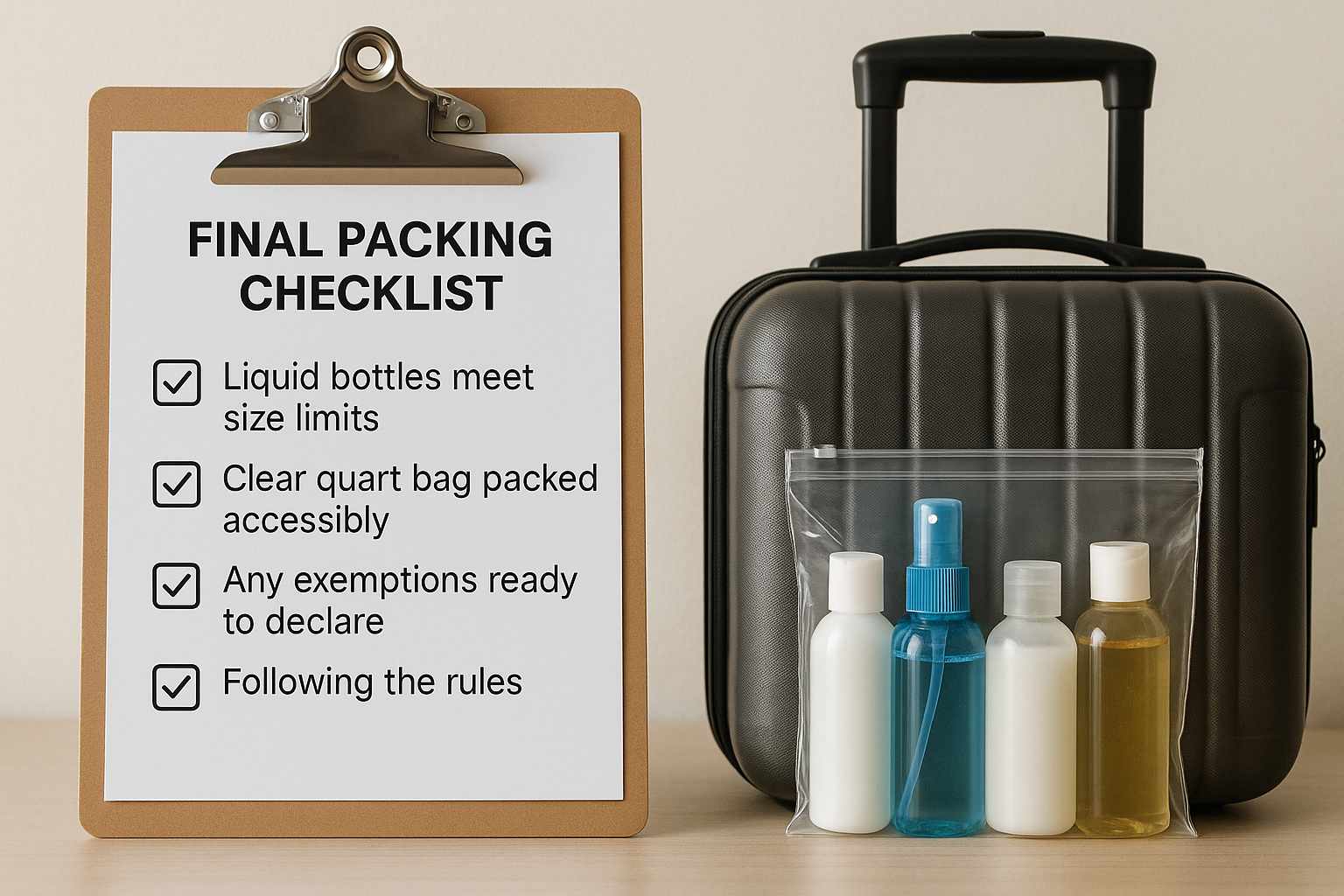
One thing to keep in mind is that liquids, gels, and aerosols are subject to the 3-1-1 rule: containers must be 3.4 ounces or less, fit in a clear quart-sized zip-top bag, and only one bag is allowed per passenger. This includes items like shampoo, conditioner, and toothpaste, as well as makeup and makeup remover. Yes, it's a bit of a hassle, but trust me, it's worth it to avoid any delays or issues at security.
Prohibited Items
Some items are completely prohibited in carry-ons, including firearms, ammunition, and explosive materials. This also includes sharp objects like knives, scissors, and box cutters, as well as tools like wrenches, pliers, and screwdrivers. And, of course, there are the obvious no-nos like chemicals and toxic substances.

But what about less obvious items? Did you know that batteries are subject to certain restrictions? For example, lithium batteries can only be carried in devices or in protective pouches, and spare batteries must be protected from accidental activation. It's also worth noting that certain sporting goods, like baseball bats and golf clubs, are not allowed in carry-ons due to their potential to be used as bludgeoning instruments.
And then there are the items that are just plain confusing. Like, can you bring food in your carry-on? The answer is yes, but with some caveats: solid foods like fruits, nuts, and sandwiches are generally okay, but liquids and gels are subject to the 3-1-1 rule. And what about musical instruments? The TSA has a special policy for these items, which can be carried on in some cases but may require special screening.

Additional Tips
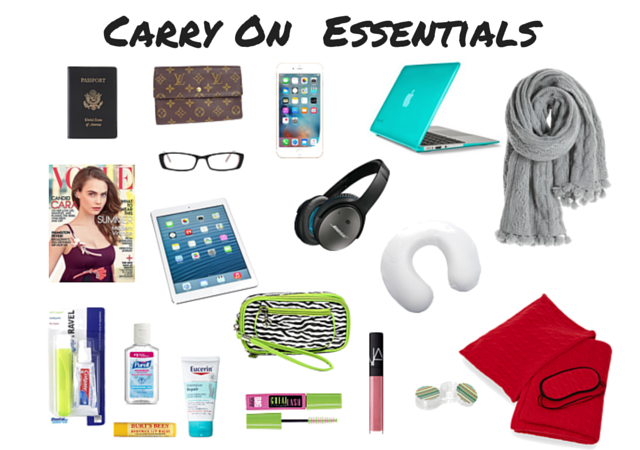
So, how can you make sure you're prepared for security and avoid any issues with your carry-on? One tip is to pack smart: keep your liquids and gels in a separate, easy-to-reach bag, and wear your heaviest or bulkiest items (like your coat and boots) to save space in your luggage. You should also check with your airline for any specific carry-on restrictions they may have, as these can vary.
And, of course, there's the eternal debate: to check a bag or not to check a bag? If you do need to check a bag, make sure to follow the TSA's guidelines for checked luggage, which include restrictions on items like lithium batteries and flammable liquids. But if you can avoid checking a bag, you'll not only save time at the airport but also reduce your risk of lost or delayed luggage.
In the end, it's all about being prepared and informed when it comes to your carry-on. By knowing what you can and can't bring, you can avoid any unnecessary stress or hassle and make your flight as smooth and enjoyable as possible. Happy flying, and don't forget to pack wisely! With a little planning and preparation, you'll be all set for a stress-free flight.

/image-1-1-2000-eb5fdee489b6435c96102d40eced97c0.jpg)
:max_bytes(150000):strip_icc()/tsa-liquid-rules-carry-on-checked-bag-TSALIQUIDS0622-841fded886324b3e99b7713c8b8ae94b.jpg)

![TSA Carry-On Rules: What You Can And Cannot Bring Through Security [2025]](https://www.thepointsanalyst.com/wp-content/uploads/2025/08/Image-9-1.jpeg)