Can You Bring Water Bottles On A Plane

As we soar through the skies, staying hydrated is crucial for our overall well-being. But have you ever wondered if you can bring water bottles on a plane? The answer is not as straightforward as you might think. The history of in-flight hydration dates back to the early days of aviation, when passengers were often provided with minimal amenities, including water. As air travel became more commercialized, the availability of water and other beverages increased, but the rules surrounding personal water bottles remained murky. Today, with the rise of eco-consciousness and health awareness, the question of bringing water bottles on a plane has become more relevant than ever.
In recent years, there has been a significant shift in the way we think about plastic waste and single-use items, including water bottles. The zero-waste movement has inspired many to switch to reusable water bottles, and airlines have started to take notice. Some carriers have implemented initiatives to reduce plastic waste, such as offering refillable water bottles or installing water fountains on board. However, the rules regarding personal water bottles vary from airline to airline, leaving passengers confused and unsure about what to expect. As we delve into the world of in-flight hydration, we'll explore the lesser-known facts, psychological aspects, and cultural impact of bringing water bottles on a plane.
Understanding the Rules and Regulations
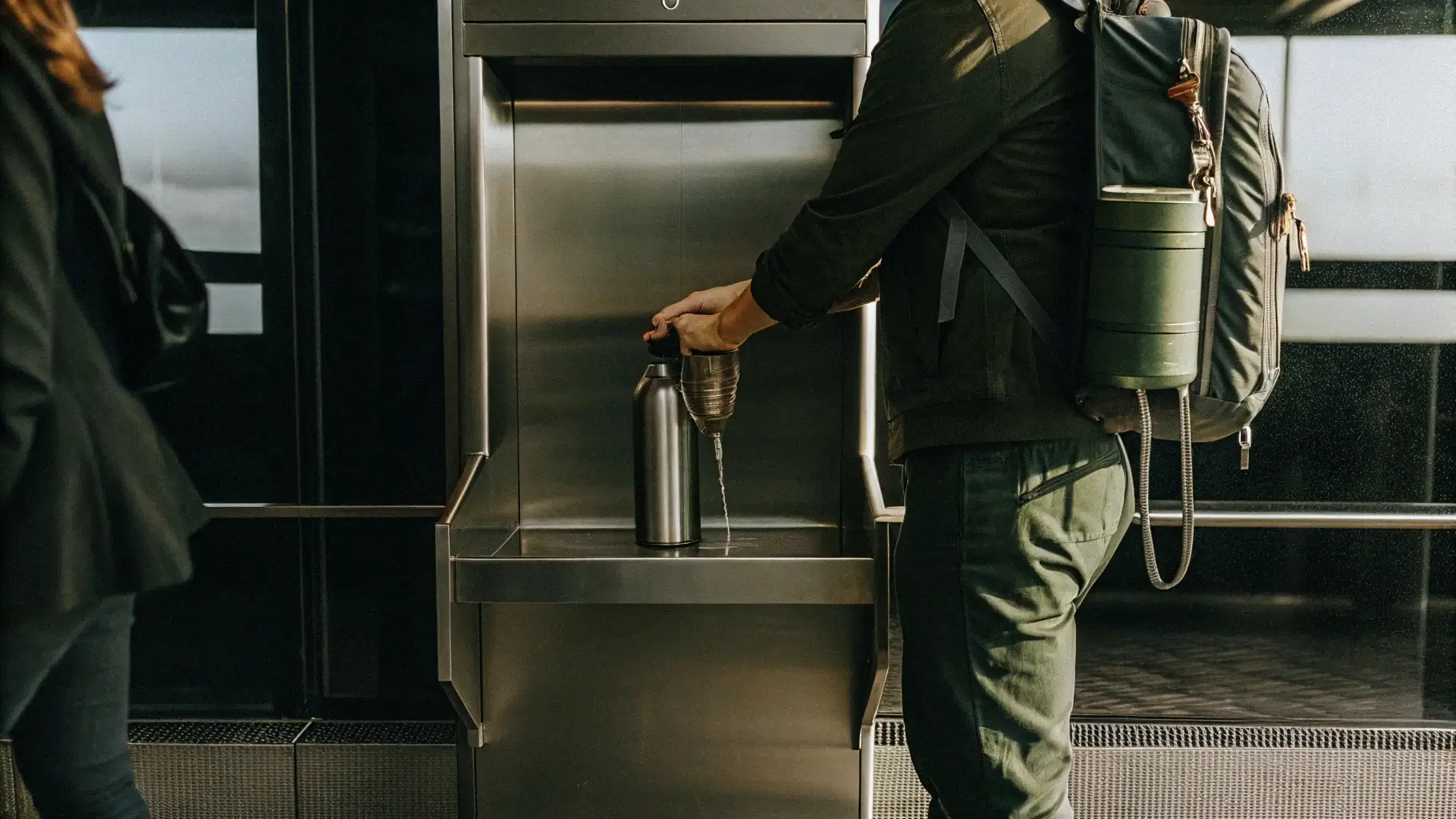
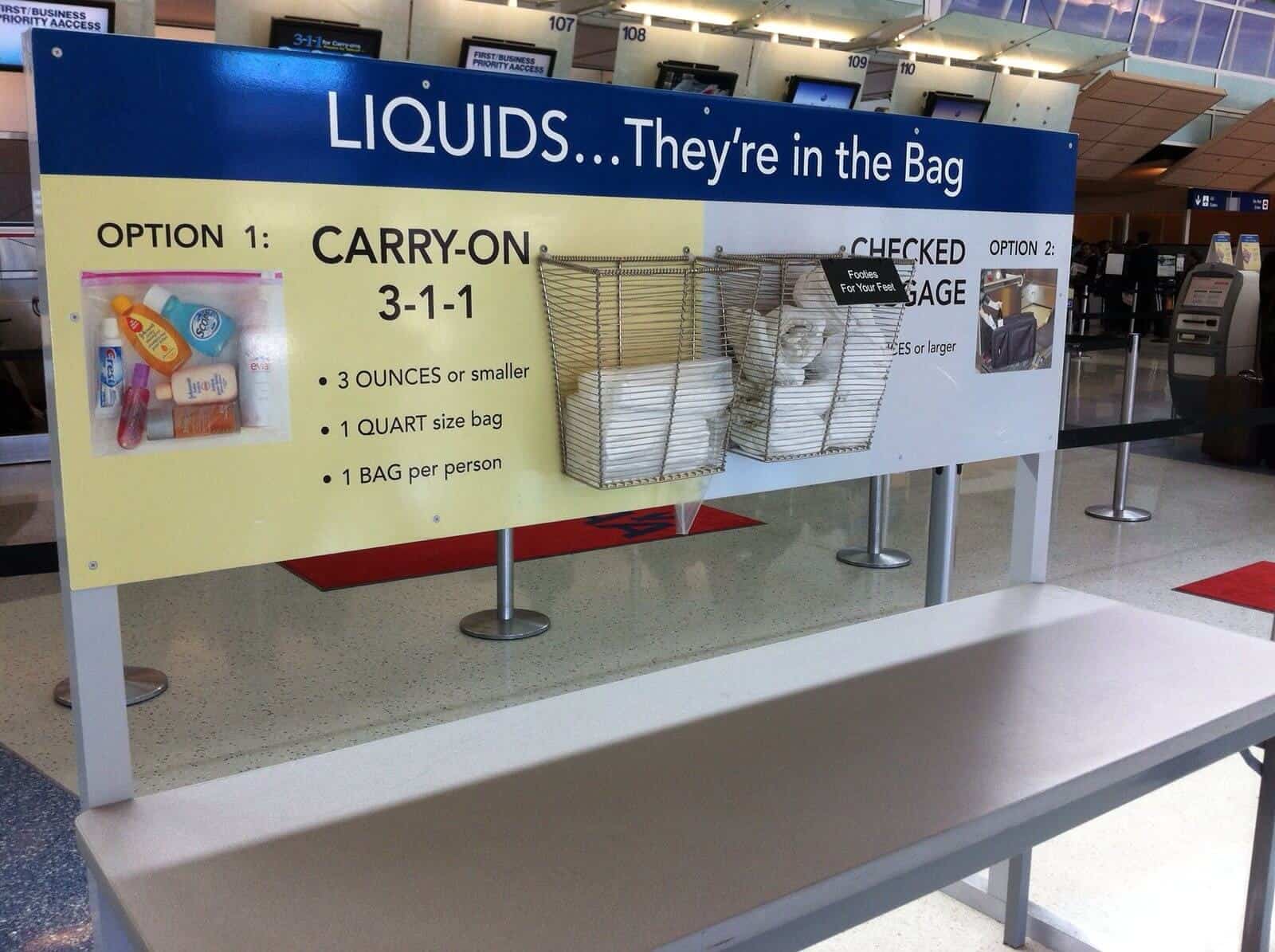
When it comes to bringing water bottles on a plane, the Transportation Security Administration (TSA) has specific guidelines in place. According to the TSA's website, empty water bottles are allowed through security checkpoints, but-filled bottles are subject to the 3.4-ounce liquid rule. However, there is a loophole: if you have a refillable water bottle, you can empty it before passing through security and then refill it at a water fountain or bottle refill station after clearing security. It's essential to check with your airline for their specific policies, as some may have more stringent rules or restrictions.
Must Read
Despite the TSA's guidelines, many passengers are still unsure about what to expect when bringing water bottles on a plane. Airlines' inconsistent policies can lead to confusion, and some passengers may be forced to discard their water bottles or face additional screening. To avoid any issues, it's crucial to research your airline's policy beforehand and plan accordingly. Additionally, some airports have implemented innovative solutions, such as water bottle refill stations, to encourage passengers to stay hydrated while reducing waste.
The environmental impact of single-use plastics is a significant concern, and the aviation industry is not immune to this issue. With millions of passengers flying every day, the amount of plastic waste generated by airlines is staggering. By bringing reusable water bottles on a plane, passengers can contribute to reducing this waste and promoting sustainability. Moreover, some airlines are now offering eco-friendly amenities, such as bamboo utensils or biodegradable cups, to further reduce their environmental footprint.
Practical Tips and Scenarios
So, how can you stay hydrated on a plane while minimizing waste? One solution is to invest in a refillable water bottle that's specifically designed for travel. These bottles are typically made of durable materials, such as stainless steel or BPA-free plastic, and are designed to withstand the rigors of air travel. When choosing a water bottle, look for one that's leak-proof and insulated to keep your drinks hot or cold for hours.
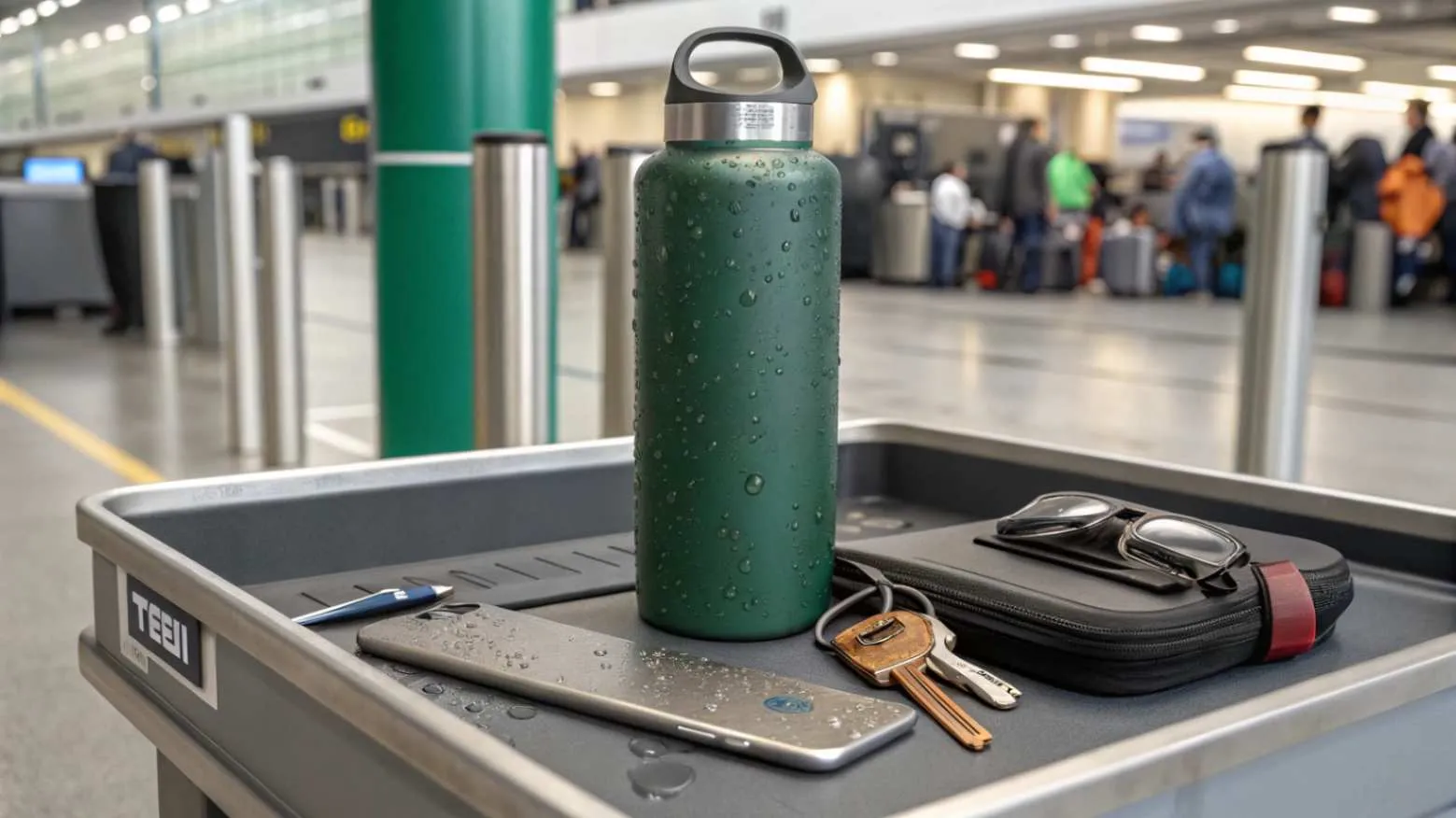
Another scenario to consider is what to do if you're unable to bring a water bottle on a plane. In this case, you can opt for in-flight water services, which are becoming increasingly popular among airlines. Some carriers offer complimentary water or filtered water to passengers, reducing the need for single-use plastics. Additionally, some airports have introduced water fountains or bottle refill stations, making it easier for passengers to stay hydrated while reducing waste.
For frequent flyers, it's essential to be aware of the airline's water policy to avoid any issues during security screening or boarding. Some airlines may have specific rules or restrictions on water bottles, so it's crucial to research these policies beforehand. By being prepared and taking a few simple steps, you can stay hydrated on a plane while promoting sustainability and reducing waste. Moreover, some airlines are now offering loyalty programs that reward passengers for their eco-friendly choices, such as using refillable water bottles or opting for in-flight water services.
In addition to the practical tips, it's also important to consider the psychological aspect of staying hydrated on a plane. Dehydration can lead to fatigue, headaches, and irritability, which can negatively impact your travel experience. By bringing a refillable water bottle on a plane, you can ensure that you stay hydrated and comfortable throughout your journey. Furthermore, the stress-reducing benefits of staying hydrated should not be underestimated, as it can help to alleviate anxiety and promote a sense of well-being.
Frequently Asked Questions
Can I Bring a Water Bottle on a Plane?
The answer to this question is not a simple yes or no. As mentioned earlier, empty water bottles are allowed through security checkpoints, but filled bottles are subject to the 3.4-ounce liquid rule. However, if you have a refillable water bottle, you can empty it before passing through security and then refill it at a water fountain or bottle refill station after clearing security. It's essential to check with your airline for their specific policies, as some may have more stringent rules or restrictions. By being aware of the TSA's guidelines and your airline's policy, you can ensure a smooth and hassle-free experience.
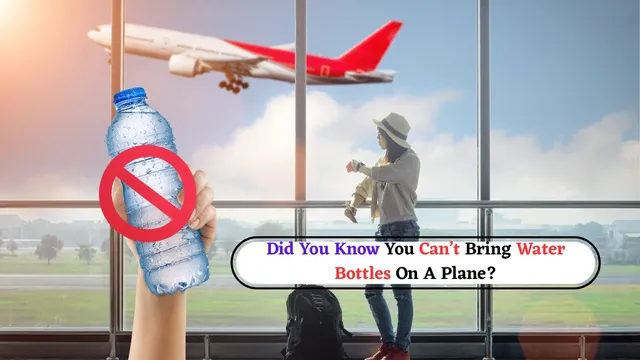
In addition to understanding the rules and regulations, it's also important to consider the practical implications of bringing a water bottle on a plane. For example, if you have a connecting flight, you may need to empty and refill your water bottle multiple times, which can be inconvenient. Moreover, some airports may not have water fountains or bottle refill stations, making it difficult to refill your water bottle. By being aware of these potential challenges, you can plan accordingly and stay hydrated throughout your journey.
How Do I Choose the Best Water Bottle for Air Travel?
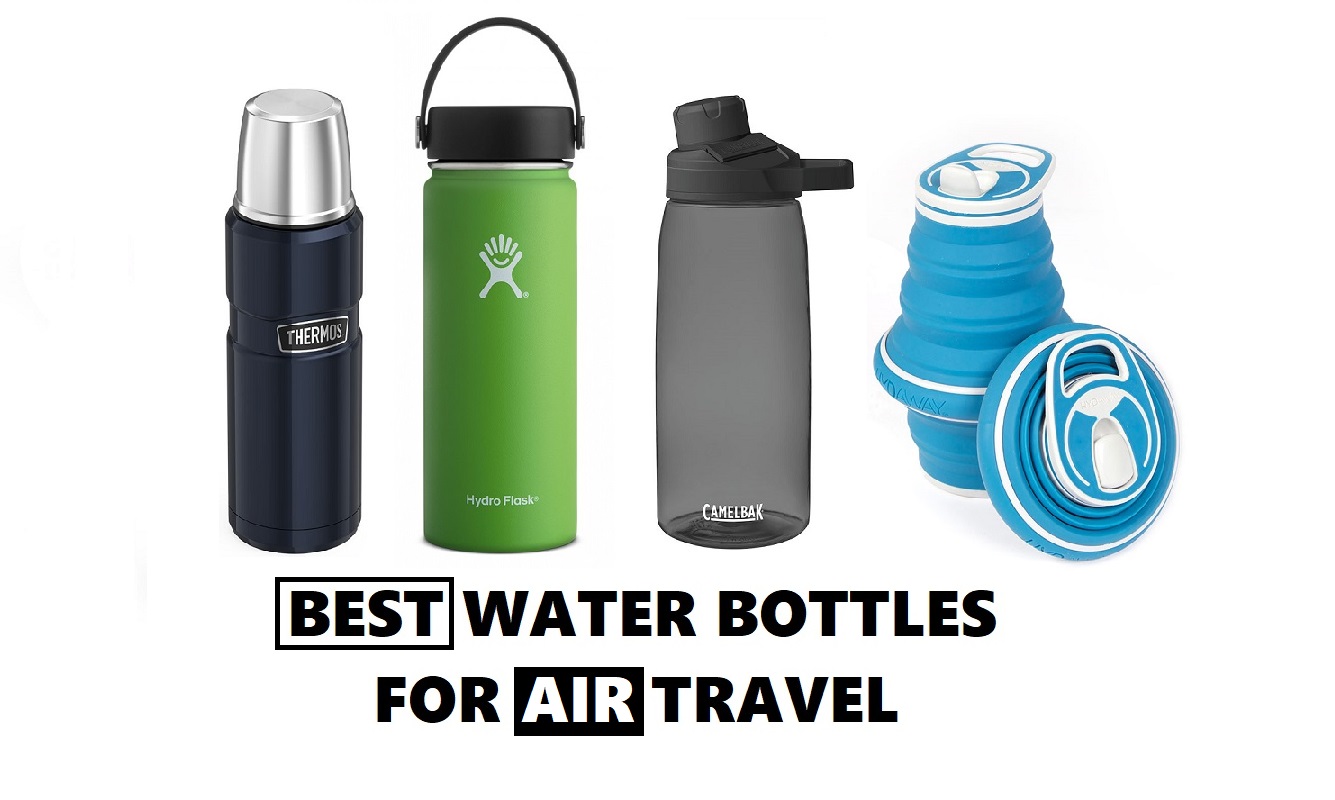
When choosing a water bottle for air travel, there are several factors to consider. First and foremost, look for a refillable water bottle that's specifically designed for travel. These bottles are typically made of durable materials, such as stainless steel or BPA-free plastic, and are designed to withstand the rigors of air travel. Additionally, consider a bottle that's leak-proof and insulated to keep your drinks hot or cold for hours. Some popular brands offer travel-sized water bottles that are perfect for air travel, and these bottles often come with additional features, such as built-in filters or infusion systems.
In addition to the design and features of the water bottle, it's also essential to consider the environmental impact of your choice. Single-use plastics are a significant concern, and the aviation industry is not immune to this issue. By choosing a refillable water bottle, you can contribute to reducing waste and promoting sustainability. Moreover, some airlines are now offering eco-friendly amenities, such as bamboo utensils or biodegradable cups, to further reduce their environmental footprint. By being aware of the environmental implications of your choices, you can make a positive impact on the planet.
Can I Refill My Water Bottle at the Airport?
Many airports now offer water fountains or bottle refill stations, making it easier for passengers to stay hydrated while reducing waste. These stations are typically located in the terminal, near gates or restaurants, and are clearly marked with signs. Some airports also offer filtered water or alkaline water, which can be a great option for those looking for a more premium drinking experience. By refilling your water bottle at the airport, you can avoid buying single-use plastics and reduce your environmental footprint.
In addition to the environmental benefits, refilling your water bottle at the airport can also be a cost-effective option. Buying water at the airport can be expensive, especially if you're purchasing multiple bottles. By bringing a refillable water bottle and refilling it at the airport, you can save money and stay hydrated throughout your journey. Furthermore, some airports are now offering loyalty programs that reward passengers for their eco-friendly choices, such as using refillable water bottles or opting for in-flight water services.
How Do I Clean and Maintain My Water Bottle for Air Travel?
Regular cleaning and maintenance are essential to keep your water bottle in good condition, especially when traveling by air. Start by washing your water bottle with soap and warm water after each use, and make sure to dry it thoroughly to prevent bacterial growth. You can also use a bottle brush to clean hard-to-reach areas, such as the lid or mouthpiece. For more thorough cleaning, consider using a water bottle cleaning tablet or vinegar solution to sanitize your bottle.
In addition to regular cleaning, it's also essential to consider the materials used in your water bottle. Some materials, such as stainless steel or BPA-free plastic, are more durable and easier to clean than others. By choosing a water bottle made from high-quality materials, you can ensure that it remains in good condition throughout your journey. Moreover, some water bottles come with additional features, such as insulation or filtration systems, which can enhance your drinking experience and provide additional benefits.
Are There Any Airline-Specific Water Bottle Restrictions?
Yes, some airlines have specific restrictions or rules regarding water bottles. For example, some carriers may not allow large water bottles or insulated bottles on board, while others may have specific rules for refillable water bottles. It's essential to check with your airline for their specific policies, as these can vary greatly. Additionally, some airlines may offer in-flight water services, such as complimentary water or filtered water, which can reduce the need for personal water bottles.
In addition to understanding the airline's policy, it's also important to consider the cultural aspects of water bottles on a plane. In some cultures, water bottles are seen as a symbol of wealth or status, while in others, they're viewed as a necessary item for staying hydrated. By being aware of these cultural differences, you can avoid any potential misunderstandings or conflicts with fellow passengers or airline staff. Moreover, some airlines are now offering cultural sensitivity training to their staff, which can help to promote a more inclusive and respectful environment on board.
As we reflect on the topic of bringing water bottles on a plane, it's clear that it's a complex issue that involves more than just the TSA's guidelines or airline policies. It's about staying hydrated, reducing waste, and promoting sustainability. By being aware of the rules and regulations, choosing the right water bottle, and taking steps to reduce our environmental footprint, we can make a positive impact on the planet. Moreover, the psychological benefits of staying hydrated should not be underestimated, as it can help to alleviate anxiety and promote a sense of well-being.
The connection between bringing water bottles on a plane and our daily lives is more significant than we might think. It's about making conscious choices that align with our values and promote a more sustainable future. By choosing to bring a refillable water bottle on a plane, we're sending a message that we care about the environment and are willing to take steps to reduce our impact. This mindset can be applied to other areas of our lives, such as reducing single-use plastics, using public transport, or choosing eco-friendly products.
Ultimately, the question of whether we can bring water bottles on a plane is a reflection of our human nature. We're creatures of habit, and our daily choices are often driven by convenience, comfort, and a desire for simplicity. However, as we become more aware of the environmental and social implications of our choices, we're forced to re-evaluate our habits and make more conscious decisions. By embracing the idea of bringing refillable water bottles on a plane, we're taking a small step towards a more sustainable future, and that's a choice that can have a significant impact on our planet.