Baggage Limit For International Flights
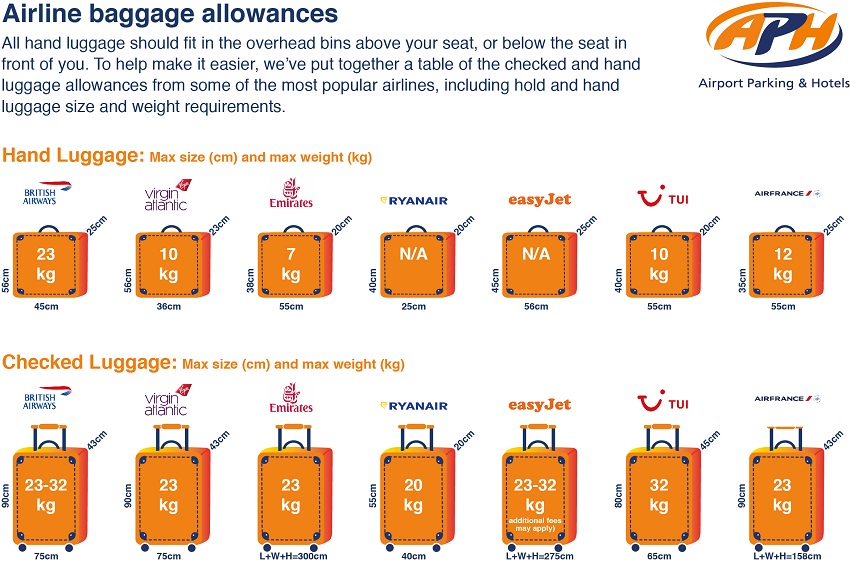
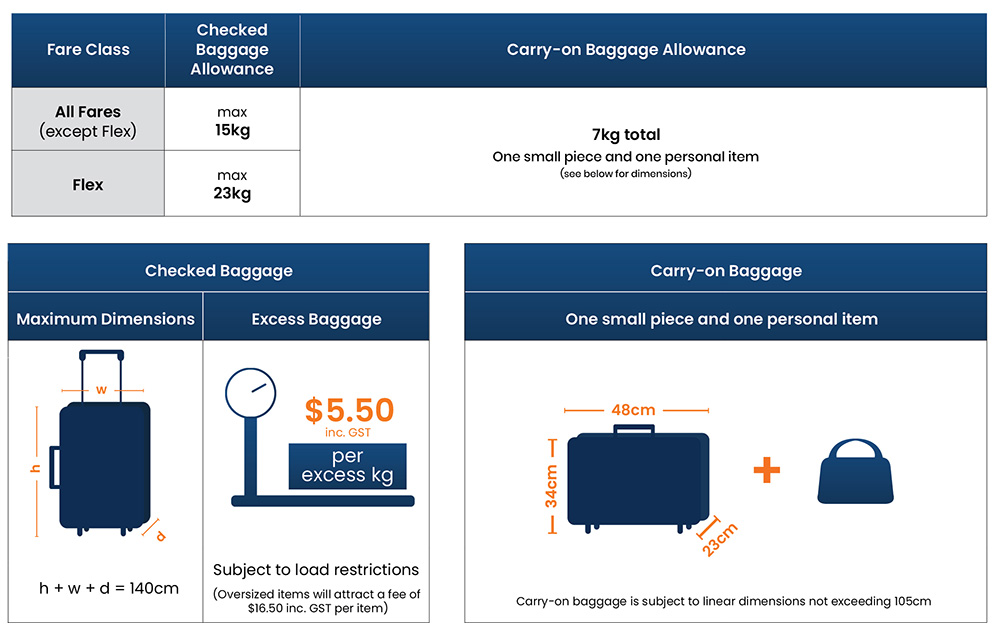
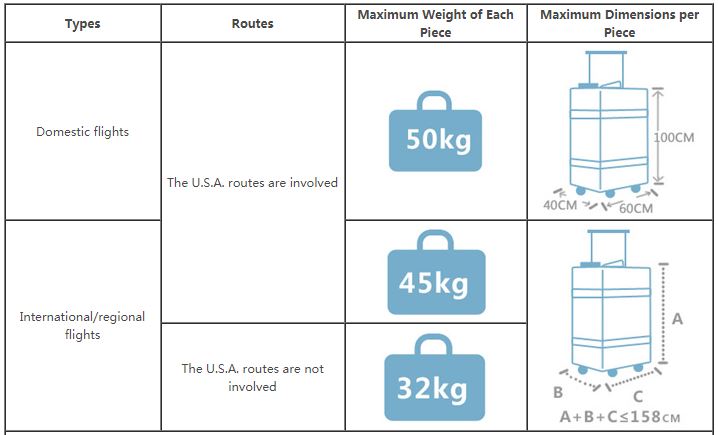
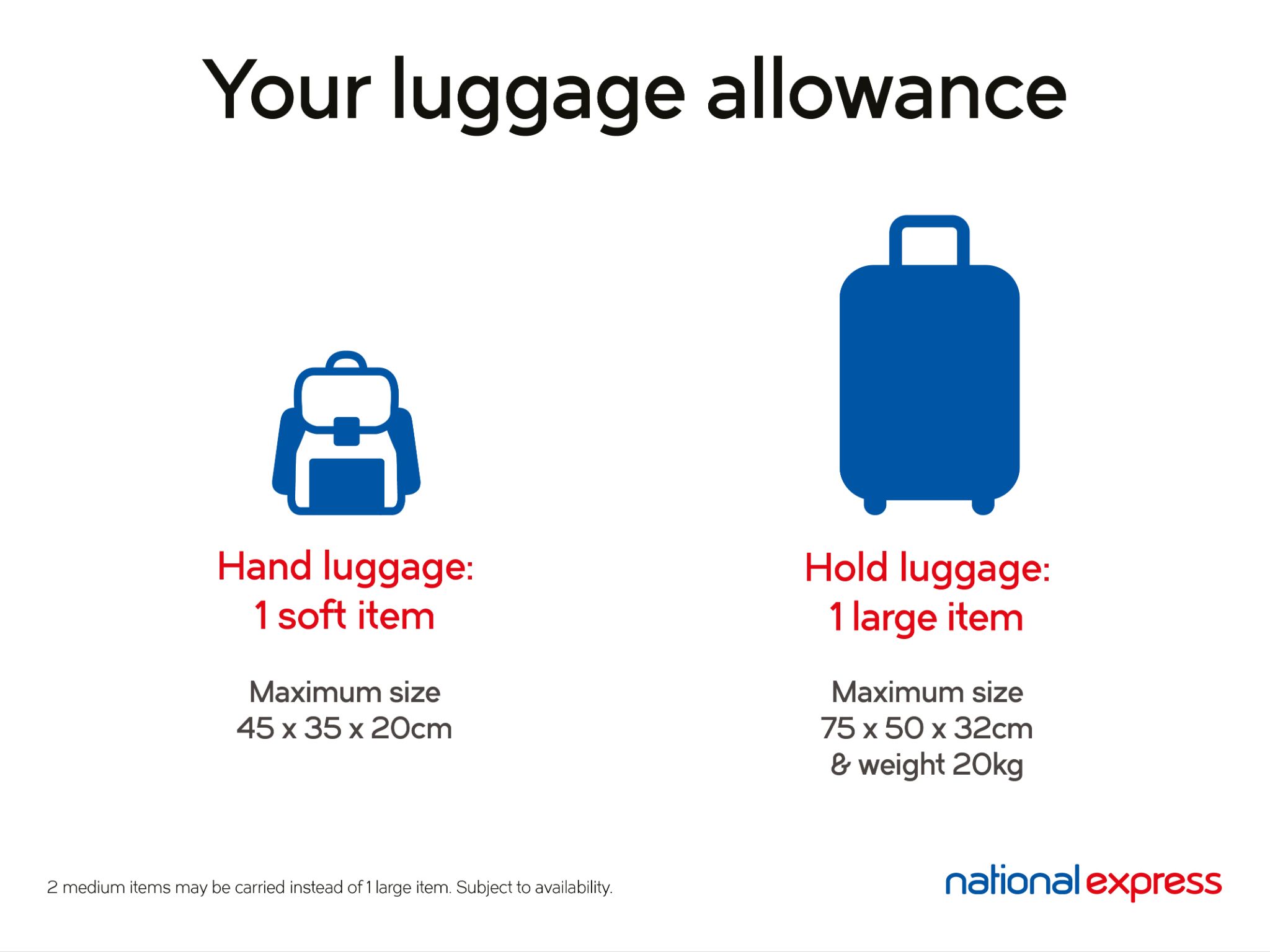
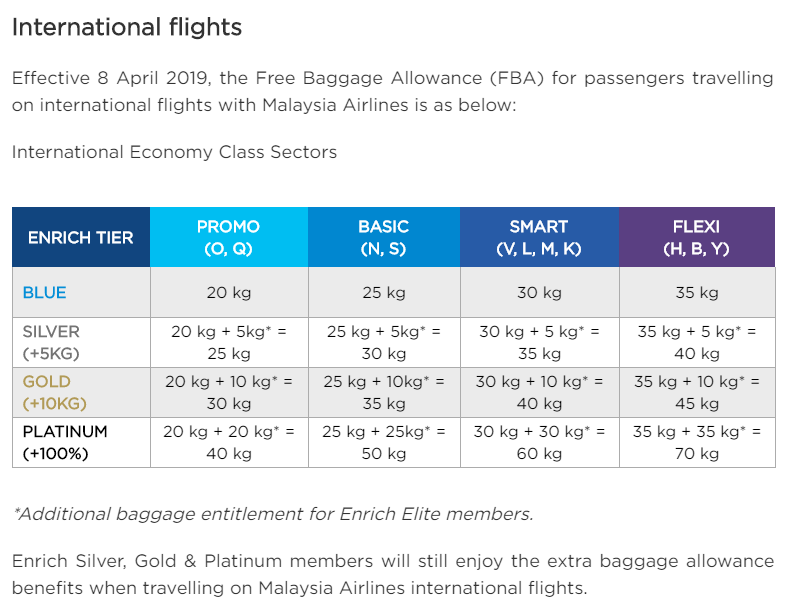
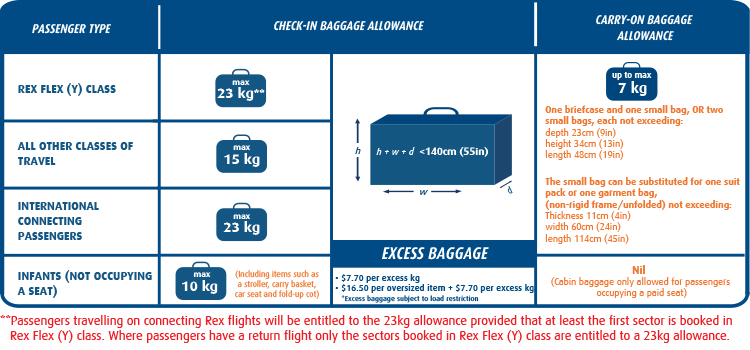
When it comes to international travel, one of the most crucial things to consider is the baggage limit for your flight. Knowing the allowed weight and size of your luggage can save you from a lot of hassle and extra fees at the airport. From carry-on bags to checked luggage, each airline has its own set of rules and regulations.
Understanding Baggage Limits
The baggage limit for international flights varies from airline to airline, but most follow the guidelines set by the International Air Transport Association (IATA). Typically, the maximum weight for checked baggage is 50 pounds (23 kilograms), while carry-on bags should fit in the overhead bin or under the seat in front of you. It's essential to check with your airline for their specific baggage policy before your trip.
Some airlines offer premium services that include additional baggage allowance, such as business class or first class tickets. However, if you're traveling on a budget airline, be prepared for stricter baggage limits and extra fees for checked luggage. It's always a good idea to pack smart and avoid checking bags whenever possible.
Packing Tips and Tricks
To avoid excess baggage fees, it's crucial to pack efficiently and make the most of your allowed baggage weight. One pro tip is to wear your heaviest or bulkiest items, such as your coat or boots, on the plane to save space in your luggage. You can also use packing cubes or compression bags to help you stay organized and fit more into your bags.
Another useful trick is to pack a carry-on essentials kit with items like your passport, phone charger, and medication, in case your checked luggage gets lost or delayed. And, of course, don't forget to leave some extra space in your bags for souvenirs and other goodies you might acquire during your trip. As the saying goes, "pack light, travel far."

Cultural Considerations
When traveling internationally, it's not just about the baggage limit, but also about being respectful of cultural norms and local customs. For example, in some countries, it's considered impolite to show too much skin or wear revealing clothing, so it's essential to pack accordingly. Additionally, some airlines may have specific baggage restrictions for certain items, such as electronics or valuables.
In Japan, for instance, it's customary to remove your shoes before entering a home or traditional building, so it's a good idea to pack a pair of slippers or socks in your carry-on bag. Similarly, in India, it's considered polite to dress modestly and cover your shoulders and knees, especially when visiting temples or other cultural sites.
Fun Facts and Figures
Did you know that the world's largest suitcase was over 10 feet long and weighed over 1,000 pounds? Or that the average person checks 1.5 bags per flight, with a total weight of around 50 pounds? These fun facts and figures give you an idea of just how much baggage is being transported around the world every day.
In 2019, airlines handled over 4.5 billion bags worldwide, with a 99.9% success rate for delivering luggage to its destination. While lost luggage can be a major headache, the chances of it happening are relatively low, especially if you label your bags correctly and keep an eye on them during the flight.
Reflections and Takeaways
As we navigate the complexities of international travel, it's essential to remember that baggage limits are in place to ensure our safety and convenience. By being mindful of these limits and packing smart, we can avoid unnecessary stress and make the most of our travels. As the ancient Greek philosopher, Aristotle, once said, "the whole is more than the sum of its parts," and in the case of travel, it's the little things, like baggage limits, that can make all the difference.
In the end, it's not just about the baggage limit or the number of bags we can bring, but about the experiences we have and the memories we create along the way. So the next time you're planning a trip, remember to pack light, travel far, and enjoy the journey, not just the destination. And who knows, you might just discover that the best souvenirs are the ones you don't have to pack at all – the memories, the stories, and the experiences that stay with you long after your trip is over.