American Airlines Carry On Regulations
The world of air travel has become an integral part of our lives, with millions of people flying every day. Among the numerous airlines operating globally, American Airlines is one of the most recognizable and widely used. However, with the convenience of flying comes the necessity of understanding the rules and regulations that govern it, particularly when it comes to carry-on baggage. The story of carry-on regulations is not just about rules; it's about the evolution of air travel, passenger behavior, and the airlines' response to changing times.
Carry-on baggage has been a part of air travel since its inception, but the regulations surrounding it have undergone significant changes over the years. From the early days of aviation, where passengers could carry almost anything onto the plane, to the post-9/11 era, where security became the top priority, the rules have evolved. Today, American Airlines, like other carriers, has strict guidelines in place to ensure safety, efficiency, and comfort for all passengers. Understanding these regulations is crucial for a smooth travel experience, and it's more than just knowing the size and weight limits of your carry-on; it's about being aware of the items you can and cannot bring on board.
Delving into the Details
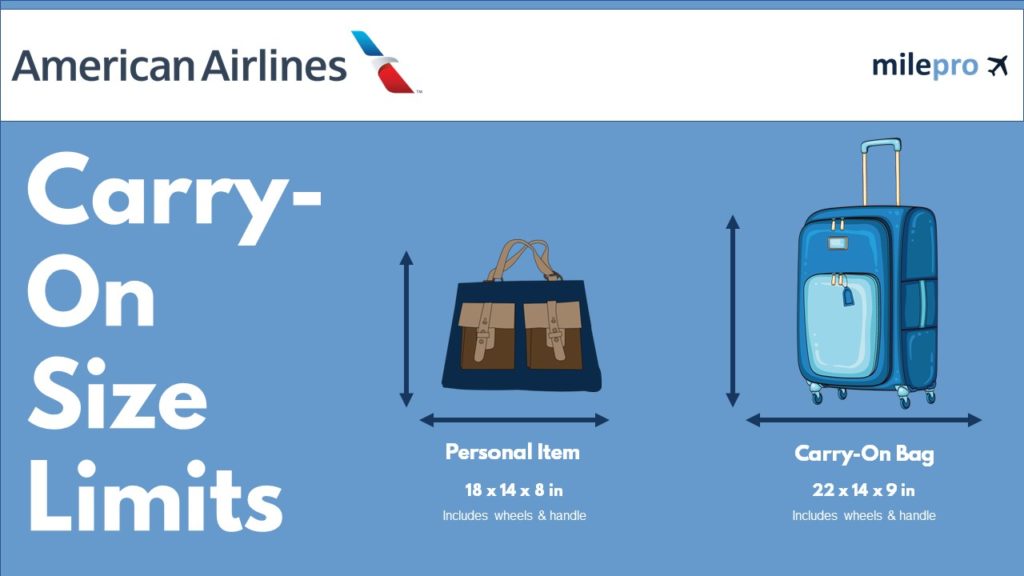
When it comes to American Airlines carry-on regulations, size matters. The airline specifies that carry-on bags should not exceed 22 inches in length, 14 inches in width, and 9 inches in height. These dimensions are crucial because they ensure that the baggage can fit in the overhead bin or under the seat in front of you. However, it's not just about the size; the type of items you carry is also important. For instance, American Airlines has specific rules about Lithium batteries, liquids, gels, and aerosols, which are governed by the TSA's 3-1-1 rule. This rule dictates that liquids, gels, and aerosols must be in containers of 3.4 ounces or less, fit in a 1-quart-sized clear zip-top bag, and only one such bag is allowed per passenger.
Must Read
Beyond the physical aspects, there's a psychological dimension to carry-on regulations. The stress of packing, the anxiety of potentially having to gate-check a bag, and the satisfaction of navigating the system successfully all play into the travel experience. Airlines understand this and have implemented policies to minimize stress, such as early boarding for passengers with only a carry-on or offering to valet check-in for eligible bags. These small touches reflect an understanding that while regulations are necessary, the passenger experience is paramount.
Culturally, carry-on regulations reflect broader societal trends. The rise of minimalist travel, for example, has led to a decrease in the size and weight of carry-on luggage, with many travelers opting for smaller, more efficient bags. This shift is not just about convenience; it's also about the growing awareness of environmental impact and the desire to travel more sustainably. Airlines, in response, are adapting their policies to accommodate these changes, offering incentives for lighter bags or more efficient boarding processes.
Practical Insights for Travelers
For travelers, understanding American Airlines carry-on regulations is key to a hassle-free journey. One of the most critical actionable takeaways is to plan ahead. This means not just checking the size of your carry-on but also thinking about the items you need to pack. Packing smart can make a significant difference, ensuring that you have everything you need without running the risk of having to check a bag at the last minute. Using a carry-on with multiple compartments can help keep items organized and easily accessible, which is especially useful when going through security.

Another scenario travelers might face is the need to gate-check their carry-on. This usually happens when the overhead bins are full, and the flight attendants will check your bag at the gate, returning it to you as you exit the plane. While it might seem inconvenient, gate-checking can actually be a blessing in disguise, saving you the hassle of finding space in the overhead bins. However, it's crucial to remove any valuables or essential items from your carry-on before gate-checking, as the airline's liability for these items is limited.
Case studies of passenger experiences highlight the importance of flexibility and understanding. A passenger who is aware of the regulations and plans accordingly is not only more likely to have a smooth journey but also sets a positive tone for their travel companions. This community aspect of air travel is often overlooked but plays a significant role in the overall experience. When everyone is considerate and aware of the rules, the flight environment becomes more pleasant for all.
Finally, technology is changing the game for carry-on regulations. With the advent of smart bags and tracking devices, passengers have more control over their luggage than ever before. Airlines are also leveraging technology to streamline the boarding process, using apps to notify passengers when it's their turn to board or to track the location of their carry-on. This integration of technology into travel is not only making journeys more efficient but also enhancing the passenger experience, allowing for real-time updates and more personalized service.
Frequently Asked Questions
What are the size restrictions for carry-on bags on American Airlines?
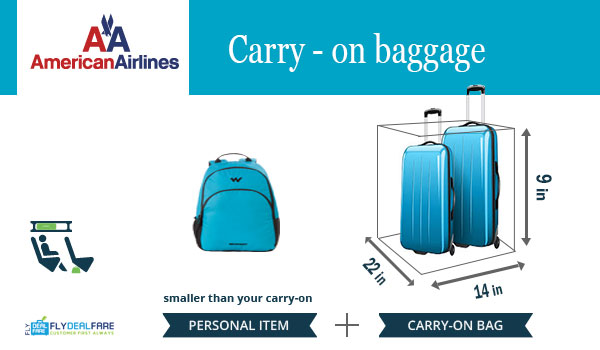
The size restrictions for carry-on bags on American Airlines are quite specific, with bags not exceeding 22 inches in length, 14 inches in width, and 9 inches in height. This is crucial because it ensures that your bag can fit either in the overhead bin or under the seat in front of you. However, it's also important to note that these dimensions can slightly vary depending on the aircraft type, so it's always a good idea to check with the airline if you're unsure. Additionally, American Airlines offers a sizer tool at the gate, which you can use to check if your bag fits within the allowed dimensions.
Understanding and adhering to these size restrictions can save you a lot of hassle during your journey. For instance, if your bag is too large, you might be forced to gate-check it, which can delay your exit from the plane. Furthermore, ensuring your bag is the right size also contributes to a more efficient boarding process for everyone, as it reduces the likelihood of bags being rearranged or removed due to size issues. This attention to detail reflects the broader efforts by airlines to streamline travel, making it more comfortable and efficient for passengers.
Can I bring liquids, gels, or aerosols in my carry-on?
Yes, you can bring liquids, gels, or aerosols in your carry-on, but they must adhere to the TSA's 3-1-1 rule. This rule means that each container must be 3.4 ounces or less, all containers must fit in a 1-quart-sized clear zip-top bag, and only one such bag is allowed per passenger. It's also worth noting that there are exceptions for certain items like baby formula, breast milk, or medications, which are allowed in reasonable quantities exceeding 3.4 ounces, provided they are declared and screened separately. Always check the TSA's website for the most current information, as regulations can change.
Complying with these regulations is not just about avoiding trouble at security checkpoints; it's also about contributing to the safety and efficiency of air travel. By being informed and prepared, passengers can help reduce wait times and ensure that flights depart on schedule. Moreover, understanding these rules demonstrates a respect for fellow travelers and the airline staff, fostering a more considerate and cooperative travel environment. This mutual respect and adherence to guidelines are essential components of a smooth and enjoyable journey.
How do I ensure my carry-on is safe and secure during the flight?
Ensuring your carry-on is safe and secure during the flight involves several steps. First, make sure your bag is properly stowed in the overhead bin or under the seat in front of you. If you're Gate-checking your bag, remove any valuables or essential items before handing it over to the flight attendants. It's also a good idea to keep an eye on your bag during boarding and deplaning, as this is when bags are most likely to get mixed up or misplaced. Finally, consider labeling your bag with your contact information to make it easier to recover if it's lost.
By taking these precautions, you not only protect your belongings but also contribute to a safer and more secure travel environment. This proactive approach to luggage security is part of a broader mindset that prioritizes awareness and responsibility among travelers. As air travel continues to evolve, the role of the passenger in maintaining safety and security will become increasingly important, making it crucial for travelers to be informed and engaged in the process.
Can I bring my pet in the cabin as a carry-on?
American Airlines allows small pets to travel in the cabin, provided they fit in an approved carrier that can be stowed under the seat in front of you. The carrier must not exceed 19 inches in length, 13 inches in width, and 9 inches in height, and your pet must remain in the carrier during the entire flight. However, there are limitations on the number of pets allowed in the cabin per flight, so it's essential to contact American Airlines in advance to reserve a spot for your pet. Additionally, you'll need to provide a health certificate for your pet, issued within a certain timeframe before your flight, and comply with all applicable laws and regulations regarding the transport of animals.
Traveling with pets adds another layer of complexity to navigating carry-on regulations, but with the right information and preparation, it can be a smooth and enjoyable experience for both you and your pet. American Airlines' pet policy reflects the growing recognition of pets as part of the family and the need for flexible travel options that accommodate them. By understanding and adhering to these guidelines, passengers can ensure a safe and comfortable journey for their pets, contributing to a more inclusive and compassionate travel environment.
How do I know if my carry-on meets American Airlines' regulations?
To ensure your carry-on meets American Airlines' regulations, start by checking the size of your bag against the airline's specifications. You can find this information on American Airlines' website or by contacting their customer service. Additionally, consider using a carry-on bag with a built-in measurement guide or a bag that is specifically designed to meet airline standards. When in doubt, you can also use the sizer tool available at airport gates to check if your bag fits within the allowed dimensions. It's also a good idea to pack smart, avoiding overpacking and ensuring that your bag can be easily stowed in the overhead bin or under the seat.

By taking these steps, you can minimize the risk of issues at check-in or boarding, ensuring a more convenient and stress-free travel experience. Moreover, being aware of and complying with carry-on regulations demonstrates respect for the airline's policies and other travelers, fostering a more harmonious travel environment. This proactive approach to understanding carry-on regulations is part of a broader travel ethos that values preparation, consideration, and adherence to guidelines, ultimately contributing to safer, more efficient, and more enjoyable flights for everyone.
Reflecting on the topic of American Airlines carry-on regulations, it becomes clear that these rules are not just about bags and their contents; they're about the broader culture of travel, safety, efficiency, and community. The evolution of carry-on regulations over time reflects changes in societal values, technological advancements, and shifting passenger behaviors. As we navigate the complexities of air travel, understanding these regulations is not just a necessity; it's a way to engage with the travel experience on a deeper level, appreciating the intricacies that make modern air travel possible.
The human aspect of carry-on regulations cannot be overstated. Behind every rule and guideline, there are people - passengers, flight attendants, pilots, and ground staff - all working together to make travel safer, more efficient, and enjoyable. The stories of passengers who have navigated these regulations successfully, or learned from their mistakes, are testament to the resilience and adaptability of travelers. These stories also highlight the importance of empathy and understanding in the travel experience, reminding us that even in the most regulated of environments, human connection and kindness can make all the difference.
As we look to the future of air travel, it's evident that carry-on regulations will continue to play a significant role in shaping our experiences. With advancements in technology, changes in passenger preferences, and evolving security concerns, these regulations will adapt, reflecting the dynamic nature of the travel industry. By staying informed, being considerate of others, and embracing the complexities of carry-on regulations, we can all contribute to a more harmonious, efficient, and enjoyable travel environment. Whether you're a seasoned traveler or embarking on your first flight, understanding American Airlines carry-on regulations is the first step in a journey that's not just about reaching your destination, but about the experience itself - an experience that's shaped by the interactions, the environments, and the regulations that govern our time in the air.