Airline Rules For Carry On Luggage

As we soar through the skies, carrying our trusty luggage by our side, it's easy to overlook the intricate web of rules that govern our carry-on bags. But, airline rules for carry-on luggage are not just a minor detail, they're a crucial aspect of ensuring a safe and comfortable flight for all passengers. The history of carry-on luggage dates back to the early days of commercial aviation, when passengers would often bring their own luggage on board, only to have it stowed away in the cargo hold or even tied to the exterior of the plane. As air travel evolved, so did the regulations surrounding carry-on luggage, with airlines and regulatory bodies establishing guidelines to prevent overloading and ensure passenger safety.
Today, carry-on luggage rules are more important than ever, with the rise of budget airlines and the increasing number of passengers opting for cheaper fares, which often come with strict luggage restrictions. But, beyond the practicalities of packing and boarding, there's a fascinating world of psychological and cultural factors at play. From the anxiety of trying to fit our lives into a tiny bag, to the status symbol of traveling with a stylish and expensive carry-on, our luggage says a lot about us. So, let's dive into the world of carry-on luggage and explore the fascinating facts and practical insights that'll make you a more informed and savvy traveler.
Understanding the Rules
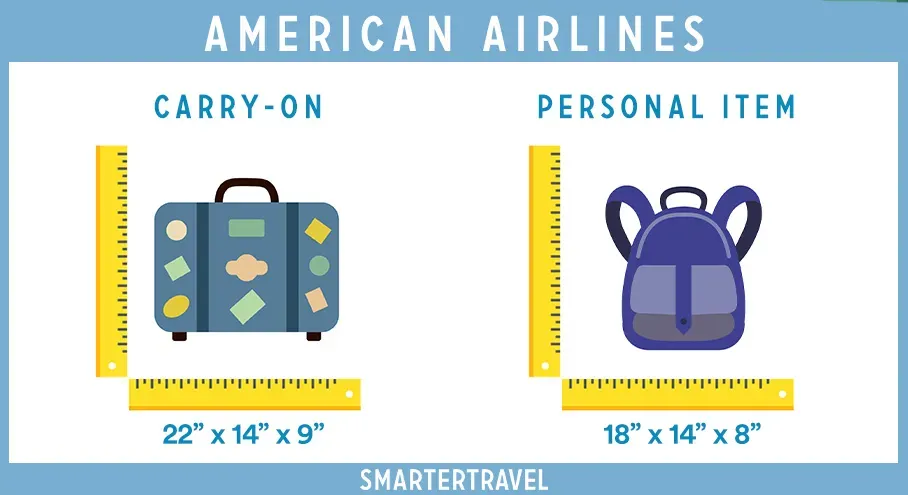
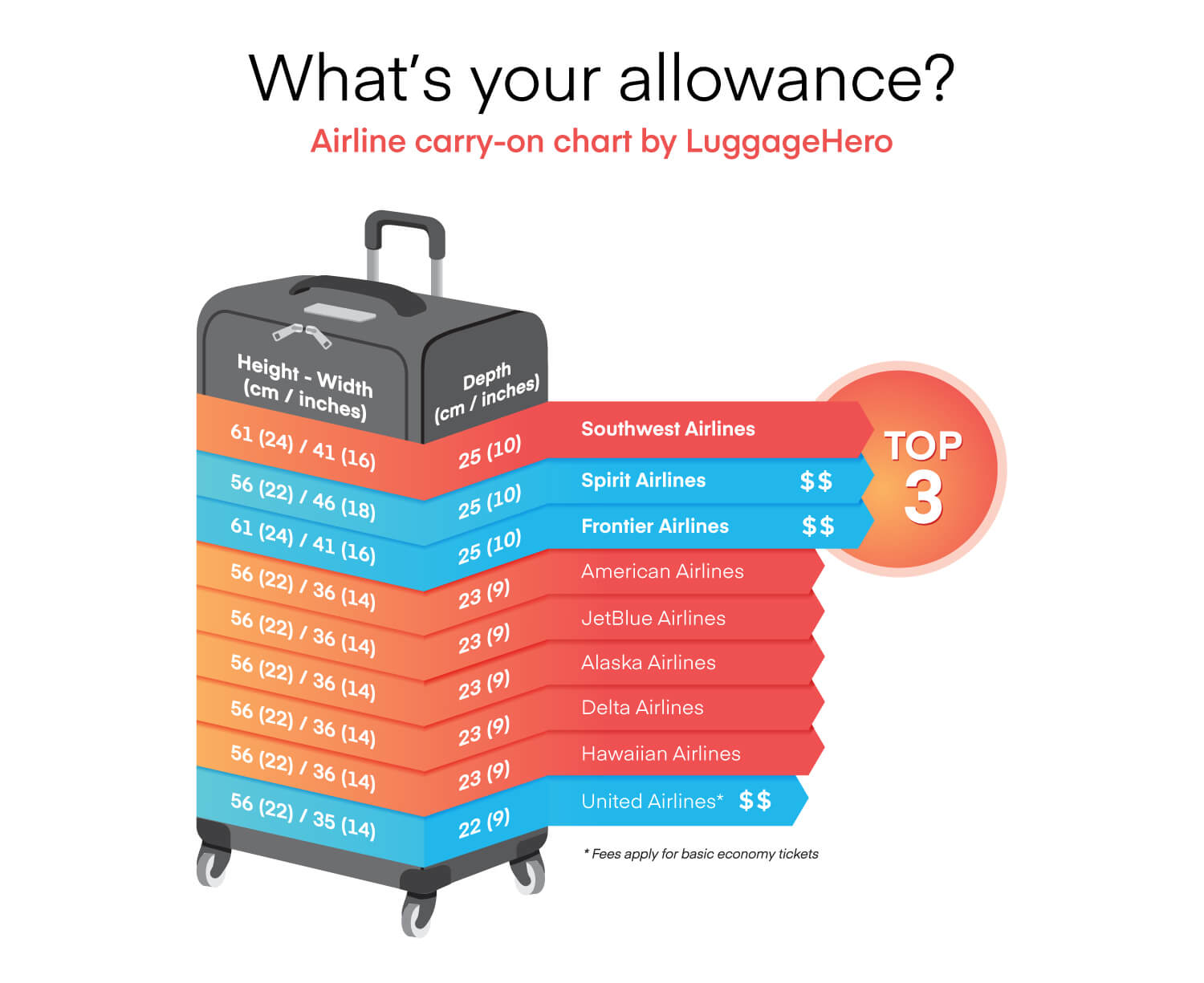
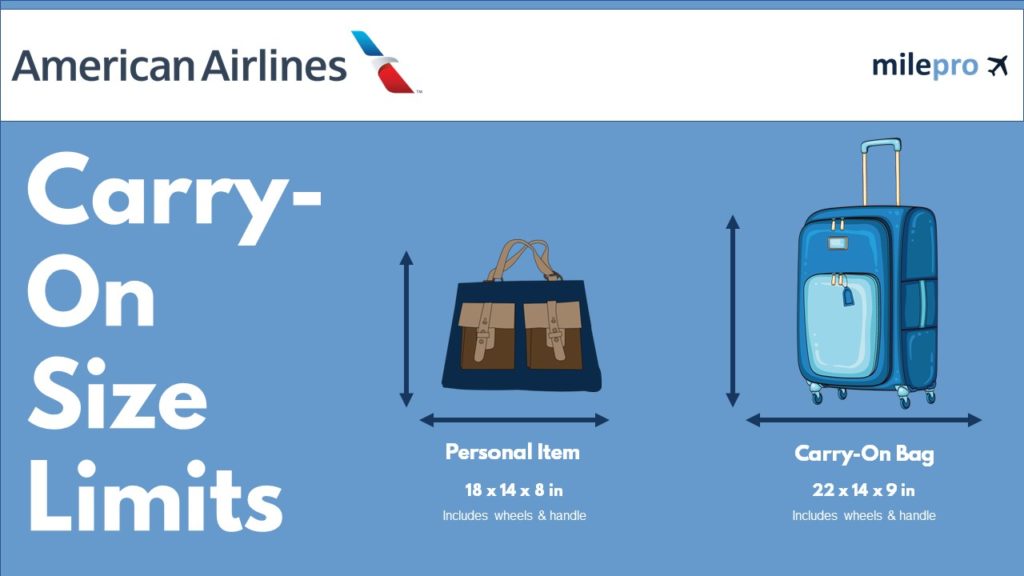
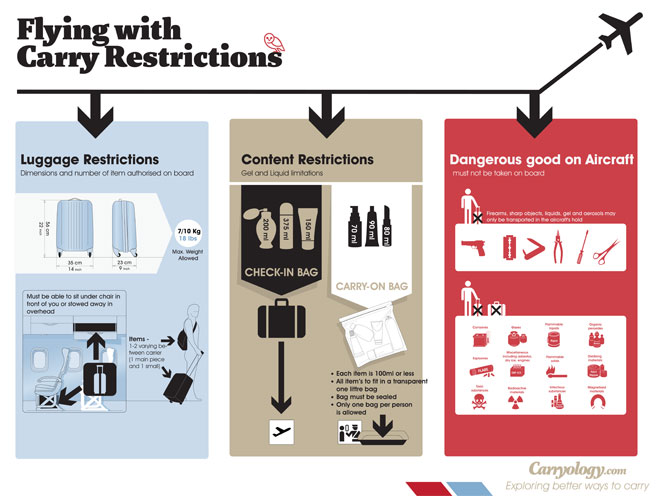
When it comes to carry-on luggage, the rules can be complex and varied, depending on the airline, route, and even time of year. Airlines have their own set of guidelines, which often include restrictions on size, weight, and content. For example, most airlines have a maximum size limit for carry-on bags, usually around 22 inches tall, 14 inches wide, and 9 inches deep. But, some airlines, like spirit airlines, have more restrictive policies, with a maximum size limit of 18 inches tall, 14 inches wide, and 8 inches deep. Additionally, items like liquids, gels, and aerosols are subject to TSA regulations, which dictate that they must be in containers of 3.4 ounces or less and fit in a clear, quart-sized zip-top bag.
Must Read
Beyond the practicalities of size and content, there's also a psychological aspect to carry-on luggage. The way we pack our bags can say a lot about our personality, with some people opting for a meticulous and organized approach, while others prefer a more relaxed and spontaneous attitude. For example, over-packers may be seen as anxious or controlling, while under-packers may be viewed as careless or lazy. Furthermore, cultural factors also come into play, with different cultures having their own unique approach to packing and traveling. For instance, in some Asian cultures, it's customary to bring gifts for the flight attendants, which can add an extra layer of complexity to the packing process.
As we delve deeper into the world of carry-on luggage, it's also important to consider the impact of technology on our travel habits. With the rise of smart luggage and travel apps, it's easier than ever to track our bags, check-in online, and even monitor our luggage's weight and size. But, this increased connectivity also raises concerns about data privacy and security, as our personal information and travel plans become more accessible to airlines, airports, and even hackers. As we navigate this complex landscape, it's crucial to stay informed and up-to-date on the latest developments and regulations surrounding carry-on luggage.
Practical Applications
So, how can we apply this knowledge to our daily lives and make the most of our carry-on luggage? First and foremost, it's essential to research the airline's specific rules and regulations before packing our bags. This can save us time and hassle at check-in and ensure a smooth boarding process. Additionally, packing smart can make all the difference, with techniques like rolling clothing and using packing cubes to maximize space and minimize wrinkles. By taking the time to plan and prepare, we can reduce stress and anxiety, and focus on enjoying our travels.
Another crucial aspect of carry-on luggage is security. With the rise of luggage theft and loss, it's more important than ever to take precautions to protect our belongings. This can include using TSA-approved locks, keeping valuables in a safe and secure place, and even investing in luggage tracking devices. By taking these steps, we can minimize the risk of loss or theft and ensure a worry-free travel experience. Furthermore, being mindful of our surroundings can also help us avoid potential security risks, such as keeping an eye on our bags at all times and being cautious of suspicious activity.

In addition to these practical tips, it's also important to consider the environmental impact of our travel habits. With the rise of sustainable tourism, it's becoming increasingly important to reduce our carbon footprint and make eco-friendly choices. This can include using reusable luggage tags, opting for biodegradable packing materials, and even choosing airlines with a strong commitment to sustainability. By making these small changes, we can contribute to a more environmentally-friendly travel industry and reduce our impact on the planet.
Finally, case studies can provide valuable insights into the world of carry-on luggage. For example, a study by Skyscanner found that the average passenger packs 3.5 days' worth of clothing for a 7-day trip, highlighting the need for more efficient packing strategies. Similarly, a survey by Travel + Leisure revealed that 75% of travelers consider the weight and size of their luggage when packing, demonstrating the importance of practical considerations in our travel plans. By examining these real-world examples, we can gain a deeper understanding of the complexities surrounding carry-on luggage and make more informed decisions about our own travel habits.
Frequently Asked Questions
What are the general rules for carry-on luggage size and weight?
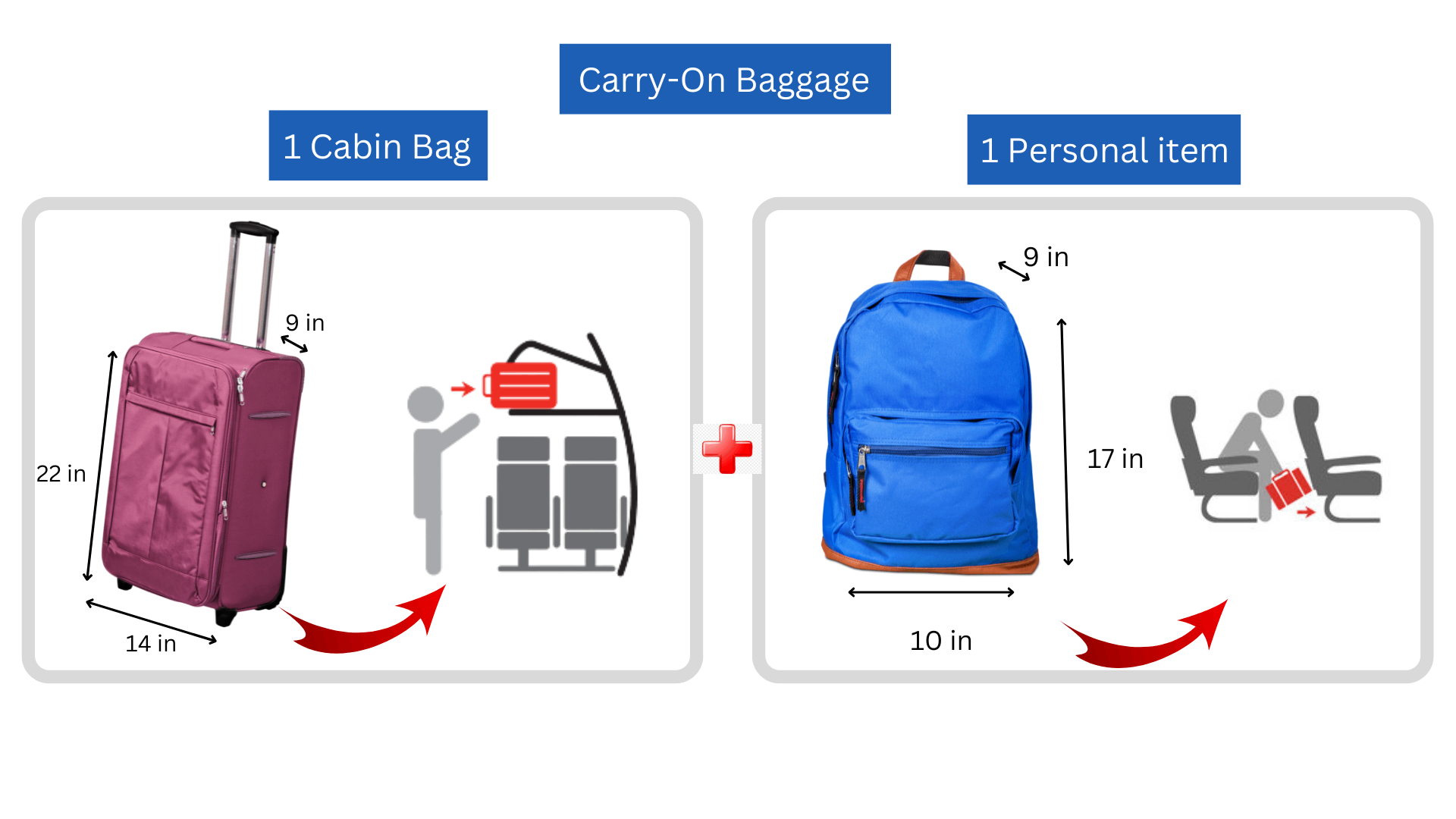
The general rules for carry-on luggage size and weight vary depending on the airline, but most have a maximum size limit of 22 inches tall, 14 inches wide, and 9 inches deep. The weight limit is usually around 40 pounds, but this can also vary. It's essential to check with the airline before packing to ensure compliance with their specific rules. Additionally, some airlines have different rules for different types of flights, such as domestic or international routes, so it's crucial to research these regulations before traveling.
For example, Delta Airlines has a maximum size limit of 22 inches tall, 14 inches wide, and 9 inches deep, while American Airlines has a slightly smaller limit of 22 inches tall, 13 inches wide, and 9 inches deep. Furthermore, some airlines offer premium services that allow for larger or heavier carry-on bags, so it's worth exploring these options if you need more space or flexibility. By understanding these nuances, we can make more informed decisions about our luggage and avoid potential issues during check-in or boarding.
How do I pack liquids, gels, and aerosols in my carry-on luggage?
Packing liquids, gels, and aerosols in your carry-on luggage requires careful attention to TSA regulations. These items must be in containers of 3.4 ounces or less and fit in a clear, quart-sized zip-top bag. It's also essential to declare these items at security checkpoints and be prepared to remove them from your bag for screening. Additionally, some items are exempt from these regulations, such as medications, baby formula, and breast milk, but it's crucial to check with the TSA before traveling to ensure compliance.
For instance, contact lens solution and eye mask are considered medical items and are exempt from the 3.4-ounce limit, but must still be declared and screened separately. Furthermore, some airlines have their own rules for packing liquids, gels, and aerosols, so it's vital to research these regulations before packing to avoid any issues during the flight. By understanding these guidelines, we can pack our carry-on luggage with confidence and avoid any potential problems during security screening.
Can I bring food and drinks in my carry-on luggage?
Yes, you can bring food and drinks in your carry-on luggage, but there are some restrictions. Solid foods like sandwiches, fruits, and granola bars are usually allowed, but liquids and gels like soups, juices, and yogurt must comply with TSA regulations. It's also essential to check with the airline for any specific rules or restrictions on food and drinks. Additionally, some items may be prohibited due to customs regulations or airport security rules, so it's crucial to research these regulations before traveling to avoid any issues.
For example, fresh fruits and vegetables may be restricted in certain countries or airports, while meat and dairy products may be subject to customs regulations. Furthermore, some airlines offer meal pre-order services that allow you to purchase food and drinks before the flight, which can be a convenient option for passengers with specific dietary needs or preferences. By understanding these regulations, we can enjoy our favorite snacks and drinks during the flight while staying compliant with airline and airport rules.

How do I protect my carry-on luggage from theft or loss?
Protecting your carry-on luggage from theft or loss requires a combination of common sense and security measures. First, always keep an eye on your bag and be mindful of your surroundings, especially in crowded areas like airports and train stations. Consider using TSA-approved locks or luggage tracking devices to add an extra layer of security. Additionally, make sure to label your bag with your contact information and consider using a luggage tag with a GPS tracker.
For instance, Tile and TrackR are popular options for luggage tracking devices, which can help you locate your bag if it's lost or stolen. Furthermore, some airlines offer luggage tracking services that allow you to monitor the location of your bag in real-time, providing an added layer of security and peace of mind. By taking these precautions, we can minimize the risk of loss or theft and ensure a worry-free travel experience.
What are the consequences of not following airline rules for carry-on luggage?
The consequences of not following airline rules for carry-on luggage can range from delayed boarding to denied boarding, and even additional fees or penalties. If your carry-on bag exceeds the size or weight limit, you may be required to gate-check it, which can add to your overall travel time and stress levels. In extreme cases, non-compliance with airline rules can even lead to law enforcement involvement, especially if you're found to be carrying prohibited items like firearms or explosives.
For example, United Airlines charges a fee of $25 for gate-checking a bag, while American Airlines charges a fee of $30. Furthermore, some airlines have strict rules for carry-on luggage, and non-compliance can result in denied boarding or even ban from future flights. By understanding these consequences, we can take the necessary steps to comply with airline rules and avoid any potential issues during our travels.
Can I use a smart luggage tag to track my carry-on bag?
Yes, you can use a smart luggage tag to track your carry-on bag, but it's essential to check with the airline for any specific rules or restrictions. Some airlines may have restrictions on the use of electronic devices like smart luggage tags, while others may require special approval before using these devices. Additionally, some smart luggage tags may not be compatible with all airlines or airports, so it's crucial to research these regulations before traveling to avoid any issues.
For instance, Delta Airlines allows the use of smart luggage tags, but requires passengers to declare the device at check-in and obtain approval from the airline before using it. Furthermore, some smart luggage tags come with additional features like GPS tracking and real-time updates, which can provide an added layer of security and peace of mind for passengers. By understanding these regulations, we can use smart luggage tags to track our carry-on bags and stay connected with our luggage throughout our journey.
As we reflect on the world of carry-on luggage, it's clear that there's more to it than just packing a few essentials and heading to the airport. Our luggage says a lot about us, from our personal style to our cultural background. By understanding the rules and regulations surrounding carry-on luggage, we can make informed decisions about our travel habits and reduce stress and anxiety during our journeys. Whether we're seasoned travelers or just starting to explore the world, our carry-on luggage is an integral part of our travel experience, and by embracing its complexities, we can make the most of our adventures and create lasting memories.
The connection between carry-on luggage and human nature is complex and multifaceted. On one hand, our luggage can be a reflection of our personality, with some people opting for stylish and designer bags, while others prefer more practical and functional options. On the other hand, our luggage can also be a source of anxiety and stress, especially when dealing with strict airline rules and regulations. By acknowledging these complexities, we can approach our travel plans with a more nuanced understanding of the role that carry-on luggage plays in our lives, and make more informed decisions about our travel habits.
Ultimately, the world of carry-on luggage is a microcosm of our larger travel experiences. It's a space where practicality meets personality, and where regulations meet reality. By embracing the complexities of carry-on luggage, we can gain a deeper understanding of ourselves and our place in the world, and make the most of our travels, whether we're headed to a nearby city or a distant continent. Whether we're over-packers or under-packers, our carry-on luggage is an integral part of our journey, and by embracing its quirks and complexities, we can create a more enjoyable, stress-free, and memorable travel experience.