Which University Is Best For Nursing

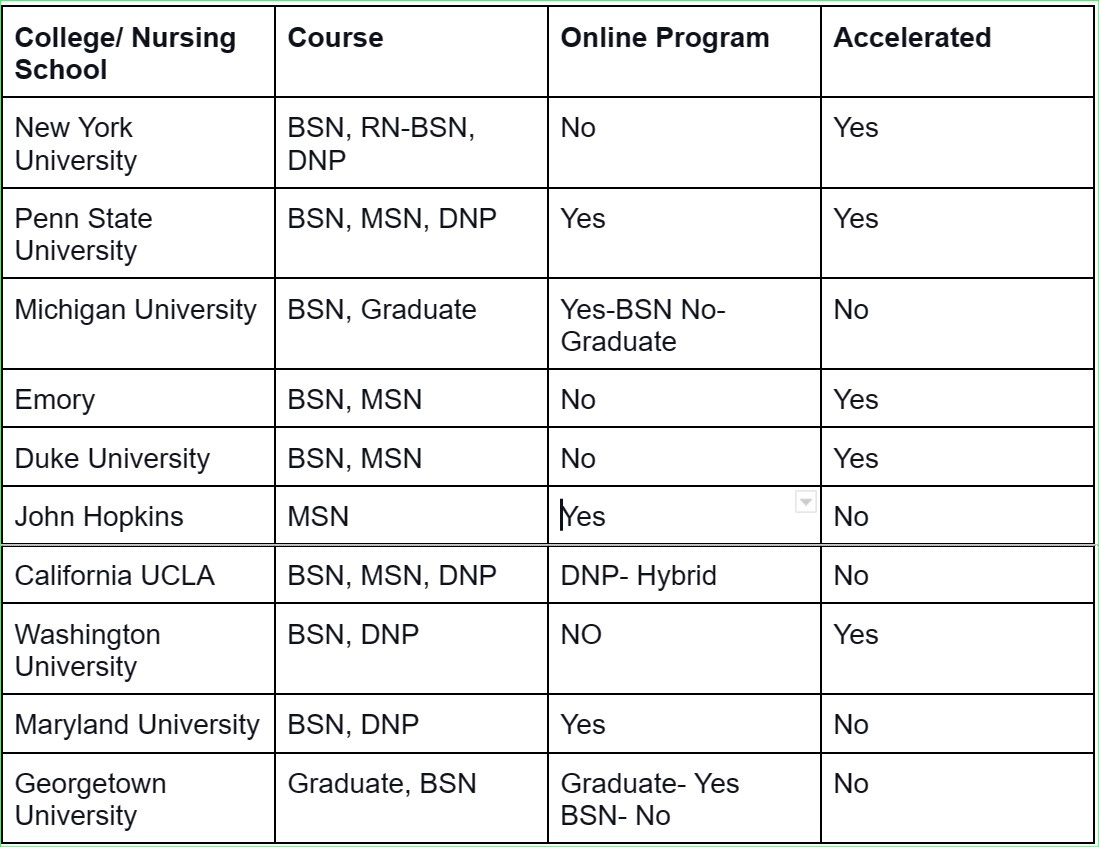
Okay, let’s be real for a second. You want to know which university is “best” for nursing, but that’s like asking which coffee is best—it depends on whether you want a triple-shot espresso or a cozy decaf with oat milk. Deep breaths. Here’s the tea: there is no single “best” school, but there is a best fit for you. And I’m here to help you find it without losing your mind (or your savings).
First, the elephant in the room: Rankings are overrated
You’ve seen the lists. “Top 10 Nursing Schools in the Galaxy!” They’re fun to scroll through, sure. But they usually measure research output, not whether you’ll survive clinicals without crying in the supply closet. A fancy ranking won’t hold your hand when you’re inserting your first IV. Ignore the hype. Focus on what actually matters for your future.
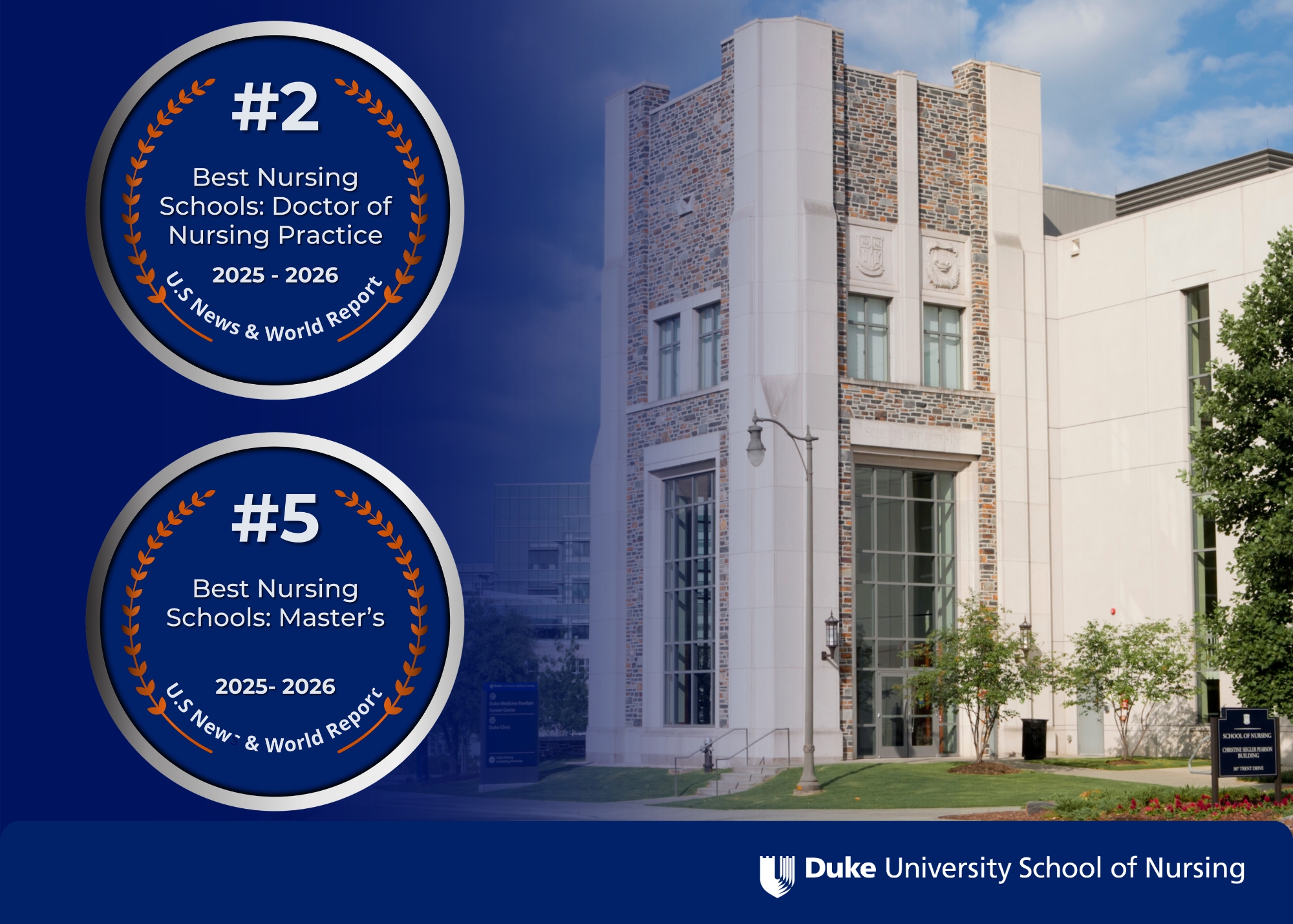
That said, a few big names do carry weight for your first job. Johns Hopkins, Duke, and Penn are the Beyoncé-level of nursing—huge, talented, and competitive. But guess what? They’re also expensive and often insanely stressful. You might get a stellar education, but you’ll also get a side of burnout. Is that worth it? Only you can answer that, but let’s look at the alternatives.
Must Read
What to actually look for (your new checklist)
Here’s the secret sauce, the stuff they don’t tell you in the glossy brochures. Pass rates on the NCLEX (that’s your licensing exam) are the real MVP. If a school has a pass rate above 90%, you’re golden. If it’s below that, run. Not walk—run.
Next up: clinical placement. Are you going to be stuck in one hospital for two years, or do you get to rotate through trauma units, pediatrics, and community clinics? Variety is the spice of nursing life, folks. Also, look at the faculty-to-student ratio. If your professors don’t even know your name by midterms, that’s a red flag the size of Texas.
And oh, please—check the simulation labs. You want mannequins that can bleed, sweat, and code (that’s medical-speak for “pretend to die”). If their sim lab looks like a closet with a plastic skeleton, you’re going to be underprepared. You deserve a high-tech playground for your future skills.
The “best” for your wallet (because rent exists)
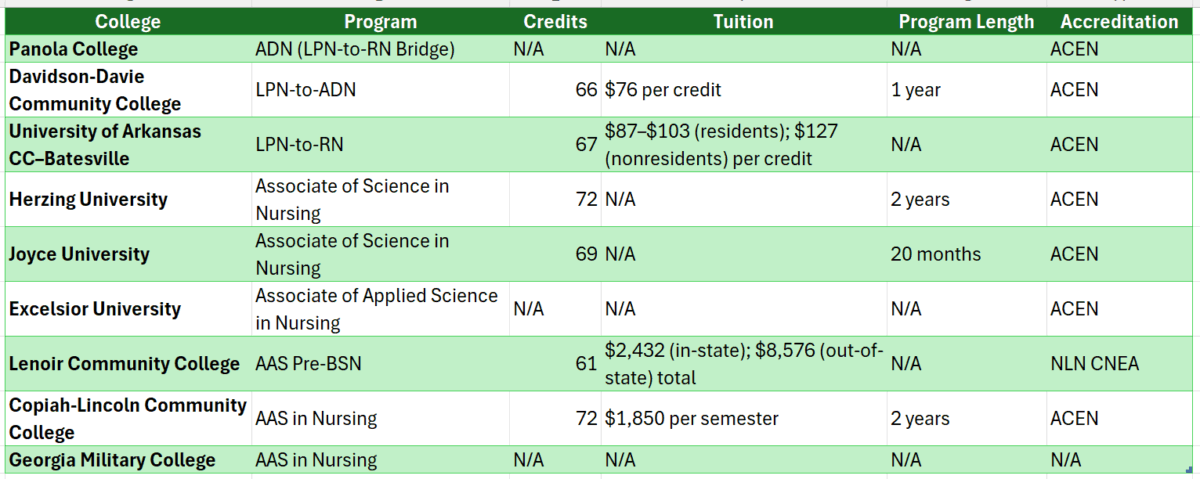
Let’s talk money, honey. A $60,000 private school diploma might feel prestigious, but it also comes with $800 monthly loan payments. Meanwhile, your local community college or state university might charge a fraction of that—and still prepare you brilliantly. Debt is a silent killer of nursing joy. Starting your career with six figures of student loans is not a flex; it’s a trap.
Here’s a wild idea: look for BSN completion programs or ADN-to-BSN bridges. You can start at a cheaper school, get your license, then have your employer pay for the rest. Hospitals desperately want BSN nurses, and many will shell out tuition money for you. Boom—you just played yourself into a free degree. That’s the real “best” school.
Small vs. big: The personality test
Are you a big-fish-in-a-small-pond person, or do you thrive in chaos? A huge university gives you endless resources, but you’re also a number in a sea of scrubs. A smaller program means you’ll get personal mentorship, but maybe fewer research opportunities. Neither is wrong. It’s about your vibe. Do you want to text your professor for help on a Sunday? Small school. Do you want to rub elbows with famous researchers? Big school.
Also, consider the city vs. rural thing. Urban schools have cool rotations in trauma centers and high-acuity units. Rural schools often give you more hands-on responsibility early because there’s less staff. Honestly, the rural route can make you a fearless generalist, while the urban route makes you a sharp specialist. Both are good. Pick your poison (or your paella, whatever).

The hidden gem: Accreditation is non-negotiable
You could be at the prettiest campus with a Starbucks inside the library, but if the program isn’t accredited by the CCNE or ACEN, you’re in for a world of hurt. Why? Because you can’t sit for the NCLEX without it, and employers won’t accept your degree. Check the credentials first. Then, and only then, can you obsess over dorm quality.
Seriously, I once knew a girl who picked a school purely because of the yoga studio. She was not laughing when she couldn’t get licensed. Don’t be that girl. Be boring. Be basic. Check the accreditation box, and thank me later.
So, what’s the final verdict?
Here’s my honest, over-caffeinated take: The “best” nursing school is the one that you can afford, that passes the NCLEX, and that doesn’t make you cry every week. It’s the one with faculty who answer emails, peers who share notes, and a simulation lab that doesn’t look like a garage sale. It’s the school that treats you like a future professional, not just a tuition check.
You won’t find that on a U.S. News list. You’ll find it by visiting campuses, talking to current students, and asking blunt questions. “Do you feel prepared?” is the best question. If the students hesitate, run. If they say “hell yes, but I’m also tired,” you’ve found your place.
Now go forth, future Florence Nightingale. Grab a coffee, make a spreadsheet, and remember—the best school is the one that gets you to your first bedside shift with your sanity intact. You’ve got this. And if you don’t, just pick the one with the best cafeteria. That’s a legit strategy too.