How Long Does It Take Be A Nurse
So, You Want to Be a Nurse? Let’s Talk Timing.
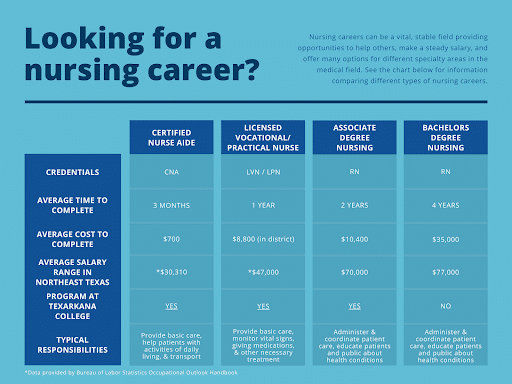
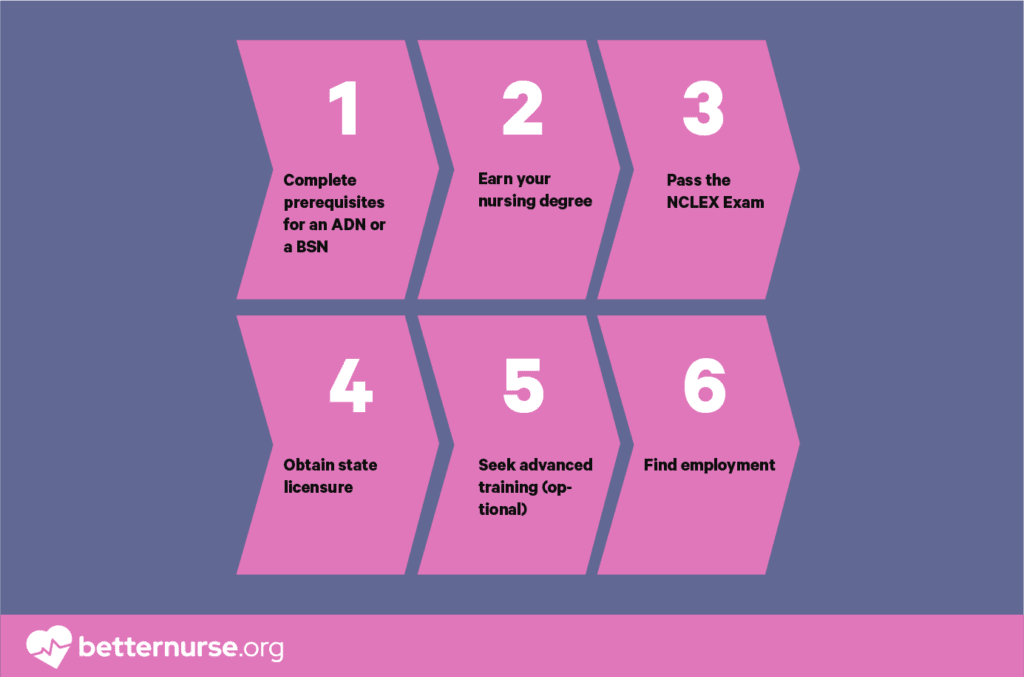
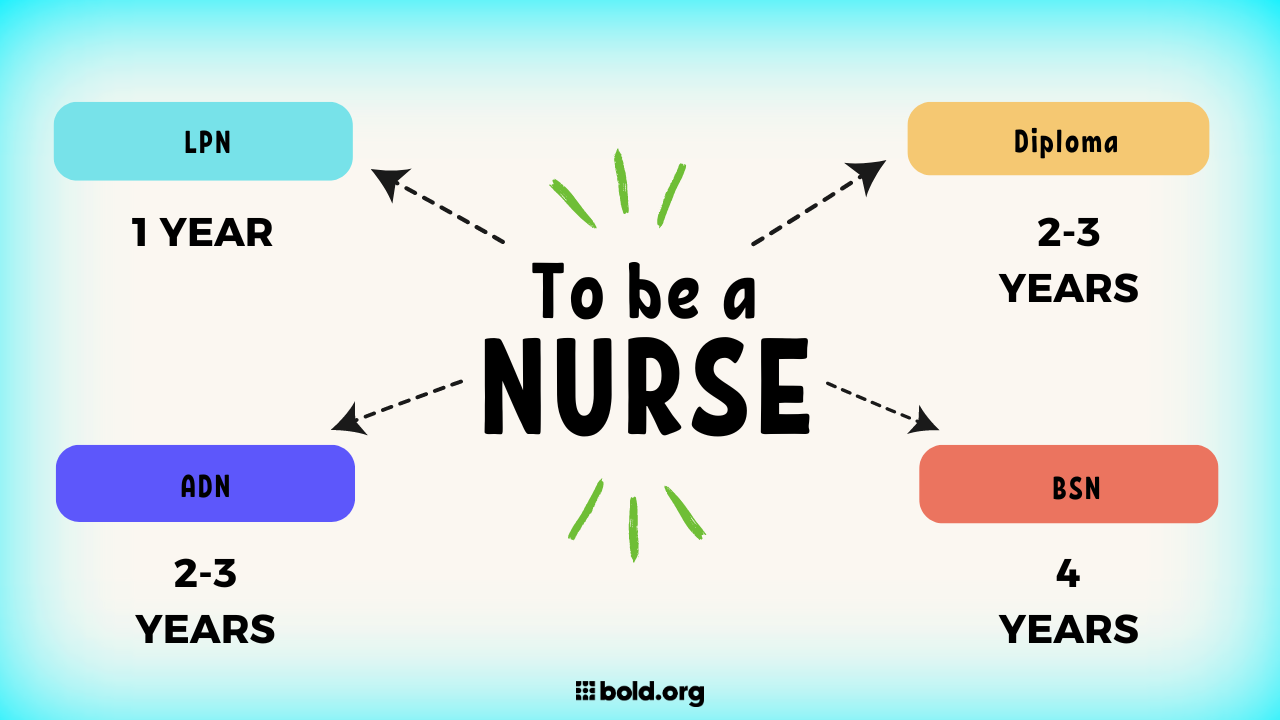
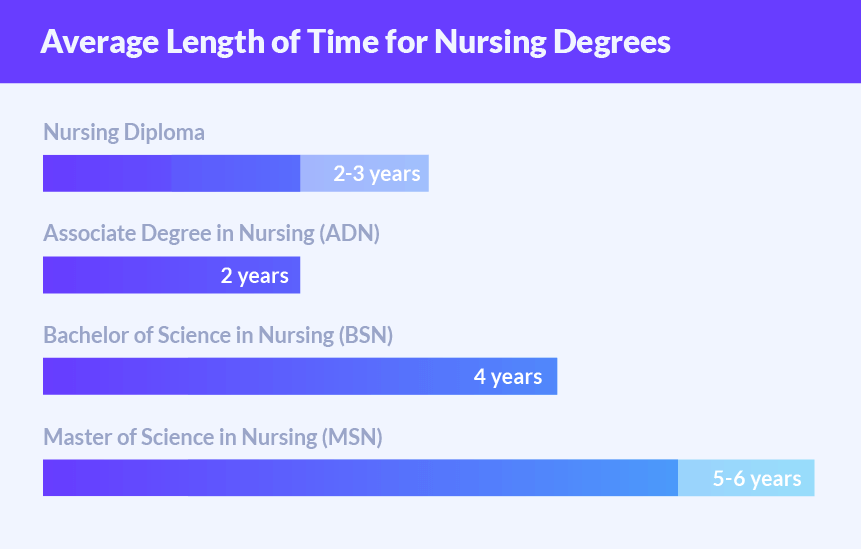
First, take a deep breath. The short answer is: it takes anywhere from 18 months to 4 years to become a registered nurse, depending on the path you pick. That’s a big range, right? But here’s the secret—it’s not just about the finish line.
The journey is full of weird schedules, coffee-fueled study sessions, and moments where you successfully start an IV on a plastic arm and feel like a superhero. Honestly, that plastic arm is the easiest patient you’ll ever have—it never complains about the cold gel.
The Fast Lane: A Two-Year Sprint
If you’re itching to get into scrubs ASAP, an Associate Degree in Nursing (ADN) is your ticket. This usually takes about two years of full-time study after you finish basic prerequisites, which can take another year or so.
Must Read
So, realistically, you’re looking at three years from zero to “Hello, I’m your nurse.” That’s not bad for a career that lets you save lives and tell stories about the time a patient’s pet parrot stole your pen.
The fastest route is a practical nursing (LPN) program, which can be done in about 12 to 18 months. But that’s a different hat—you’re the right hand of the RN, not the main captain.
The Scenic Route: The Bachelor’s Degree
Now, the Bachelor of Science in Nursing (BSN) is the gold standard for many hospitals. It takes four years of full-time college, and yes, you’ll take classes like “Nursing Research” that make you question your life choices.

But here’s the kicker: many employers pay more for that piece of paper, and some even help you get it later. The four years fly by faster than you think, especially when you’re learning to catheterize a mannequin that looks eerily like your high school math teacher.
The “Oops, I Already Have a Degree” Route
Did you major in art history and now realize you love the smell of antiseptic? Welcome to the Accelerated BSN (ABSN) program. This intense track squeezes all your nursing education into 12 to 18 months, but only if you already have a bachelor’s degree in anything else.

It’s called “accelerated” for a reason—you’ll eat, sleep, and dream about blood pressure cuffs. But the payoff is massive: you jump from “I know nothing about the human body” to “I can spot a heart arrhythmia from across the room” in under two years.
Why This Timing Is Actually Fun
Here’s what no one tells you: the process is the entertainment. You’ll bond with classmates over failed IV attempts and shared panic before finals. You’ll have clinical rotations where a tiny elderly woman calls you “sweetie” and gives you life advice while you check her vitals.
The clock starts ticking the moment you enroll, but every single day is a mini-drama. One minute you’re learning to calculate drug dosages (math, ugh), the next you’re practicing how to calmly talk to a giant, imaginary bear of a patient who is “very upset.”
But Wait, There’s More!
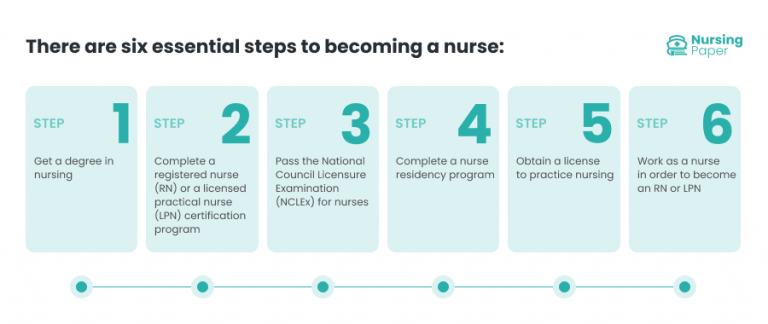
After you get your RN license, you’re not done. Most new grads enter a “residency” program for their first year—that’s on-the-job training, and yes, you get paid for it. So the real answer to “how long?” is: about 2 to 4 years to start, but a lifetime to master.
That sounds scary, but it’s actually the best news. You’ll never be bored. Every week brings a new challenge, a new weird symptom, or a new patient who asks if you’re old enough to be their nurse (you are, promise).
Your Move
So, stop stressing about the calendar. Pick a path that matches your life—fast, slow, or middle. The finish line is just the beginning of the most unpredictable, rewarding, and genuinely hilarious career you could choose.
And hey, if you decide it’s not for you after a year, you’ll still have killer storytelling material for every party. You can’t lose.
![How long does it take to Become a Nurse? [2025] » Aimpur](https://i0.wp.com/aimpur.com/wp-content/uploads/2021/12/How-long-does-it-take-to-Become-a-Nurse-Aimpur.jpg)