Which Is Better Photoshop Or Illustrator
The world of digital graphics has come a long way since the early days of 1980s, when the first versions of Adobe Photoshop and Illustrator were introduced. These two software giants have been the backbone of the graphic design industry, shaping the way we create, edit, and manipulate visual content. As we take a trip down memory lane, it's fascinating to see how these programs have evolved over the years, adapting to the changing needs of designers, artists, and photographers. The initial human necessity behind these tools was to provide a platform for creative expression, and boy, have they delivered!
In the early days, Photoshop was primarily used for editing and manipulating photographs, while Illustrator was focused on creating vector graphics. The first version of Photoshop, released in 1990, was a humble beginning, with a limited set of features and a steep learning curve. However, the 1994 release of Photoshop 3.0 marked a significant turning point, introducing layers, filters, and other features that we now take for granted. Similarly, Illustrator's first version, released in 1987, was initially met with skepticism, but its subsequent updates and innovations have made it an indispensable tool for graphic designers.
As we fast-forward to the 2000s, we see a significant shift in the way these software programs were used. The rise of the internet and digital media created a huge demand for graphic designers, and Photoshop and Illustrator became the go-to tools for creating web graphics, logos, and other visual elements. The introduction of Creative Suite in 2003 further solidified Adobe's position in the market, offering a bundled package of their most popular software, including Photoshop, Illustrator, and InDesign. This move not only made the software more accessible but also created a sense of community among designers, who could now share and collaborate on projects with ease.
Must Read
The Evolution of Graphic Design
The 1980s and 1990s were marked by a series of major transformations in the graphic design industry. The introduction of the desktop computer and the advent of digital graphics software revolutionized the way designers worked. No longer were they limited to traditional methods of design, such as hand-drawing and typesetting. With the rise of Photoshop and Illustrator, designers could now create complex, high-quality graphics with ease. However, this also led to a period of experimentation, with designers pushing the boundaries of what was possible with these new tools.
One of the most significant forgotten vintage facts is the role of Aldus FreeHand in the development of Illustrator. Released in 1988, FreeHand was a vector graphics editor that competed directly with Illustrator. Although it's now largely forgotten, FreeHand played a crucial role in shaping the direction of Illustrator, with many of its features and innovations being incorporated into Adobe's software. Another bizarre fact is the initial reaction to Photoshop, which was met with skepticism by many in the industry. Some saw it as a gimmick, a tool that would never replace traditional darkroom techniques.

The 2000s saw the rise of digital photography, which had a profound impact on the development of Photoshop. The introduction of the digital camera and the subsequent improvements in image quality led to a surge in demand for photo editing software. Photoshop, with its powerful features and intuitive interface, became the go-to tool for photographers and designers alike. Similarly, Illustrator saw significant updates, including the introduction of Live Paint and Live Color, which allowed designers to create complex, expressive graphics with ease.
As we look back, it's clear that the evolution of Photoshop and Illustrator has been marked by a series of innovations, each building upon the last. From the introduction of layers in Photoshop 3.0 to the development of vector graphics in Illustrator, each update has expanded the possibilities of graphic design. The 2010s saw the rise of cloud-based services, with Adobe introducing its Creative Cloud subscription model. This move marked a significant shift in the way designers accessed and used software, with many embracing the flexibility and convenience of cloud-based tools.
Modernizing Classic Principles
Today, we're seeing a new wave of innovation in graphic design, as classic principles are being hacked and modernized for the fast-paced world of digital media. The rise of artificial intelligence and machine learning is transforming the way designers work, with tools like Adobe Sensei offering automated features and suggestions. Additionally, the increased focus on user experience is leading to a more human-centered approach to design, with designers prioritizing simplicity, clarity, and accessibility.
The intersection of graphic design and technology is also leading to new and exciting possibilities. The development of virtual reality and augmented reality is creating new opportunities for designers to create immersive, interactive experiences. Similarly, the rise of social media is driving the demand for high-quality, engaging visual content, with designers using Photoshop and Illustrator to create stunning graphics and animations. As we look to the future, it's clear that the classic principles of graphic design will continue to evolve, incorporating new technologies and innovations to meet the changing needs of designers and audiences alike.
Frequently Asked Questions
What is the difference between Photoshop and Illustrator?
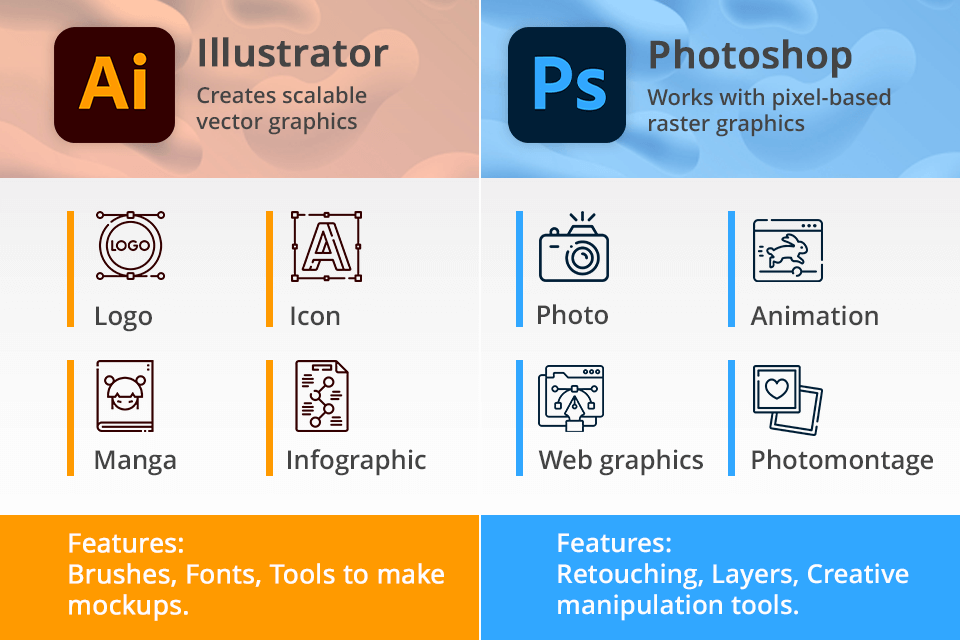
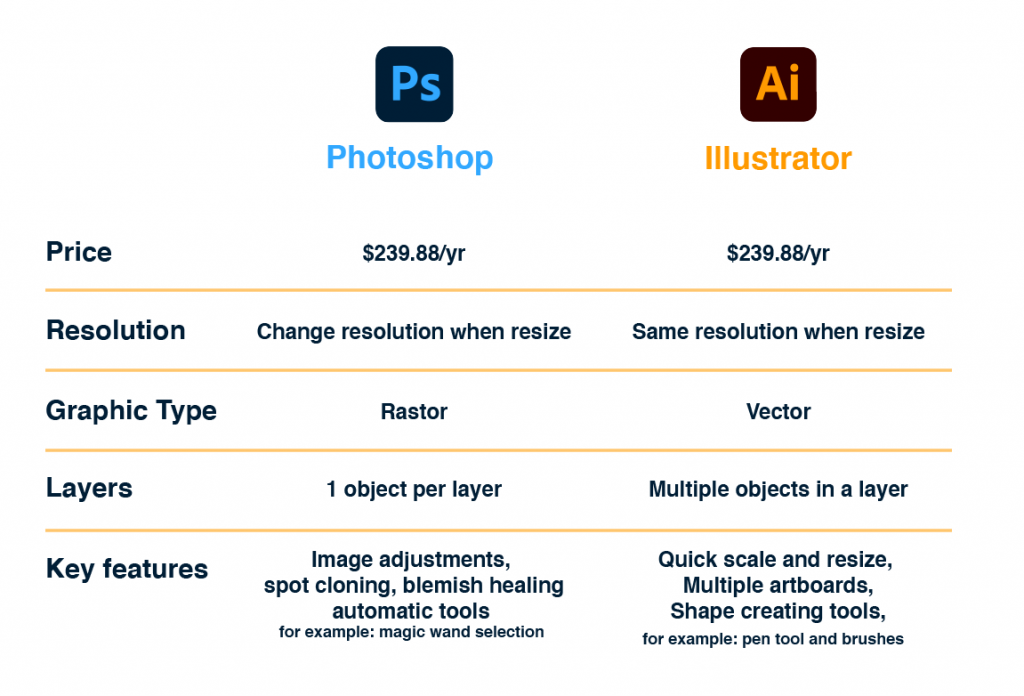
The main difference between Photoshop and Illustrator is the type of graphics they're designed to work with. Photoshop is a raster graphics editor, ideal for editing and manipulating photographs and other pixel-based images. Illustrator, on the other hand, is a vector graphics editor, perfect for creating logos, icons, and other graphics that require scalable, precise lines and curves. While Photoshop is great for editing existing images, Illustrator is better suited for creating new graphics from scratch.
In practice, this means that designers will often use Photoshop for tasks like photo retouching, color correction, and image manipulation, while Illustrator is used for creating graphics that require precision and scalability, such as logos, icons, and typography. However, the lines between these two software programs are blurring, with each update introducing new features and capabilities that overlap with the other. For example, Photoshop now offers some basic vector tools, while Illustrator includes raster image editing capabilities.
Which software is better for beginners?
For beginners, Photoshop is often considered the more accessible software, with a more intuitive interface and a wider range of tutorials and resources available. Additionally, Photoshop is generally more forgiving, allowing designers to experiment and make mistakes without compromising the integrity of the image. Illustrator, on the other hand, requires a bit more knowledge and understanding of vector graphics principles, which can be intimidating for those new to design.
However, it's worth noting that Illustrator is a powerful tool that offers a lot of creative possibilities, and with practice and patience, beginners can quickly get up to speed. Adobe also offers a range of tutorials and resources to help new users learn the basics of Illustrator, including video tutorials, online courses, and user forums. Ultimately, the choice between Photoshop and Illustrator will depend on the individual's goals and interests, as well as their prior experience with graphic design software.
What are the future prospects for graphic design?
The future of graphic design looks bright, with emerging technologies like artificial intelligence, virtual reality, and augmented reality offering new and exciting possibilities. As designers, we can expect to see more automation and machine learning features integrated into software like Photoshop and Illustrator, making it easier to create high-quality graphics and animations. Additionally, the rise of social media and digital media is driving the demand for skilled graphic designers, with companies and organizations seeking professionals who can create engaging, effective visual content.

In the next 20 years, we can expect to see significant advancements in areas like 3D modeling and animation, virtual reality, and artificial intelligence. These technologies will enable designers to create immersive, interactive experiences that blur the lines between physical and digital environments. Additionally, the increased focus on sustainability and social responsibility will lead to a greater emphasis on environmentally friendly design practices, with designers prioritizing minimalism, simplicity, and accessibility in their work.
As we look to the future, it's clear that Photoshop and Illustrator will continue to play a major role in the world of graphic design. These software programs have come a long way since their humble beginnings, and their evolution has been marked by a series of innovations and updates that have expanded the possibilities of graphic design. Whether you're a seasoned pro or just starting out, understanding the differences and similarities between Photoshop and Illustrator is essential for success in this field.
Ultimately, the choice between Photoshop and Illustrator will depend on the individual's goals and interests, as well as their prior experience with graphic design software. By understanding the strengths and weaknesses of each program, designers can make informed decisions about which tool to use for a particular project, and how to get the most out of their creative potential. As we move forward into a new era of graphic design, it's exciting to think about the possibilities that these software programs will offer, and the new and innovative ways that designers will use them to create stunning, effective visual content.