
Salary Of A Clinical Research Associate

So, you're wondering what it's like to be a Clinical Research Associate, huh? Well, let's dive into the world of medical research and explore the fascinating role of a CRA. They play a crucial part in ensuring that new medicines and treatments are safe and effective for humans.
What does a Clinical Research Associate do?
A CRA is like a project manager for medical research studies, overseeing everything from start to finish. They work with doctors, nurses, and other researchers to collect and analyze data, making sure that all the regulations and guidelines are followed. It's a pretty cool job, if you think about it - you get to be part of bringing new life-changing treatments to the market!
Salary: The Million-Dollar Question
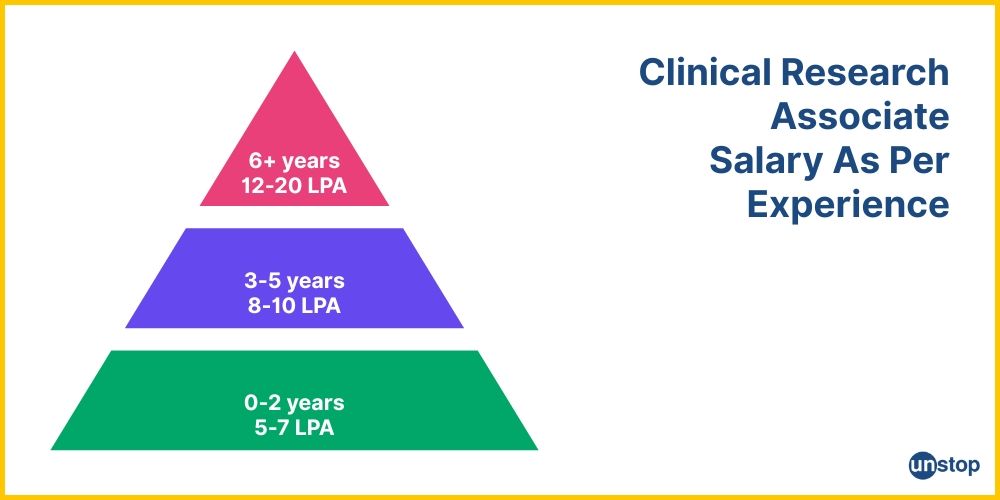
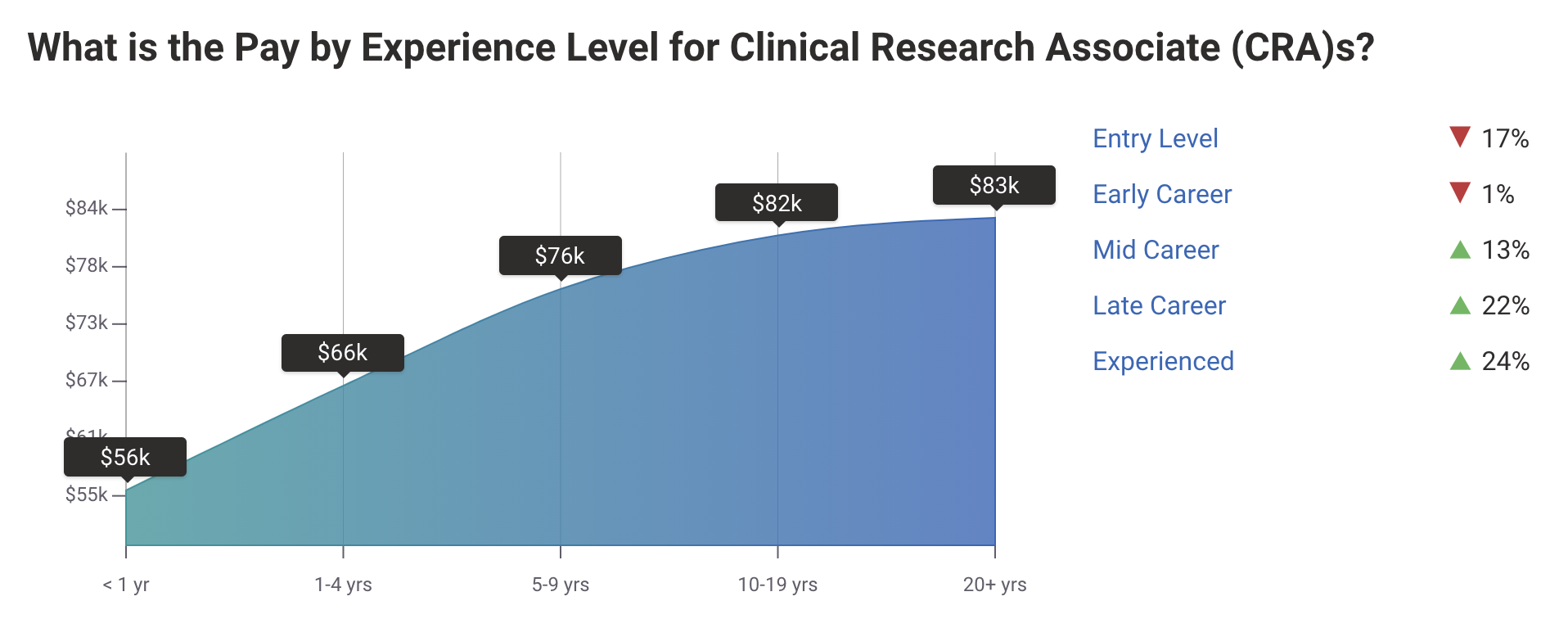
So, how much do Clinical Research Associates get paid? Well, the salary can vary depending on factors like location, experience, and industry. But, on average, a CRA can earn around $60,000 to over $100,000 per year - not bad, right?
Must Read
Let's put that into perspective: a CRA's salary is like a software engineer's salary, but instead of coding all day, they get to work on real-life medical research projects. And, just like how a journalist investigates stories, a CRA investigates data to uncover the truth about new treatments.
Why is this job so interesting?
For starters, as a CRA, you get to work on a wide range of studies, from cancer research to COVID-19 vaccine trials. You're constantly learning and expanding your knowledge in the medical field. Plus, you have the satisfaction of knowing that your work is contributing to the development of new treatments that can save lives.
And, let's not forget about the variety - as a CRA, you might work on a study one day, and then travel to a conference to present your findings the next. It's a job that's always keeping you on your toes, with new challenges and opportunities popping up all the time.
Real-Life Impact
So, what kind of real-life impact can a Clinical Research Associate have? Well, think about it - without CRAs, we wouldn't have many of the life-saving treatments we have today. They play a vital role in ensuring that new medicines are safe and effective, which is pretty cool if you ask me.

For example, imagine working on a study for a new diabetes treatment. As a CRA, you'd be part of the team that helps bring that treatment to market, which could change the lives of millions of people living with diabetes. It's a pretty amazing feeling, knowing that your work is making a real difference in people's lives.
So, there you have it - being a Clinical Research Associate is an awesome job that combines science, investigation, and real-life impact. If you're interested in medicine and research, this might just be the career path for you. And, who knows, you could be part of the team that discovers the next groundbreaking treatment!




-salary-in-sri-lanka-2026.jpg)