Which Computer Programming Language Should I Learn
The world of computer programming has undergone a remarkable transformation since its inception. As we delve into the realm of coding, it's essential to acknowledge the 1940s, when the first computer programming languages were born. The pioneers of this field, such as Alan Turing and Grace Hopper, laid the foundation for the modern programming languages we use today. Their innovative ideas and perseverance paved the way for the development of Cobol, Fortran, and Lisp, which were the primary programming languages used in the 1950s and 1960s. As the demand for software applications grew, so did the need for more efficient and user-friendly programming languages.
In the 1970s, the emergence of C and Pascal revolutionized the programming landscape. These languages introduced new concepts, such as structured programming and object-oriented programming, which enabled developers to create more complex and sophisticated software applications. The 1980s saw the rise of C++ and Java, which further expanded the possibilities of programming. As the internet and mobile devices became an integral part of our lives, the need for web development and mobile app development grew, leading to the creation of new programming languages like Python, Ruby, and Swift.
As we reflect on the 1990s and 2000s, we can see how the world of programming was shaped by the emergence of new technologies and innovations. The dot-com bubble and the subsequent web 2.0 era led to a surge in demand for web developers and programmers. The rise of open-source software and cloud computing further democratized access to programming tools and resources. Today, we have a plethora of programming languages to choose from, each with its unique strengths and weaknesses. As we navigate this complex landscape, it's essential to consider the historical context and evolution of programming languages to make informed decisions about which language to learn.
Must Read
The Evolution of Programming Languages
The history of programming languages is a rich and fascinating topic, filled with vintage facts and bizarre anecdotes. In the early days, programmers used punch cards and teletype machines to write code. The first programming languages were often specific to a particular machine or manufacturer, making it difficult to transfer code between systems. The development of high-level languages like Cobol and Fortran marked a significant milestone in the evolution of programming languages.
As the 1960s and 1970s progressed, programming languages became more sophisticated, with the introduction of object-oriented programming and structured programming. The 1980s saw the emergence of 4th generation languages, which focused on ease of use and rapid application development. The 1990s and 2000s were marked by the rise of web development and mobile app development, leading to the creation of new programming languages like JavaScript and Swift.

Despite the many advances in programming languages, some forgotten vintage facts remain. For example, the first programming language, Plankalkül, was developed in the 1940s by Konrad Zuse. The 1960s saw the emergence of LOGO, a programming language designed for children. The 1980s were marked by the rise of Prolog, a programming language based on formal logic. These vintage facts highlight the diverse and often surprising history of programming languages.
The bizarre ways programming languages were treated in previous decades are also noteworthy. In the 1960s, programmers used flowcharts to design and document their code. The 1970s saw the emergence of programming languages like APL, which used non-standard characters and symbols. The 1980s were marked by the rise of visual programming languages, which used graphical interfaces to create code. These unusual approaches to programming highlight the experimental and innovative nature of the field.
Modernizing Classic Principles
As we look to the future, it's essential to consider how classic principles of programming are being hacked or modernized for today's fast-paced world. The rise of artificial intelligence and machine learning has led to the development of new programming languages like Julia and TensorFlow. These languages are designed to take advantage of modern computing architectures and enable developers to build sophisticated AI and ML models. The growth of cloud computing and devops has also led to the emergence of new programming languages like Go and Rust, which focus on scalability, reliability, and security.
The modernization of classic programming principles is also evident in the rise of functional programming and reactive programming. These programming paradigms have been around for decades but have gained renewed interest in recent years due to their ability to simplify code and improve performance. The growth of open-source software and community-driven development has also led to the creation of new programming languages like Kotlin and Swift, which are designed to be more accessible and user-friendly.
Frequently Asked Questions
What is the best programming language to learn for beginners?
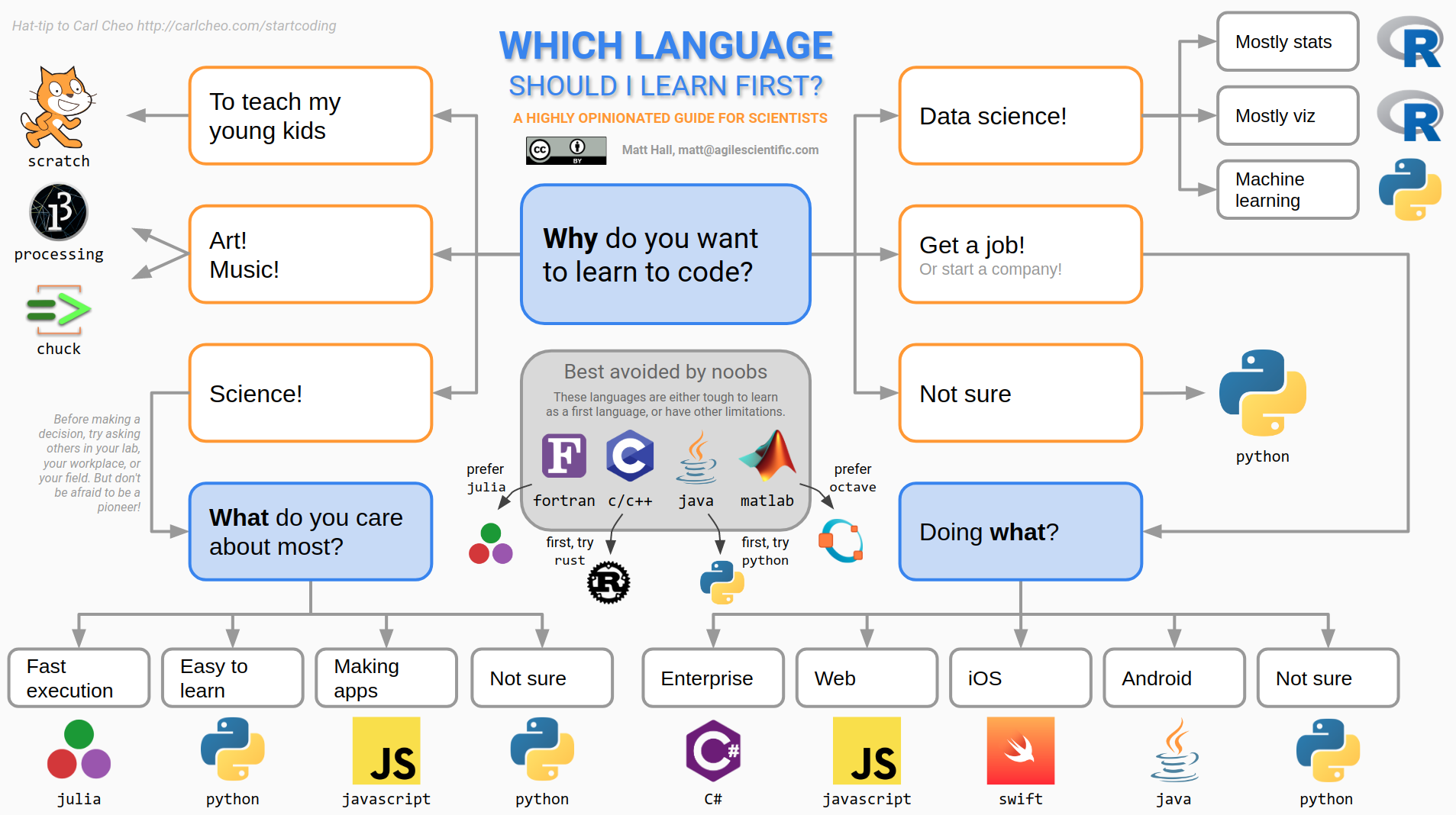
The best programming language to learn for beginners is often a topic of debate. However, Python is generally considered one of the most accessible and versatile programming languages for newcomers. Its simplicity, readability, and large community make it an ideal language to start with. Additionally, Python has a wide range of applications, from web development to data science, making it a great language to learn for those who are unsure about their career path. The history of Python is also fascinating, with its origins dating back to the 1980s and its creator, Guido van Rossum, who aimed to create a language that was easy to learn and fun to use.
As we explore the modern applications of Python, it's clear that this language has become a staple in the programming world. From data science and machine learning to web development and automated testing, Python is used in a wide range of fields. Its large community and extensive libraries make it an ideal language for beginners to learn and for experienced developers to work with. As the programming landscape continues to evolve, Python is likely to remain a popular choice for developers due to its flexibility, scalability, and ease of use.
What are the most in-demand programming languages in the industry?
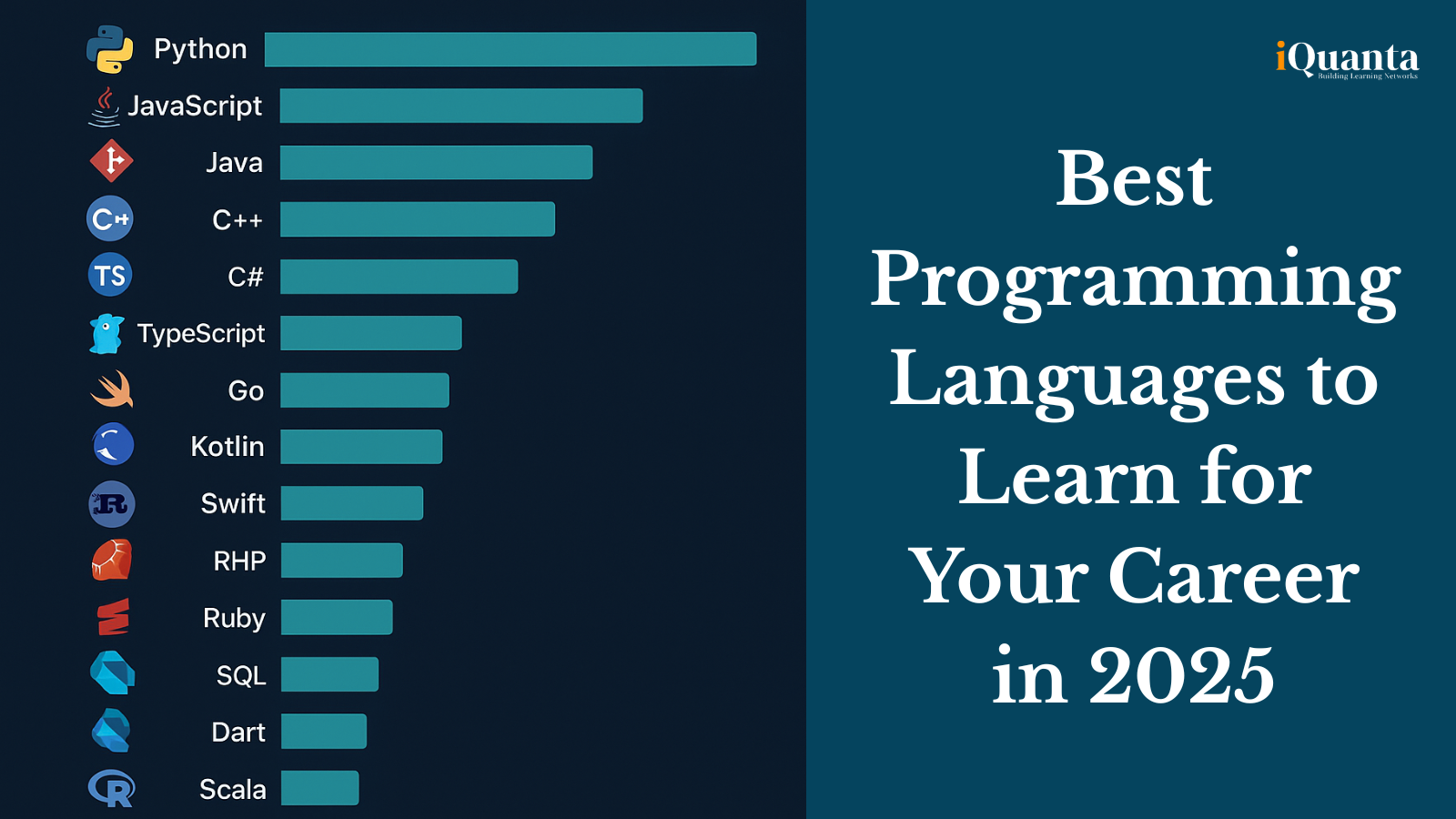
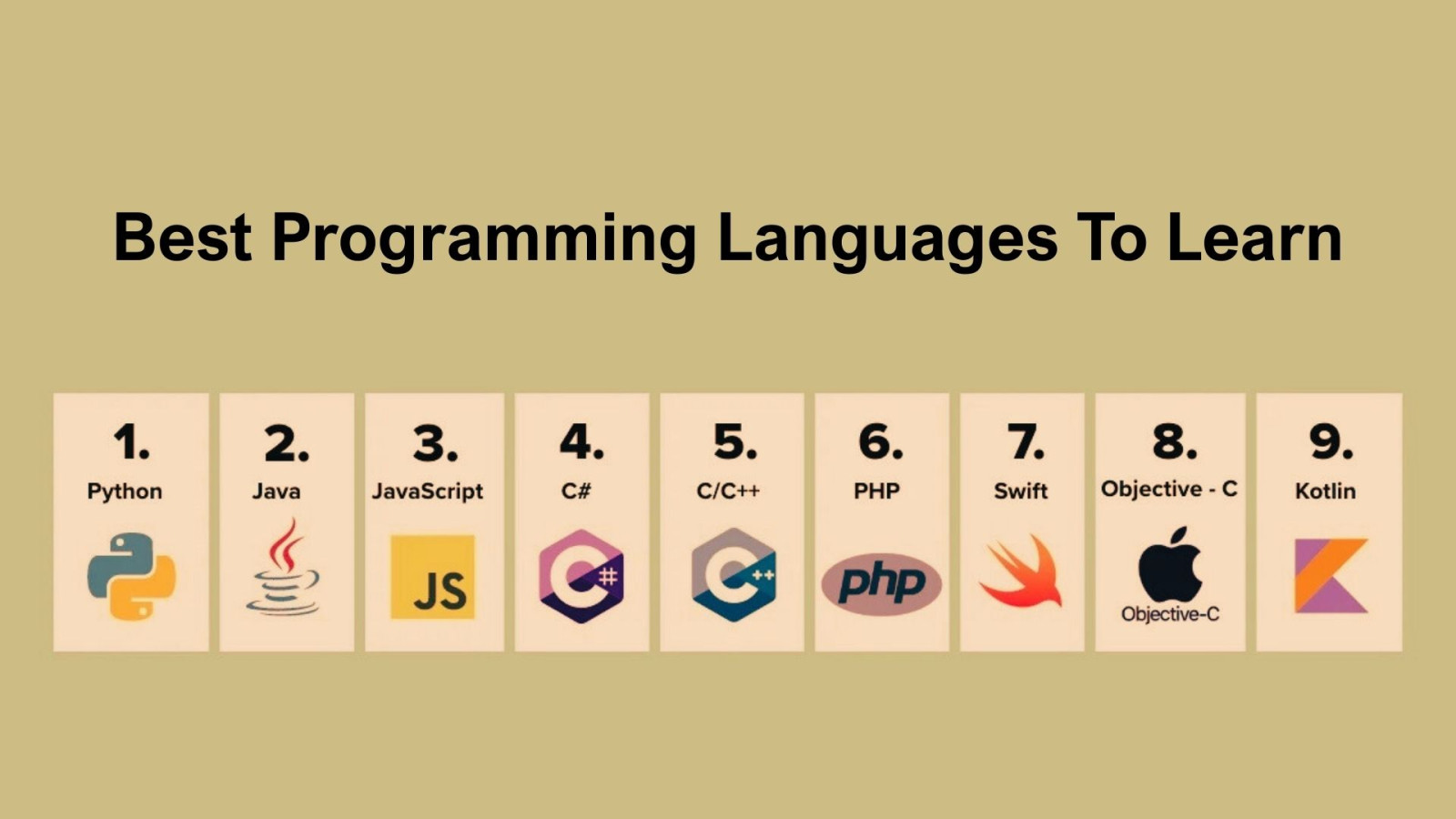
The most in-demand programming languages in the industry are often a reflection of the current technological trends and innovations. Currently, JavaScript, Python, and Java are among the most sought-after programming languages, due to their widespread use in web development, data science, and mobile app development. The history of these languages is also noteworthy, with JavaScript being created in the 1990s by Brendan Eich and Python being developed in the 1980s by Guido van Rossum. The industry demand for these languages is driven by the growing need for web development, data science, and mobile app development, making them essential skills for developers to possess.
As we examine the modern applications of these languages, it's clear that they have become essential tools in the programming world. From front-end development and back-end development to data analysis and machine learning, these languages are used in a wide range of fields. Their large communities and extensive libraries make them ideal languages for developers to work with, and their in-demand status is likely to continue as the programming landscape evolves. As new technologies and innovations emerge, the demand for these languages may shift, but their core principles and applications will remain essential skills for developers to possess.
How do I choose the right programming language for my project?
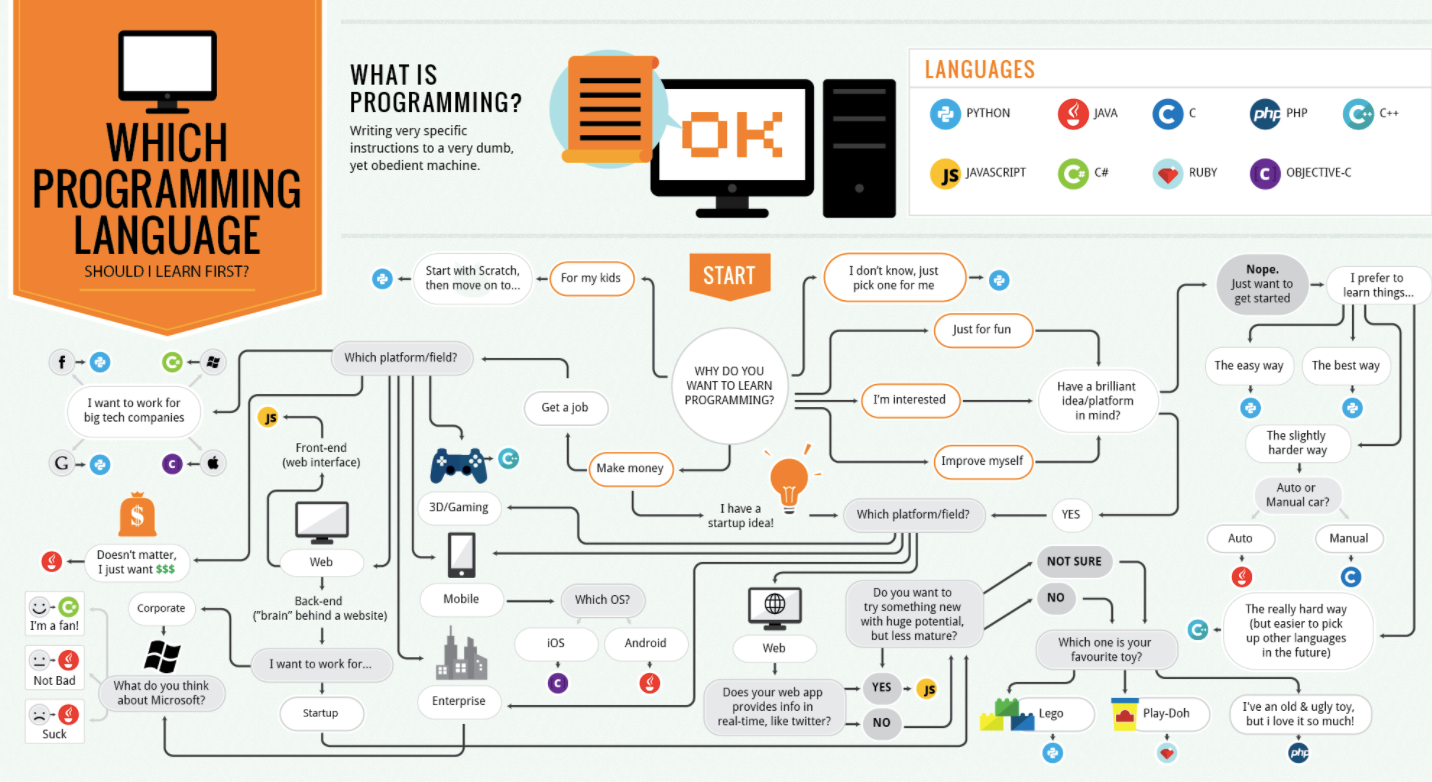
Choosing the right programming language for a project can be a daunting task, especially for beginners. However, by considering the project requirements, team expertise, and industry trends, developers can make an informed decision. The history of programming languages can also provide valuable insights, as many languages have been developed to solve specific problems or address particular needs. For example, C++ was developed for systems programming, while Python was designed for rapid prototyping and development. By understanding the origins and evolution of programming languages, developers can better choose the right language for their project.
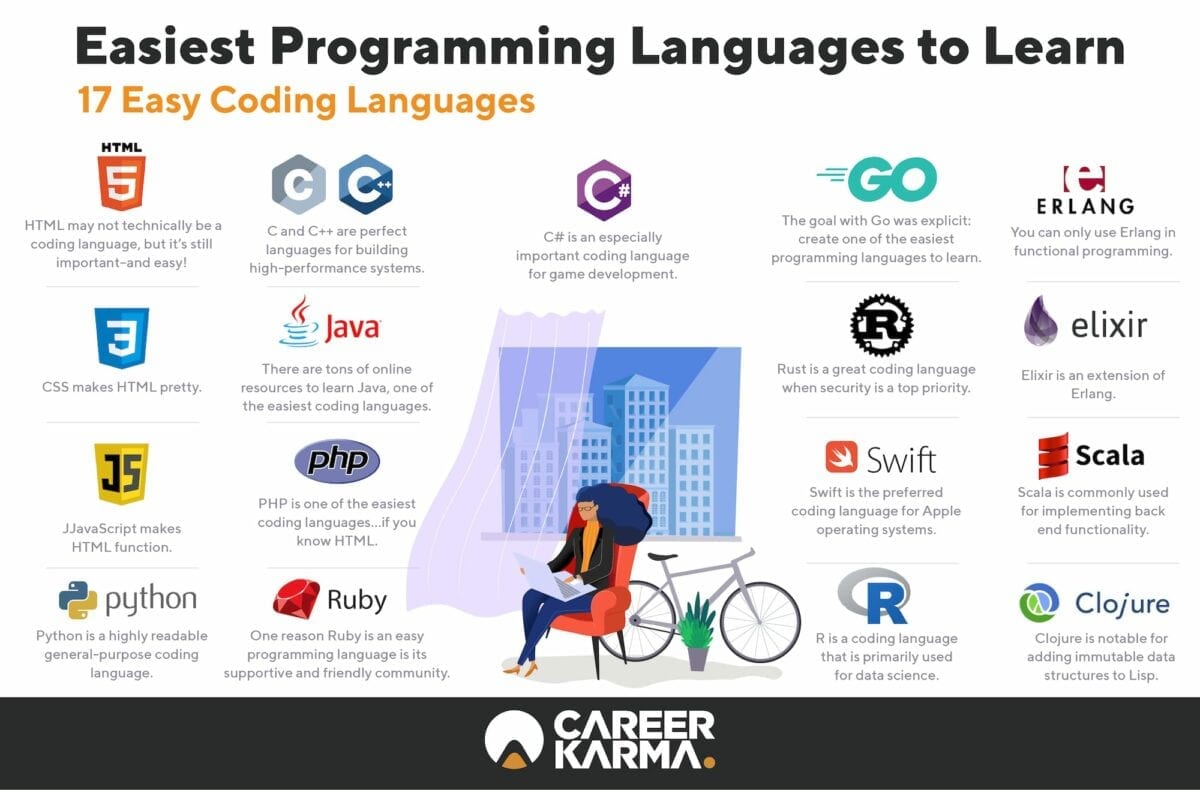
As we explore the modern considerations for choosing a programming language, it's clear that the decision involves a range of factors. From performance requirements and development time to team experience and industry standards, the choice of programming language can significantly impact the success of a project. The growth of open-source software and community-driven development has also led to the creation of new programming languages like Go and Rust, which are designed to be more scalable, reliable, and secure. By considering these factors and understanding the modern landscape of programming languages, developers can choose the right language for their project and ensure its success.
As we look to the future, it's exciting to think about where the world of programming will take humanity in the next 20 years. With the rise of artificial intelligence, machine learning, and Internet of Things (IoT), the demand for skilled programmers will continue to grow. The evolution of programming languages will also play a crucial role in shaping the future of technology, as new languages and paradigms emerge to address the challenges of modern computing. As we reflect on the past and present of programming, it's clear that the future will be shaped by the innovative and creative solutions that programmers develop to solve real-world problems.
The next 20 years will likely see significant advancements in programming languages and software development. The growth of cloud computing, devops, and cybersecurity will require new programming languages and paradigms to emerge, enabling developers to build more scalable, reliable, and secure software applications. The rise of autonomous systems and -edge computing will also demand new programming languages and approaches, as developers seek to create more efficient and intelligent systems. As the programming landscape continues to evolve, it's essential to stay informed about the latest developments and advancements, ensuring that we remain at the forefront of innovation and technological progress.