What Is Fund Accounting Investopedia
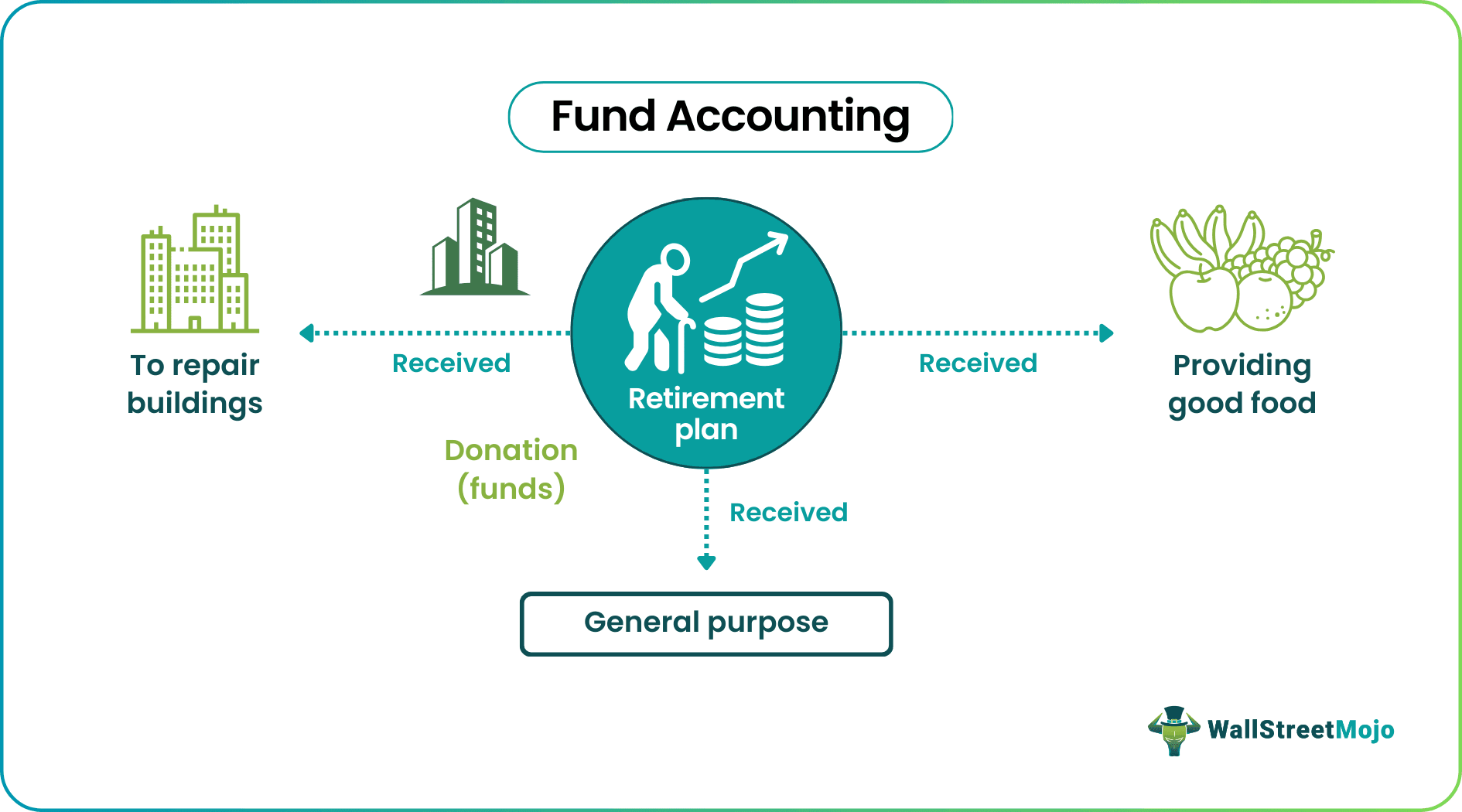
Picture this: you’re at a massive music festival—not the chill kind with craft beer, but the kind with 50 bands, 12 stages, and a confusing map that’s also on fire. Now imagine each band has its own bank account, and you have to make sure the mosh pit money for the punk stage doesn’t accidentally pay for the harpist’s sheet music. That, my friends, is fund accounting—minus the face paint and regrettable tattoos.
Most folks think accounting is just one giant spreadsheet where you track “money in” vs. “money out.” Nope. Fund accounting is the multicolored version—it splits your cash into separate “buckets” called funds, each with its own purpose, rules, and a suspicious level of self-importance. Think of it like a financial version of a reality show where every contestant (the fund) has its own piggy bank, and they refuse to share. “That’s MY tuition money!” screams one. “Get your own grant, buddy!” yells another.
Why Do You Care? (You Totally Should)
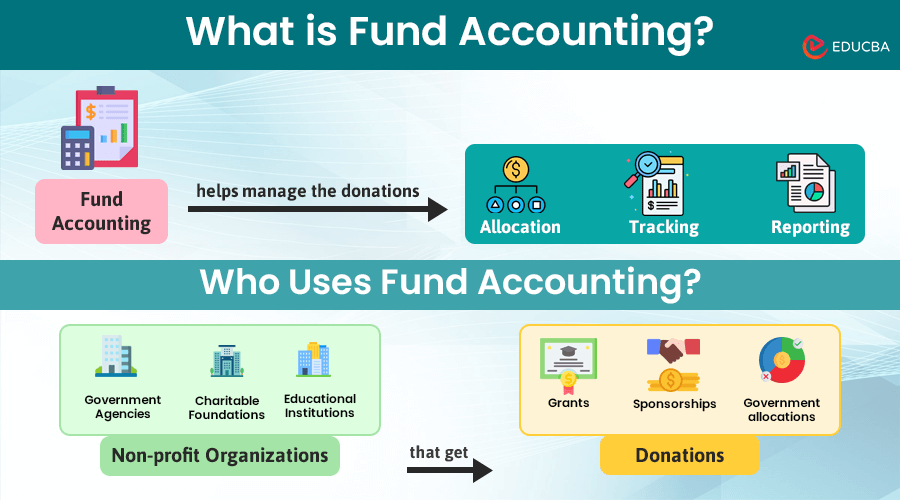
Because fund accounting is the secret sauce behind nonprofits, governments, and universities—the places that accidentally make you feel both inspired and broke. When you donate $50 to a charity for “saving puppies,” you want to know that $50 isn’t paying for the CEO’s yacht snacks. Fund accounting makes that visible: each donation sits in a restricted fund, and if the charity spends it on anything else, they’re in deep, legal doodoo.
Must Read
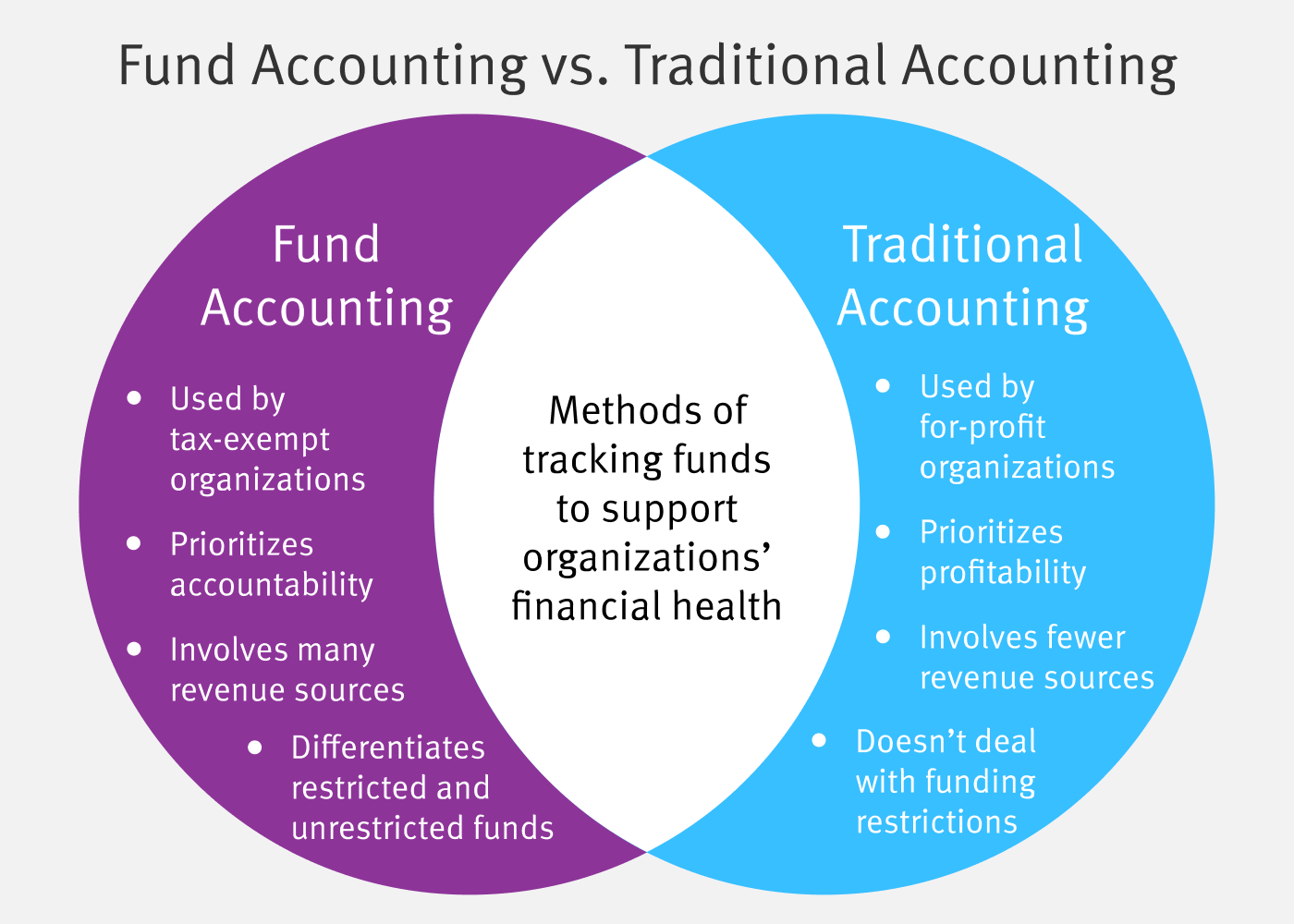
Here’s the wild part: unlike your personal budget (where you can blow your rent money on tacos and call it “dinner”), fund accounting demands exact accountability. You can’t just move money from the “building maintenance” fund to the “office espresso machine” fund without permission. It’s like being grounded by your bank, but for billion-dollar organizations.
The Three Main Characters
Meet the cast: Unrestricted funds (the wild child—money that can be used for anything), Temporarily restricted funds (the “wait until X condition” money, like a trust fund that unlocks when you turn 30), and Permanently restricted funds (the eternal vow—think of an endowment that only lets you spend the interest, never the principal. Your grandma’s inheritance for “future generations” is basically a financial monk).

Now, here’s a surprise fact that will get you free drinks at a boring party: the word “fund” comes from the Latin “fundus,” meaning bottom or base—so technically, you’re just accounting for your foundation. But trust me, if you call a university’s “scholarship fund” their “bottom,” they will not find it humorous.
Why It’s a Nightmare (And a Blessing)
For the average person, fund accounting sounds like a bureaucratic maze designed by sadists. But it’s actually a lifesaver for transparency. Imagine a city that collects property taxes, parking fines, and federal grants—without fund accounting, they’d just throw it all into one pot and suddenly the “road repair” money buys a giant bronze pigeon statue. With fund accounting, each pot is watched like a hawk wearing a tiny auditor’s visor.
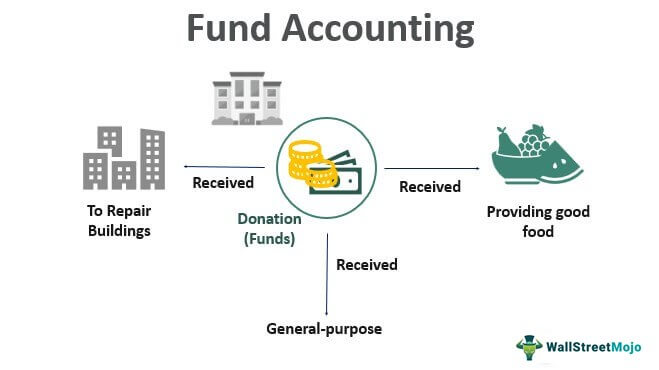
Investopedia sums it up beautifully: it’s the system that “ensures money is used for its intended purpose.” It’s the financial equivalent of a parent writing “FOR LUNCH” on a sticky note and putting it in your pocket—except the sticky note is legally binding, and the parent is the IRS.
So next time you see a charity gala or a public library, tip your hat to fund accounting. It’s the unsung hero keeping your donations from turning into of an executive’s hot tub fund. And if you ever get confused—just remember the music festival. Don’t mix the mosh pit money with the harpist. Nobody survives that encore.