What Does 160 Axis Mean In Eye Prescription
The world of eye prescriptions can be a complex and daunting place, filled with terminology and metrics that might seem like a foreign language to those without a background in optometry. However, understanding the basics of how eye prescriptions work can empower individuals to take better care of their vision and make informed decisions about their eye health. One crucial aspect of eye prescriptions is the concept of axis, specifically what 160 axis means in this context. The axis refers to the orientation of astigmatism, a condition where the cornea or lens of the eye isn't perfectly round, causing blurred or distorted vision at all distances.
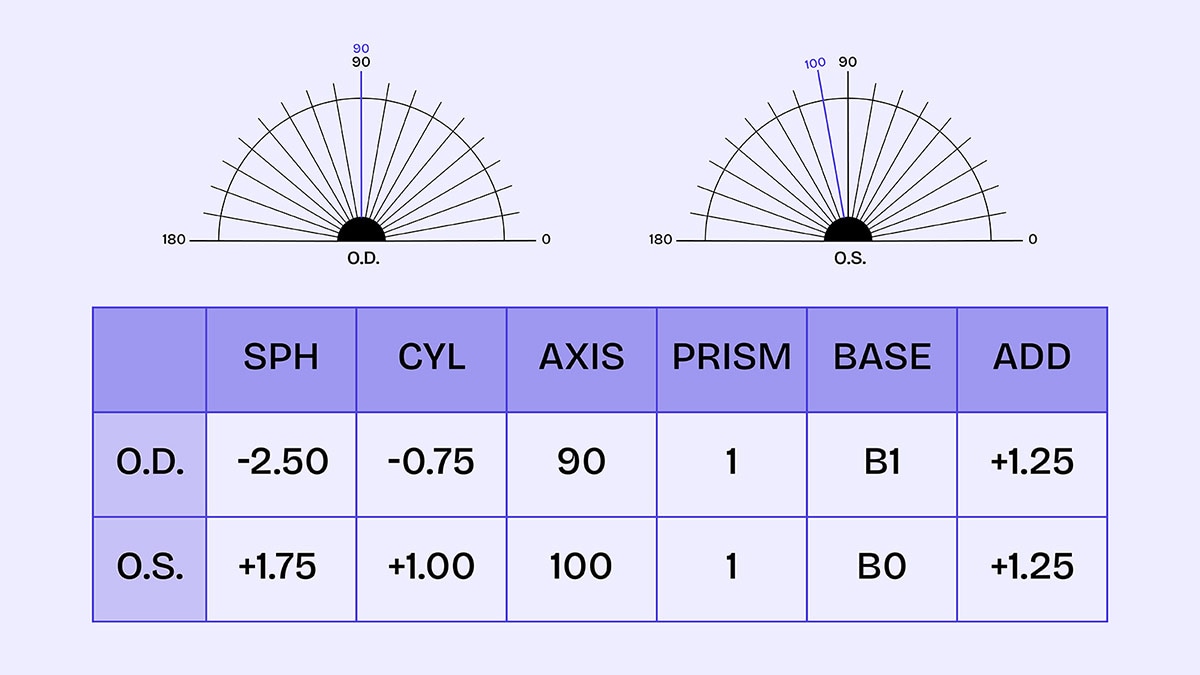
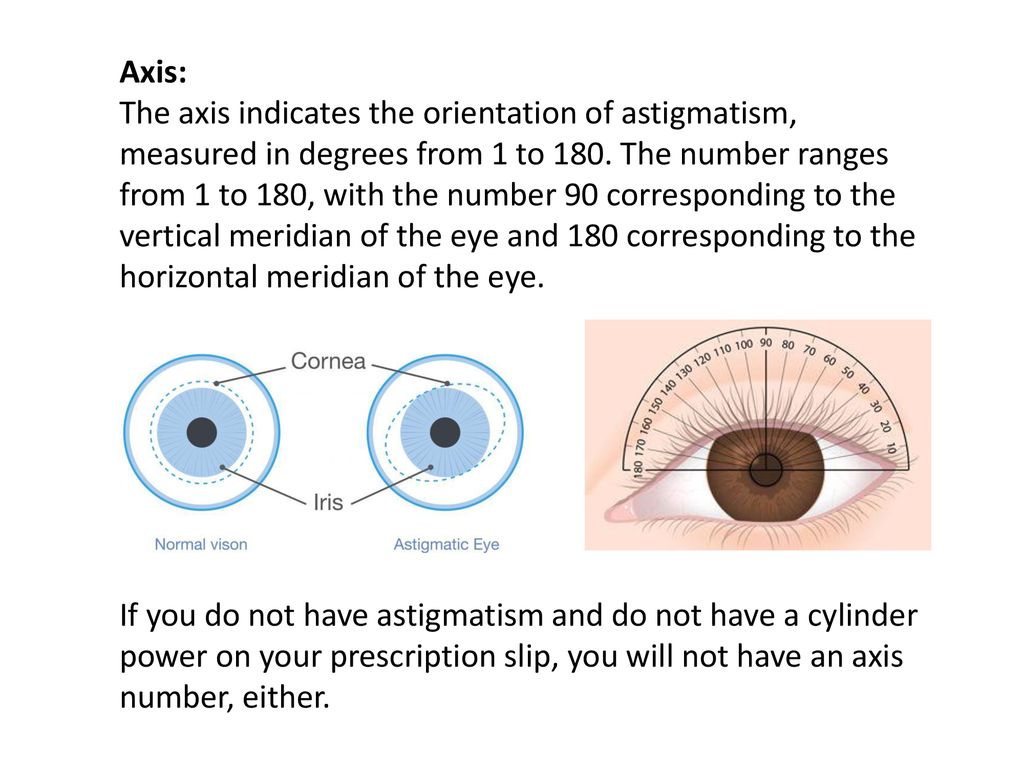
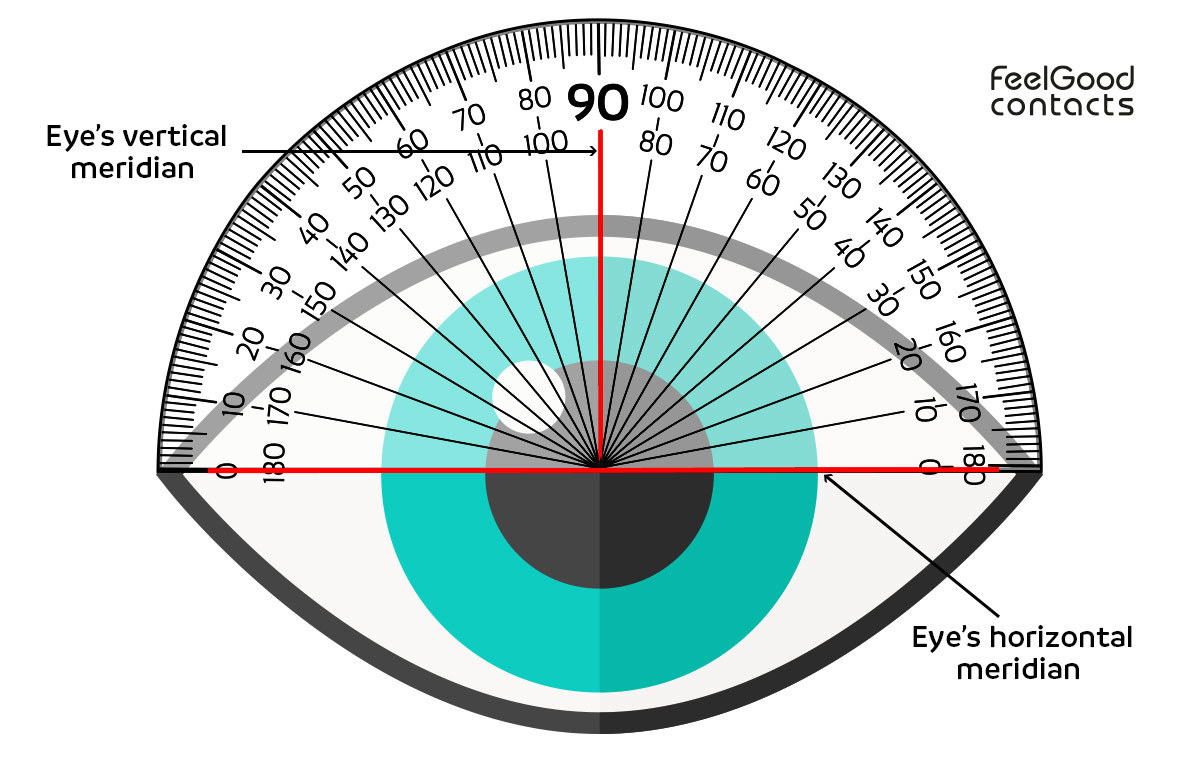
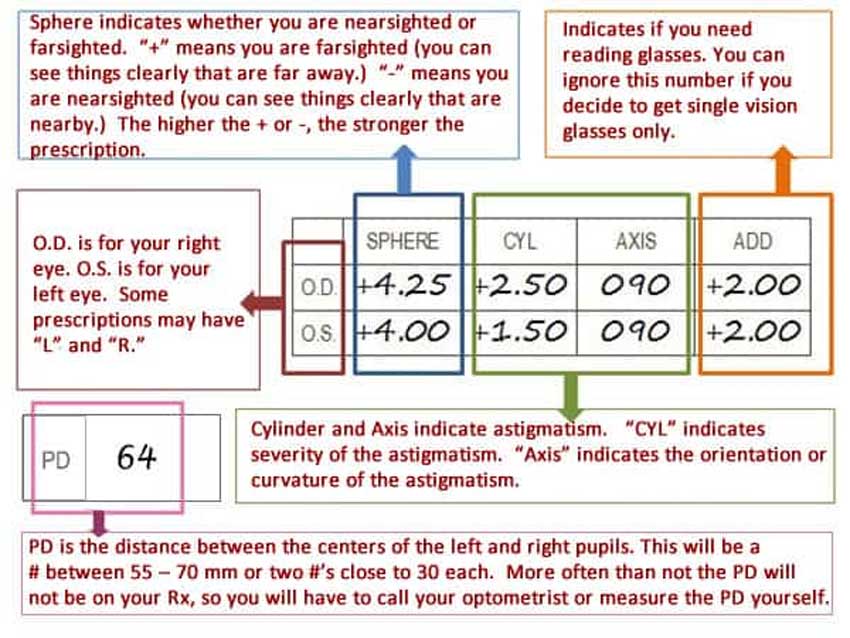
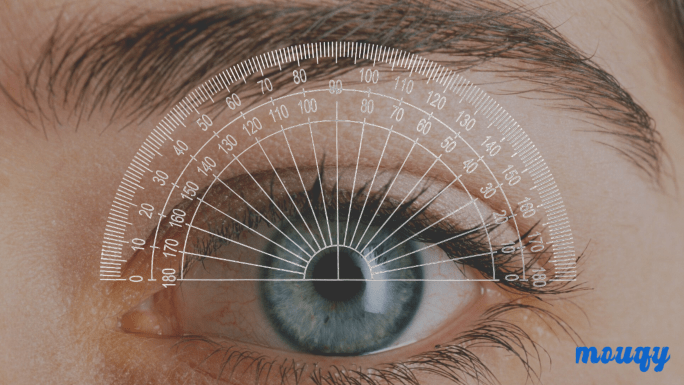
At its core, an eye prescription is a set of instructions for how to correct vision problems. It includes several key components: the sphere (which corrects nearsightedness or farsightedness), the cylinder (which corrects astigmatism), the axis (which indicates the orientation of astigmatism), and sometimes the add (which is used for bifocal lenses to correct presbyopia). The axis is measured in degrees from 1 to 180, with 90 degrees corresponding to the vertical meridian of the eye and 180 degrees corresponding to the horizontal meridian. A prescription that includes an axis of 160 degrees indicates that the astigmatism is positioned at an angle of 160 degrees, requiring the lens to be oriented correctly to provide clear vision.
Understanding the science behind eye prescriptions and the specific metrics like axis can make a significant difference in how effectively one's vision is corrected. It's not just about the numbers; it's about how those numbers tell a story of how light interacts with the eye and how corrections can be made to improve vision. For individuals with prescriptions that include an axis, such as 160 axis, knowing what this means can help them communicate more effectively with their optometrist or optician, ensuring they receive the most appropriate and effective vision correction.
Must Read
Exploring the Biology and Physics
The biology behind eye prescriptions, particularly the concept of axis, is deeply rooted in the anatomy of the eye. The eye's ability to focus light is dependent on the shape of the cornea and lens. In eyes with astigmatism, the irregular shape of these components means that light is focused at two different points rather than one, resulting in blurred vision. The axis in an eye prescription specifies the direction in which the cylindrical correction should be positioned to counteract this irregularity. This is a critical aspect of vision correction, as an incorrectly oriented lens can lead to suboptimal vision correction, potentially causing eye strain, headaches, and decreased visual acuity.
The physics of how lenses correct vision problems also plays a significant role. A lens with a cylindrical component (used to correct astigmatism) works by refracting (or bending) light more in one direction than the others, depending on its orientation. For a prescription with a 160 axis, the lens is designed to correct astigmatism positioned at this specific angle, ensuring that light entering the eye is focused correctly on the retina. Understanding this physics can help appreciate the complexity and sophistication of modern eyeglasses and contact lenses in correcting a wide range of vision problems.
In addition to the physics and biology, the systemic reactions of the eye to different types of vision correction are also important. The eye is an adaptable organ, and how it responds to corrective lenses can vary significantly from person to person. For some, adjusting to a new prescription, especially one that includes a specific axis like 160 degrees, can take time, during which the brain and eye work together to optimize vision. This adaptation process highlights the dynamic relationship between the eye, the brain, and vision correction tools.
Practical Strategies for Mastering Eye Prescriptions
For individuals looking to master their eye prescriptions and ensure they're getting the most out of their vision correction, there are several practical strategies to consider. Firstly, understanding the prescription itself is crucial. Knowing what each component of the prescription means, including the sphere, cylinder, axis, and add (if applicable), can empower individuals to make informed decisions about their eye care. This includes recognizing the significance of the 160 axis in correcting astigmatism and ensuring that any corrective lenses are properly aligned to this specification.

Another key strategy is regular eye exams. The eyes change over time, and what might have been an accurate prescription a year ago might not be today. Regular check-ups with an optometrist can help identify any changes in the eyes and ensure that the current prescription remains optimal. This is particularly important for individuals with astigmatism, as the axis and degree of astigmatism can change, requiring adjustments to the prescription to maintain clear vision.
A good relationship with an optician is also vital. An optician can provide valuable advice on the best types of lenses and frames for a particular prescription, including considerations for the axis. They can also ensure that lenses are correctly aligned with the specified axis, such as 160 degrees, which is critical for effective vision correction. Furthermore, understanding lens materials and technologies can help individuals choose the most suitable options for their lifestyle and preferences, enhancing the overall effectiveness of their vision correction.
Lastly, maintaining good eye health habits is essential for overall vision wellness. This includes protecting the eyes from UV light, avoiding smoking, eating a balanced diet rich in eye-friendly nutrients like lutein and zeaxanthin, and staying hydrated. By combining these strategies with a deep understanding of their eye prescription, including the axis, individuals can optimize their vision correction and enjoy clearer, healthier vision.
Frequently Asked Questions
What does the axis in an eye prescription refer to?
The axis in an eye prescription refers to the orientation of astigmatism in the eye. It is measured in degrees and specifies the direction in which the cylindrical correction should be positioned to correct the irregular curvature of the cornea or lens. This is crucial for achieving clear vision, as an incorrectly oriented lens can lead to suboptimal vision correction. For a prescription with a 160 axis, the lens must be aligned to this specific angle to effectively correct astigmatism and provide clear vision.
In practical terms, understanding the axis can help individuals communicate more effectively with their eye care professionals. It can also inform choices about corrective lenses, including the type of lens material and design that might be most suitable. By recognizing the significance of the axis, individuals can take a more proactive and informed approach to managing their vision health, ensuring they receive the most appropriate and effective vision correction for their specific needs.
How do I know if I have astigmatism that requires an axis correction in my prescription?
Astigmatism can be diagnosed during a comprehensive eye exam. If astigmatism is present, the optometrist will determine the degree and axis of the astigmatism and include this information in the prescription. Symptoms of astigmatism might include blurred vision at all distances, eye strain, or difficulty driving at night. If you're experiencing any of these symptoms, it's essential to schedule an eye exam to determine if astigmatism or another vision problem is the cause. An accurate diagnosis and prescription can then be used to correct the issue, potentially including an axis specification like 160 degrees to address astigmatism.
The process of diagnosing astigmatism typically involves a combination of visual acuity tests, keratometry (to measure the curvature of the cornea), and refraction. The optometrist may also use additional tools or technologies, such as corneal topography, to map the surface of the cornea and assess its shape in detail. By understanding the methods used to diagnose astigmatism and the importance of the axis in correcting it, individuals can better appreciate the science behind their eye prescription and the steps taken to ensure optimal vision correction.
Can the axis in my prescription change over time?
Yes, the axis in an eye prescription can change over time due to various factors. The shape of the cornea can change slightly with age, and other conditions, such as keratoconus, can cause progressive changes in the axis of astigmatism. Regular eye exams are crucial to monitor any changes in the eyes and adjust the prescription accordingly. This includes not just the sphere and cylinder powers but also the axis, ensuring that the vision correction remains effective and comfortable.
It's also important to note that some individuals may experience more rapid changes in their prescription, including the axis, due to factors such as eye injuries, certain medical conditions, or the onset of presbyopia. Being proactive about eye health, including regular exams and open communication with eye care professionals, can help individuals adapt to these changes and maintain optimal vision. Whether the axis changes from 160 degrees to another value, the key is to ensure that any corrective lenses are adjusted accordingly to continue providing clear and comfortable vision.
How does the material of my glasses lenses affect the correction of my axis?
The material of the glasses lenses can affect the weight, comfort, and optical quality of the correction but does not directly impact the axis. However, the choice of lens material can influence how the axis is aligned and how effectively the astigmatism is corrected. For example, high-index lenses can be thinner and lighter, making them more comfortable for individuals with strong prescriptions, including those with a significant astigmatism correction like a 160 axis. Additionally, aspheric lenses can reduce distortion and provide sharper vision, which can be beneficial for correcting astigmatism.
In terms of practical considerations, individuals with a prescription that includes an axis should discuss their options with an optician. The optician can provide guidance on the best lens materials and technologies for their specific prescription, taking into account factors such as lifestyle, budget, and personal preferences. By choosing the right lens material and design, individuals can optimize their vision correction, ensuring that the axis and other components of their prescription are effectively addressed.
What are some tips for adapting to a new prescription that includes an axis?
Adapting to a new prescription, especially one that includes an axis for astigmatism correction, can take some time. One of the most important tips is to wear the glasses consistently as prescribed to allow the eyes and brain to adapt to the new correction. It's also helpful to start in low-demand visual environments and gradually move to more challenging ones, such as driving at night or reading in low light, to give the eyes time to adjust.

Another useful strategy is to pay attention to any discomfort or vision disturbances and report them to the optometrist or optician. Sometimes, minor adjustments to the prescription or the fit of the glasses can make a significant difference in comfort and effectiveness. Additionally, follow-up appointments can be crucial in ensuring that the new prescription is working as intended and making any necessary adjustments to the axis or other components of the prescription to maintain optimal vision correction.
Can contact lenses also correct astigmatism with a specific axis?
Yes, contact lenses can correct astigmatism, including prescriptions with a specific axis like 160 degrees. There are several types of contact lenses designed for this purpose, including toric lenses, which have different powers in different meridians of the lens to correct astigmatism. The axis of the astigmatism is crucial in fitting toric lenses, as they need to be aligned properly on the eye to correct the astigmatism effectively.
The process of fitting toric lenses involves a comprehensive eye exam, including measurements to determine the exact axis and degree of astigmatism. The optometrist or contact lens practitioner will then use this information to select the appropriate toric lenses and ensure they are properly aligned on the eye. By correcting astigmatism with toric lenses, individuals can enjoy clear and comfortable vision without the need for glasses, making them a viable option for those with prescriptions that include a specific axis.
Respecting the science behind eye prescriptions, including the concept of axis, makes us better, more efficient humans. By understanding how our eyes work and how vision problems like astigmatism can be corrected, we can take proactive steps to maintain our eye health and ensure we're seeing the world as clearly as possible. This knowledge empowers us to make informed decisions about our eye care, from choosing the right corrective lenses to recognizing the importance of regular eye exams.
Moreover, appreciating the intricacies of vision correction, such as the role of the axis in addressing astigmatism, fosters a deeper appreciation for the complex biology and physics that underpin our ability to see. It reminds us that our eyes are remarkable organs, capable of detecting a wide range of light and color, and that taking care of them is essential for our overall quality of life. By leveraging this knowledge and the strategies outlined for mastering eye prescriptions, individuals can optimize their vision, enhance their daily lives, and embrace the world with clarity and confidence.