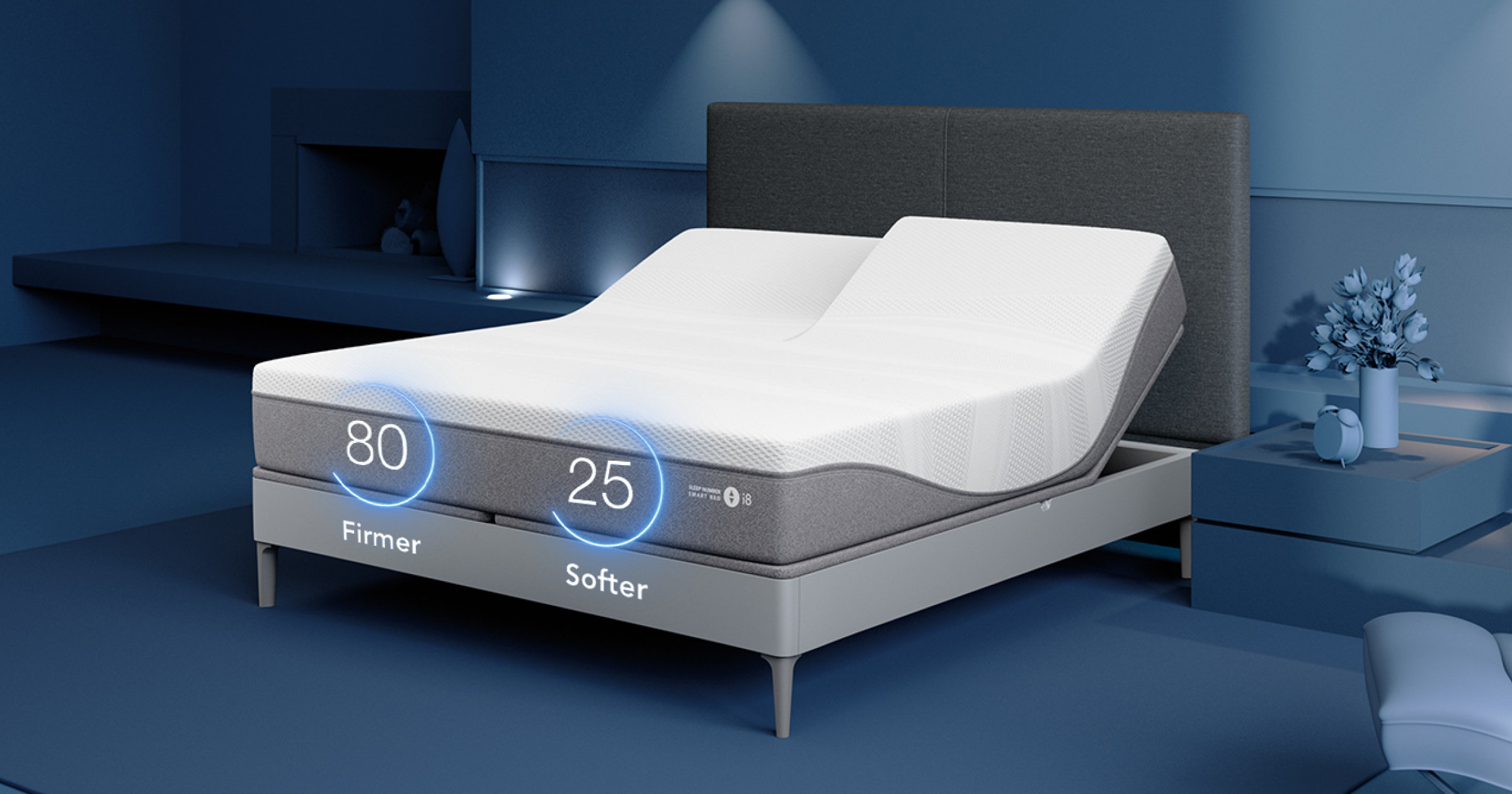
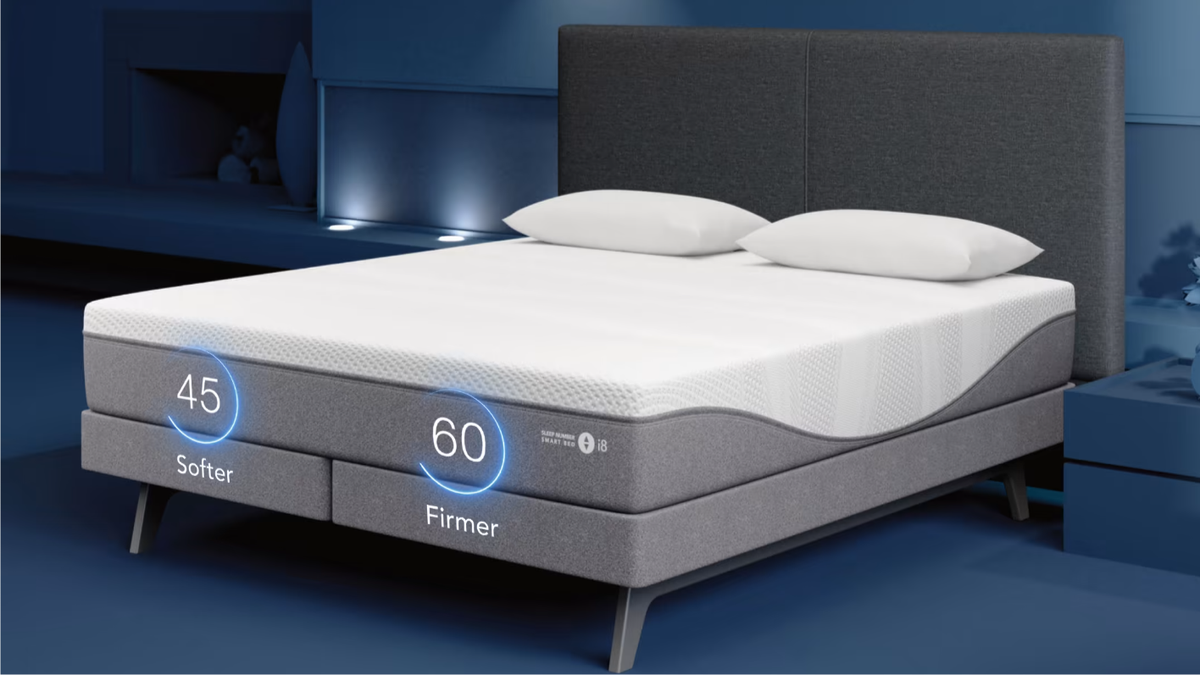
Weight Limit For Sleep Number Bed

Let’s be honest: we’ve all done a little midnight math. You know the drill—one partner, plus a dog, plus a stack of hardcovers, equals a very crowded bed. But if you’re the proud owner of a Sleep Number bed, your calculations might include a different variable: the weight limit. It’s not the most glamorous spec sheet detail, but it’s the one that keeps your adjustable firmness from turning into a permanent hammock.
So, what’s the actual number? For most standard queen and king models, the combined weight capacity hovers around 600 pounds, with a per-side limit of roughly 300 pounds. The premium “iLE” and “i8” models can stretch that per-side limit to 350 pounds, while the entry-level “C2” often sits closer to 250 pounds per sleeper. Think of it as a VIP guest list—your mattress wants everyone to feel welcome, but it does have a velvet rope.
Why the Number Matters More Than You Think
Unlike a traditional innerspring, a Sleep Number bed relies on air chambers. Those chambers need precise pressure to mold to your body and keep your spine aligned. If you exceed the limit, the pump works overtime, the foam layers compress unevenly, and that “sleep number” you dialed in starts feeling suspiciously like a cheap motel mattress.
Must Read
But here’s the fun part: the limit isn’t just about avoiding a sag. It’s about calibration. The bed’s internal sensors and air bladders are designed to respond to your unique weight distribution. Go over the cap, and you’re not just risking wear and tear—you’re messing with the mattress’s artificial intelligence, which frankly, gets a little sassy when it’s overwhelmed.
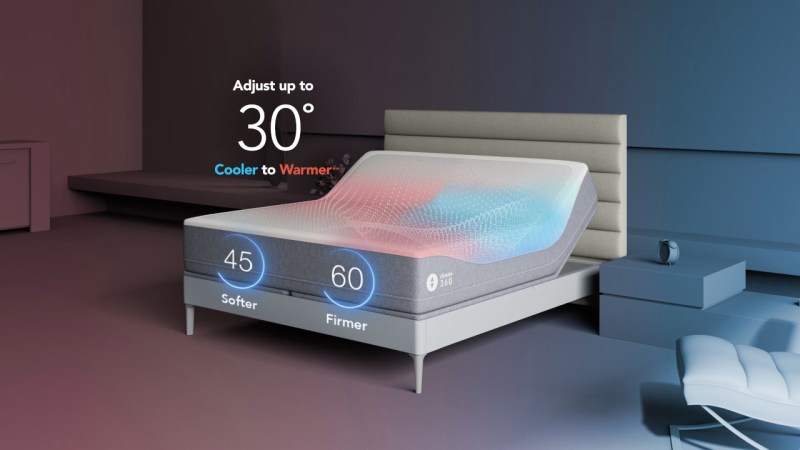
For couples with a significant weight gap, this is where the magic happens. The dual-air technology lets each side have its own firmness, essentially giving you two separate beds under one duvet. That’s not just luxury; that’s marital diplomacy. Napoleon slept in a tiny camp bed, and look how that ended—your relationship deserves better than a shared compromise.
Real-World Checks and Balances
Let’s get practical. First, check the model name on your side rail—it’s not just a label, it’s your owner’s manual. If you have a split king, the limit applies per side, not the total, so you can have a 350-pound partner and a 100-pound gymnast side-by-side without drama. Just avoid the center trench; that’s the no-man’s-land where the two air chambers meet, and it’s not designed for acrobatics.
Second, be honest about your midnight snacks. A bag of chips adds about a pound, but a restless night with a toddler steals about 30 pounds of your sanity. The weight limit is for static weight, not dynamic bouncing. So no trampoline sessions, no WWE reenactments, and definitely no moving-day furniture slides across the surface.
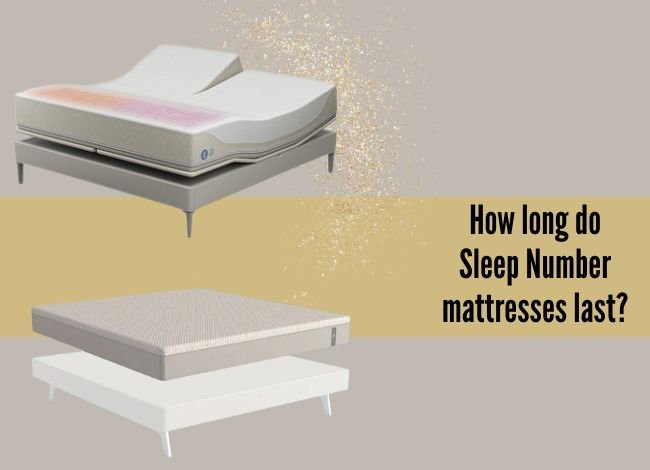
Third, consider the foundation. The bed base matters as much as the air chambers. A Sleep Number base with a solid slat system distributes weight evenly, while a flimsy box spring from 1998 is just begging for a catastrophic collapse. You wouldn’t put a Ferrari on bicycle tires, right?
The Fun Facts You Didn’t Ask For
Here’s a gem: Sleep Number’s original “sleep number” scale (1-100) is actually a pressure-firmness index, not a weight measure. But the company’s engineers quietly use your weight to auto-adjust the initial setting for the first night. It’s like the mattress is giving you a custom welcome handshake. Also, the air chambers are made of a polymer that’s basically the same material used in high-performance kayaks—so they’re tough, but they’re not indestructible.

In a cultural nod, think of the weight limit like the “Max Occupancy” sign on an elevator. It’s not that 10 clowns will break the elevator instantly, but it’s a recommended threshold for smooth, safe operation. And unlike that sketchy office elevator, your bed doesn’t have a backup emergency brake.
Living at the Edge (Without Breaking It)
If you’re hovering near the limit, don’t panic. The bed will give you warning signs—a slight whoosh of air during the night, a persistent “re-adjust” alert on the app, or a mattress that feels like a waterbed after a long party. The fix is simple: reduce the firmness by 5 points to give the chamber more air volume, which effectively spreads the load. Think of it as lowering the tire pressure for a bumpy road.

Also, rotate your mattress—even air chambers benefit from a seasonal flip. This isn’t a real mechanical function, but it tricks your brain into feeling like you’re doing maintenance. And always use the manufacturer’s sheets; tight-fitting sheets help distribute weight, while loose ones cause pressure points.
Finally, remember that the weight limit is a guide, not a cage. It’s there to help you sleep better, not to judge your life choices. If you and your partner are both, ahem, “fluffy,” a Sleep Number can still be your best friend—just pick the higher-capacity model and treat it kindly.
At the end of the day, a bed is a sanctuary, not a scale. The real weight limit isn’t about pounds—it’s about the mental baggage you carry to the pillow. So adjust your number, fluff your pillow, and let the mattress handle the physics. Because the best sleep happens when you’re not doing the math at 2 a.m. You’re just dreaming, and that’s a limit we should all exceed.