Nectar Vs Casper Vs Tuft And Needle

Ever found yourself falling down a mattress rabbit hole at 2 a.m., squinting at three boxes that promise the perfect night’s sleep? You’re not alone. The great Nectar vs. Casper vs. Tuft & Needle debate is practically a modern rite of passage, right up there with choosing a streaming service.
It’s a fun puzzle because these three brands dominate the online mattress world, yet each has a distinct personality. Learning their differences isn’t just about shopping; it’s about understanding how small design choices can dramatically change your daily energy and mood. So, let’s casually peel back the covers and see what’s really inside each one.
The core purpose here is simple: help you match a mattress to your unique sleeping style, not the other way around. The benefit is waking up without that nagging back ache or that overheated, groggy feeling. Think of it as a mini-course in personal comfort engineering.
Must Read
In daily life, this knowledge is pure gold. For example, a college student on a budget might find Tuft & Needle’s straightforward foam perfect for dorm living, while a side-sleeping parent with hip pain could lean toward Nectar’s plush pressure relief. Even just explaining the differences to a friend over coffee makes you the smart, helpful one in the group.
In education, this comparison teaches a brilliant lesson in materials science and marketing. You learn how “density” and “firmness scale” aren’t buzzwords but real metrics that affect your spine alignment. It’s a hands-on way to understand how a product’s construction—not just its ads—dictates its real-world performance.

Let’s start with Nectar. This is your “hug you like a marshmallow” mattress, boasting a thick, memory-foam top layer that makes you sink in noticeably. It’s the best pick if you love that classic, slow-sinking “sleeping in a cloud” feeling, especially for side sleepers who need extra cushioning for shoulders and hips.
Then we have Casper, the original celebrity of bed-in-a-box. Casper uses a smarter, zoned support system, meaning the foam is firmer under your hips and softer under your shoulders. This one is a fantastic middle-ground choice for combination sleepers who toss and turn, as it’s easier to move around on without getting stuck.
Finally, meet Tuft & Needle. If Nectar is a marshmallow, this one is a firm, supportive loaf of sourdough. It uses a responsive, adaptive foam that’s bouncier and cooler, offering a firmer, more neutral feel that’s ideal for stomach and back sleepers who need their spine to stay flat without sinking.
A practical tip for exploring these without losing any sleep: check each brand’s trial period. All three offer 100 nights or more, but use that time to track your morning pain points, not just your first impression. Also, ignore the “firmness score” on the website and instead lie on the floor with pillows to simulate which position you pick most.
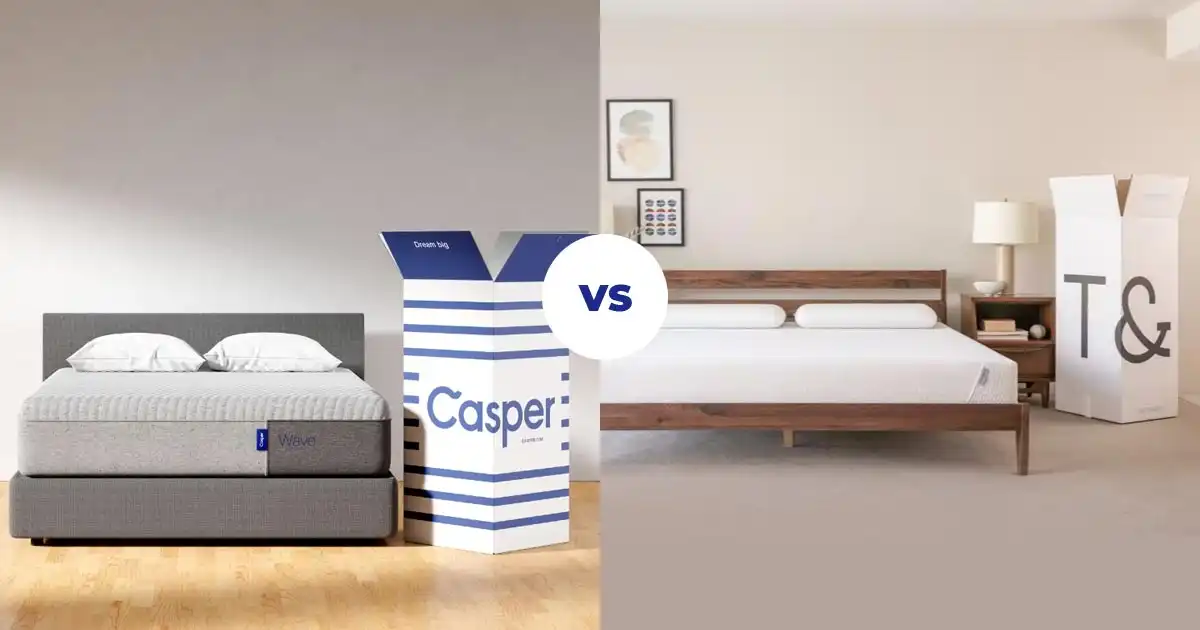
For a simple, budget-friendly experiment, visit a local mattress store and press your hand on each type of foam. You’ll feel the immediate difference between Nectar’s slow-recovery gel memory foam and Tuft & Needle’s quick-bounce poly foam. Casper will feel like the Goldilocks option—not too hard, not too soft, just “right” in the middle.
Ultimately, there’s no wrong answer, only a wrong match for your body. So, do your little homework, trust your own comfort, and remember that a great mattress is an investment in your future self. Happy sleeping, and may your back feel fantastic tomorrow morning.