Unlocked Iphone With Payment Plan
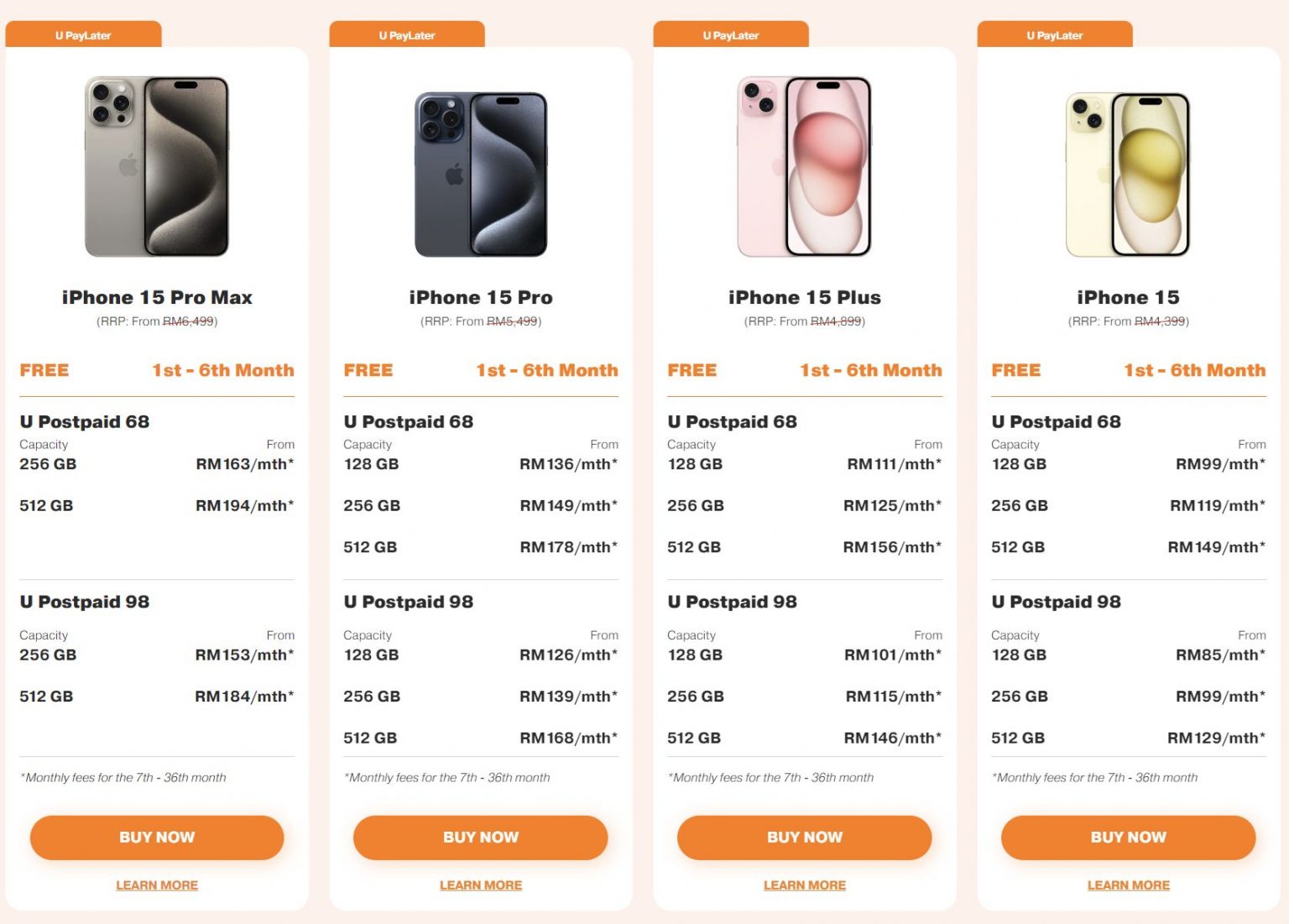
Remember when buying a phone was a simple, if slightly masochistic, transaction? You walked into a store, signed your life away on a two-year contract, and walked out with a slab of glass that was already obsolete. Then came the era of the sim-free flex, the unlocked status symbol. Now, we've entered the third, most chaotic phase of the smartphone economy: the Unlocked iPhone on a Payment Plan. It’s the financial equivalent of a situationship—you get all the benefits of commitment without the official label, and the terms are confusing as hell. This isn’t just a purchase; it’s a personality trait, a TikTok flex, and arguably, the most millennial-coded financial decision since avocado toast.
Why is everyone suddenly talking about this? Because the "unlocked" tag has become the ultimate cheat code. It promises freedom from carrier bloatware, the ability to switch networks on a whim, and the holy grail: buying a phone that doesn't have a "T-Mobile" splash screen on boot. But slap a "payment plan" on it, and you’ve introduced a layer of financial engineering that makes crypto look simple. It’s the intersection of aspirational tech and subscription fatigue, and it’s taking over our For You Pages. From finance bros explaining APR versus monthly installments to tech reviewers screaming about eSIM compatibility, the discourse is loud, unrelenting, and weirdly addictive.
The current status? It’s the new "quiet luxury" for the tech set. You’re not just buying a phone; you’re buying the idea of flexibility. But beneath that glossy exterior lies a rabbit hole of credit checks, trade-in loopholes, and fine print that frankly, deserves its own psychological thriller. Let’s dive into the mess, shall we?
Must Read
The Weird, Wild Subculture of the "Flexible Financier"
There’s a specific, highly toxic subculture that revolves around this topic: the Micro-Interest Rate Warriors. These are the folks on Reddit’s r/personalfinance and r/Apple who will argue for days about the difference between the Apple Card’s 0% APR and a carrier’s 36-month "deferred interest" trap. They treat their credit score like a high score in a video game, and an unlocked iPhone on a plan is their ultimate boss battle. Scrolling through these threads, you’ll see the anxiety palpably: "Does this hard inquiry drop my score 10 points?" or "My bank offered me a 6% APR, but is that flex worth it?" It’s a bizarre blend of conspicuous consumption and hyper-vigilant penny-pinching that feels uniquely 2025.
Then you have the eSIM Evangelists. To them, the unlocked phone is not about the hardware—it’s about the digital sim. They travel to Japan for a week and boast about how they switched carriers in 45 seconds, all because they bought the unlocked model. They treat carrier lock-ins like Victorian-era shackles, and their identity is built on the idea of being untethered. The social media dynamic here is a constant one-upmanship: "You’re still paying $80 a month for Verizon? I’m on a $15 prepaid plan from a data-only provider in Estonia." The cultural shift is that owning a phone outright is no longer about wealth—it’s about optimization. It’s nerdy, it’s gatekeeping, and it’s completely fascinating to watch from the sidelines.
The irony is that while the unlocked device screams "I’m free," the payment plan silently whispers, "But I’m still in debt." It’s a cognitive dissonance that fuels the subculture. You have influencers preaching "financial literacy" while financing a $1,200 aluminum slab over three years. The guilt is real, but the FOMO is stronger. This is the toxic core: the desire for freedom constrained by the mechanics of credit, all broadcasted to an audience that either applauds your savvy or screams at you for not buying a $200 Android. There’s no middle ground.
How to Navigate the Financing Minefield Without Losing Your Sanity (or Wallet)
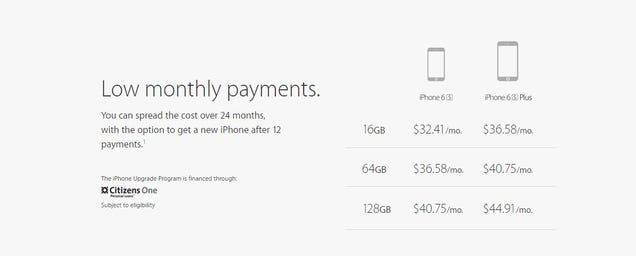
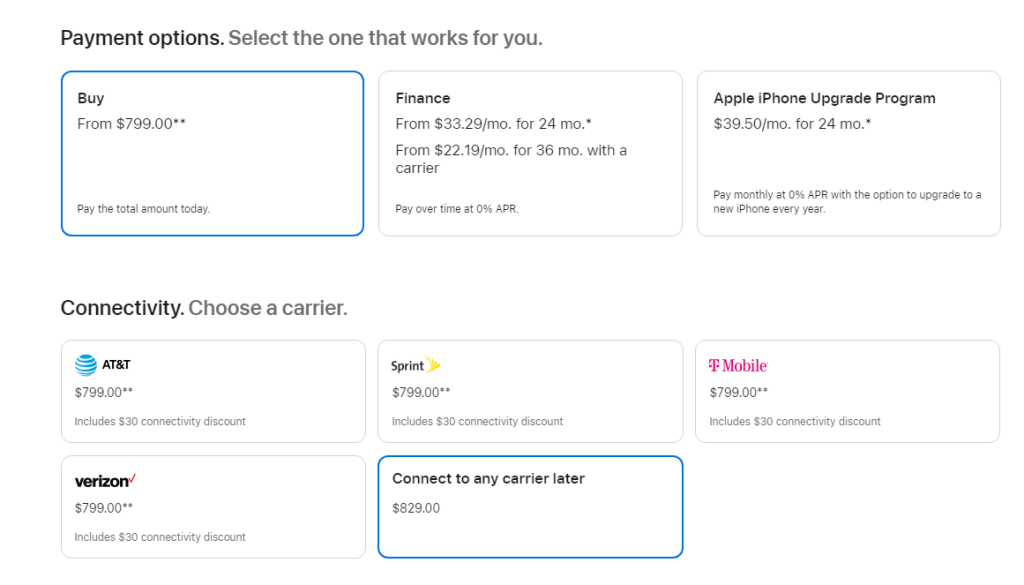
First, let’s talk about the elephant in the room: 0% APR is a trap if you don’t understand the psychology. Yes, Apple’s own installment plan is 0% interest. It sounds like free money. But the trap is the term length. A 24-month plan at 0% is fine; a 36-month plan is a death sentence for your ability to upgrade. You will be paying for a phone that feels ancient by month 18. The savvy move? Calculate the cost per month and the cost per day. If you’re paying $33/month for a phone, that’s $1.10 a day. Is that level of "newness" worth a daily latte? Be honest. If the answer is yes, fine. But most of the time, it’s just another subscription bleeding you dry alongside Netflix and your gym membership you don’t use.
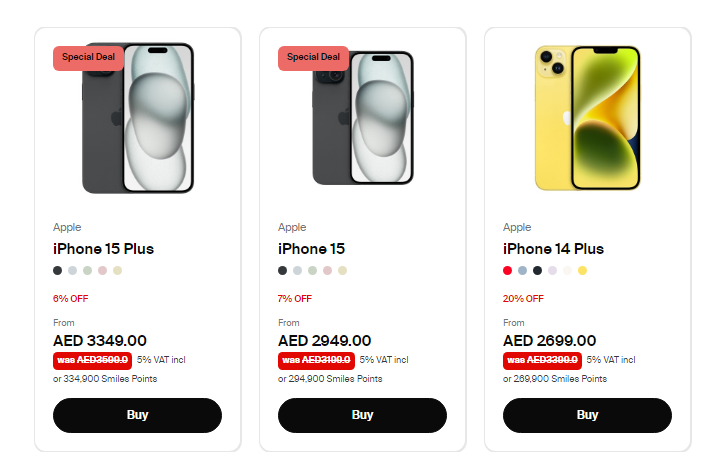
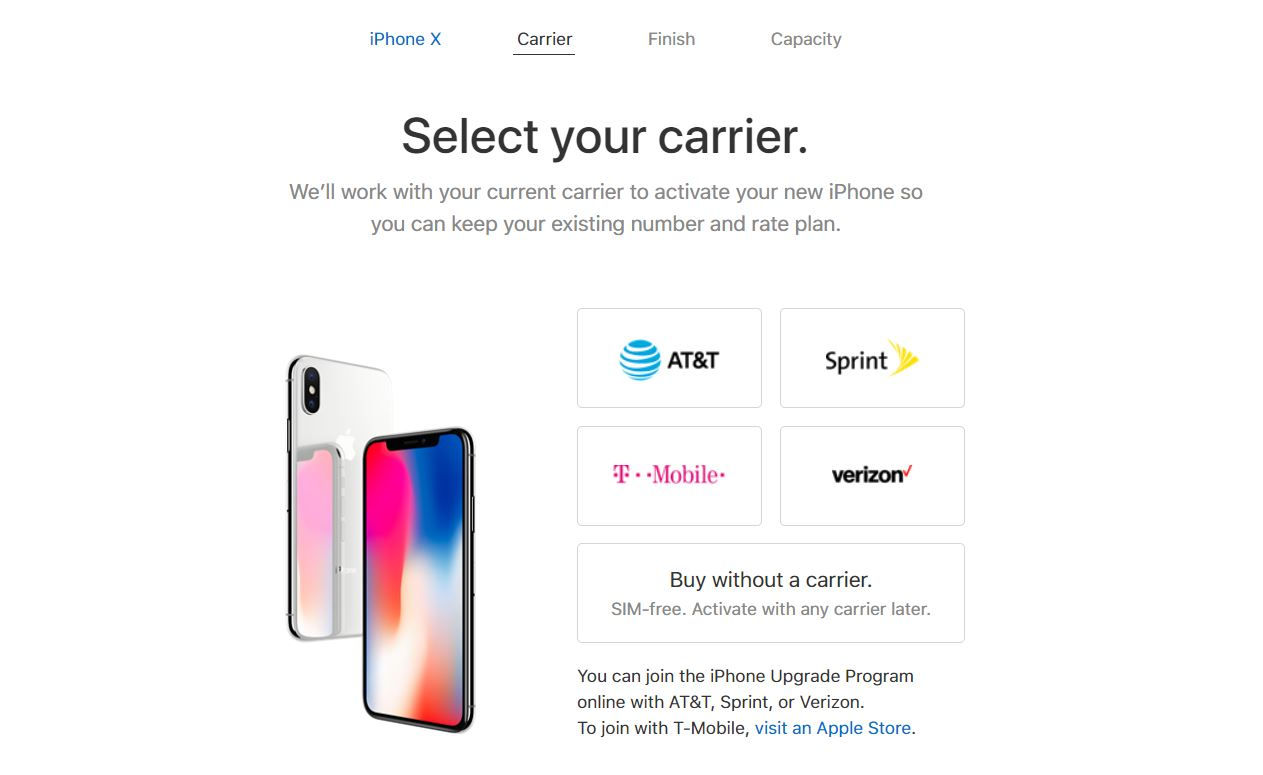
Secondly, do not chase the "Unlocked" premium blindly. Carriers offer massive subsidies on locked phones. If you buy an unlocked iPhone at full retail price, you’re paying a premium of often $200-$300 over what a carrier would sell it for with a trade-in. So, the question becomes: is the freedom of an unlocked phone worth $300? If you switch carriers more often than you change your hairstyle, yes. But if you’ve been with AT&T since 2010, you’re paying for a freedom you don’t use. Stop the bleeding. The path to sanity is to ignore the marketing and look at your actual usage. Write down your carrier switching history. If it’s blank, get the locked one, take the discount, and put that $300 into an index fund.
Third, master the trade-in game. This is where the plan becomes palatable. The best strategy is to buy the unlocked phone via your credit card that offers price protection or extended warranty, but finance it via a 0% APR card. Then, set up auto-pay for the full balance in monthly installments equivalent to the phone's depreciation. For example, if the phone depreciates $50/month, pay $50/month. This way, you’re never "underwater" on the device, and you can trade it in at any point without owing a cent. It turns a consumer purchase into a managed asset. It sounds exhausting, but it’s the only way to beat the system that designed these plans to keep you paying long after the novelty wears off.
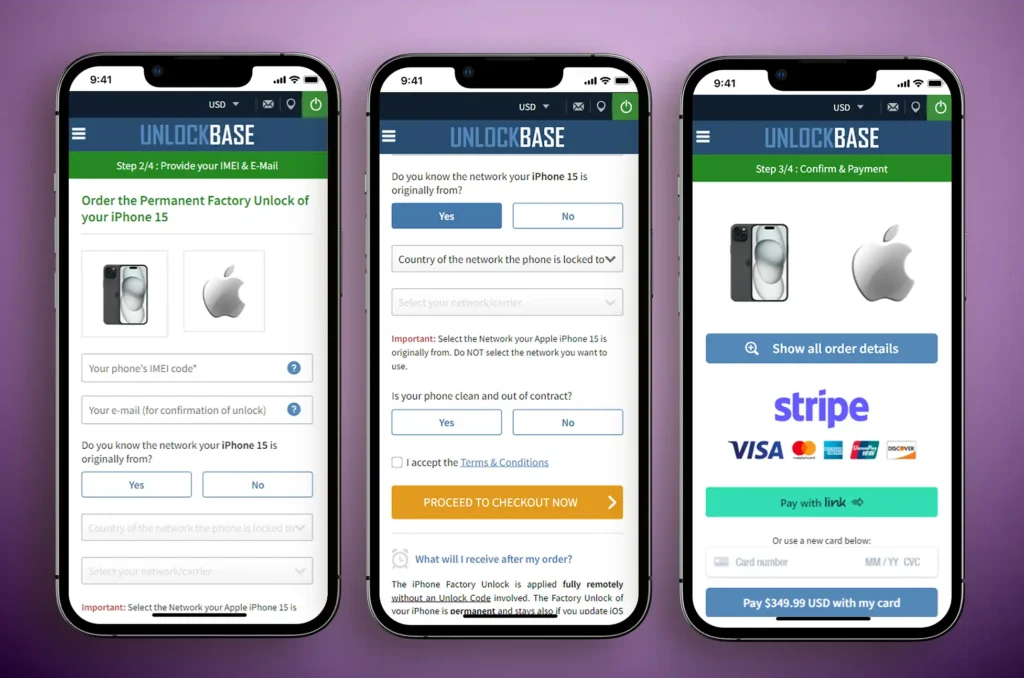
Fourth, and this is crucial, respect the "Unlocked" esim architecture. Legitimate unlocked phones have physical SIM slots (rare) or fully flexible eSIM profiles. But avoid the grey market "unlocked" phones that were originally carrier-locked and then jailbroken—they’re often unstable. Actually, go to the Apple Store, buy the sim-free model, and don’t look back. And finally, if you can’t afford to pay it off in 12 months, you can’t afford it. Period. The math is simple: if you can’t double the payment, you’re living beyond your means. This unsolicited financial advice is free; the phone plan is not.
FAQs: The Internet’s Most Heated Debates
Is buying an unlocked iPhone on a payment plan actually "bad" for my credit score?
This is the question that keeps the finance side of TikTok alive. The short answer is: it depends on the loan type. If you’re using the Apple Card's monthly installments, it’s a "soft pull" and typically does not affect your score unless you miss a payment. However, if you’re using a traditional consumer financing loan (like Affirm or a carrier’s own credit line), it’s a "hard pull" and adds an installment loan to your report. This can actually help your credit mix if you only have credit cards, but it also increases your debt-to-income ratio. The internet debate is between those who say "any debt is stupid debt" and those who say "it’s an interest-free loan, so it’s free money." The truth is, the credit score impact is minimal if you pay on time, but the behavioral impact is huge. You’re more likely to overspend because the monthly fee feels small, which can indirectly hurt your score if you max out other cards to compensate. So no, it’s not "bad," but it’s not a "life hack" either. It’s just debt with a sleek exterior.
Can I switch carriers immediately after buying an unlocked iPhone on a plan?
Yes, but with a massive caveat that the "Buy Now, Pay Later" economy tries to hide. With a true unlocked phone (pause for applause), yes, you can switch on day one. The physical phone is yours, albeit you owe money on it. However, most retailers operate on a "payoff first" model. If you buy via a third-party like Best Buy’s installment plan, they often require you to pay off the full balance before they unlock the carrier lock—even if it was marketed as "unlocked." The eSIM is where this gets tricky. If you bought a T-Mobile-locked phone, even if it’s on a payment plan, switching to Verizon requires paying off the device in full. The only way to get instant switching is to buy the direct sim-free version from Apple.com with the Apple Card installment plan. That is the only one that is truly unlocked from day one. So, do your homework. Read the fine print for "GSM Unlocked" vs. "Fully Unlocked." The terminology is a minefield, and many a user has been burned by a "metric ton of freedom" that was actually just a metric ton of fine print.
Is it smarter to buy the phone outright or use the payment plan if I have the cash?
Ah, the classic finance bro dilemma. On paper, if you have the cash, buy it outright. You avoid interest, and you own the asset. But the modern, inflation-hedged take is this: if the plan is 0% APR, you are financially irrational to pay cash. Because you can take that $1,200, put it in a high-yield savings account (HYSA) earning 4-5% APY, and set up auto-pay from that account. Over 24 months, you’ll earn roughly $100 in interest while paying off the phone. That’s a free $100. That’s the smart money move. BUT, and this is a massive but, this only works if you have the discipline to not spend that $1,200. If you put it in your checking account, you’ll buy sneakers. The internet argument is really about human behavior vs. math. The math says finance it. The psychology says buy it outright to get the monkey off your back. Personally, we say split the difference: buy it on the plan, but set up auto-pay for double the minimum payment. You get the credit score boost and the interest arbitrage, but you’re out of debt in a year. It’s the most self-aware way to participate in this cultural trend without being a sheep.
Is this just a fad? We don’t think so. The "subscription-ification" of everything—from cars to razors to phones—is a permanent feature of late-stage capitalism. The unlocked phone with a payment plan is the gateway drug to a fully subscription-based hardware economy. We’re moving toward a world where you never own your tech; you just rent it for eternity.
But the silver lining? It’s forcing consumers to be more financially literate. The 0% APR debate is teaching a generation about interest rates, credit limits, and depreciation. So, while it might look like we’re all just paying $35/month for a status symbol, we’re also subtly becoming amateur economists. That’s not a bad trade-off. Just don’t forget to read the fine print—and maybe skip the $10/month "Apple Care+" so you have money for the next gadget.