Uber Driver Requirements Colorado
Ever wondered what it actually takes to drive for Uber in Colorado, beyond just having a car and a phone? It’s a surprisingly detailed process, and understanding it is like peeking behind the curtain of the gig economy. Whether you’re considering a side hustle or just curious about how your driver got behind the wheel, this is a fun rabbit hole to explore.
The main purpose of Colorado’s rules is safety and fairness—for both riders and drivers. The state wants to ensure that every Uber vehicle is properly insured, every driver is vetted, and that the roads are a little safer for everyone. For you, the rider, it means peace of mind; for a potential driver, it’s the gateway to a flexible income.
In daily life, these requirements show up in small ways. For example, when your Uber arrives, the license plate must match the app—that’s a direct result of Colorado’s vehicle registration rules. In education, teachers can use this as a real-world case study on regulatory compliance, showing how a simple job involves layers of legal and logistical planning.
Must Read
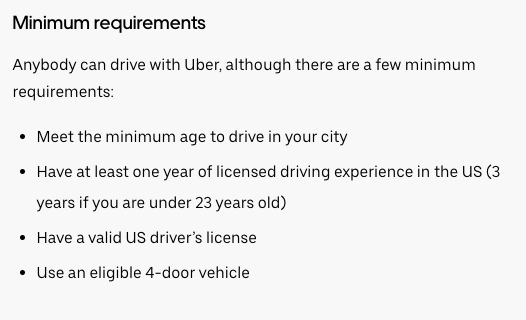
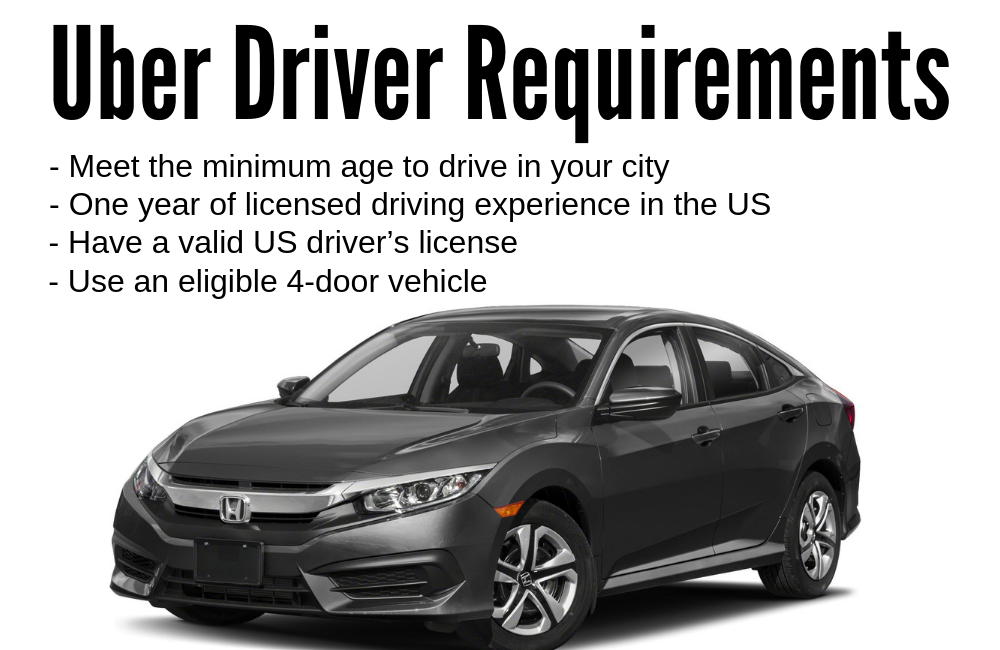
So, what are the actual basics? First, you must be at least 21 years old and have a valid Colorado driver’s license held for at least one year. You’ll also need to pass a background check that looks back seven years, covering everything from DUIs to violent crimes—Uber takes a hard line on serious offenses.
Your car matters just as much as your record. It needs to be a four-door vehicle—no two-door coupes—and meet Colorado’s minimum age requirement, which is typically 15 years old or newer, though this can vary by vehicle type. You’ll also have to pass a 19-point vehicle inspection, which you can get at a certified mechanic or through Uber’s approved partners.

Insurance is where things get a little thick, but here’s the simple version: your personal car insurance isn’t enough. Uber requires you to carry Colorado’s minimum liability coverage, but they also provide contingent liability coverage while you’re driving. It’s a dual-layer system that protects you and your passengers, but you must prove your own policy is active first.
Don’t forget the paperwork—it’s a small mountain. You’ll need your Social Security number, proof of residency, and a clean driving record, which means no more than three moving violations in the last three years. Also, Colorado requires a specific TNC permit (Transportation Network Company permit) that Uber files on your behalf, but you must pay a small fee during the on-boarding process.
For practical tips, start by checking Uber’s official Colorado page, which has a live checklist that updates with any law changes. A simple way to explore this is to talk to an actual driver—ask them about their inspection experience or the biggest surprise in the application. Most are happy to share, especially if you’re friendly and curious.
Another smart move: get your vehicle inspected before you start the online application. This saves you from paying the application fee and then discovering your car’s tint is too dark or your tires are too worn. Also, remember that Denver has stricter rules than the rest of the state, especially regarding emissions and newer models, so your ZIP code matters.

Finally, treat this as a learning adventure, not a chore. The process teaches you about liability, insurance layers, and municipal regulations—useful knowledge for any job. And if you don’t meet every requirement today, don’t stress; many drivers start with an older car and upgrade later once they see the earning potential.
So next time you hop into an Uber in Colorado Springs or Boulder, give a nod to the invisible checklist that got you there. It’s a system built on caution, and that’s a good thing for your ride home. Curious enough to try it? The app is waiting, but so is the fine print.