How To Calculate Profit From Stocks
Last Tuesday, my buddy Dave texted me a screenshot of his brokerage app. It showed a green number so huge, I honestly thought he’d photoshopped it. “I’m up 40% on that EV stock, dude!” he wrote, followed by three rocket emojis.
I didn’t have the heart to ask him the one question that matters. How much did you actually put in, and what did you pay in fees? Because, let’s be real, brokerage apps love showing you that total return percentage—it makes you feel like a genius. But that number is often a sneaky liar.
So, let’s talk about the real math behind your stock wins. Not the app’s version—the version that actually pays your rent.
Must Read
The Dumb Simple Formula
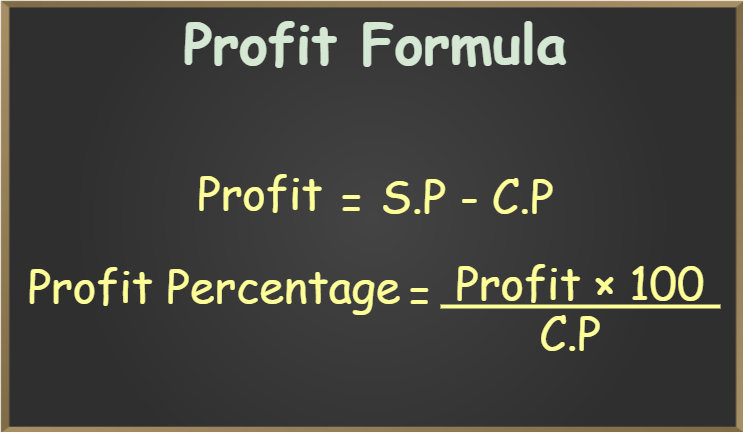
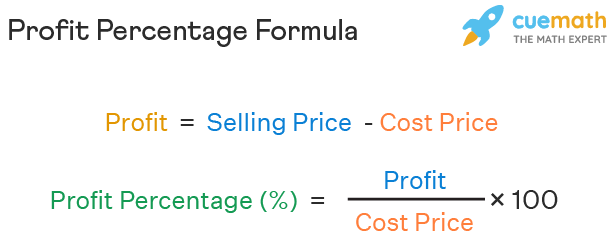
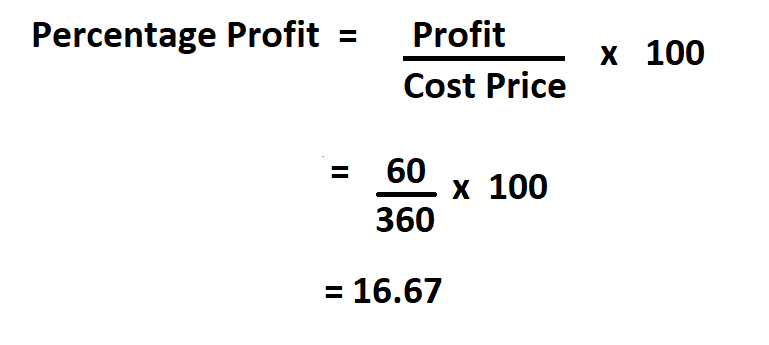
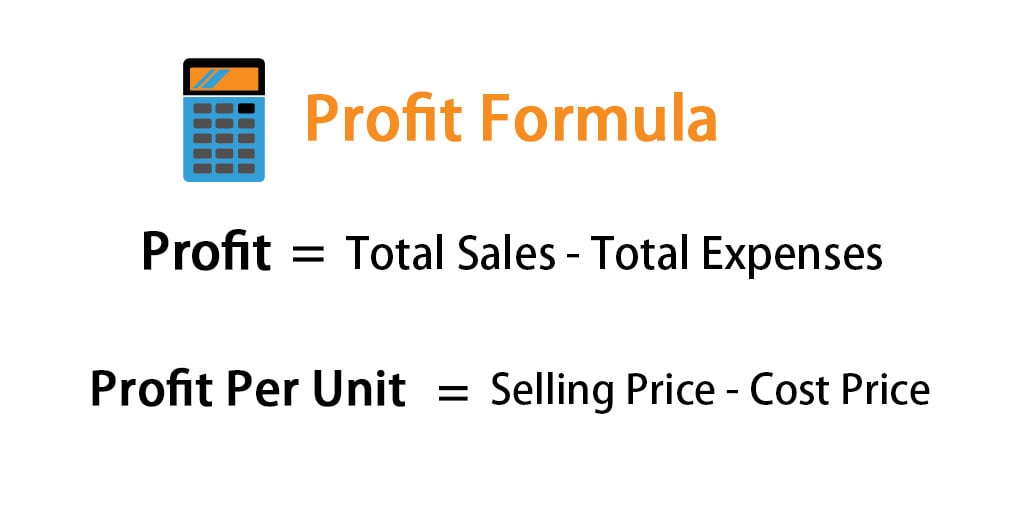
Forget every complicated spreadsheet you’ve seen. The core calculation is just this: Profit = (Selling Price per Share × Number of Shares) − (Purchase Price per Share × Number of Shares).
That’s it. If you buy 10 shares at $50 and sell them at $60, your gross profit is $100. Easy peasy, right?
But hold on, because that’s the gross profit—the naive, Instagram-reel version of investing.
Enter the Fee Vampires
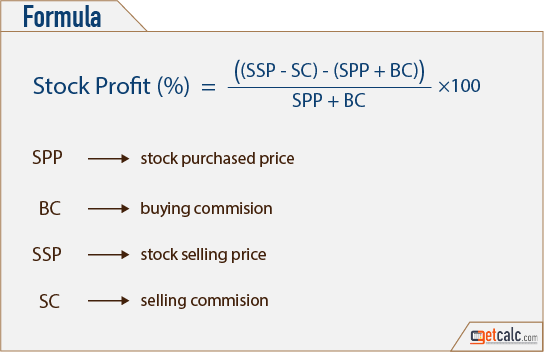
Now we gotta suck the blood out of that number. I’m talking about commissions, exchange fees, and that sneaky SEC fee that’s like one cent per thousand dollars. Most brokers are “commission-free” now, but don’t you dare think that means free.
Look at your trade confirmation. There’s often a line item called “Regulatory Fee” or “Trading Activity Fee.” It’s tiny, but it adds up.
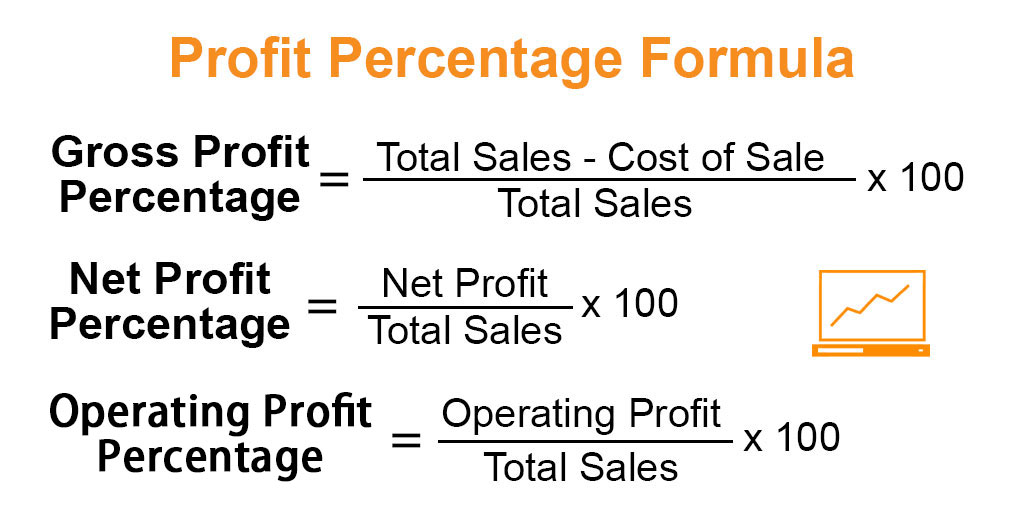
So, your real formula becomes: Net Profit = Gross Profit − (All Buy Fees + All Sell Fees). And if you’re using a fancy broker that charges $2 per option contract, that’s a whole different beast. Side note: if you’re trading options for fun, you’re either rich or insane.
The Tax Man Cometh (And He Wants His Cut)
Here’s where most beginner guides leave you hanging, chatting about gross and net like it’s a fishing trip. But no, my friend, we have to talk about capital gains tax. That’s the tax on your profit, and it’s not optional.
If you held the stock for less than a year, you’re paying short-term capital gains, which is just your regular income tax rate (ouch). If you held it for over a year, you’re in the long-term club, with rates usually between 0% and 20%, depending on your income.
So, the final, honest formula is: After-Tax Profit = Net Profit − (Net Profit × Your Tax Rate). Yes, it hurts. But it’s better to know you’re keeping $70 out of a $100 gain than to assume you’re keeping all $100 and then getting a nasty surprise in April.
The “Dividend” Trap
Oh, you think you’re clever because your stock pays a fat dividend? Let’s do the math on that. If a stock pays a $2 dividend per share and you own 50 shares, that’s $100 in your pocket. But that $100 is taxable in the year you receive it, even if you reinvest it.
And here’s the kicker: when the stock goes ex-dividend, the share price often drops by the dividend amount. So you’re not “earning” $100; you’re just moving value from one pocket to another, while the IRS watches you do it.
My advice? Treat dividends as a bonus, not as part of your core profit calculation. Otherwise, you’re double-counting your own money.
The Recipe for a Reality Check
Let’s build a tiny scenario, just for you. Say you buy 100 shares of “FakeCorp” at $20 per share. That’s $2,000. You sell them a year later at $30 per share. That’s $3,000. Gross profit = $1,000.
Now, subtract your buy commission (say $5) and your sell commission (say $5). Net profit = $990. Since you held over a year, you pay, say, 15% long-term capital gains tax on that $990, which is about $148.50. Final, pocket-change profit = $841.50.
See the difference? The app would have screamed “50% RETURN!!” but you actually kept about 42% of your original money as pure profit. Still good, but knowing that distinction is the difference between being a smart investor and a broke gambler.
The Cost Basis Lie
One last thing—if you don’t track your cost basis (what you paid, plus fees), you’re flying blind. Most brokers do it for you now, but if you’ve ever transferred stocks between accounts, good luck. The IRS assumes you sold your first bought shares first (FIFO), which often gives you the biggest tax bill.
You can choose “specific identification” to sell the most expensive shares first, lowering your tax hit. But that requires you to actually say the words to your broker, which is terrifying for some reason. I get it.
At the end of the day, calculating profit is just about subtracting your total exits from your total entries, then respecting the government’s cut. Don’t let the green numbers make you dizzy. Ask yourself: What’s left after Uncle Sam and my broker high-five each other?
Now go check your own portfolio. And maybe send Dave this article. He needs it.