Translate Voice Recording To Text Free
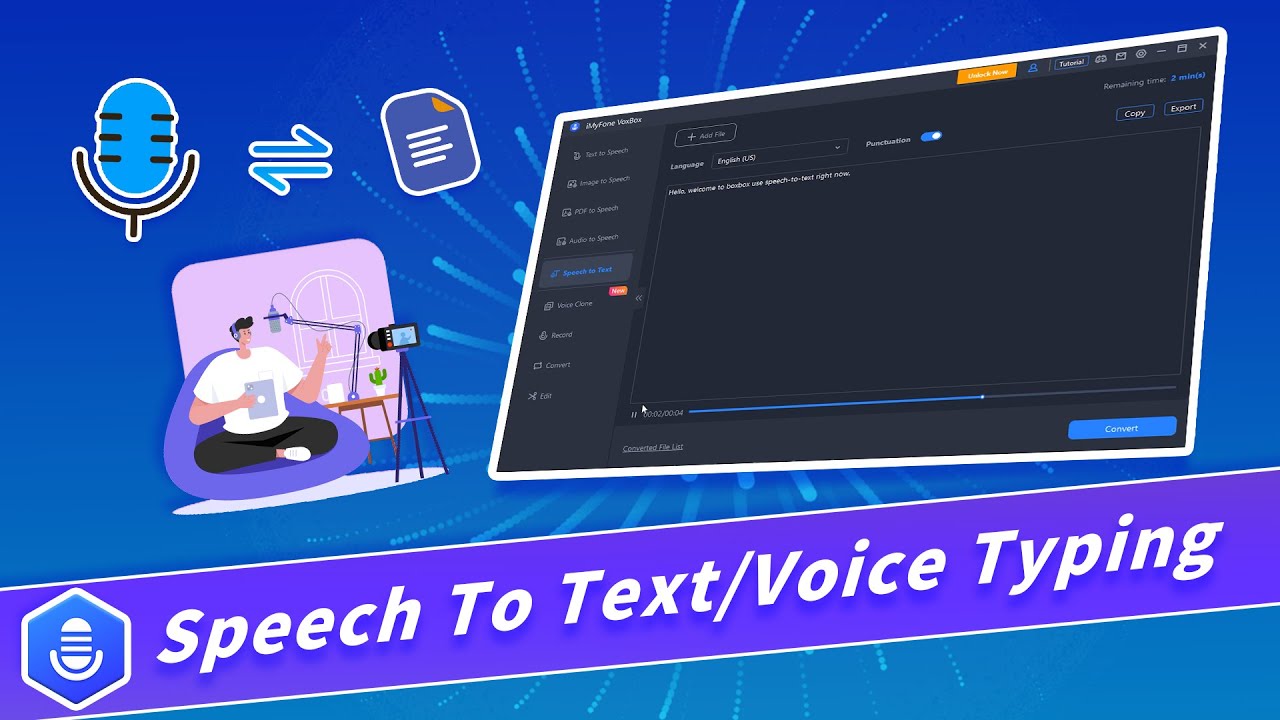
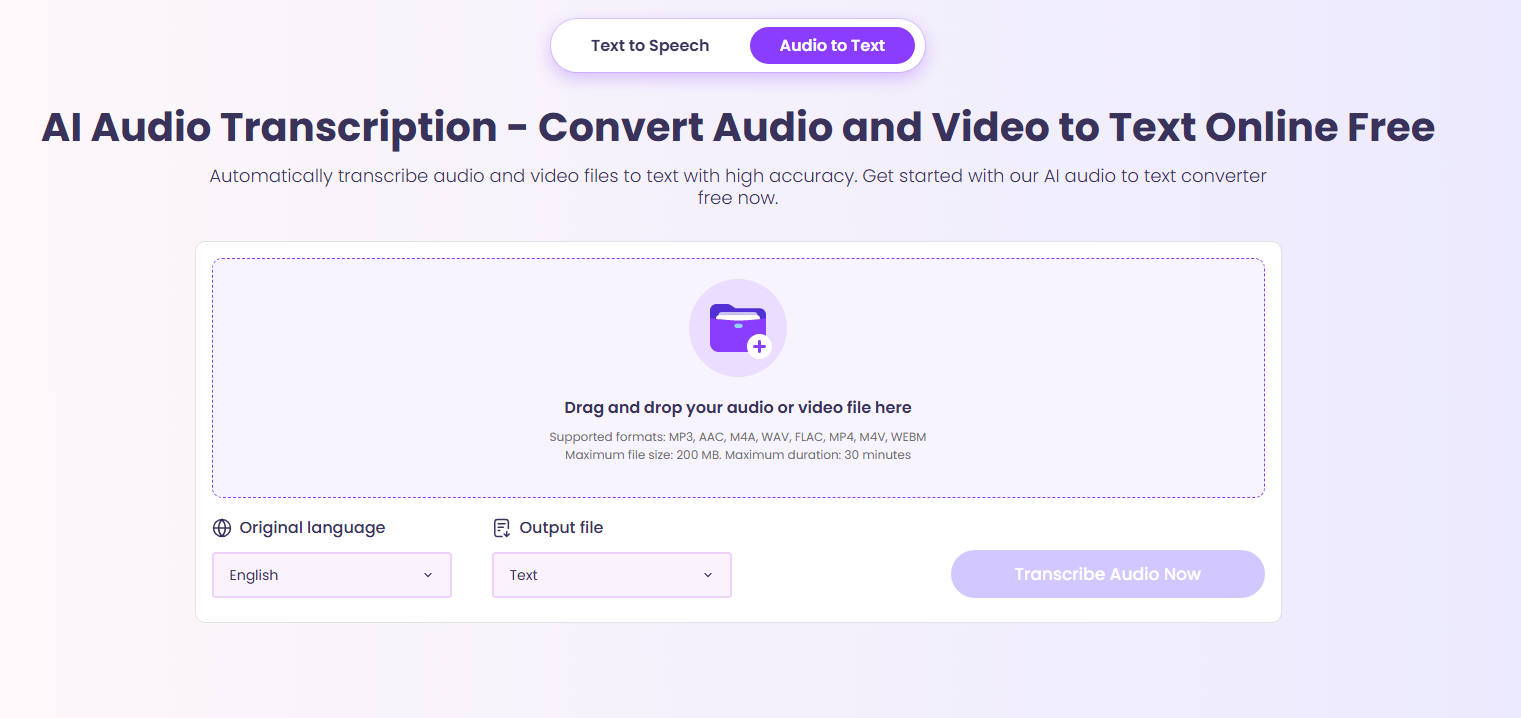
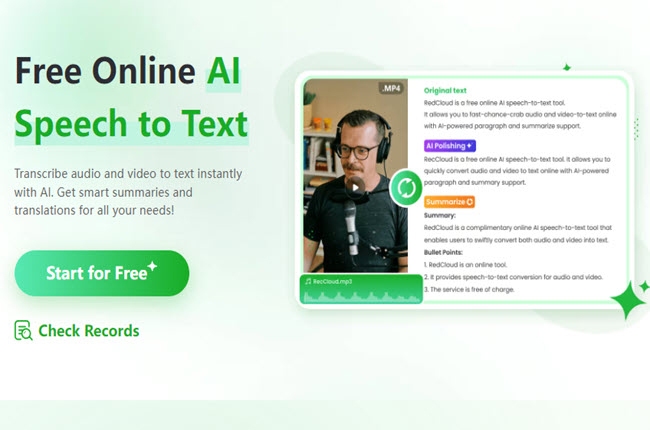
The ability to translate voice recordings to text free of charge has become an indispensable tool in our daily lives. This technology, known as Automatic Speech Recognition (ASR), has been rapidly advancing, thanks to significant breakthroughs in machine learning and natural language processing. At its core, ASR relies on sophisticated algorithms that can identify and transcribe spoken words into written text with remarkable accuracy. This process involves a complex interplay of phonetic, lexical, and semantic analysis, allowing the system to understand the nuances of human speech and produce coherent, readable text.
One of the key factors contributing to the development of ASR is the neural network architecture, which enables the system to learn from vast amounts of data and improve its performance over time. This architecture is modeled after the human brain's neural pathways, allowing the system to recognize patterns and make predictions based on the input it receives. Furthermore, the integration of deep learning techniques has significantly enhanced the accuracy and efficiency of ASR systems, making them capable of handling a wide range of languages, dialects, and speaking styles.
The implications of this technology are far-reaching, with applications in various fields such as transcription services, virtual assistants, and language learning platforms. For instance, podcasters and content creators can use ASR to generate transcripts of their audio recordings, making it easier for listeners to follow along and engage with their content. Similarly, business professionals can leverage ASR to transcribe meetings, conferences, and interviews, streamlining their workflow and improving productivity.
Must Read
Understanding the Science Behind ASR
The science behind ASR is rooted in linguistics and cognitive psychology, as it seeks to replicate the human brain's ability to process and comprehend spoken language. One of the key challenges in developing ASR systems is the variability of human speech, which can be influenced by factors such as accent, tone, and context. To address this challenge, researchers have developed sophisticated algorithms that can adapt to different speaking styles and environments, using techniques such as speaker normalization and noise reduction.
Another crucial aspect of ASR is the acoustic modeling component, which involves the analysis of the physical properties of sound waves and their relationship to the spoken language. This component is critical in identifying the phonetic features of speech, such as pitch, timbre, and intensity, which are essential in distinguishing between different words and phrases. By combining acoustic modeling with language modeling, ASR systems can generate accurate transcripts that take into account the context and meaning of the spoken language.
The development of ASR has also been influenced by advances in computer hardware and software, which have enabled the creation of more powerful and efficient processing systems. The use of Graphics Processing Units (GPUs) and Tensor Processing Units (TPUs) has significantly accelerated the training and deployment of ASR models, making it possible to process large amounts of data in real-time. Additionally, the development of cloud-based platforms has enabled the widespread adoption of ASR technology, providing users with access to scalable and on-demand transcription services.
Making the Most of ASR Technology
To get the most out of ASR technology, it's essential to understand the limitations and capabilities of the system. One of the key factors that can impact the accuracy of ASR is the quality of the audio recording, which can be affected by factors such as background noise, echo, and audio compression. To optimize the performance of ASR, it's recommended to use high-quality microphones and recording software, and to minimize background noise and distractions.
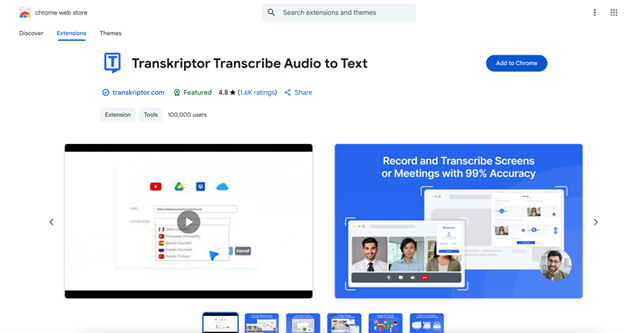
Another important consideration is the choice of ASR platform, which can vary depending on the specific needs and requirements of the user. Some popular ASR platforms include Google Cloud Speech-to-Text, Amazon Transcribe, and Microsoft Azure Speech Services, each of which offers a range of features and pricing plans. When selecting an ASR platform, it's essential to consider factors such as accuracy, speed, and cost, as well as the level of customization and support offered.
In addition to choosing the right ASR platform, there are several best practices that can help optimize the performance of the system. These include speaking clearly and slowly, avoiding slang and jargon, and providing context and feedback to the system. By following these guidelines, users can improve the accuracy and efficiency of ASR, and unlock its full potential in their daily lives.
Furthermore, ASR technology can be integrated with other tools and platforms to create powerful workflows and automations. For example, ASR can be used in conjunction with virtual assistants such as Siri, Google Assistant, and Alexa, to create voice-controlled interfaces and smart home devices. Additionally, ASR can be integrated with productivity software such as Microsoft Office and Google Docs, to enable voice-to-text functionality and streamline workflow.
Frequently Asked Questions
Q: How accurate is ASR technology, and what are the limitations of the system?
The accuracy of ASR technology can vary depending on the specific platform and implementation, but most modern ASR systems can achieve accuracy rates of 90% or higher. However, there are several limitations and challenges that can impact the performance of ASR, including background noise, accent and dialect, and technical jargon. To overcome these challenges, it's essential to use high-quality audio recordings, provide context and feedback to the system, and select the right ASR platform for the specific use case.
One of the key factors that can impact the accuracy of ASR is the quality of the training data, which can vary depending on the specific platform and implementation. To address this challenge, researchers and developers are working to create more diverse and representative training datasets, which can help improve the accuracy and robustness of ASR systems. Additionally, the use of active learning and human-in-the-loop techniques can help to further improve the accuracy and efficiency of ASR, by providing feedback and correction to the system.
Q: Can ASR technology be used for languages other than English, and what are the challenges and limitations of multilingual ASR?
Yes, ASR technology can be used for languages other than English, and many modern ASR platforms support a wide range of languages and dialects. However, there are several challenges and limitations associated with multilingual ASR, including limited training data, linguistic and cultural differences, and technical complexities. To address these challenges, researchers and developers are working to create more diverse and representative training datasets, which can help improve the accuracy and robustness of multilingual ASR systems.
One of the key factors that can impact the performance of multilingual ASR is the quality of the language model, which can vary depending on the specific language and dialect. To address this challenge, researchers and developers are working to create more sophisticated and nuanced language models, which can capture the complexities and subtleties of different languages and dialects. Additionally, the use of transfer learning and multitask learning techniques can help to improve the performance of multilingual ASR, by leveraging knowledge and expertise from one language to improve the performance of another.
![[ 2026 ] Best 5 Free Online Speech-to-Text Converters](https://images.imyfone.com/filme/assets/article/speechnotes-speech-to-text-2.jpg)
Q: How can ASR technology be used to improve accessibility and inclusivity, and what are the benefits and challenges of ASR-based accessibility solutions?
ASR technology can be used to improve accessibility and inclusivity by providing real-time transcription and voice-to-text functionality, which can help individuals with disabilities such as hearing loss and dyslexia. Additionally, ASR-based accessibility solutions can provide multilingual support and cultural sensitivity, which can help to promote inclusivity and diversity. However, there are several challenges and limitations associated with ASR-based accessibility solutions, including technical complexities, cost and affordability, and user experience and engagement.
One of the key factors that can impact the effectiveness of ASR-based accessibility solutions is the quality of the user interface, which can vary depending on the specific platform and implementation. To address this challenge, researchers and developers are working to create more intuitive and user-friendly interfaces, which can provide a seamless and accessible experience for individuals with disabilities. Additionally, the use of co-design and participatory design techniques can help to ensure that ASR-based accessibility solutions meet the needs and preferences of diverse user populations.
Q: Can ASR technology be used for voice biometrics and speaker recognition, and what are the benefits and challenges of ASR-based voice biometrics?
Yes, ASR technology can be used for voice biometrics and speaker recognition, which can provide a secure and convenient way to authenticate and verify individuals. The benefits of ASR-based voice biometrics include high accuracy, convenience, and cost-effectiveness, but there are also several challenges and limitations associated with this technology, including security and privacy concerns, technical complexities, and user acceptance and adoption.
One of the key factors that can impact the effectiveness of ASR-based voice biometrics is the quality of the audio recording, which can vary depending on the specific platform and implementation. To address this challenge, researchers and developers are working to create more robust and resilient voice biometric systems, which can tolerate variations in audio quality and provide accurate and reliable results. Additionally, the use of machine learning and deep learning techniques can help to improve the accuracy and efficiency of ASR-based voice biometrics, by providing more sophisticated and nuanced models of speaker behavior and identity.
Q: How can ASR technology be used to improve customer service and customer experience, and what are the benefits and challenges of ASR-based customer service solutions?
ASR technology can be used to improve customer service and customer experience by providing automated chatbots and virtual assistants, which can help to resolve customer inquiries and issues in a timely and efficient manner. The benefits of ASR-based customer service solutions include cost savings, improved efficiency, and enhanced customer experience, but there are also several challenges and limitations associated with this technology, including technical complexities, user acceptance and adoption, and security and privacy concerns.
One of the key factors that can impact the effectiveness of ASR-based customer service solutions is the quality of the user interface, which can vary depending on the specific platform and implementation. To address this challenge, researchers and developers are working to create more intuitive and user-friendly interfaces, which can provide a seamless and engaging experience for customers. Additionally, the use of machine learning and natural language processing techniques can help to improve the accuracy and efficiency of ASR-based customer service solutions, by providing more sophisticated and nuanced models of customer behavior and language.
By respecting the science behind ASR technology, we can unlock its full potential and create more efficient, effective, and inclusive solutions for a wide range of applications and use cases. Whether it's transcription services, virtual assistants, or customer service platforms, ASR technology has the power to transform the way we live, work, and interact with each other. By embracing the possibilities and challenges of ASR, we can create a more accessible, inclusive, and connected world, where technology serves the needs of all people, regardless of their abilities or backgrounds.
Ultimately, the future of ASR technology is bright and exciting, with many opportunities for innovation, growth, and development. As researchers and developers continue to push the boundaries of what is possible with ASR, we can expect to see new and innovative applications emerge, from smart home devices and wearable technology to autonomous vehicles and robotic assistants. By embracing the science and potential of ASR, we can create a more efficient, effective, and connected world, where technology enhances and enriches our lives in meaningful and lasting ways.