The Tight Curriculum Of Our Education System Essay

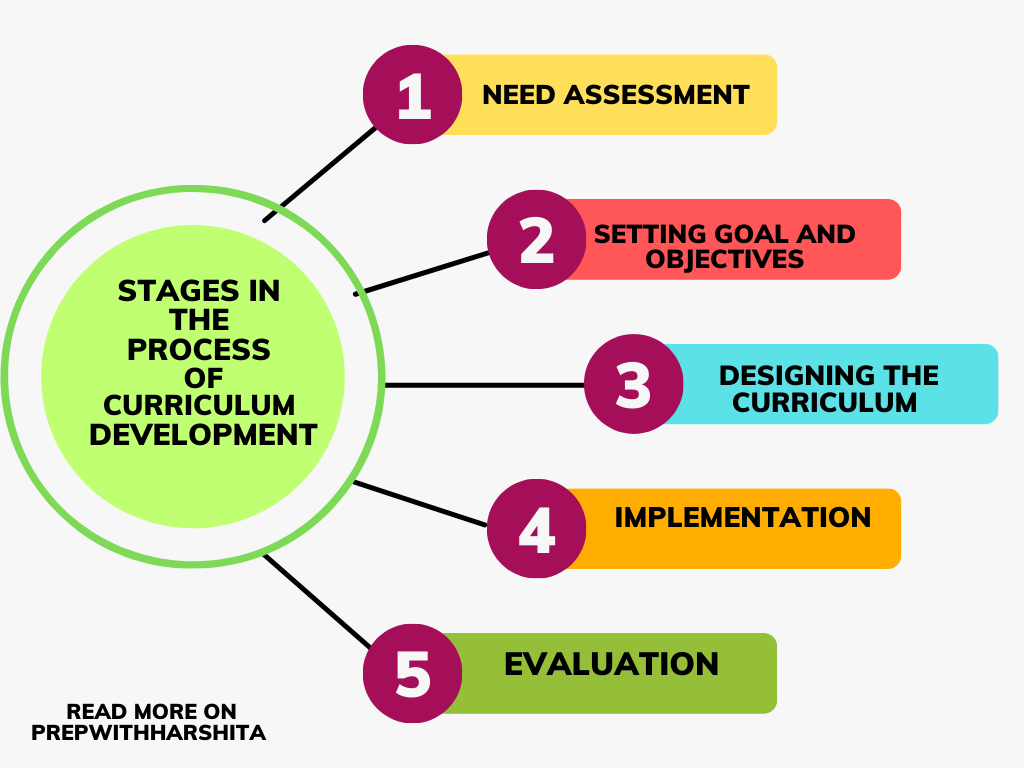
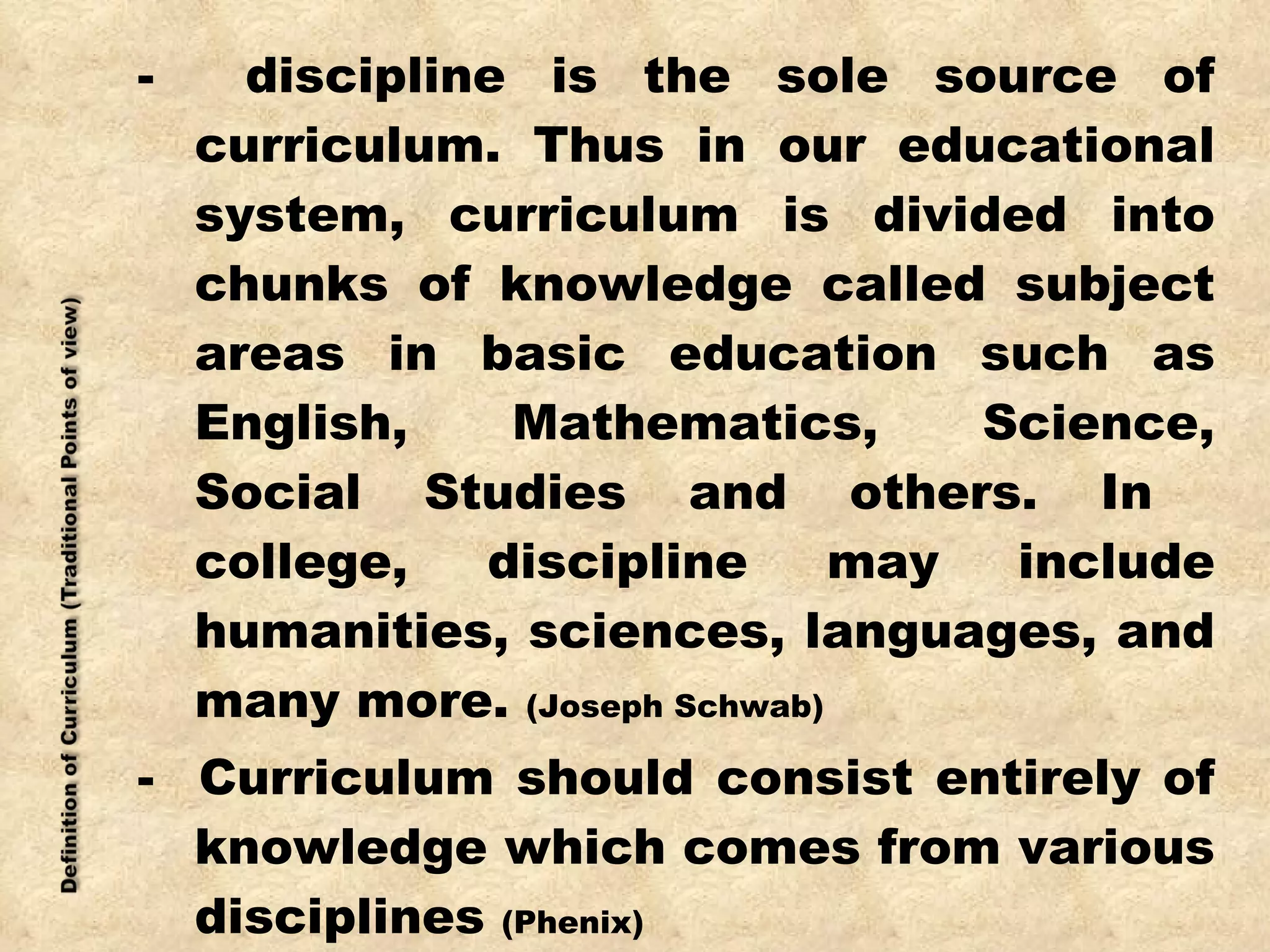
The education system has been a topic of discussion for many years, with many experts weighing in on its efficacy and impact on students. One of the most significant issues with the current system is the tight curriculum, which can leave students feeling stifled and unenthusiastic about learning. As
Albert Einsteinonce said, "Education is what remains after one has forgotten what one has learned in school," highlighting the need for a more flexible and engaging approach.
The tight curriculum is often criticized for being too rigid and inflexible, leaving little room for creativity or critical thinking. This can lead to a lack of motivation among students, who may feel that they are simply memorizing facts rather than actually learning. As a result, many students may struggle to see the relevance of what they are learning, leading to a disconnection from the material.
The Problem with Standardization
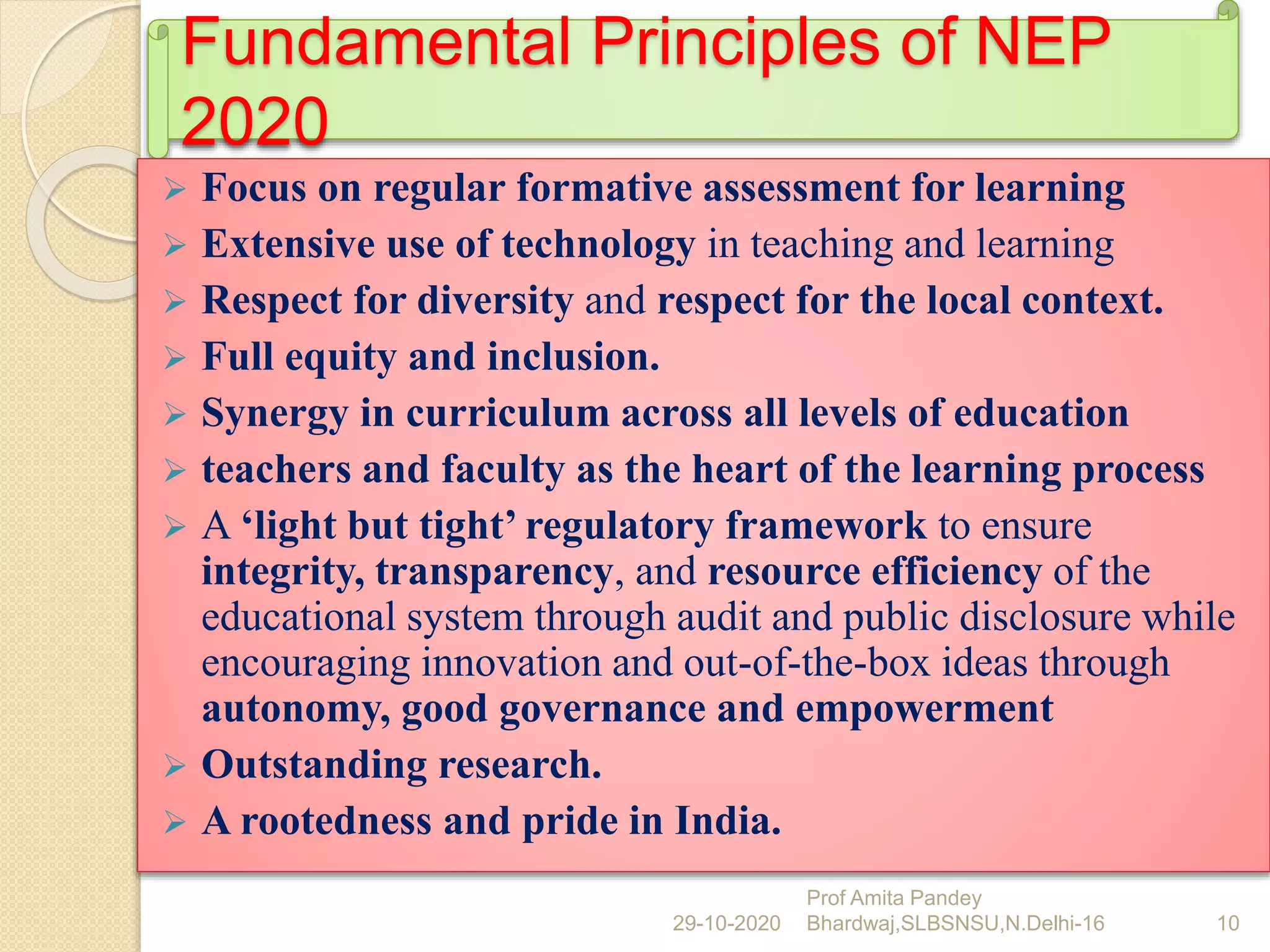
The standardization of education is another issue that contributes to the tight curriculum. With a focus on standardized testing and accountability, schools may feel pressure to prioritize rote memorization over more innovative approaches to learning. This can result in a lack of diversity in the classroom, as well as a failure to engage students who may not thrive in a traditional learning environment.
Must Read
Furthermore, the tight curriculum can also limit the ability of teachers to adapt their instruction to meet the needs of their students. With a focus on covering a specific set of learning objectives, teachers may feel constrained in their ability to innovate or try new approaches. As
John Deweyonce said, "The purpose of education is to prepare students for life, not just for a job," highlighting the need for a more nuanced and experiential approach to learning.
In addition to the limitations it places on teachers, the tight curriculum can also have a negative impact on student well-being. With a focus on academic achievement above all else, students may feel significant pressure to perform, leading to increased stress and anxiety. As a result, many students may struggle to maintain a healthy work-life balance, leading to a negative impact on their overall well-being.
The Need for Reform
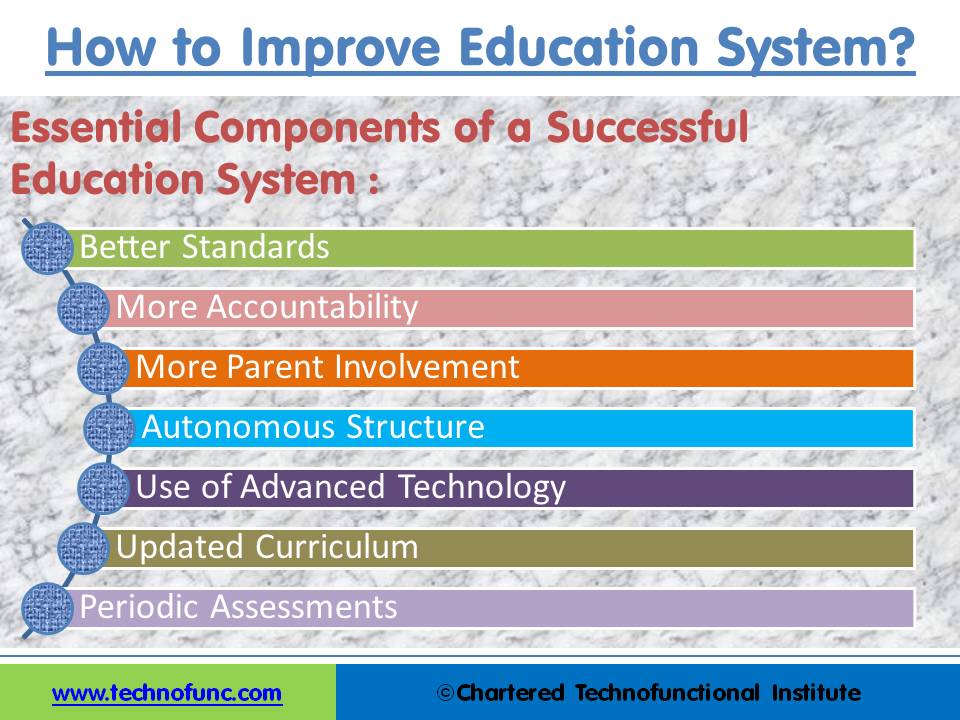
Given the limitations of the tight curriculum, it is clear that reform is needed. By prioritizing flexibility and autonomy in the classroom, educators can create a more engaging and effective learning environment. As
Maria Montessorionce said, "The goal of education is to create people who are capable of doing new things, not simply of repeating what other generations have done," highlighting the need for a more innovative and student-centered approach to learning.
Ultimately, the tight curriculum is a significant issue that must be addressed in order to create a more effective and engaging education system. By prioritizing creativity, critical thinking, and student well-being, educators can create a more holistic and supportive learning environment that prepares students for success in all areas of life. As
Rabindranath Tagoreonce said, "The highest education is that which does not merely give us information but makes our life in harmony with all existence," highlighting the need for a more integrated and inclusive approach to learning.

In conclusion, the tight curriculum is a significant issue that must be addressed in order to create a more effective and engaging education system. By prioritizing flexibility, autonomy, and student well-being, educators can create a more holistic and supportive learning environment that prepares students for success in all areas of life. As we move forward, it is essential that we rethink the tight curriculum and work towards creating a more innovative and student-centered approach to learning.
As we consider the future of education, it is clear that the tight curriculum must be reformed in order to create a more effective and engaging learning environment. By prioritizing creativity, critical thinking, and student well-being, educators can create a more holistic and supportive approach to learning that prepares students for success in all areas of life. As
Nelson Mandelaonce said, "Education is the most powerful weapon which you can use to change the world," highlighting the need for a more transformative and empowering approach to learning.
Furthermore, the tight curriculum can also limit the ability of students to pursue their passions and interests. With a focus on covering a specific set of learning objectives, students may feel constrained in their ability to explore and discover new topics and subjects. As a result, many students may struggle to maintain a sense of curiosity and wonder, leading to a negative impact on their overall love of learning.
In order to create a more effective and engaging education system, it is essential that we rethink the tight curriculum and work towards creating a more innovative and student-centered approach to learning. By prioritizing flexibility, autonomy, and student well-being, educators can create a more holistic and supportive learning environment that prepares students for success in all areas of life. As
Benjamin Franklinonce said, "An investment in knowledge pays the best interest," highlighting the need for a more strategic and forward-thinking approach to education.