Sugar And Lemon Juice Hair Removal

Let’s be honest—the ritual of hair removal is rarely a highlight of anyone’s week. Between the razor burn, the ingrown hairs, and the slightly terrifying smell of chemical creams, it’s a wonder we don’t just embrace the fuzz. But what if the most effective, gentlest solution has been sitting in your fruit bowl and pantry all along? Welcome to the sticky, sunshine-sweet world of sugar and lemon juice hair removal.
This isn’t a new TikTok fad or a celebrity-endorsed elixir; it’s an ancient practice that has been smoothing skin for centuries. Long before the invention of the electric epilator, women in ancient Egypt were mixing these two humble ingredients into a paste. Legend has it that Cleopatra herself kept her skin impeccably smooth with a version of this very recipe—if it’s good enough for the Queen of the Nile, it’s definitely worth a spot in your Sunday self-care rotation.
The Sweet Science of Sticky
So, how does a kitchen concoction outperform a $50 laser kit? The magic lies in the sugar’s structure. When heated and cooled to the right temperature, sugar becomes a pliable, caramel-like resin that grips hair at the root rather than breaking it off at the surface.
Must Read
Unlike wax, which adheres to the skin and pulls the top layer along with the hair, sugar paste is water-soluble and only bonds to the hair itself. This means less pain, significantly less redness, and a much lower chance of that dreaded post-wax breakout. The lemon juice isn’t just for scent—it acts as a natural preservative and a brightening agent, helping to fade dark spots and kill bacteria that cause folliculitis.
Your DIY At-Home Elixir
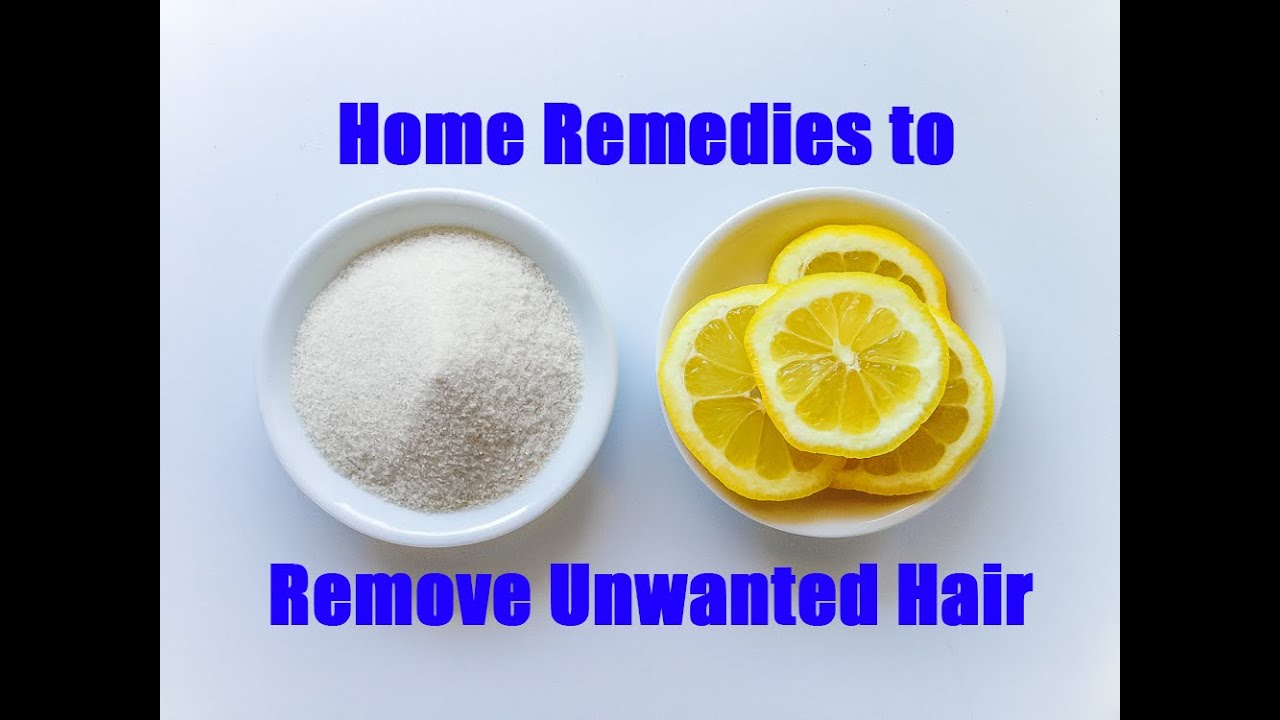
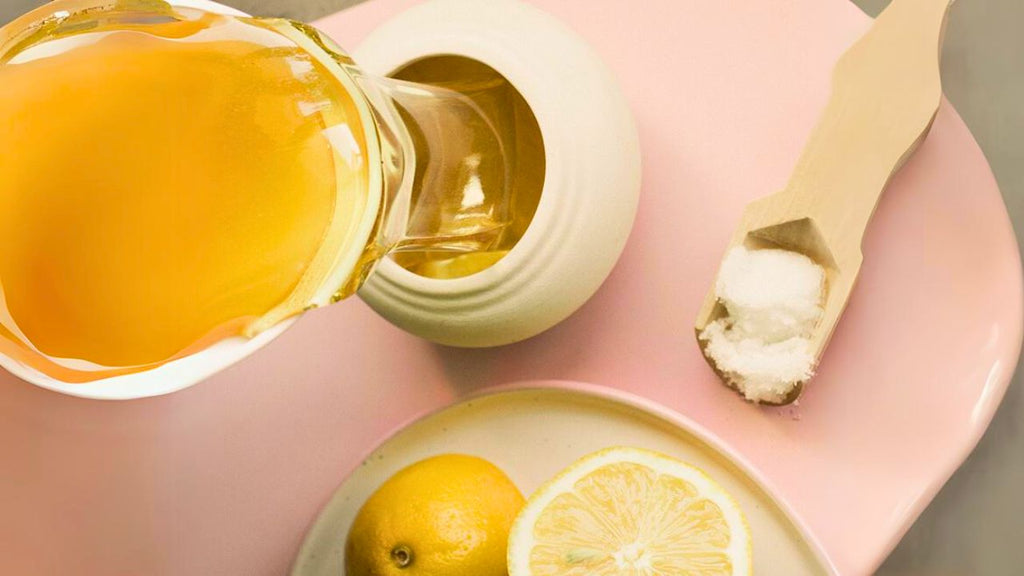
Making your own sugar wax—often called halawa in the Middle East or fudge in some beauty circles—is easier than you think, though it does require a little patience. You’ll need just three things: two cups of white sugar, a quarter cup of lemon juice, and a quarter cup of water.

Combine them in a heavy-bottomed saucepan over medium heat. Stir gently until the sugar dissolves, then let it bubble without stirring until it turns a deep amber color—think maple syrup, not dark molasses.
Here’s the pro tip: drop a tiny bit of the liquid into a glass of cold water. If it forms a soft, chewy ball that holds its shape, you’re done. If it dissolves, give it a few more minutes. Let it cool until it’s warm but comfortable to touch, then you’re ready to get sticky.

The Art of the Pull
Apply the paste against the direction of hair growth, then flick the edge up and pull quickly in the direction of growth. Wait, let’s rewind—that sounds confusing. For sugar, you press the paste on against the grain, then remove it with a swift, parallel-to-the-skin snap with the grain.
This counter-intuitive motion is the secret to why it hurts so much less than traditional wax. It allows the hair to release from the follicle smoothly without tugging the skin. Work in small sections, and always keep the paste taut by pressing down on the skin right behind where you’re about to pull.
And the best part? Cleanup is a breeze. Unlike wax, which requires a jug of industrial-grade oil to remove, sugar paste rinses away with plain warm water. You can even use the melted residue as an exfoliant for your arms and elbows—zero waste, full luxury.

Lifestyle Hacks & Fun Facts
Before you dive in, check your hair length: you need at least a quarter of an inch (about the length of a grain of rice) for the sugar to get a grip. Any shorter, and you’ll just be polishing the hair; any longer, and it might get a bit more ouch-y.
Fun fact: the sugar paste is technically edible—it’s just sugar, lemon, and water. But let’s be real, you’re not going to want to snack on it after it’s grappled with your leg hair. However, this safety aspect makes it the perfect choice for sensitive skin and even for eyebrow framing, where chemicals are a big no-go.

For the best results, use it on a day when you’re not in a rush. The ritual of it is half the fun—put on a podcast, pop open a cold drink, and let the sticky process become a mindful meditation. If you’re a beginner, start on your lower legs, where the skin is less sensitive, before attempting your underarms or bikini line.
In our fast-paced world of instant results and high-tech gadgets, there is something deeply satisfying about slowing down to make a potion from scratch. The act of cooking sugar, squeezing a fresh lemon, and applying it with your own hands connects you to a simpler, more ritualistic form of self-care.
It’s a tiny rebellion against the impersonal, sterile world of plastic razors and aerosol cans. So the next time you feel the urge to flinch at the idea of another uncomfortable hair removal session, remember that sometimes, the sweetest solutions are the ones you make yourself. Your skin will be glowing, your mind will be calm, and you’ll have saved your wallet (and your body) from a lot of unnecessary fuss—one sticky, sunny pull at a time.