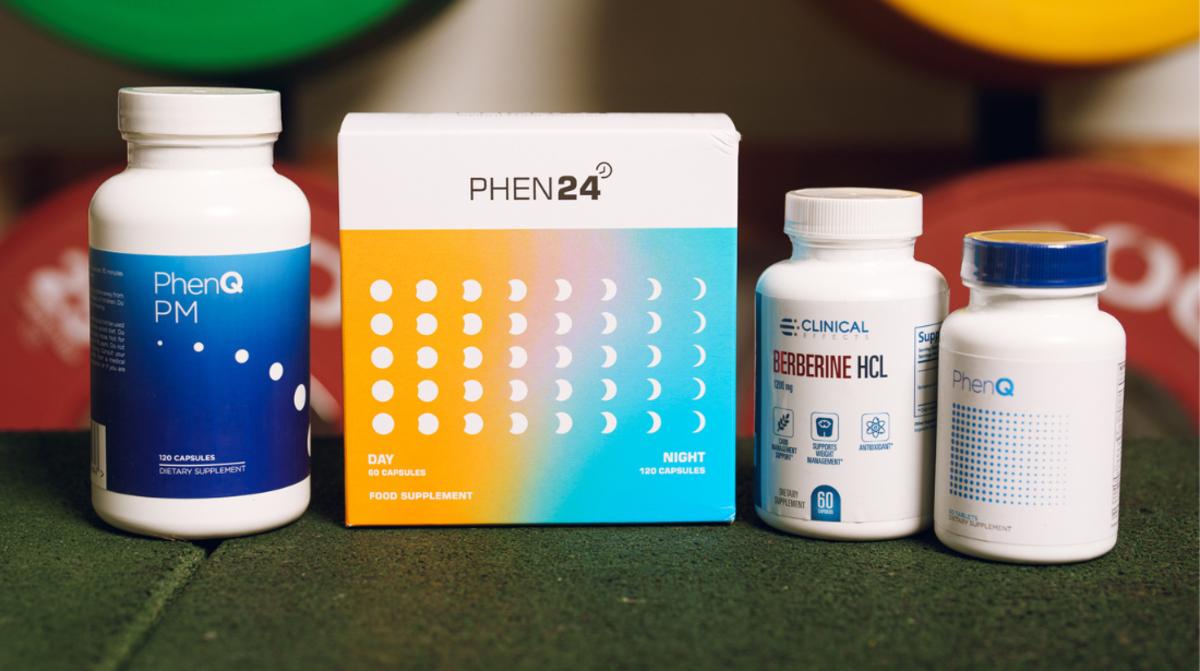
Strongest Appetite Suppressant Pills

There is a peculiar, almost melancholic romance to the story of hunger suppression, a tale that begins not in sterile laboratories but in the smoky kitchens of our grandmothers and the wild foraged edges of ancient footpaths. Long before the first pill bottle graced a pharmacy shelf, humanity’s battle with the growling stomach was fought with bitter teas, chewed roots, and the simple, desperate art of distraction. The original appetite suppressant was scarcity itself; in eras where a meager harvest meant winter’s survival, the body’s craving for food was a life-affirming signal, not an enemy to be vanquished. Yet, as the 19th century lumbered into the industrial age, and food became abundant for the first time in human history, that primal signal turned from a savior into a social liability, particularly for the burgeoning middle classes who equated a slim silhouette with moral fortitude and elevated status.
The humble beginnings of the commercial appetite suppressant were, frankly, a chaotic pharmacy of the bizarre. In the 1870s, a wave of “anti-fat” cures swept through Victorian England and America, many of which were little more than tinctures of vinegar, iodine, and dangerously misguided thyroid extract. The most notorious early protagonist was the thyroid hormone itself, discovered in 1890 by the physician Theodor Kocher, who noted that patients without thyroids lost weight. This led to a ghastly twenty-year period where obese patients were fed the raw thyroid glands of sheep, inducing a state of artificial hyperthyroidism—effectively poisoning the body into a frantic metabolic burn. It was a crude, astonishingly dangerous hack, yet it revealed a fundamental truth: the body’s appetite is a hormone-driven machine, and if you could trip its wiring, you could control the human will. This early, reckless tinkering set the stage for a century of pharmacological ambition, where the goal was not to feed the body, but to fool the brain into believing it was already full.
As the 20th century roared in, the idea of a “perfect pill” became inseparable from the cultural anxieties of modern femininity and the masculine drive for dominance. The appetite suppressant ceased to be merely a medical tool and transformed into an icon of aspiration, a tiny, colorful key to unlock a more socially acceptable self. The necessity was no longer survival, but belonging; the hunger pangs were not fatigue, but failure. This psychological shift is the bedrock upon which the modern, multi-billion-dollar industry stands, and understanding it is crucial for anyone who has ever stared down a mirrored reflection, wishing for a chemical shortcut to a moment of peace.
Must Read
The Forgotten Era of Amphetamine and the “Rainbow Pill”
The most dramatic, and frankly terrifying, transformation of appetite suppression arrived on the wings of amphetamine. Introduced in the 1920s as a decongestant, it was soon—by the 1930s—marketed aggressively as the ultimate weight-loss miracle, often under the trade name Benzedrine. During the 1940s and 1950s, a bizarre cultural phenomenon took hold: the “pill cocktail.” Women (and a surprising number of men) would visit weight-loss clinics—often glorified offices in department stores—and walk out with a paper bag of pills in a dazzling array of colors. These “rainbow pills” were a highly customized, terrifyingly randomized mix of amphetamines (for appetite), diuretics (for water weight), laxatives, and often digitalis, a heart medication. The color of the pill dictated the time of day you took it: the yellow one for morning pep, the pink one for afternoon control, the blue one for evening jitters to be masked with barbiturates.
This era is defined by a profound, eerie nostalgia for a time when the doctor’s word was law and the science was, at best, a seductive guess. Vintage advertisements from 1948 show glamorous, cinch-waisted starlets proclaiming, “Just take a pill before lunch and lose weight without dieting!” There was no mention of the anxious, sweaty heart palpitations, the relentless insomnia, or the deep, grinding fatigue that followed the crash. The tragedy of the rainbow pill era is that it worked—amphetamines are brutally effective at killing hunger by flooding the brain with dopamine and norepinephrine, simulating a state of excited, frantic focus where eating seems irrelevant. Yet, this chemical hijacking came at a catastrophic price: addiction and psychosis. By the late 1960s, the medical community, horrified by the epidemic of “speed freaks” who had started on diet pills, began to pull the plug. The 1970 Controlled Substances Act in the U.S. finally banned the prescription of amphetamines for simple weight loss, forcing a recalibration of the industry.

What followed the amphetamine crash was a strange, sober period of chemical reassessment. Scientists, eager to replicate the success without the high, turned to a class of drugs that would slowly and less lethally alter brain chemistry. The 1980s introduced fenfluramine, a drug that worked on serotonin, the neurotransmitter responsible for feelings of satiety and well-being. Then came the infamous “fen-phen” combination—fenfluramine paired with phentermine—which in 1992 was celebrated as the holy grail of weight loss. Diet clinics across the country were swamped; it was a rock-and-roll era for obesity medicine, with doctors becoming celebrity figures. But the rave died in the late 1990s, when the FDA published reports linking fenfluramine to severe heart valve damage. The valvular heart disease was silent and deadly, and the hasty retreat from fen-phen left a stain on the industry’s integrity, a haunting reminder that the strongest appetite suppressant is often the most powerful gamble on a patient’s longevity.
Interestingly, a forgotten vintage fact from this time is the bizarre popularity of “bulk” suppressants, which were a complete counterpoint to chemical drugs. These were the methylcellulose tablets, or “bulking agents,” that swore to swell in your stomach and trick it into feeling full. They were glorified, slightly sweetened wood pulp, and they worked only mildly, yet they were rational, safe, and utterly unglamorous. The nostalgia for these humble tablets is that they represent the physical, mechanical approach to appetite—a far cry from the neurological warfare of modern times. They remind us that for a few years, we believed a plug of fiber could block a craving, a quaint, almost childlike belief in the power of simple volume.
Modern Hacks: GLP-1 and the Data-Synced Stomach
Today, the classic principles of appetite suppression have been resurrected and radically hacked. The failure of amphetamines taught us that we cannot chemically stimulate our way out of hunger; the success of sugar substitutes taught us that we cannot trick our sweet tooth. The modern revelation, however, is understanding that the gut and the brain are one continuous, electrified superhighway. The now-famous GLP-1 (glucagon-like peptide-1) receptor agonists—the semaglutide drugs like Ozempic and Wegovy—are a digital-age reinterpretation of that 1890 thyroid experiment, but with smart precision. Instead of shutting down the brain’s desire, these molecular mimics of a naturally occurring hormone signal to the hypothalamus that you are full, slow gastric emptying, and often create a mild aversion to rich food. It is not a stimulant; it is a whisper to the body’s software, whereas the old pills were a hammer on its hardware.
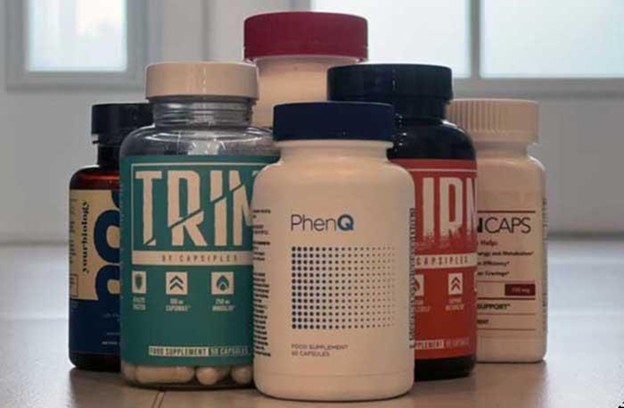
For today’s fast-paced, data-obsessed world, the hack has become biometric and personalized. We are moving past the one-size-fits-all pill bottle towards a future of discrete injectables, microdosing patches, and even app-enabled “smart pills” that release medication based on a gut's real-time glucose readings. The modern consumer does not want a “diet pill”; they want a metabolic manager. They want an algorithm that predicts their stress-eating spike on a Tuesday afternoon and delivers a nano-release of a satiety peptide twenty minutes before the craving hits. This is the synthesis of the old principles—altering the balance of hormones—with new technology that harvests our individual biological data. The lesson from the past is being applied with humility; we are finally respecting the complexity of the system, acknowledging that the strongest appetite suppressant is not a chemical bullet but a carefully orchestrated, personalized bi-weekly intervention.
The Long View of Appetite
1. Are the “Strongest” pills today as dangerous as the amphetamine rainbow pills of the 1950s?
In a word, no. The strongest modern suppressants, specifically the GLP-1 agonists, are the result of decades of rigorous molecular biology, and they are markedly safer than the chaotic stimulant cocktails of yesteryear. The old amphetamine pills were indiscriminate—they flooded your entire nervous system with adrenaline, which suppresses appetite by making you feel so anxious and hurried that you forget to eat. This is a false and brutal suppression. In contrast, modern drugs are targeted at specific receptors that are intrinsically linked to the digestive system, mimicking a state of physiological fullness that occurs after a large meal. They are designed to be taken at a controlled, steady dose, and while they carry risks—gastrointestinal distress, muscle loss, and a “rebound hunger” effect when stopped—they do not cause the cardiovascular meltdown or psychological addiction that was rampant in the 1950s.
However, a historical myth persists that “strong” automatically means “dangerous.” The real danger of modern pills lies not in the chemical composition, but in the cultural reliance on them as a magic bullet without changing dietary habits. In the 1960s, the threat was the pill itself. Today, the threat is the complacency it breeds. We are three generations removed from a time when appetite suppression was akin to a form of slavery—we were forcing the body to obey a brittle intention. Today, we have a tool that makes the body feel full, but if the patient does not learn to respect those new signals and establish mindful eating patterns, the weight returns with a vengeance once the prescription ends. The strongest pill is a great amplifier, but it is not a teacher.

2. Do these pills simply have a placebo effect, like the bulk-pulp tablets of the 1970s?
The placebo effect is a deeply powerful, often underestimated force in weight loss history—the very act of taking a pill can induce discipline. Yet, the GLP-1 drugs have been proven in countless double-blind, placebo-controlled trials to produce substantial weight loss—an average of 15% of body weight—that is measurably greater than any sugar pill or fiber tablet. The difference lies in the mechanism. The old bulk tablets (made of methylcellulose) were placebos with a side of roughage; they relied on your belief and the slight physical stretch of your stomach lining, which is a relatively weak signal in the face of high-calorie food.
Modern drugs are genuine hormone analogies; they are not a trick of the mind, but a topographical re-mapping of the gut-brain matrix. When we look at the vintage ads from 1976 for “Ayds” candy (a bizarre dietary chewing candy that contained a numbing agent for the tongue and appetite), we see a placebo reliant on psychological disgust. Today, an fMRI scan of a patient on semaglutide shows reduced activity in the brain’s reward center when viewing food images—this is a measurable, physical change, not a suggestion. However, a fascinating bridging fact is that the placebo response still exists on top of the drug; individuals who believe the injection is working tend to have better results, as our expectation of satiety can amplify the gut’s real signals.
3. Will this lead to a future where we never need to feel hungry, and is that a good thing?
Biologically, we are hurtling towards a future where hunger can be pharmacologically silenced with remarkable precision and minimal side effects. We are likely looking at a horizon where a patient could theoretically take a “meal” pill that provides all micronutrients and a hormone cocktail to switch off the ghrelin signal for 24 hours. This is an immense opportunity to solve obesity, which is a devastating global health crisis. But from a historical and philosophical view, we must be cautious. Hunger is not merely an annoyance; it is a primordial social glue. It is what brings families to the dinner table, what humbles us, and what drives our appreciation of a delicious meal. The old-world nostalgia of the 1940s, where the scarcity of sugar made a slice of cake a sacred event, would be lost in a world where appetite is a switch to be flipped off.

We have to question if suppressing the sensation of hunger suppresses the desire for connection. Eating is intertwined with memory, culture, and emotion. The technology to eliminate hunger would be a powerful tool but could also lead to a sterile, utilitarian approach to food. The healthiest future likely involves what is called “metabolic tolerance”—allowing periods of hunger (like Intermittent Fasting) to strengthen the neural pathways that regulate satiety, using modern drugs only as a surgical, short-term intervention. We should not seek to eradicate hunger, but to domesticate it, to keep the whisper of appetite as a guide, but to muffle the roar of pathological craving.
Looking forward to the next twenty years, the evolution of the appetite suppressant is destined to become less about the pill and more about the biological interface. We will likely see CRISPR-based gene therapies that permanently edit a patient’s receptors to be more sensitive to GLP-1, effectively giving them a naturally high metabolism without daily medication. The “pill” will become an implantable, bio-digital device that monitors hormone levels and administers a nanobot-derived peptide sequence in a perpetual, self-regulated loop. This will feel less like taking a drug and more like having a tiny, intelligent organ grafted onto your pancreas.
Yet, the ghost of the 1950s rainbow pill will still hover over us. The greatest challenge of the next generation will not be technological, but ethical—ensuring these futuristic suppressants are accessible to all, not just the wealthy, and that we do not create a society where the ideal body is one artificially engineered into permanent, placid satiety. The ultimate goal of humanity’s long struggle with appetite shouldn’t be to win the war, but to negotiate a peaceful peace treaty. We are moving towards a time where the strongest appetite suppressant might simply be a full awareness of how deeply our food and our emotions are intertwined—a digital keynote for the soul, delivered in a long-lasting, high-tech coating.