Slim Fit Vs Athletic Fit Dress Shirts
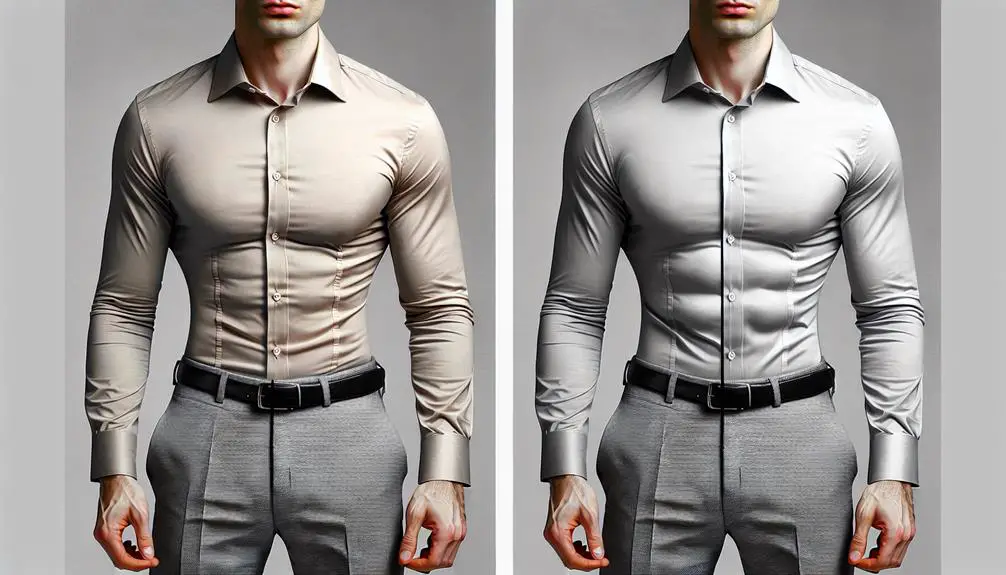
There’s a quiet revolution happening in the humble dress shirt, and it’s not about the collar or the cuff. It’s the age-old battle between the slim fit and the athletic fit, a choice that feels deeply personal and surprisingly creative. For centuries, men squeezed into boxy cuts, but now, the modern man—and the modern artist—treats the shirt as a canvas for self-expression.
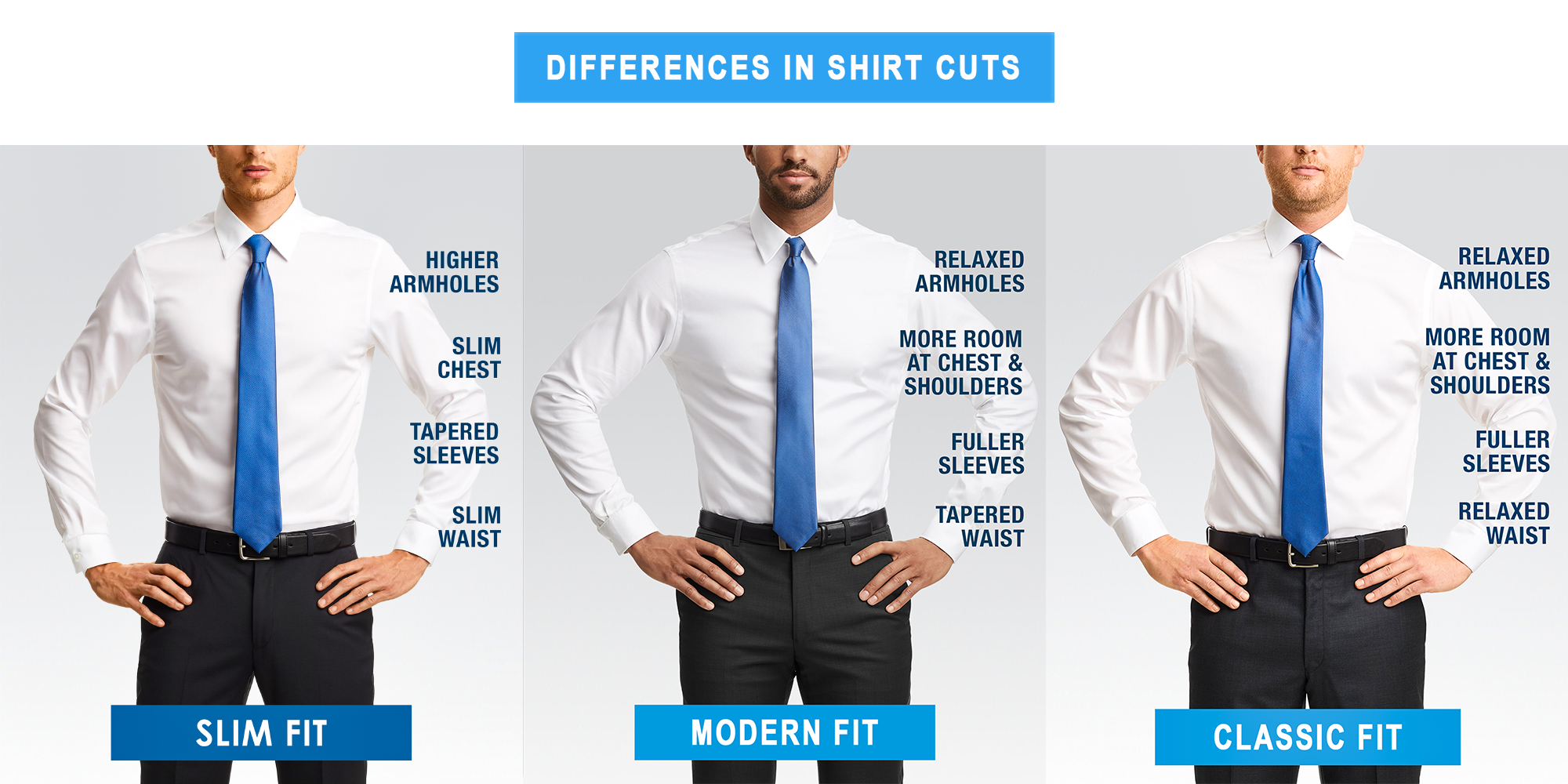
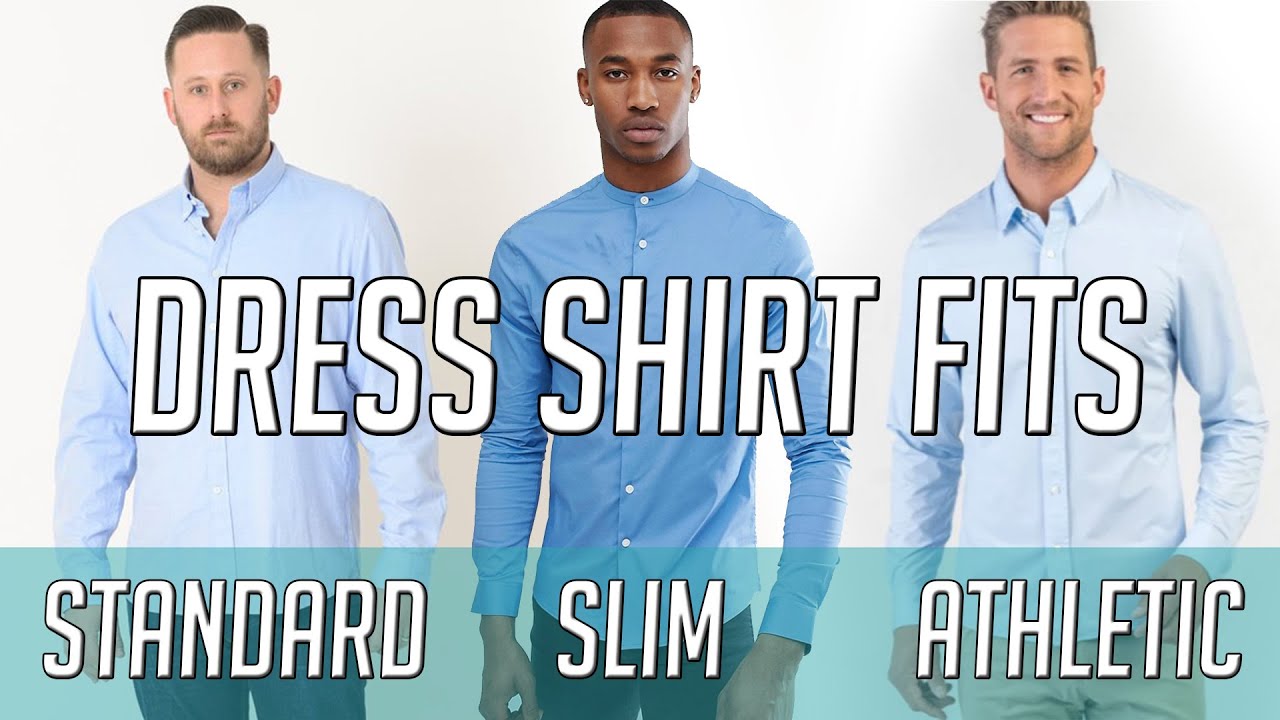
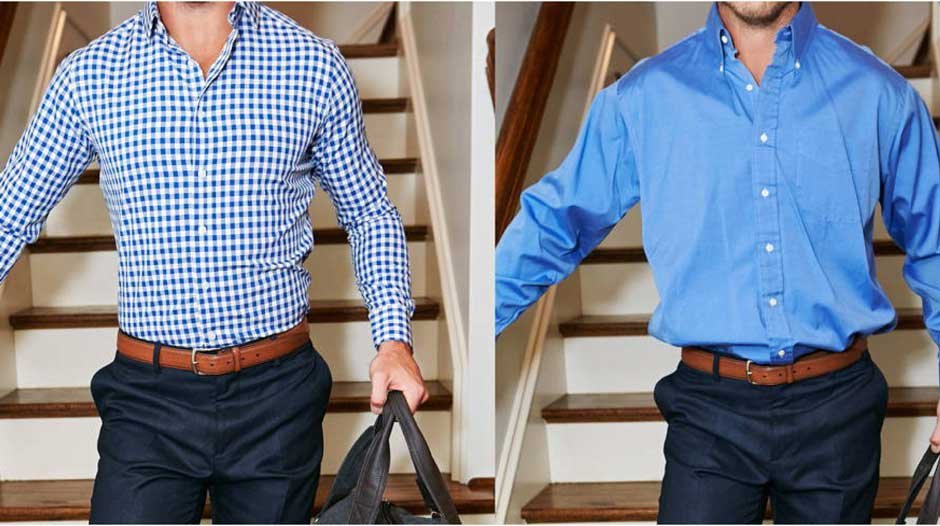
For painters, musicians, or hobbyists who spend hours at a workbench, the right shirt is more than just clothing; it’s a tool. A slim fit, with its tapered waist and narrower shoulders, offers a sleek silhouette that won’t snag on a guitar strap or a drafting table edge. Meanwhile, an athletic fit, designed with extra room in the chest and shoulders, gives you freedom of movement for reaching, stretching, and all those creative gestures that bring ideas to life.
Think of the athletic cut as your studio smock—it’s forgiving, breathable, and lets you swing a paintbrush or a hammer without feeling like a sausage casing. On the other hand, a slim fit is your stage costume; it highlights posture and confidence, perfect for a gallery opening or a live performance. The best part? You don’t have to choose one forever; your mood and your project can dictate the cut.
Must Read
Variations abound, from the “tailored slim” that hugs the torso to the “relaxed athletic” that adds just a whisper of fabric in the biceps. Some brands even offer a “slim-athletic” hybrid, which gives you a trim waist but a wider shoulder yoke—ideal for the weekend woodworker who also teaches yoga. For casual learners, this is a playful experiment in geometry: where does your body naturally want the fabric to fall?
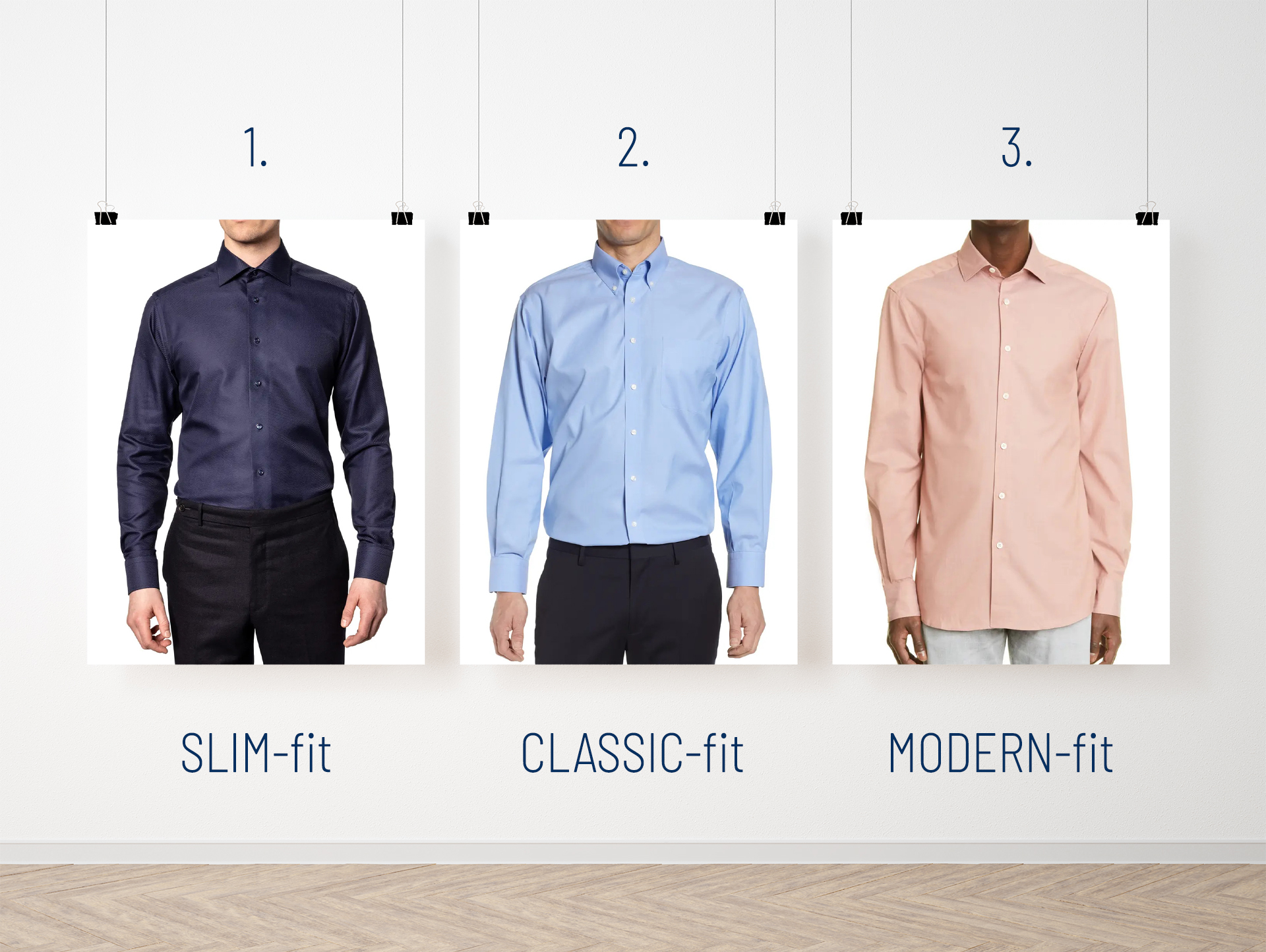
Ready to try it at home? First, measure your chest and waist separately—don’t assume your suit size is your shirt size. If the difference between those two numbers is more than eight inches, an athletic fit is your friend; if it’s closer to six, go slim. Second, do the shoulder test: raise your arms overhead like a starfish. If the shoulder seam digs in, size up or switch to athletic; if it stays put, you’ve found your slim match.
A third tip is to roll the sleeves and unbutton the top two buttons, which instantly adds a relaxed, artistic vibe to either fit. And don’t fear the tailor—a $10 alteration on the side seams can turn a boxy thrift-store find into your perfect silhouette. Start with one shirt in a neutral color, and wear it for a week while you paint, type, or build something; you’ll quickly feel which cut makes you forget you’re wearing it.

The joy here is in the discovery, not the label. You might find that a slim fit boosts your confidence for a morning of writing, while an athletic fit lets you breathe deeply during a dance rehearsal. This isn’t about looking a certain way; it’s about feeling like yourself while doing what you love. So next time you’re shopping, don’t just grab your usual size—try both. You’re not buying a shirt; you’re curating your own creative uniform, one that lets your shoulders roll and your mind wander.
And that’s the real magic: a dress shirt, when chosen well, becomes an invisible assistant. It doesn’t shout for attention; it simply makes your tools feel lighter and your ideas flow quicker. Whether you’re a watercolorist covered in splatters or a coder glued to a keyboard, the right fit is the difference between dressing up and showing up ready to play. Slip one on, and you’ll see—style is just anatomy with a sense of humor. Enjoy the experiment.