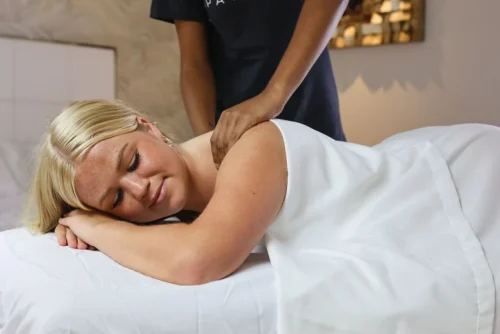
How To Give A Woman A Massage
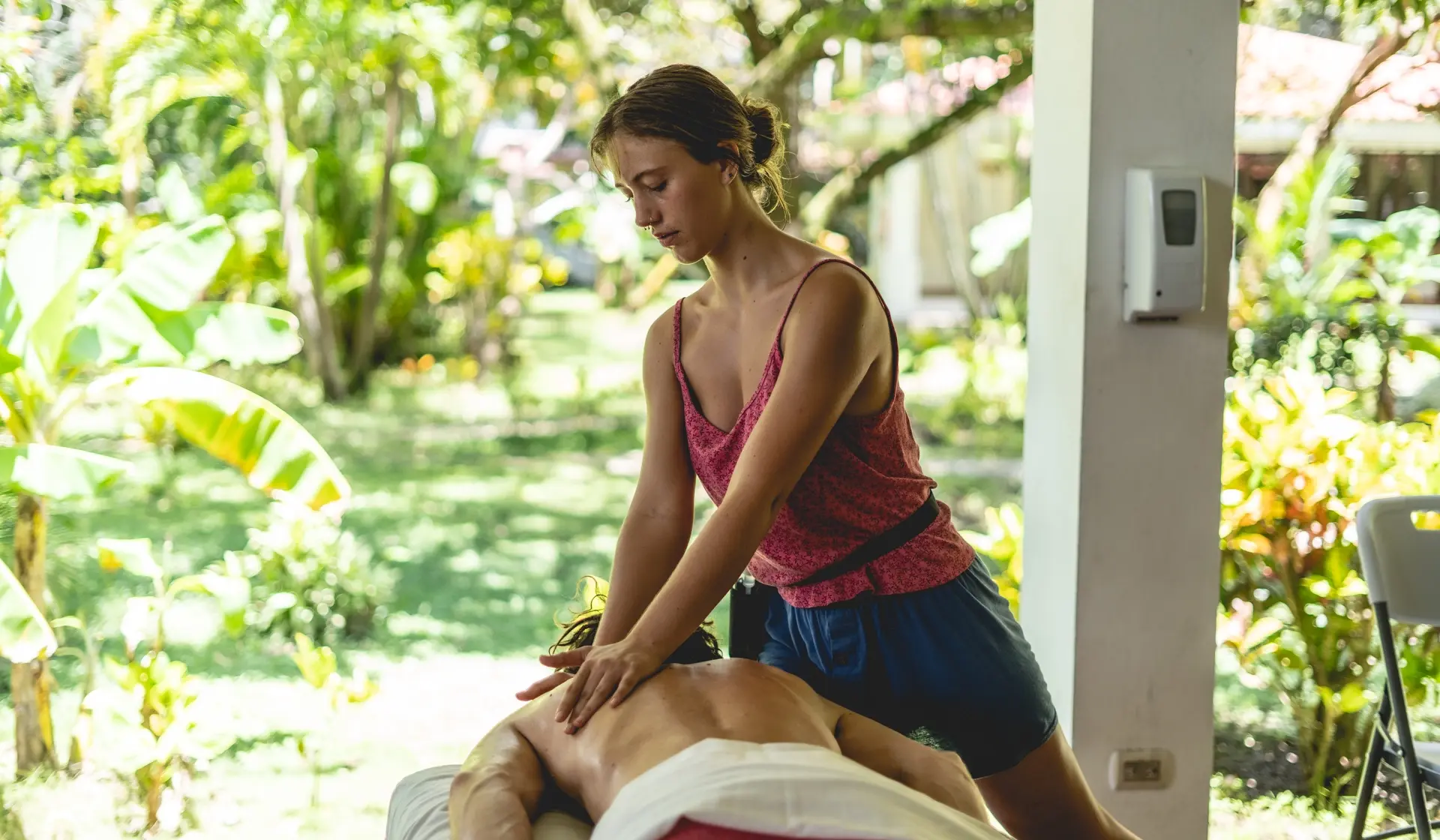
As we navigate the complexities of modern life, it's easy to forget the power of touch. A well-executed massage can be a game-changer, providing a much-needed release of tension and a deep sense of relaxation. But giving a massage is not just about rubbing someone's muscles; it's an art form that requires attention to detail, a sense of empathy, and a willingness to connect with the person on the receiving end. In this article, we'll delve into the world of massage, exploring its history, psychological aspects, and cultural impact, as well as providing practical insights and tips for giving a truly unforgettable massage.
The history of massage dates back thousands of years, with ancient civilizations such as the Egyptians, Greeks, and Chinese all incorporating various forms of massage into their healing practices. In modern times, massage has evolved to become a staple of the wellness industry, with a wide range of techniques and styles to choose from. But regardless of the specific modality, the core principles of massage remain the same: to create a safe, nurturing space where the receiver can let go of their worries and simply be. Whether you're a seasoned therapist or a curious beginner, giving a massage is a powerful way to connect with others and cultivate a sense of presence and intention in your daily life.
The Art of Massage
One of the most fascinating aspects of massage is its ability to tap into the parasympathetic nervous system, triggering a range of physiological responses that promote relaxation, reduce pain, and even lower blood pressure. But massage is not just about physical benefits; it also has a profound impact on our emotional and psychological wellbeing. By creating a sense of safety and trust, a skilled massage therapist can help the receiver access and process deep-seated emotions, leading to a greater sense of self-awareness and emotional intelligence. In many cultures, massage is also seen as a way to connect with others and build community, whether through traditional practices like Thai massage or more modern approaches like sensory deprivation therapy.
Must Read
Despite its many benefits, massage is often misunderstood or overlooked in modern society. In many cultures, touch is seen as a taboo or intimate act, making it difficult for people to receive or give massages without feeling uncomfortable or self-conscious. However, by educating ourselves about the history, principles, and techniques of massage, we can begin to break down these barriers and cultivate a greater sense of body awareness and consent. Whether you're giving or receiving a massage, it's essential to communicate clearly and respectfully, establishing a safe and nurturing space where both parties feel comfortable and supported.
In addition to its physical and emotional benefits, massage also has a rich cultural heritage that spans the globe. From the traditional hammams of Turkey to the modern spa resorts of Bali, massage has played a significant role in many societies, often serving as a ritual or ceremony that brings people together and fosters a sense of community. By exploring these different cultural practices and traditions, we can gain a deeper appreciation for the diversity and complexity of human experience, as well as the many ways in which massage can be used to promote healing, relaxation, and connection.
Practical Insights and Tips
So, how do you give a great massage? The first step is to create a comfortable and relaxing environment, free from distractions and interruptions. This might involve dimming the lights, playing soothing music, or using aromatherapy to create a calming atmosphere. Next, it's essential to establish clear communication with the receiver, discussing their needs, preferences, and any areas of tension or discomfort. By listening actively and responding with empathy, you can build trust and create a sense of safety, allowing the receiver to fully relax and let go.
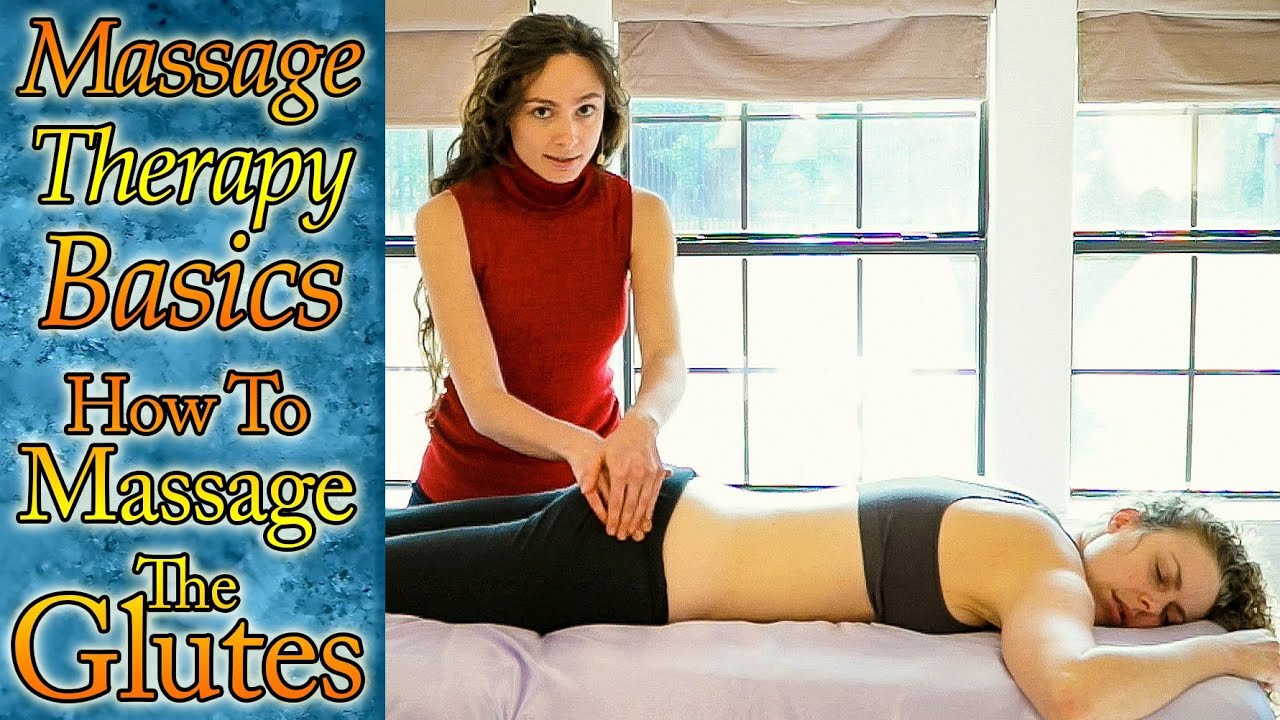
When it comes to the actual massage technique, there are many different styles and approaches to choose from. Some people prefer a more dynamic and energetic massage, incorporating techniques like deep tissue work or myofascial release. Others may prefer a more gentle and nurturing approach, focusing on long strokes, kneading, and soothing pressure. Regardless of the specific technique, the key is to be present and attentive, responding to the receiver's needs and preferences in the moment.
In addition to these general tips and principles, there are many specific scenarios and case studies that can inform and guide our practice. For example, giving a massage to someone with a disability or chronic illness may require special accommodations or modifications, such as using a transfer board or adaptive equipment. Similarly, working with couples or groups may involve additional considerations, such as establishing clear boundaries and communication, or incorporating partner massage techniques to foster a sense of connection and intimacy.
Finally, it's essential to remember that giving a massage is not just about the physical act itself, but also about the emotional and psychological connection that occurs between the giver and receiver. By cultivating a sense of empathy and compassion, we can create a safe and nurturing space where the receiver can feel truly seen, heard, and understood. Whether you're a seasoned therapist or a curious beginner, the art of massage offers a powerful way to connect with others, promote relaxation and wellness, and cultivate a deeper sense of presence and awareness in your daily life.
Frequently Asked Questions
What are the benefits of regular massage therapy?
Regular massage therapy can have a range of benefits, from reducing stress and anxiety to improving sleep quality and boosting the immune system. By incorporating massage into your self-care routine, you can experience a greater sense of relaxation and wellbeing, as well as improved physical and emotional health. Whether you're looking to manage chronic pain, enhance athletic performance, or simply feel more grounded and centered, massage therapy offers a powerful tool for promoting overall health and wellness.
In addition to these physical benefits, regular massage therapy can also have a profound impact on our emotional and psychological wellbeing. By creating a sense of safety and trust, a skilled massage therapist can help the receiver access and process deep-seated emotions, leading to a greater sense of self-awareness and emotional intelligence. Whether you're struggling with anxiety, depression, or trauma, massage therapy offers a safe and supportive space to explore your feelings and work through challenging emotions.
How do I choose the right massage oil or lotion?
Choosing the right massage oil or lotion can be a bit overwhelming, given the wide range of options available. However, by considering a few key factors, you can make an informed decision that meets your needs and preferences. First, think about the skin type and sensitivity of the receiver, as well as any allergies or sensitivities they may have. Next, consider the specific massage technique or style you'll be using, as well as the desired level of glide and traction. Finally, look for a high-quality oil or lotion that is hypoallergenic and non-comedogenic, and that is free from harsh chemicals and artificial fragrances.
In addition to these practical considerations, it's also worth thinking about the energetic and symbolic properties of different massage oils and lotions. For example, some oils like lavender and chamomile are often associated with relaxation and calmness, while others like peppermint and eucalyptus are often used to invigorate and stimulate. By choosing an oil or lotion that resonates with your intentions and goals, you can create a more powerful and effective massage experience that nourishes both body and soul.
Can I give a massage to someone with a disability or chronic illness?
Absolutely! Giving a massage to someone with a disability or chronic illness can be a powerful way to promote relaxation, reduce pain, and improve overall wellbeing. However, it's essential to approach this work with sensitivity and respect, taking the time to understand the individual's specific needs and limitations. This may involve using adaptive equipment or modify your technique to accommodate their physical abilities, as well as establishing clear communication and boundaries to ensure their comfort and safety.
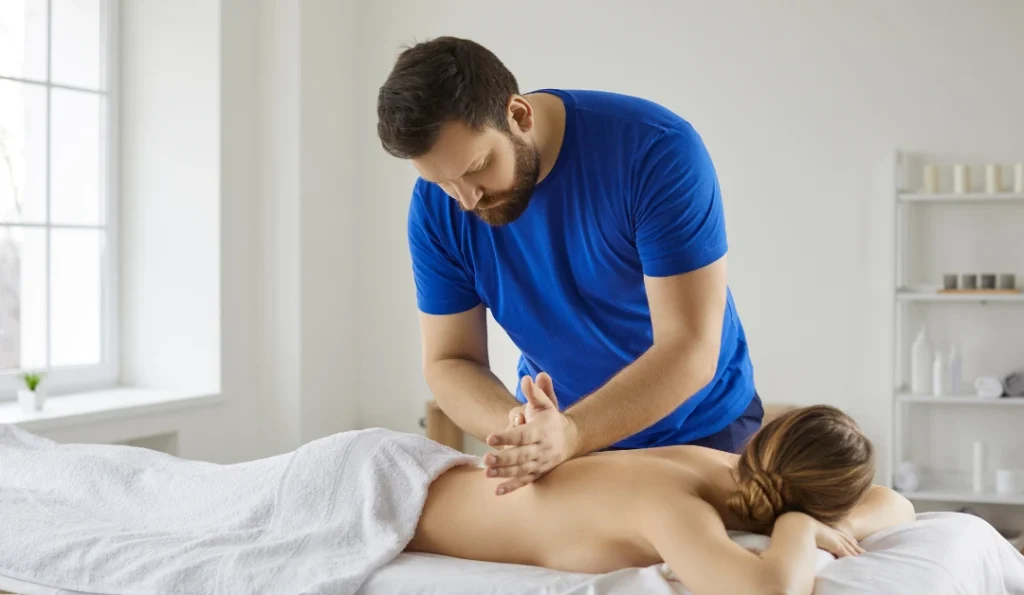
One of the most important things to remember when giving a massage to someone with a disability or chronic illness is to listen and be present. By taking the time to understand their experiences and challenges, you can create a safe and nurturing space that honors their unique needs and preferences. Whether you're working with someone who has a physical disability, a chronic illness, or a mental health condition, the art of massage offers a powerful tool for promoting healing, relaxation, and connection.
How do I create a relaxing and calming atmosphere for massage?
Creating a relaxing and calming atmosphere for massage is essential for promoting a sense of presence and relaxation in the receiver. One of the most effective ways to do this is to use sensory cues like lighting, sound, and aroma to create a soothing and calming environment. This might involve dimming the lights, playing gentle music, or using essential oils to create a peaceful atmosphere. Additionally, consider using comforting textures like soft blankets or plush towels to create a sense of warmth and security.
In addition to these physical elements, it's also important to create a sense of emotional safety and trust in the massage space. This can involve establishing clear boundaries and communication, as well as being present and attentive to the receiver's needs and preferences. By cultivating a sense of empathy and compassion, you can create a safe and nurturing space where the receiver can feel truly seen, heard, and understood.
Can I learn to give a massage at home, or do I need to attend a massage school?
Absolutely! While attending a massage school can provide a comprehensive education and training in massage therapy, it's also possible to learn the basics of massage at home. There are many online resources, books, and DVDs available that can provide a solid foundation in massage technique and principles. Additionally, consider practicing on friends and family members, or taking a workshop or class to learn specific techniques and modalities.

One of the most important things to remember when learning to give a massage at home is to start slow and be patient. Don't be discouraged if it takes time to develop your skills and confidence – with practice and patience, you can become a skilled and effective massage therapist. Additionally, consider seeking out guidance and mentorship from experienced therapists or instructors, who can provide valuable feedback and support as you develop your skills.
As we reflect on the art of massage, it's clear that this practice offers a powerful way to connect with others, promote relaxation and wellness, and cultivate a deeper sense of presence and awareness in our daily lives. Whether you're a seasoned therapist or a curious beginner, the world of massage is full of possibilities and opportunities for growth and exploration. By embracing this practice with an open heart and mind, you can discover new ways to nurture and care for yourself and others, and to create a more compassionate and empathetic world.
In addition to its many physical and emotional benefits, massage also has a profound impact on our relationships and communities. By creating a sense of safety and trust, massage can bring people together and foster a deeper sense of connection and understanding. Whether you're giving or receiving a massage, this practice offers a powerful way to build bridges and transcend boundaries, and to cultivate a more harmonious and compassionate world.
As we move forward in our lives and our practice, it's essential to remember the power and potential of massage to transform and uplift us. By embracing this practice with curiosity and enthusiasm, we can discover new ways to care for ourselves and others, and to create a more just and compassionate world. Whether you're a massage therapist, a healthcare provider, or simply someone who cares about the wellbeing of others, the art of massage offers a powerful tool for promoting relaxation, reducing pain, and fostering a deeper sense of connection and community.