
Should I Invest With Merrill Lynch

Picture this: you’ve finally got some real money to invest, but the thought of picking stocks feels like navigating a maze blindfolded. You want a pro to hold your hand, but you’ve also heard horror stories about big banks eating your returns with fees. That’s where the age-old question comes in: should you trust your hard-earned cash with Merrill Lynch? It’s a name that screams “Wall Street,” but in today’s app-driven world, is it still the right choice for you?
Who Exactly Is Merrill Lynch?
Merrill Lynch is the wealth management arm of Bank of America, and it’s been a financial heavyweight since 1914. Think of it as the classic, suit-and-tie investment firm—but now with a shiny digital makeover. They offer everything from a robo-advisor called Merrill Edge to full-service human financial advisors who’ll chat with you over coffee. The big draw? You get the stability of a mega-bank with the personal touch of a dedicated advisor, if you want it.
That’s a huge benefit because it means you can start small with just $500 and still get professional guidance. You don’t need to be a millionaire to open an account, which is a pleasant surprise for beginners. And if you already bank with Bank of America, your assets can boost your rewards points—a neat little perk.
Must Read
The Upside: What You’re Really Paying For
The main reason people choose Merrill Lynch is the human advice. Unlike a pure app like Robinhood, you can actually talk to a real person who reviews your goals, risk tolerance, and retirement timeline. That’s invaluable when the market drops 10% in a week and you feel like panic-selling—your advisor becomes your emotional anchor.
Plus, they offer a robust research platform with in-depth analyst reports, which is gold for DIY investors. You get access to Morningstar ratings and proprietary insights that most free apps simply don’t have. And if you prefer to manage your own trades, their self-directed platform is surprisingly modern and fast.
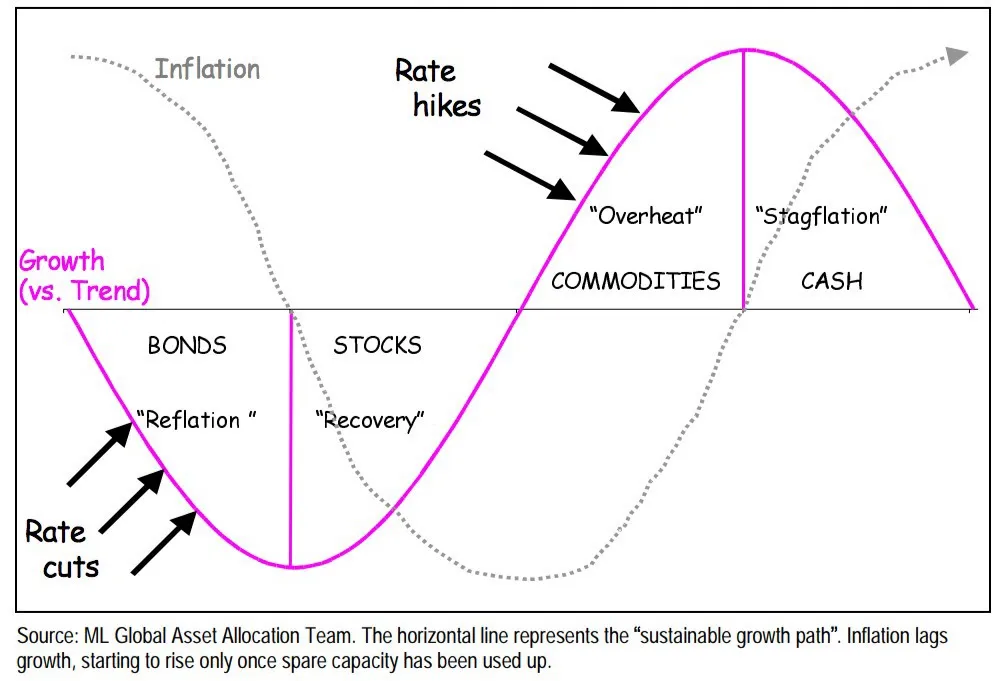
“Merrill’s real strength is its hybrid model—you can be a do-it-yourselfer, but with a safety net available whenever you need it.”
Another win? They have no minimum balance for their digital advisory service (Merrill Edge Guided Investing), and the annual fee is a flat 0.45%—that’s cheaper than many independent wealth managers. For a bank of this size, that’s competitive and transparent.
The Downside: Fees and Conflicts of Interest
Here’s the honest flip side: if you want a live human advisor with discretionary trading, you’ll likely pay an annual fee of 1% to 1.5% of your assets. That might not sound like much, but on a $100,000 portfolio, that’s $1,500 a year—and it eats into your compounding growth over decades. Compare that to a pure robo-advisor charging 0.25%, and you’ll see a big gap.
Also, Merrill’s advisors are technically brokers, not “fee-only” fiduciaries. That means they can push their own proprietary products or funds that pay them higher commissions, which is a conflict of interest. You’re not legally forced to pay for bad advice, but you have to ask the right questions to avoid overpriced mutual funds.

Finally, the onboarding can feel a bit clunky. Unlike an app that signs you up in five minutes, Merrill may require a phone call with a “financial solutions advisor” first. For some, that’s great hand-holding; for others, it’s annoying red tape.
So, Who Should Actually Use Merrill Lynch?
You’re a great fit if you value face-to-face guidance and already have a Bank of America checking account. You’ll benefit from the Preferred Rewards program—each quarter of your assets can reduce your mortgage rate or boost your credit card cash back. That’s real money you’re leaving on the table with a purely online broker.
But if you’re a seasoned investor who hates phone calls and wants maximum control with lowest fees, look elsewhere. A platform like Fidelity or Vanguard will give you similar research tools for zero ongoing advisory fees. And if you only have $2,000 to start, a simple index fund via a robo-advisor will do the job just fine.
The Verdict
Merrill Lynch isn’t a scam, and it isn’t a rip-off—it’s a perfectly solid, old-school firm with modern touches. The real question is whether you’re willing to pay a premium for human advice and bank-bundle perks. My advice? Start with their self-directed account (no fee for that) just to test their platform and customer service. Then, if you hit a life event like a marriage or inheritance, schedule a free advisor consultation—and press them hard on fees.
At the end of the day, the best investment is the one you’ll actually stick with. If having a calm, credentialed person on call lets you sleep at night, then yes, Merrill is a fine choice. But if you’re comfortable with a do-it-yourself app, save the 1% and invest that money in yourself. Either way, you now have the tools to decide—go forth and grow your wealth!


:max_bytes(150000):strip_icc()/NEW-M1Finance-vs-Merrill-16b107325e0441fa8b971d4ff6a68847.jpg)