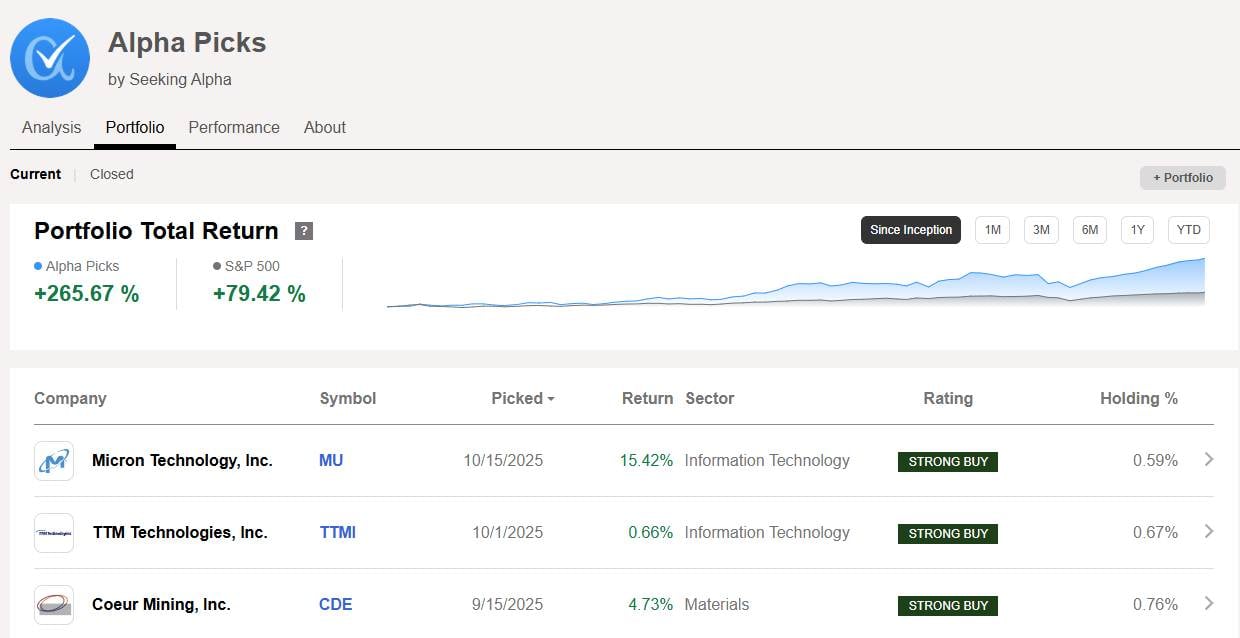
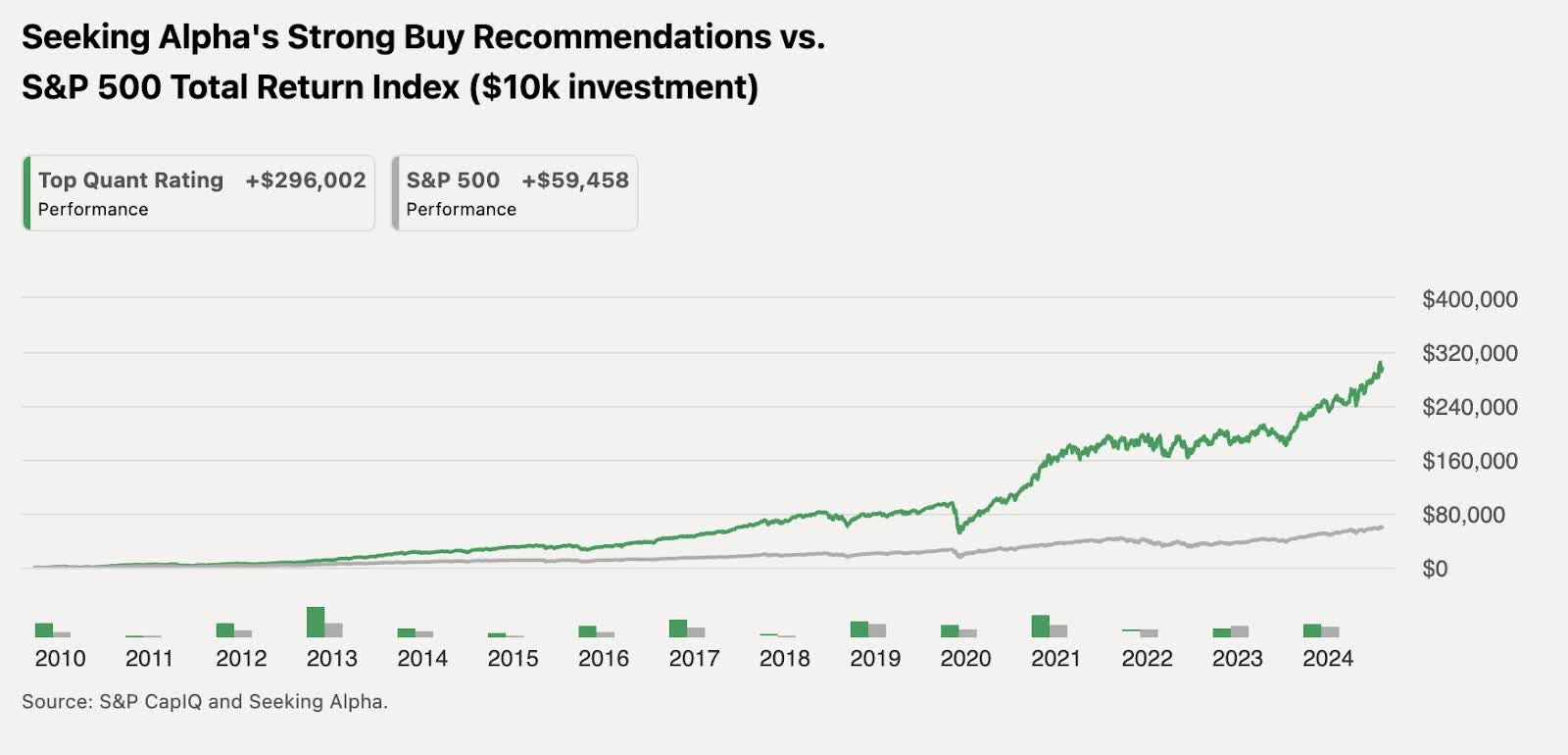
Seeking Alpha Stock Recommendations

Figuring out where to put your hard-earned money can feel like trying to solve a puzzle in the dark. That’s why stock recommendation sites like Seeking Alpha have become so wildly popular—they shine a flashlight on the chaos. It’s not just for Wall Street pros; it’s a playground for curious beginners and families who want their savings to work smarter, not harder. You get to peek over the shoulders of thousands of investors, reading their opinions, their wins, and their epic fails.
The core purpose is simple: to give you a second, third, and fourth opinion before you buy a single share. Instead of relying on a single analyst’s guess, you’ll find a mix of bullish cheerleaders and cautious skeptics debating every stock. For a beginner, this is gold—you learn why a price moves, not just that it moved. For families, it’s a practical way to avoid costly mistakes when planning for a house, college, or retirement, because you can screen for dividends and long-term stability.
Hobbyists treat Seeking Alpha like a fantasy sports league, but with real money. They love the “wall of worry” articles that break down a company’s debt, or the hidden gem reports on small-cap biotech firms. You don’t have to be a math whiz either; the site’s “Quant Rating” system turns complex data into a simple A+ to F grade. Think of it like checking a restaurant’s Yelp rating, but for stocks—some reviews are five stars, some are one, and you get to decide who’s right.
Must Read
Here’s a fun variation: try the “mock portfolio” game. Before you spend a dime, pick three stocks that Star contributors love and three they hate, then track them for a month. You’ll be shocked how often the “hated” ones outperform the hype—that’s a lesson no textbook can teach. Another neat trick is to filter for the “Dividend Aristocrats” list on the site, which highlights companies that have raised payouts for 25+ consecutive years, perfect for a family just starting a passive income habit.

To get started without feeling overwhelmed, don’t read every article. Instead, pick one familiar company—like Apple or Coca-Cola—and read just the three top “Bull” and “Bear” pieces. Next, set a rule: never make a trade the same day you read a recommendation. Sleep on it, because the best advice is usually the one that doesn’t pressure you to act fast. Finally, use the free “Compare” tool to see how a stock’s P/E ratio stacks up against its industry rivals—it’s a five-minute check that saves you from buying a banana priced like a gold bar.
At the end of the day, Seeking Alpha is a conversation starter, not a crystal ball. You’ll still need to make your own choices, but you’ll make them with your eyes wide open. The real joy is in the learning—turning from a nervous newbie into someone who can talk about “market tailwinds” and “moats” at a dinner party without cringing. And when your first small dividend check lands in your account, you’ll realize that this fun little hobby is actually building a bridge to your future.