Scrap Value Of Morgan Silver Dollar
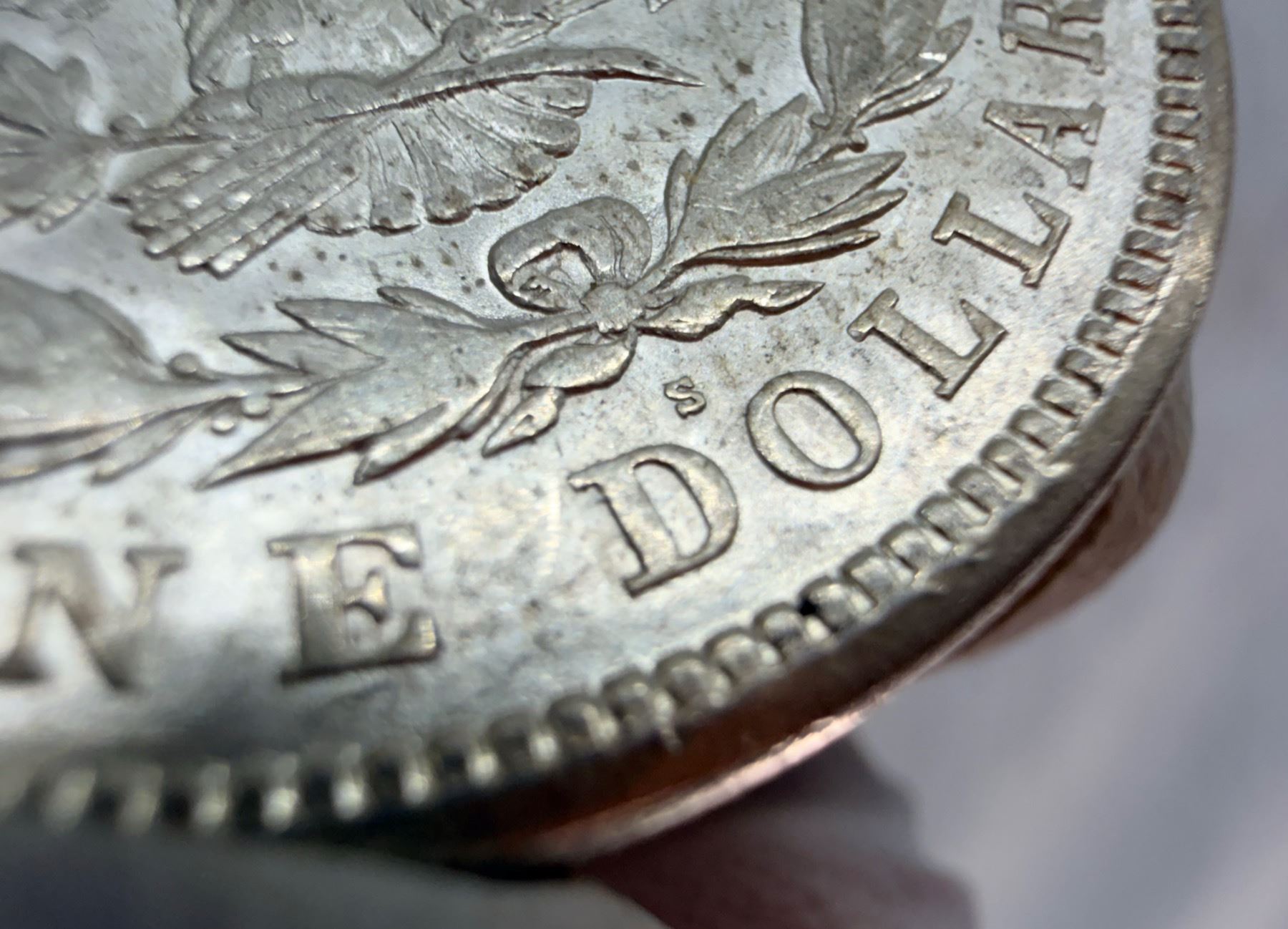
Imagine finding a dusty old coin in your grandpa’s sock drawer. It’s heavy, silver, and has a majestic eagle on the back—that’s a Morgan Silver Dollar, and your brain instantly thinks, “JACKPOT!” But then you hear the dreaded words, “scrap value,” and your dreams of a new yacht start to sink like a lead balloon. Hold your horses, because the story of its scrap value is way more exciting than just melting it down for pocket change.
What in the World is "Scrap Value" Anyway?
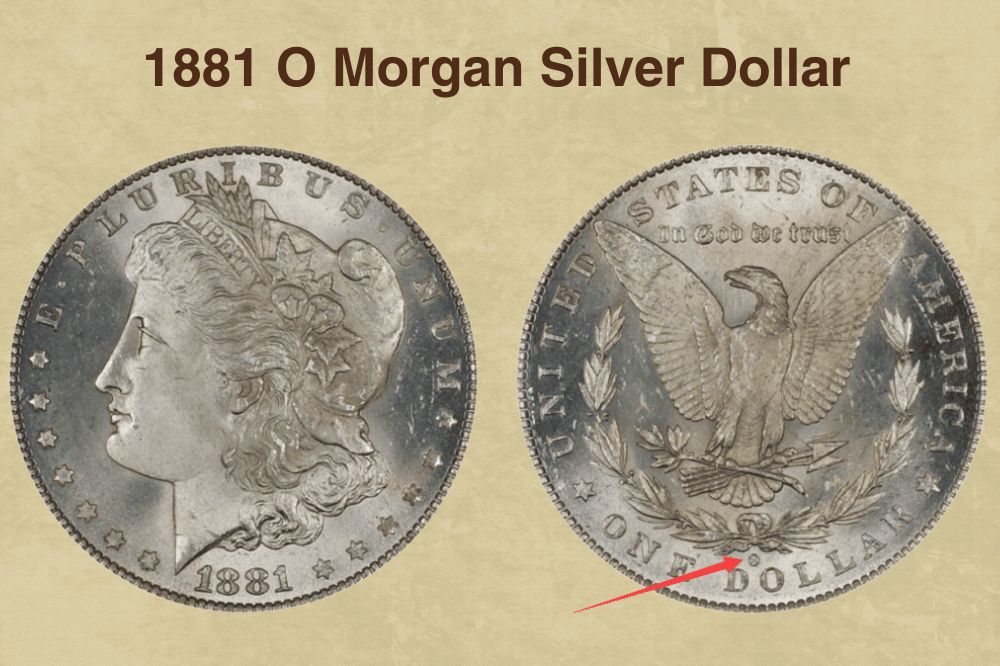
Simply put, scrap value is what you’d get if you melted the coin down and sold just the raw metal. For a Morgan Silver Dollar, that means the pure silver inside—about 0.77 ounces of the shiny stuff. This isn’t some boring math problem; it’s the baseline, the rock-bottom floor that keeps your coin from being worth less than a fancy coffee.
Right now, with silver prices bouncing around like a hyperactive puppy, that scrap value is around $18 to $22 depending on the day. So, even in the worst-case scenario, you’re not walking away with a nickel for your troubles.
Must Read
Why Your "Scrap" is Someone’s Treasure
Here’s the punchline that makes coin collectors giggle like school kids: the scrap value is rarely what you should actually sell for. Think of it like a pizza—the cheese and dough are the scrap ingredients, but a fully baked pepperoni masterpiece is worth way more, right? A Morgan Silver Dollar is a historical rock star, not just a hunk of metal.
You wouldn't scrap a classic car just for its steel, so why melt a piece of the Wild West for its silver?
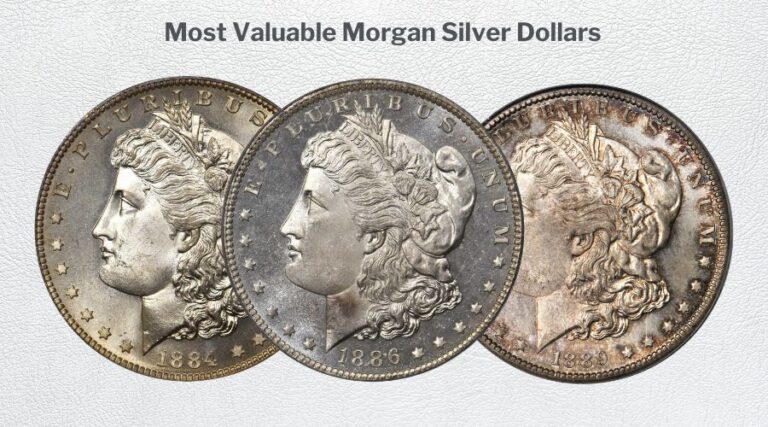
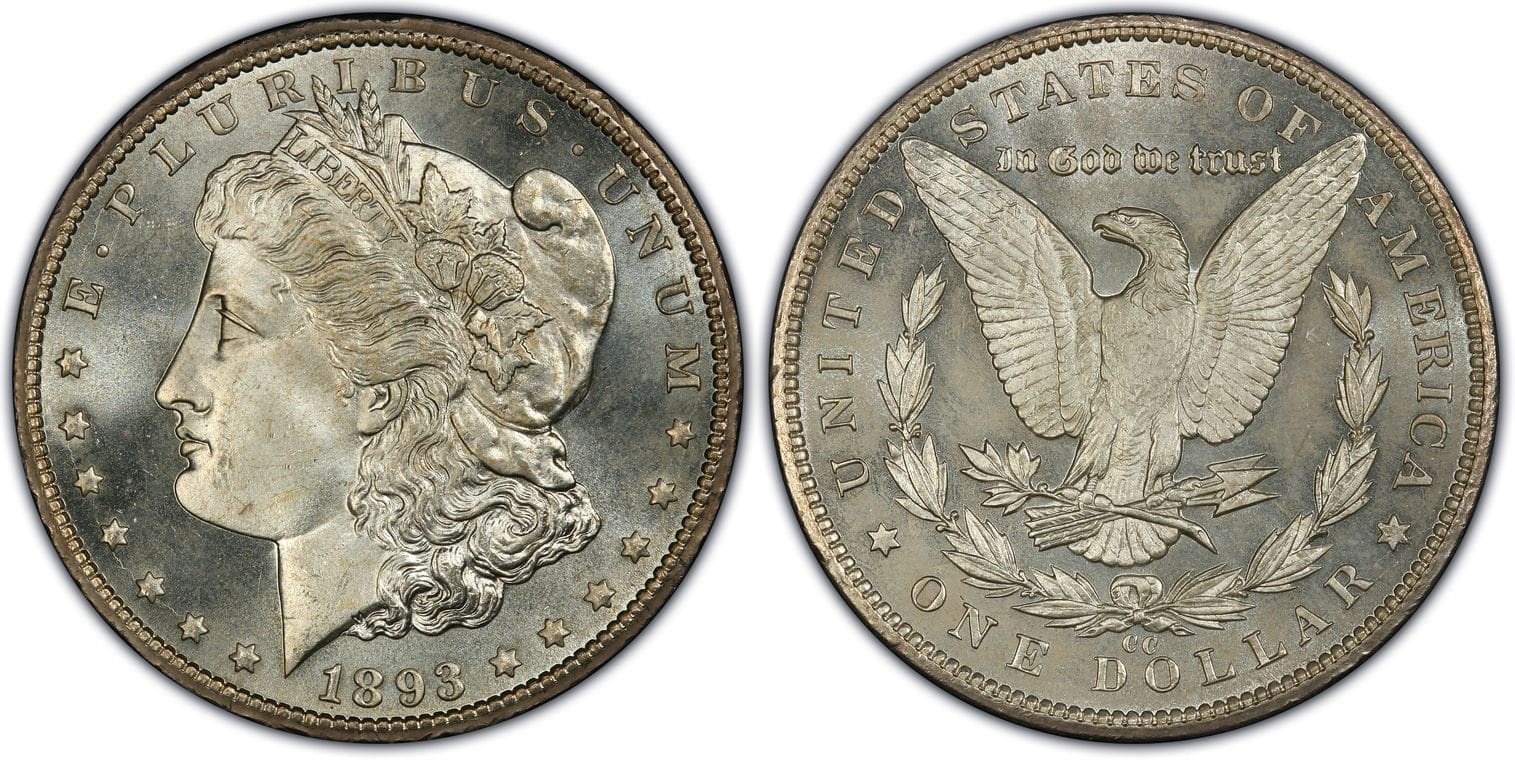
Most Morgans are worth anywhere from $25 to $50 simply because they’re collectible. But if you happen to have one from a rare year, like an 1893-S, we’re talking thousands of dollars—and that makes the scrap value look like Monopoly money.
The "Oh No" Factor: Condition is King
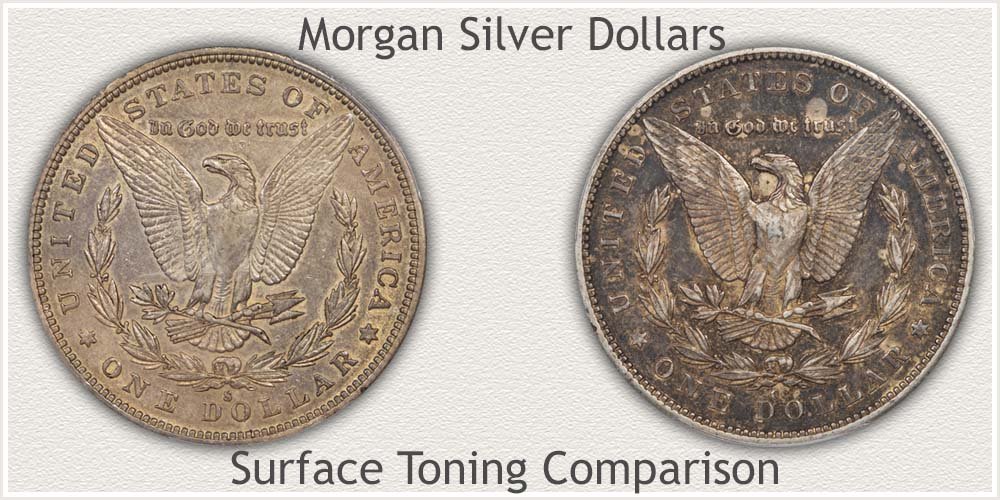
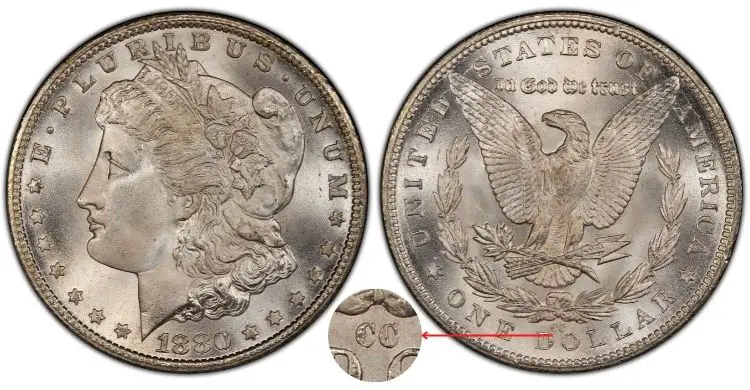
Here’s where you need to channel your inner detective. A Morgan that’s been through a washing machine or used as a hockey puck will have a low grade, so its value slumps closer to that scrap price. But a coin with crisp details, no deep scratches, and that beautiful original shine? That’s the golden ticket—or should I say, silver ticket!
Professional graders, like PCGS or NGC, give these coins a score from 1 to 70. A low score means you’ll get scrap plus a tiny bonus, but a high score, like MS65 or better, can triple or quadruple that scrap value without breaking a sweat.
The Fun, Real-World Math
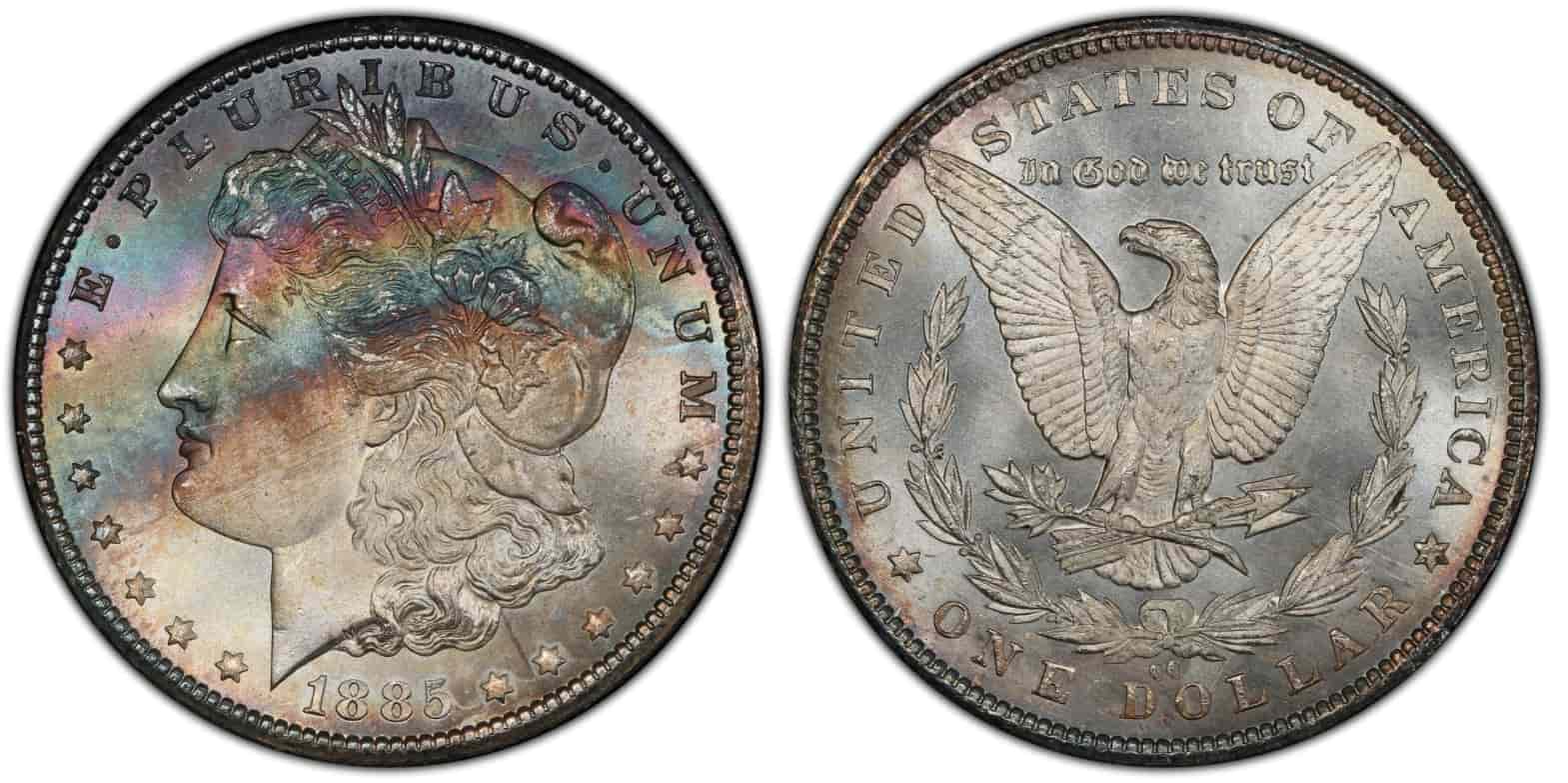
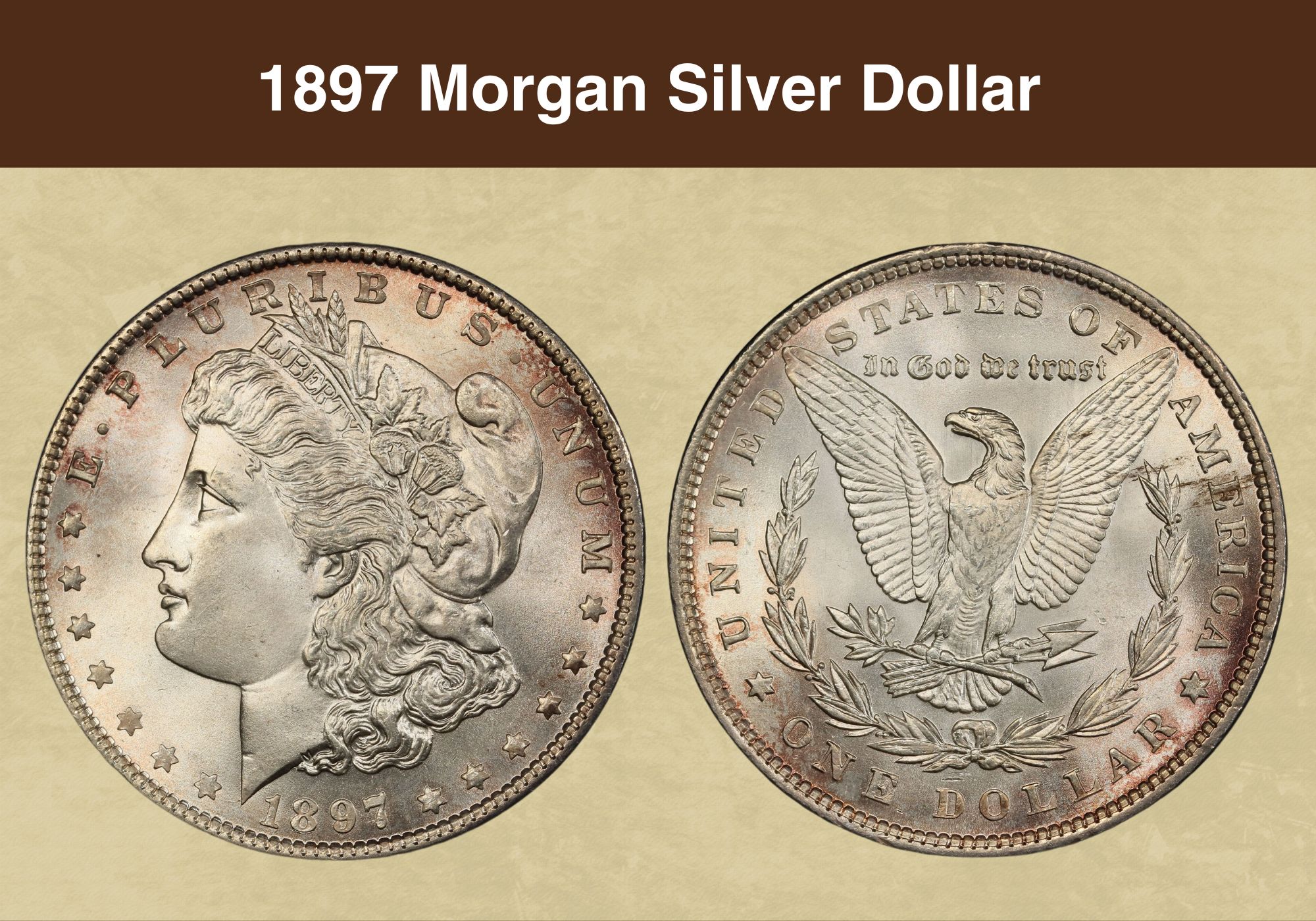
Let’s play pretend. You have a boring 1921 Morgan in decent shape. Scrap says $20, but a dealer might happily pay you $30 because it’s a popular date. Now, imagine you have a stunning, uncirculated 1885 Morgan. Scrap says $22, but that beauty could fetch $80 to $150 at auction. That’s the difference between buying a fast-food burger and splurging on a steak dinner.
So, when someone whispers “scrap value,” don’t panic—just nod politely, then run home to check your coin’s date and condition. The only time you’d actually melt a Morgan is if it’s so damaged it looks like it lost a fight with a lawnmower.
The Million-Dollar Lesson
Here’s the golden rule for your brain to remember: Scrap value is the floor, but the coin’s story is the ceiling. You’re not just holding silver; you’re holding a piece of American history that survived saloons, bank robberies, and grandma’s cookie jar. That’s worth a little extra, don’t you think?
Next time you see a Morgan, don’t ask, “How much for the melt?” Instead, say, “Show me what makes this one special.” You might just be sitting on a $500 surprise, and that’s the kind of scrape you want to get into.
So, go ahead, dig through those old coins, and remember—the scrap value is just the opening act. The real show is in the details, the dates, and the dizzying possibility that you’ve got a hidden gem. Happy hunting, you magnificent treasure hunter, you!