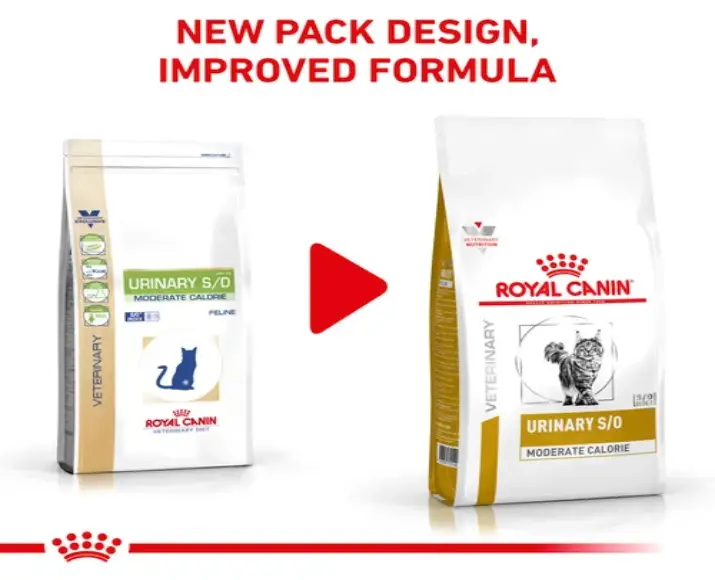
Royal Canin Urinary So Cat Food Dry
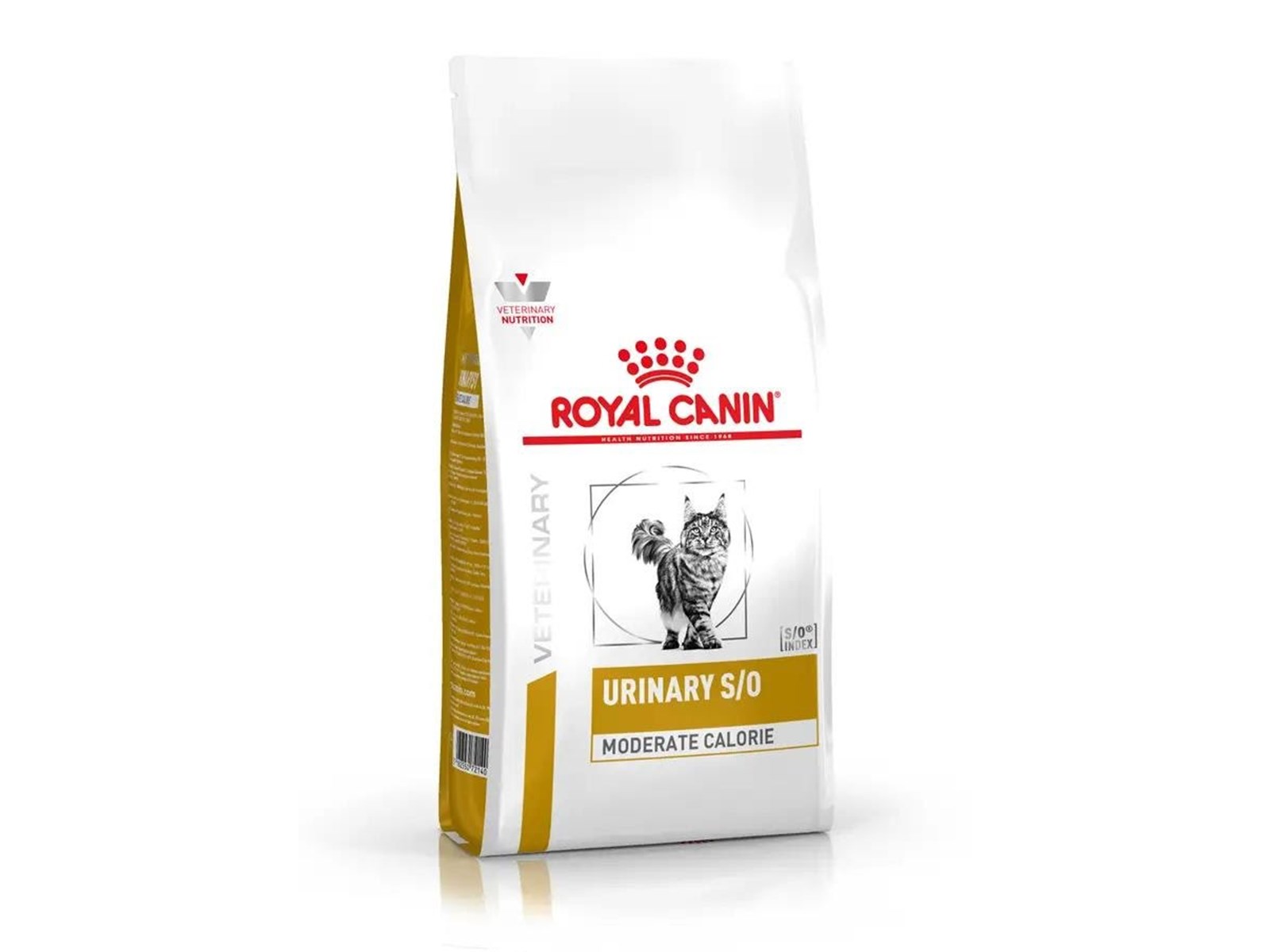
In the grand, chaotic theatre of domestic life, there exists a silent subplot playing out in millions of porcelain bowls across the globe. It’s a drama of mineral crystals, pH balances, and the quiet desperation of a cat staring blankly at a water fountain. While we obsess over our own gut microbiomes and oat-milk latte art, our feline overlords are quietly battling a hereditary curse: the formation of struvite crystals. Enter the unassuming hero of this narrative—a kibble so meticulously engineered it feels less like food and more like a biological intervention. Royal Canin Urinary SO is not just a meal; it’s a dietary straitjacket designed to keep the plumbing of your furry tyrant in pristine, flowing order.
The history of this specific formula is rooted in a veterinary revelation from the late 20th century, when vets began noticing a disturbing uptick in feline lower urinary tract disease (FLUTD). The modern cat, descended from desert-dwelling hunters, evolved to extract moisture from prey, not from a bowl of dehydrated nuggets. We’ve tricked them into chronic dehydration, and their concentrated urine becomes a supersaturated soup of magnesium and phosphorus. Royal Canin’s solution, launched decades ago and refined relentlessly, was to manipulate this soup chemically. The result? A food that actively dissolves existing struvite stones and prevents new ones, turning your finicky companion’s bladder into a well-maintained aquatic ecosystem rather than a stagnant pond.
The Alchemy of Acidity: Why Your Cat’s Pee is a Science Project
Let’s get weird for a second. The core mechanism of Urinary SO is its ability to induce a specific, slightly acidic urinary pH—somewhere between 6.0 and 6.5. This isn’t arbitrary; it’s a razor-thin margin where struvite crystals literally disintegrate. Think of it like pouring vinegar on a limestone statue. The kibble is formulated with restricted magnesium and sulfur-based amino acids that metabolize into acidifying agents. But here’s the dark fun fact: the palatability of this food is almost an afterthought to the chemistry. Companies have spent millions figuring out how to make a medication taste like chicken liver, a conundrum that speaks to the schizophrenia of the pet food industry—half culinary art, half pharmaceutical lab.
Must Read
Culturally, we’ve shifted from seeing pet food as “scraps in a bowl” to a cornerstone of preventative healthcare. The psychological weight this carries is immense. We project our own anxieties about our mortality onto our pets. We read the ingredient list like a tea leaf, desperate for signs of longevity. Urinary SO taps into this fear directly—it doesn’t promise a longer life, but it promises to prevent the most common reason for emergency midnight vet visits. It’s the feline equivalent of a statin drug, a prophylactic we administer in exchange for the unconditional love we receive. This is also where the "prescription-only" status adds a layer of mystique; gaining access to it requires a vet's blessing, which makes us feel like we’re part of an exclusive health club for our pets.
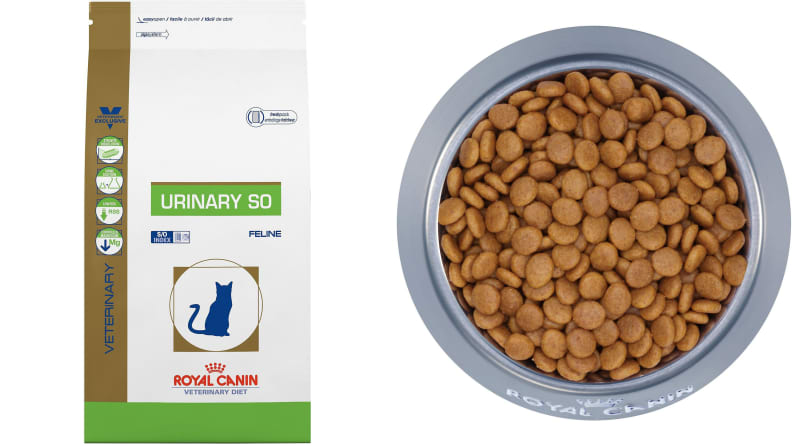
Moreover, the texture and shape of the kibble are rarely discussed, but they matter. The 'SO' in Urinary SO stands for "Satiety and Oxalate" in some interpretations, but informally, it’s designed to be slightly oval and brittle. This isn’t for dental health—that’s a myth for this specific line. It’s about breaking apart in the stomach to expose a low-fat matrix. High fat content is a known trigger for pancreatitis and obesity, which indirectly stresses the urinary tract. So, the kibble’s physical structure is a modulatory mechanism. It’s less about chewing and more about controlled digestion speed, ensuring the acidifying agents are released at a steady pace rather than all at once.
Navigating the Feline Minefield: Scenarios and Practical Strategies
Picture this: It’s 3:00 AM, and you are awakened by the horrifying sound of your cat, Marmalade, howling in the litter box like a demon is possessing his rear end. He’s straining, producing nothing, and licking his genitals obsessively. This is the classic urinary obstruction scenario. This is not a drill. If you’ve ever seen it, you know that feeling of absolute helplessness. The vet bill for unblocking a cat can easily exceed $2,000, and it often requires a perineal urethrostomy surgery—a barbaric-sounding procedure that alters the cat’s anatomy. The scenario where Urinary SO shines is post-crisis. The immediate goal is dissolution. For many cats with sterile struvite, a strict diet of this kibble for 4 to 6 weeks can dissolve the stones without surgery. The trick? You cannot mix it with other foods. One piece of tuna-flavored treat can spike the pH back into the danger zone. It’s a totalitarian diet.
Consider the multi-cat household, which is where this food becomes a logistical nightmare. You have one cat with a boulder in his bladder, and another with a delicate stomach. The veterinarian will tell you to feed the sick cat separately, often in a bathroom or a separate room. But cats are social eaters; isolation causes stress, and stress is a major trigger for feline idiopathic cystitis—the other urinary culprit. The practical takeaway is to use microchip-activated feeders. Yes, they are expensive, but they are a fraction of the cost of a single surgery. You set the feeder to open only for the specific cat’s microchip, allowing the healthy cat to eat their regular food while the affected cat gets the medicinal kibble. It’s high-tech, but it preserves the peace of the tribe.
Another scenario is transitioning the stubborn feline. If you’ve ever tried to switch a cat’s food, you know they will literally starve themselves for two days out of spite. The actionable strategy is slow dilution over 10-14 days. Day one: 90% old food, 10% SO. Day seven: 50/50. Day twelve: 90% SO. But here’s the wrinkle: many cats refuse it because the low-fat content makes it taste like cardboard. The solution? Top with warm water to release the hydrolyzed protein aroma. Do not add any commercial broths or gravies, as they are loaded with magnesium. You must win this battle of wills. Patience is not just a virtue; it is a medical necessity. If the transition fails, you need to contact your vet about appetite stimulants or alternative canned formulas from the same therapeutic line.
Finally, let’s talk about hydration. Urinary SO dry food is not a substitute for water. In fact, vets often recommend the canned version of Urinary SO because it contains 70% moisture. But if you're loyal to the dry kibble, you must become a hydration evangelist. Consider "cat fountains" over stagnant bowls—running water mimics streams and triggers a hunting instinct. Place multiple water bowls in different locations, away from the food bowl. Cats are programmed to not drink near where they eat to avoid contamination. Add ice cubes in the summer to make the water 'interesting'. The dry formula works, but it works harder if your cat is consuming adequate water. The kibble manages the chemistry, but water manages the volume and dilution. They are synergistic. The goal is to make the urine less concentrated, giving the chemical inhibitors more room to work.
Frequently Asked Questions: The Nitty-Gritty of Bladder Health
Can I feed this to a healthy cat just as a preventative, without a vet visit?
This is a frequent point of confusion. While Urinary SO is excellent at managing struvite issues, feeding it to a healthy cat can be counterproductive. The acidifying properties can lower the urinary pH too much, which shifts the risk towards calcium oxalate stones—a different, harder-to-dissolve mineral that requires alkaline urine. You are essentially trading one disease for another. The formulation is specifically balanced for cats with a confirmed history of struvite urolithiasis. Without a diagnosis, you are blindfolded in a chemistry lab.
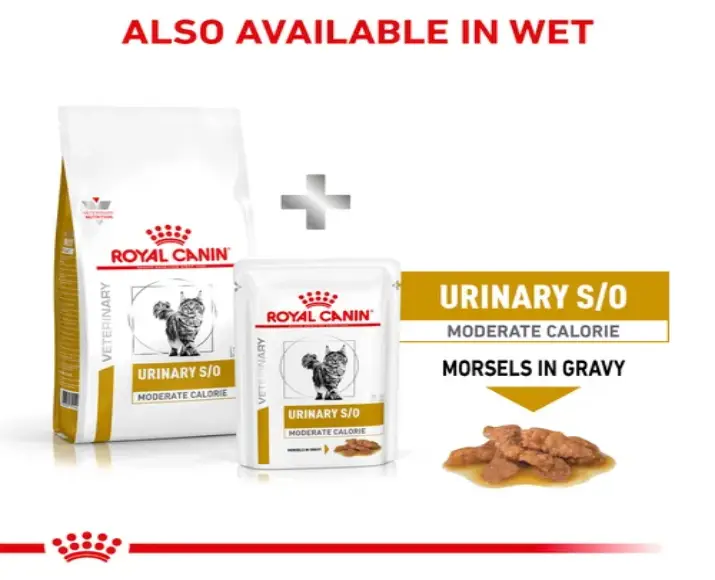
Moreover, the low protein and low fat profile is not ideal for growing kittens or highly active adult cats. It is a therapeutic diet, not a lifestyle diet. A healthy cat needs a broader spectrum of nutrients. The prescription status is a safeguard, ensuring that a veterinarian has ruled out other metabolic issues like kidney disease or diabetes, which require completely different dietary interventions. Using it without guidance is akin to taking antibiotics for a viral cold—it won't help and may cause collateral damage.
How long does it take for Royal Canin Urinary SO to dissolve bladder stones?
The dissolution timeline is not instantaneous. According to veterinary literature, struvite stones can be dissolved in as little as 2 weeks and up to 8 weeks, with an average of 4 to 6 weeks. The exact timeline depends on the size, number, and exact composition of the stones. You will typically need to schedule a follow-up X-ray or ultrasound with your vet at the 4-week mark to check progress. Some stubborn stones may require an additional month of strict dietary adherence.
It is critical to understand that this diet is only effective if exclusively fed. A single bite of another food—a mouse caught in the yard, a treat from the neighbor, a lick of your breakfast omelet—can instantly neutralize the urine’s pH and halt the dissolution process. This will necessitate starting the clock over. The diet doesn't just work on the surface; it works by systemically altering the metabolism of the cat. Your commitment must be absolute, essentially treating your cat’s bowl as a prescription bottle with a childproof cap, but the child is you.
What are the primary differences between the dry and canned versions of Urinary SO?
The dry formula is the concentrated chemical weapon. It has a lower moisture content, which means the cat relies on external water sources. It is calorie-dense and excellent for maintaining body weight in cats that are prone to obesity. The kibble also provides a mild abrasive action on the teeth, though this is minimal. The primary advantage is convenience—it can be left out for nibbling, though left out too long, it loses palatability. The canned version, however, is superior for hydration. It forces water into the cat's system, which is the single most important factor in preventing all urinary issues, including crystals and mucus plugs.

Veterinary experts often recommend a hybrid approach: feed the dry kibble for caloric stability and feed the canned formula as a "topper" or a separate meal to increase water intake. However, this doubles the cost and complicates the feeding routine. The canned version is also more effective for cats with a history of cystitis (inflammation) because the high moisture content reduces the concentration of irritants. If your cat is prone to blocked urethras, the wet food is arguably a more urgent lifesaver. The dry food reduces the crystals; the wet food reduces the concentration of the urine they sit in.
Can the food cause any side effects or allergic reactions in certain cats?
While the target system is the bladder, the food affects the whole body. A common side effect is digestive upset—vomiting or diarrhea—particularly during the initial transition. This is often due to the sudden shift in protein and fiber sources. Additionally, the high sodium content (which is intentionally included to encourage thirst) can be problematic for cats with pre-existing hypertension or heart disease. That is why a pre-diet screening is mandatory. The "low fat" nature can also lead to a slight reduction in coat sheen in some cats, though this is rare.
Allergic reactions are possible but uncommon. The food uses hydrolyzed proteins, which are broken down into smaller fragments that are less likely to trigger an immune response. However, if your cat suffers from inflammatory bowel disease (IBD), the novel protein or carbohydrate sources might still cause inflammation. Watch for excessive scratching, swollen ears, or persistent soft stool. If you notice these, the food must be discontinued immediately, and a veterinary dermatologist should be consulted. The trade-off is real: you are addressing a urinary emergency, but you are potentially aggravating a separate, hidden sensitivity.
Is it okay to switch between Urinary SO and other urinary health foods like Hill’s c/d or Purina Pro Plan UR?
Strictly speaking, you should not switch between therapeutic brands without a veterinary transition plan. Each brand has a slightly different mechanism for acidifying urine. Hill’s c/d often focuses on antioxidant levels, while Purina Pro Plan UR emphasizes a specific protein and fat ratio. While they all aim for the same urinary pH range, they achieve it through different metabolic pathways. Switching abruptly can cause a temporary imbalance, allowing crystals to grow during the adjustment period. Consistency is more valuable than variety in therapeutic medicine.
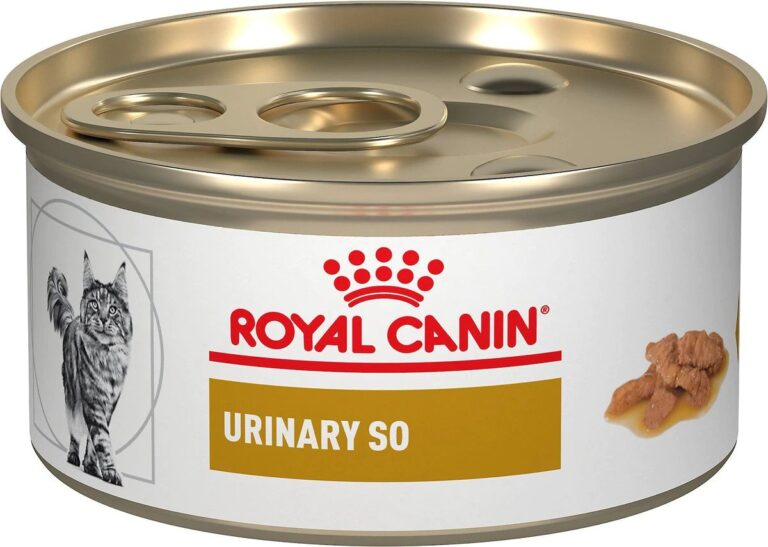
If you must switch (due to supply chain issues or palatability refusal), do so extremely slowly over 2-3 weeks, and request a urine analysis from your vet after the switch is complete. The vet will measure the specific gravity, pH, and crystal presence. Just because two foods are both "urinary" does not mean they are interchangeable. They are distinct pharmaceutical formulations. It is akin to switching between different brands of blood pressure medication—both lower pressure, but the active ingredients are different, and your body metabolizes them differently.
In the end, the story of Royal Canin Urinary SO is a story about control. We spend our lives trying to control our diets, our hormones, our environments, and yet, our control over our pets is an illusion. They dictate when we wake up, where we sit, and how much of our couch they can destroy. But this food represents one of the few areas where we can exert benevolent, life-saving dominance. It is a quiet acknowledgment that our love for them must sometimes manifest as strict, unyielding protocol.
Culturally, we are obsessed with purity—clean eating, detox teas, filtered water. This kibble is the ultimate extension of that obsession. It’s not just a product; it’s a promise that we can internally sanitize our furry friends, correcting the errors of their wild ancestors. When you fill that bowl, you are performing a small ritual of modern veterinary science, a daily re-commitment to postponing the inevitable decay that biological time demands.
And perhaps that is the most profound insight: we are all just flesh and water, desperate to keep the salt and minerals in balance. Whether our vessel has four legs or two, the fight against crystallization—against the hardening of our internal rivers—is a universal battle. So, scoop that kibble, measure that water, and revel in the small, sterile victory of a perfectly balanced pH. Your cat will never thank you, of course. They will simply stare at you with indifferent eyes, waiting to lick the condensation from your glass of water, one microscopic crystal at a time.