Reverse Harem Anime On Funimation
Somewhere between the “Himbo Renaissance” on TikTok and the collective groan of anime Twitter after another isekai announcement, a quiet revolution has been simmering. We’re not talking about the latest shonen power-up or the twenty-seventh adaptation of a gritty seinen manga. We’re talking about the Reverse Harem—a genre where one (usually plucky, usually overwhelmed) female protagonist finds herself surrounded by a constellation of dangerously attractive, emotionally constipated, and magically gifted men. And thanks to the glorious, chaotic library of Funimation (now folded into the behemoth that is Crunchyroll, but let’s not open that can of worms), this niche is having a Main Character Moment.
Why now? Because the streaming wars have turned anime discovery into a sport of algorithmic roulette. But beyond the algorithms, there’s a cultural shift: the rise of “romantic chaos” as entertainment. In a post-Bridgerton world, audiences are starved for content where the female gaze isn’t just a side dish—it’s the entire tasting menu. Reverse harems offer a power fantasy that’s less about conquering worlds and more about surviving a group chat of six hyper-specific anime boyfriends who all have tragic backstories and a weird obsession with the protagonist’s cooking. It’s messy, it’s cathartic, and it’s currently the guilty pleasure that even your most elitist anime friend secretly binges at 2 AM.
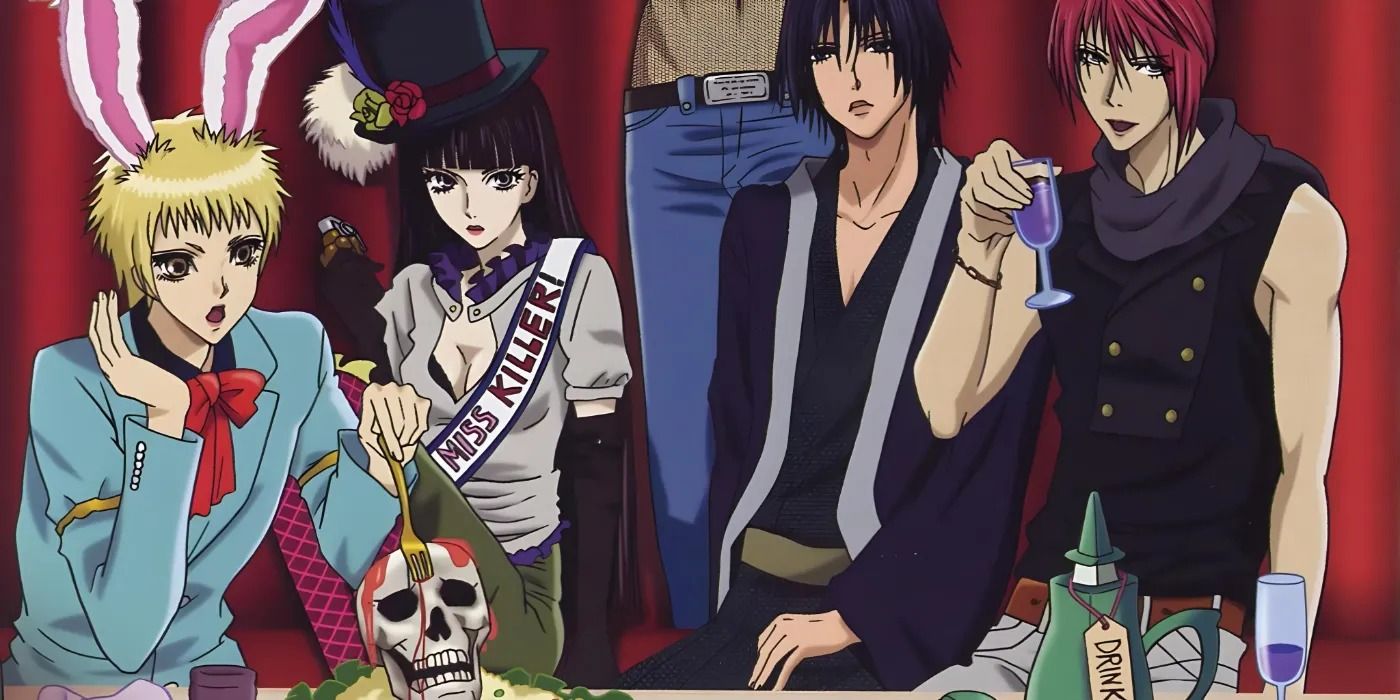
Funimation, before its merger, was the undisputed Dungeon Master of this genre, curating a lineup that ranges from the dizzying heights of Ouran High School Host Club to the gloriously unhinged Diabolik Lovers. It’s a space where the rules of engagement are flipped: the men are the spectacle, the drama is the plot, and the protagonist is the chaotic neutral force holding it all together. Let’s dive into the velvet ropes of this bizarre, addictive, and deeply misunderstood corner of the anime multiverse.
Must Read
The Ecosystem of Escapism: Why We Love (and Loathe) the Harem
Let’s address the elephant in the room: the subculture around reverse harems is a fascinating blend of radical empowerment and terminal second-hand embarrassment. On one side, you have the “Mommy” stan culture on Tumblr and Pinterest, where fans craft elaborate AUs (Alternate Universes) and thirst-draw the male leads with the fervor of Renaissance painters. On the other, you have the cynical corner of Reddit that dismisses the genre as “cringe” or “low-stakes,” completely missing the point that low stakes are the point. In a world burning with real-world anxieties, watching a woman choose between a vampire, a demon, and a childhood friend who is secretly a prince is the ultimate cognitive off-switch.
The toxicity, however, is real and weirdly structured. The “competition” isn’t just between the male leads; it’s often between the fandom itself. Shipping wars in reverse harem spaces are brutal. You’ll see fan accounts dedicated to “Correctly” identifying which “route” is canon, and woe betide the newcomer who dares to say the tsundere is overrated. This is amplified by the “pick-me” discourse on social media, where viewers are expected to have a “type” that aligns with their zodiac sign or MBTI. It’s a high-stakes game of virtual boyfriend collection, and the social currency is clout. The cultural shift here is that women and non-binary folks are reclaiming the male gaze and turning it into a mirrored funhouse where the men are the ones with the impractical outfits and the “mysterious pasts.”
Furthermore, the genre has become a weird battleground for “purity” culture. Some fans demand a “slow burn” that lasts 24 episodes with only a hand-hold, while others want the explicit, vampire-biting-neck drama. This friction creates a bizarre feedback loop where studios pander to both, resulting in episodic cliffhangers that feel like a Fortnite battle pass—designed to keep you logging in for the drip-feed of romance. It’s a fascinating, slightly unhinged ecosystem that proves we, as a society, will never tire of watching attractive people be emotionally unavailable.
Your Survival Guide: How to Watch Without Losing Your Sanity (or Your Wallet)
Jumping into the reverse harem deep end on Funimation/Crunchyroll can be disorienting. You will be bombarded with titles that look identical: a school uniform, a blushing girl, and five silhouettes with suspicious hair physics. To navigate this trend like a seasoned otaku, you need a strategic roadmap. First, identify your tolerance for nonsense. If you want meta-humor and genuine heart, start with Ouran High School Host Club—it’s the safest gateway drug. If you want pure, uncut vampire melodrama, Diabolik Lovers is your poison, but be warned: it’s a guilt trip wrapped in a choker. Do not start there unless you have a therapist on speed dial.
Second, embrace the “Skip Intro” button without guilt. These shows are infamous for having 90-second intros that spoil the entire character arc in a montage of sparkles. You are not losing immersion; you are preserving brain cells. Third, curate your social media diet. Follow the fan artists, not the “hot take” reviewers. The former will give you beautiful art and wholesome memes; the latter will give you a dissertation on why the protagonist is a “bad feminist” for choosing the nice guy. Ignore the discourse. The discourse is a trap.
Fourth, and this is the big one—budget your streaming subscriptions. Since the Funimation library migrated to Crunchyroll, check if you have access via a bundled plan. Do not buy the “Premium Plus Mega Fan” tier just because you want to watch Kamigami no Asobi. The ads are annoying, but the FOMO is worse. Finally, set a viewing expectation. These shows are often 12 episodes. They are not masterpieces of narrative structure. They are vibes. Treat them like a snack, not a five-course meal. Binge them with a friend over a video call so you can riff on the absurd dialogue. It turns the cringe into a communal comedy show.
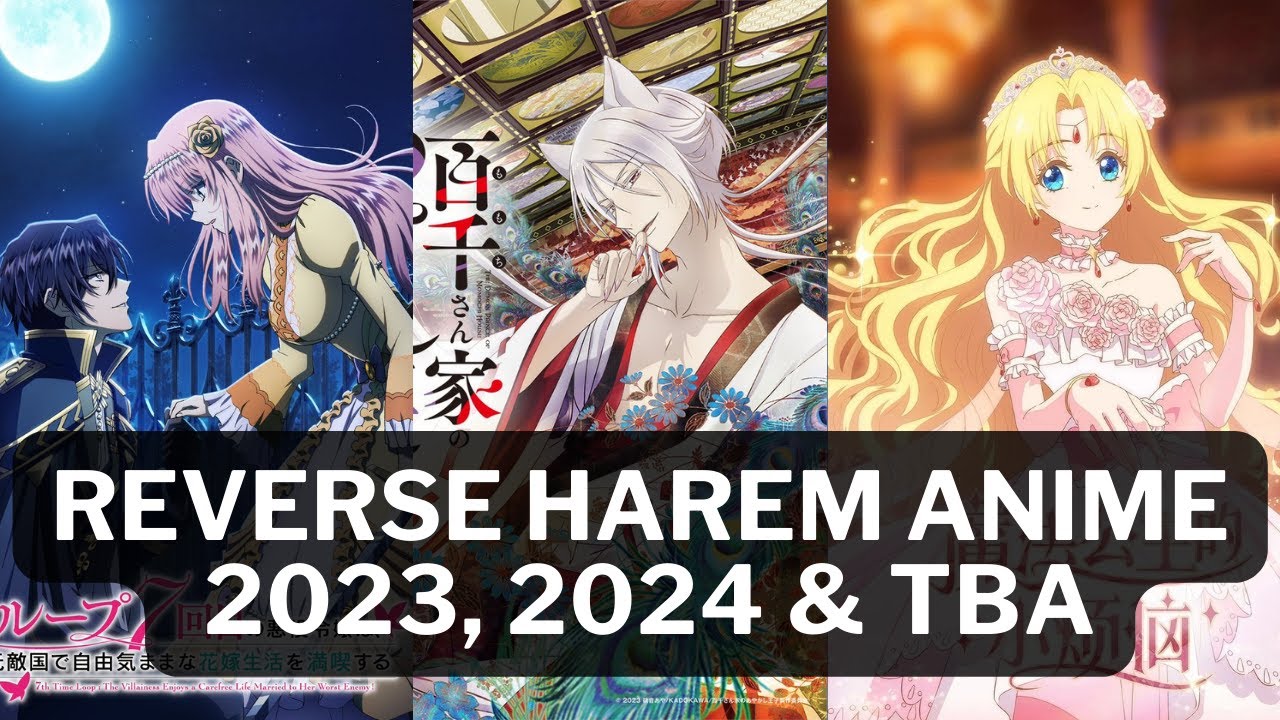
Here’s the pragmatic truth: you will not finish every show you start. That’s okay. The genre is a buffet, and you are allowed to take one bite of the “Yandere Chef” and walk away. The Golden Rule of this subculture is curation over completion. Your sanity is worth more than seeing the final “confession scene.” If the harem is too aggressive, if the lighting is too blue, drop it. There is literally a show waiting for you that features a librarian isekai’d into a world of bibliophile princes (probably). Move on. Protect your peace.
The FAQ: Settling the Eternal Internet Debates
1. Is “Ouran High School Host Club” technically a reverse harem?
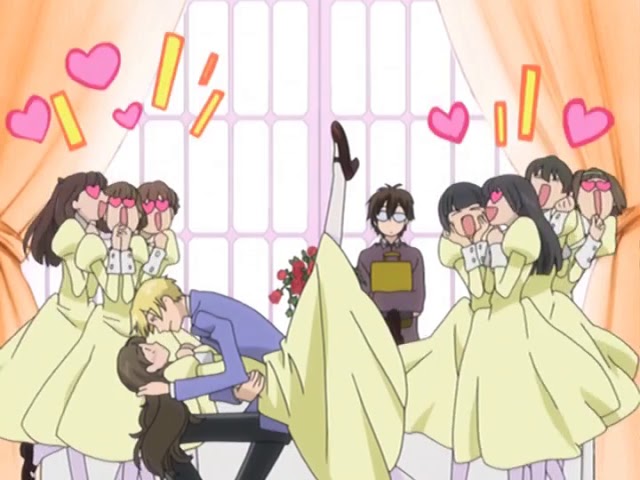
This is the hill many fans will die on. Technically, yes—Haruhi is surrounded by the Host Club, all of whom develop feelings for her. But functionally, Ouran is a satire of the genre. It deconstructs the tropes (the twins, the stoic one, the tiny one) while simultaneously embracing them. The show is more concerned with gender identity, class consciousness, and found family than with actual romantic progression. Calling it a “pure” reverse harem is like calling Deadpool a pure superhero movie—it’s a commentary that wears the costume.
The internet debate usually stems from the ending. In the manga, there’s a clear choice, but the anime leaves it ambiguous. This ambiguity fuels the “It’s not a harem, it’s a comedy” crowd. They argue that the Host Club’s affection is performative, part of their act. The opposing camp counters that Tamaki’s jealousy is objectively real and therefore it counts. The truth? The show transcends the label. It’s the elevated fast food of the genre—accessible, delicious, and better than it has any right to be. Don’t get bogged down in the taxonomy; just enjoy the Haruhi supremacy.
2. Why do the male leads in shows like “Diabolik Lovers” treat the heroine so badly?
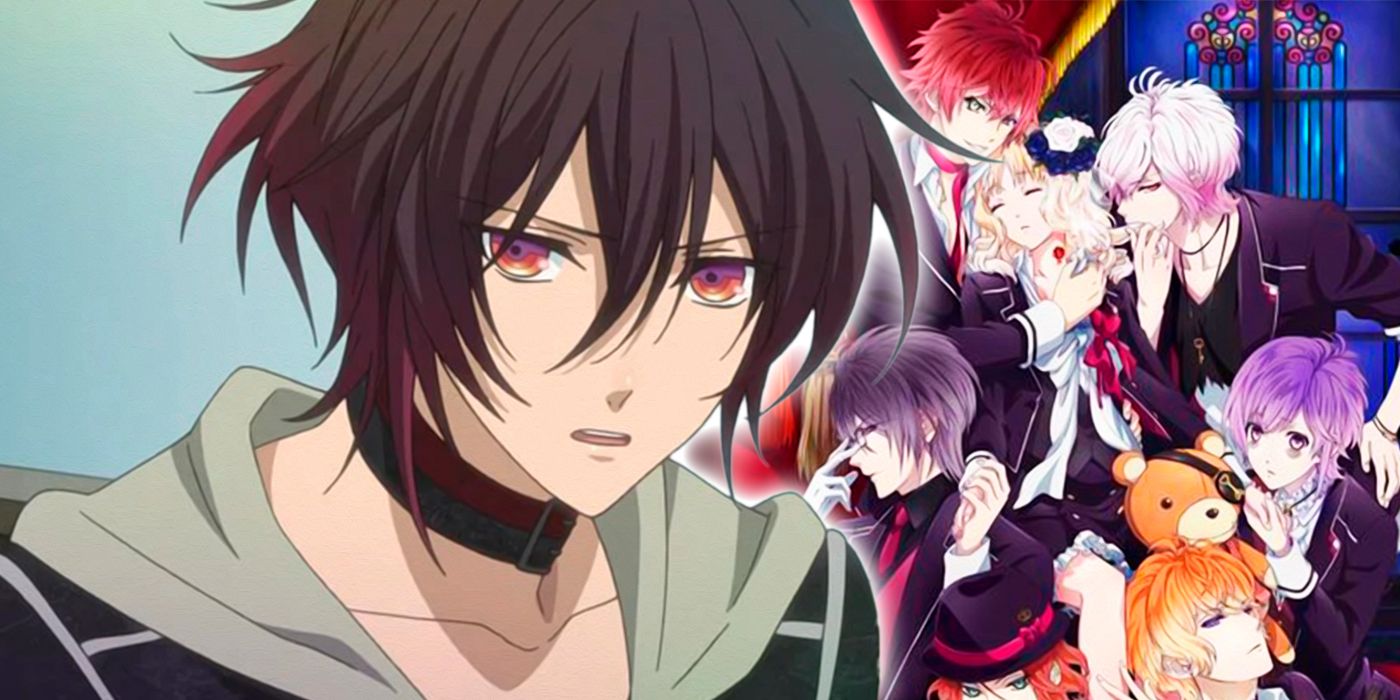
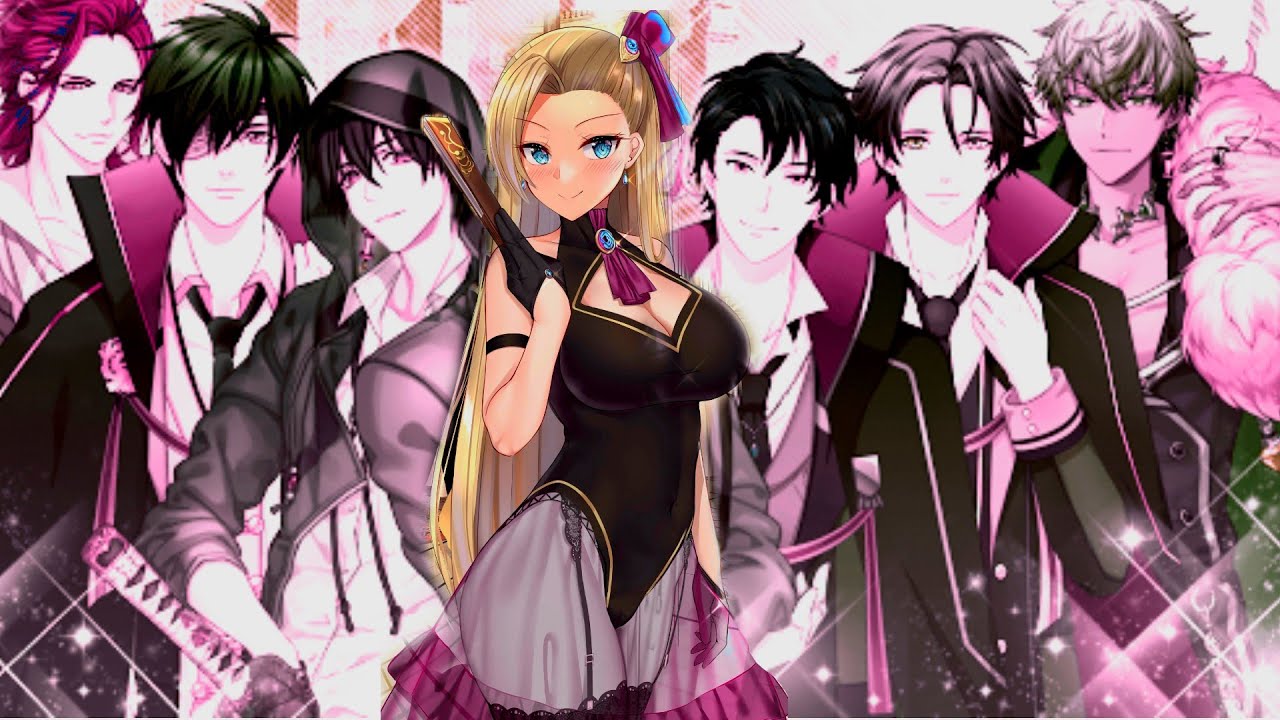
Ah, the red flag Olympics. In Diabolik Lovers, the Sakamaki brothers are vampires who literally bite the protagonist, Yui, for sustenance and their own amusement. The discourse here is massive. Critics call it a glorification of abuse; defenders call it a “dark fantasy” that allows viewers to explore taboo dynamics in a safe, fictional space. The feminist reading suggests that Yui is the ultimate source of power—without her, the vampires are starving, pathetic creatures. She holds the biological monopoly on their survival.
The answer to why they’re so awful is layered. For one, the genre of “otome” games (which these are adapted from) often uses “toxic” traits as a stand-in for intensity and danger to create a heightened sense of drama. It’s manufactured peril. The viewer is meant to be excited by the transgression of propriety. Whether that’s healthy is subjective. But the key is the fictionality. These aren’t real relationships; they’re power fantasies where the heroine survives and eventually softens the beast. It’s a beauty-and-the-beast syndicate. If it makes you uncomfortable, that’s valid. If you enjoy the chaos, that’s also valid. Just don’t use it as a dating manual. Please. For the love of god.
3. Will the reverse harem genre ever get a mainstream, high-budget “masterpiece”?
This is the $64,000 question on every fan’s lips. For years, reverse harems have been relegated to the “mid-budget” tier—produced with decent animation but never given the Demon Slayer movie budget. The issue is perception. Studios still view female-skewing romantic content as niche, despite the massive success of shows like Fruits Basket (which is a love triangle, not a harem, but adjacent). The market is changing, though. With the explosion of “otome isekai” webtoons (think Who Made Me a Princess), there’s a massive appetite for high-stakes drama with multiple love interests.
The potential for a masterpiece exists. Imagine a reverse harem with the animation fluidity of Jujutsu Kaisen, the political intrigue of Legend of the Galactic Heroes, and a protagonist who is a scheming villainess rather than a passive doormat. We are getting closer—series like My Next Life as a Villainess found massive popularity by making the genre self-aware. The true barrier is the “genre ghetto” bias. Until a studio takes a risk on a cinematic, adult-oriented reverse harem story that takes itself seriously (but not too seriously), we’ll remain in the golden age of “good but underfunded.” But the winds are shifting. The algorithm loves us. It’s only a matter of time.
Is this a passing fad? No. The reverse harem is a permanent fixture of the anime landscape because it taps into a fundamental human desire: to be the center of attention in a world that constantly tells us to shrink. The “fad” aspect is the way we consume it—the meme-fication, the TikTok edits, the “which guy are you?” quizzes. That will fade. But the core appeal, the catharsis of choice, is eternal. As long as there are lonely people with internet access, there will be a demand for fictional men who fight over a girl who just wants to go to the supermarket without being ambushed by a declaration of love.
So, queue up your next binge. Let the dramatic piano music swell. Ignore the naysayers and the discourse. The reverse harem isn’t just surviving on your streaming service; it’s thriving in the margins, waiting for you to press play. It’s a weird, wonderful, and slightly unhinged reflection of our modern desire for multiple perspectives on romance. And honestly? After everything we’ve been through, we deserve a little fantasy where we’re the protagonist of a very crowded romance novel—even if that protagonist has to deal with a lot of bickering pretty boys.