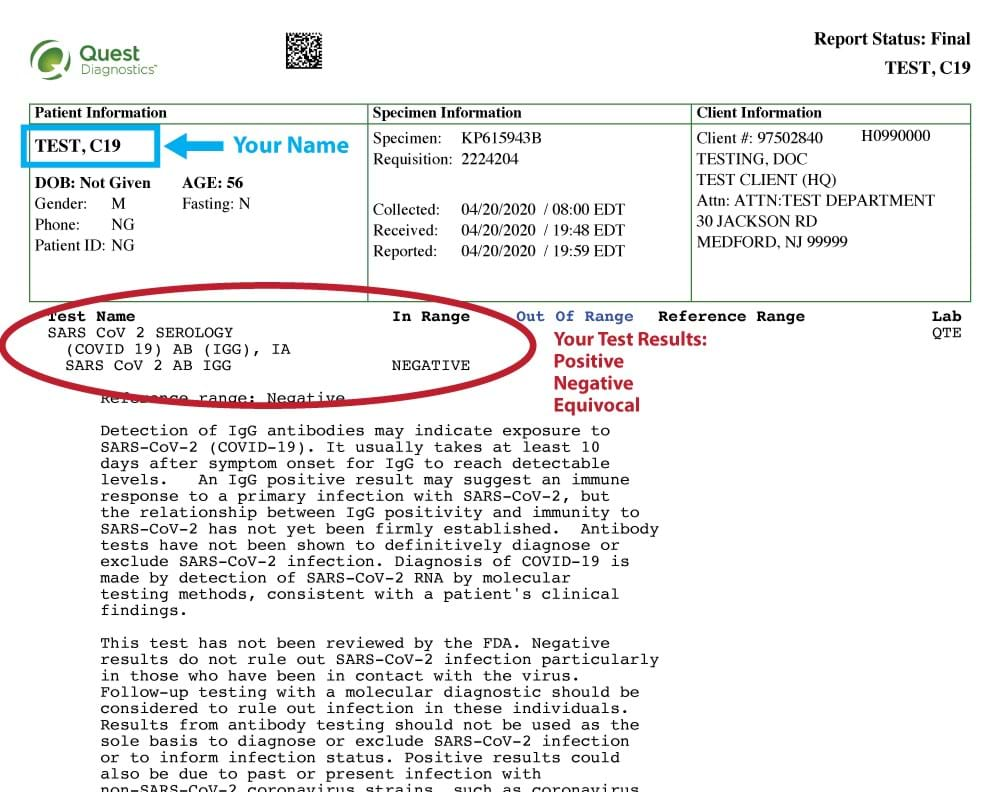
Quest Diagnostics Std Results Time
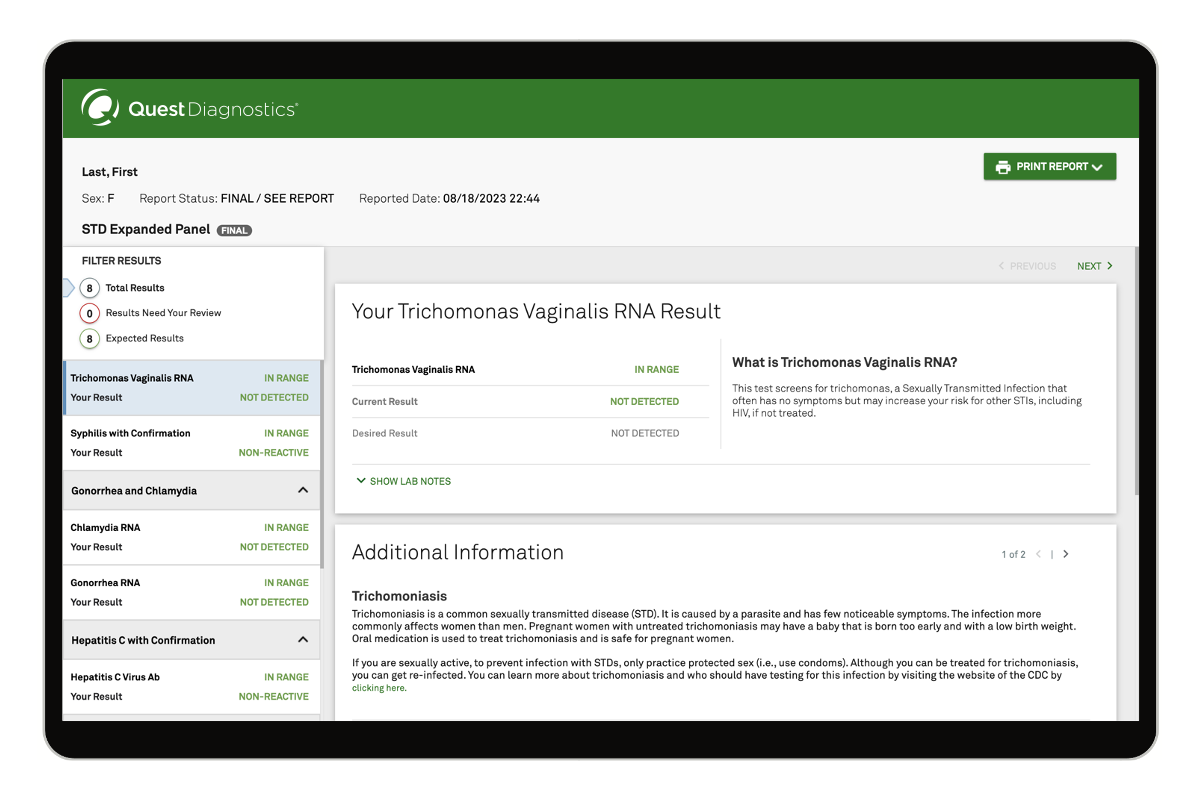
Let’s be honest—waiting for STD test results can feel like watching paint dry while someone taps your shoulder. Yet, knowing your status is one of the most empowering health moves you can make. The good news? Quest Diagnostics, one of the largest labs in the U.S., has streamlined this process, and understanding their timeline can turn anxiety into a manageable, even boring, wait.
So, why should you care about Quest’s result times? Because the average turnaround is faster than you think, usually 2 to 5 business days for most tests, though some like HIV RNA can take up to 10 days. This isn’t just corporate efficiency—it’s about giving you clarity so you can make informed decisions about your health, partners, and peace of mind. The benefit is simple: less time in limbo, more time acting on knowledge.
Imagine a student who needs a routine screening before a semester abroad. Instead of a vague “we’ll call you in a few weeks,” they get a precise window, and they can even track the status online. Or think of a couple in a new relationship who agree to test together—knowing the result times lets them schedule a “results dinner” for the same week, turning a stressful event into a shared moment of mutual trust.
Must Read
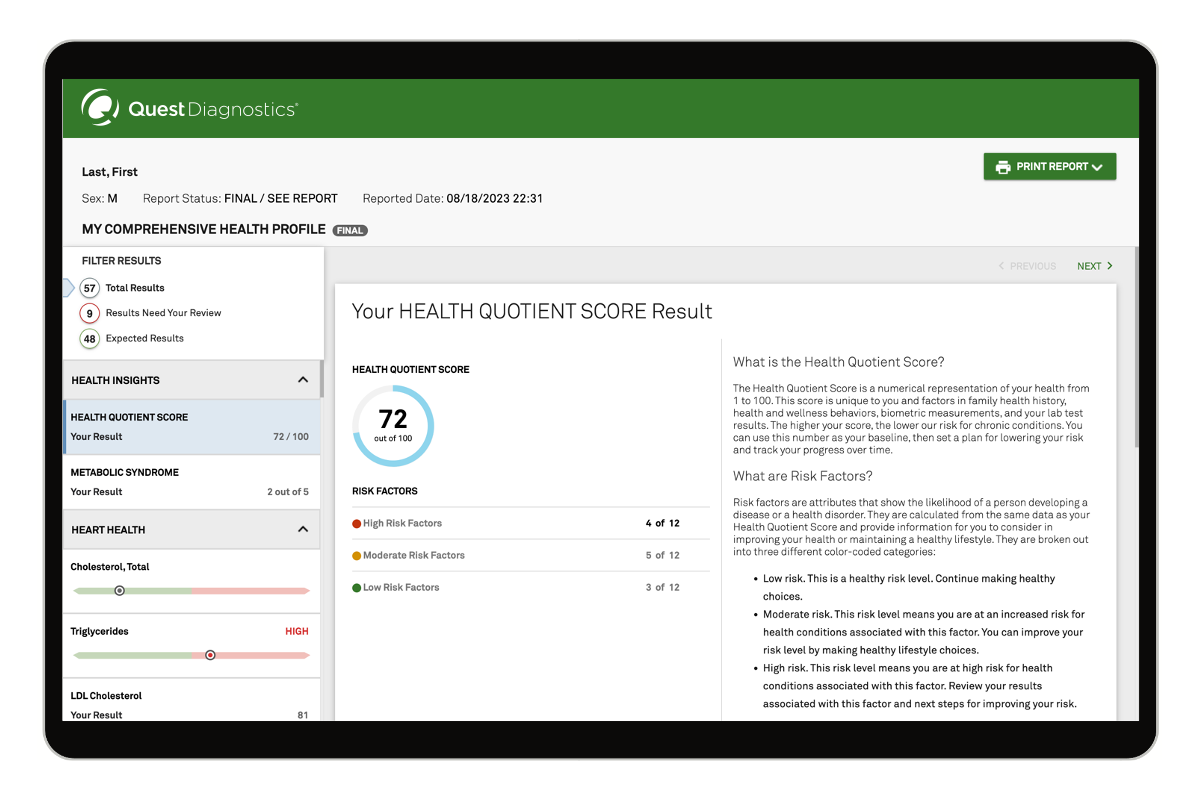
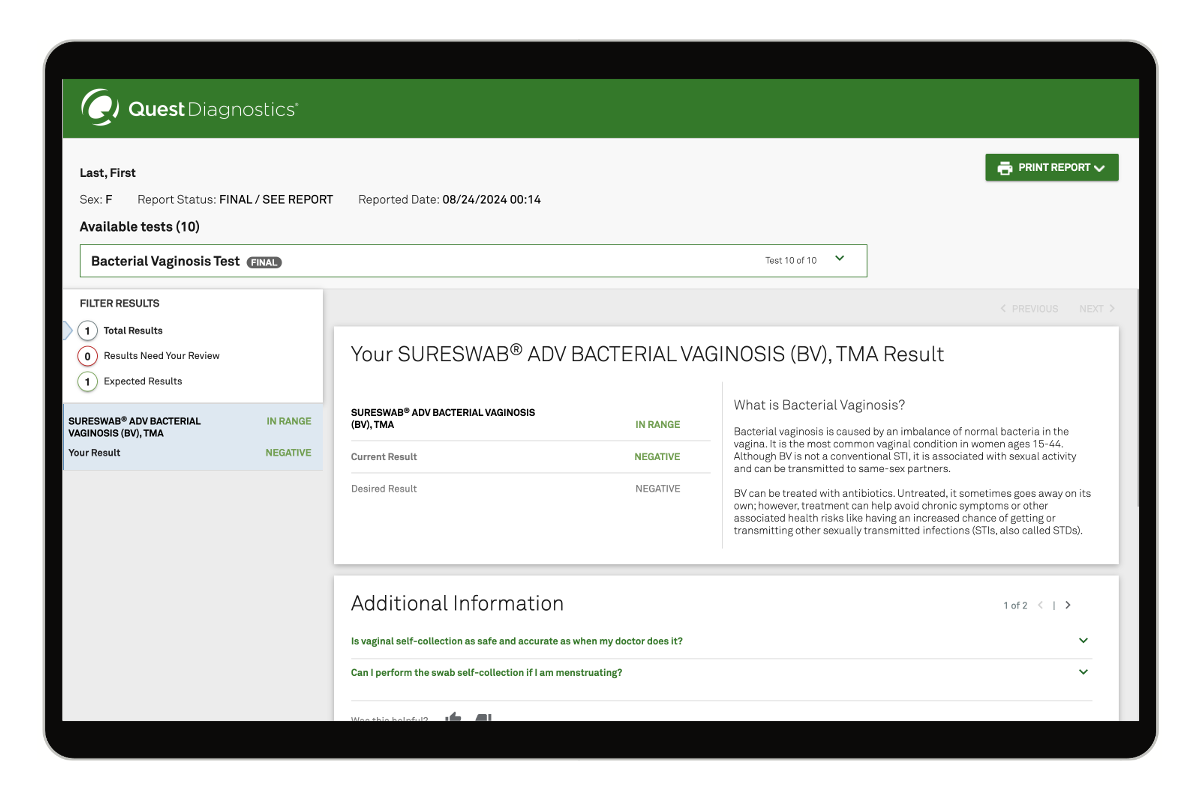
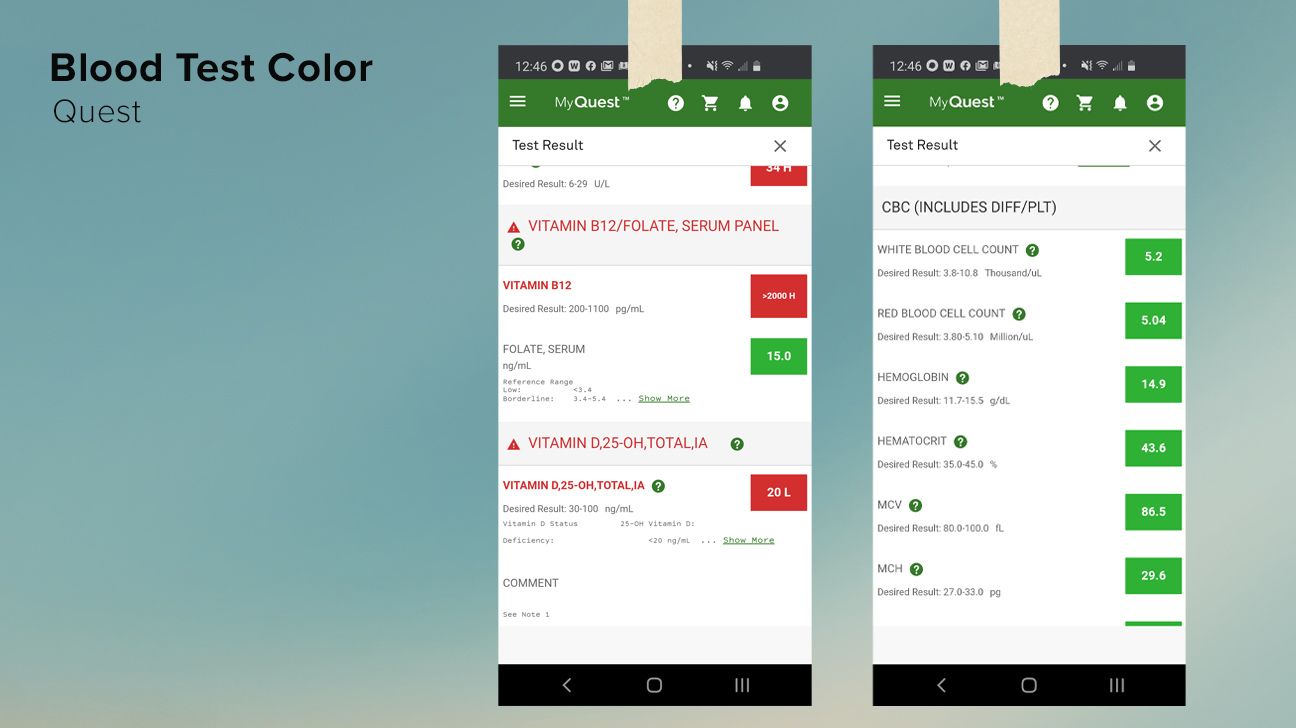
Here’s where it gets practical for daily life. You don’t have to sit in a doctor’s office or call a nurse—Quest’s patient portal (MyQuest) lets you see when the lab receives your sample, when it’s processing, and the moment it’s ready. That transparency is a game-changer because it removes the “did they forget about me?” panic. For educators, this is a perfect real-world lesson on lab workflow, sample tracking, and why health systems rely on standardized timestamps.
Now, let’s get into some simple ways to explore this without sweating. First, check Quest’s online “Test Directory”—it lists typical turnaround times right next to each test’s name. Second, when you get your blood or urine drawn, ask the phlebotomist for a “realistic estimate” for your specific panel; they usually know from weekly stats. Third, set a calendar reminder for the 3-day mark after your draw—if nothing appears, don’t panic, but you can log in to MyQuest to see if there’s a note about a delay (like a second confirmatory test).
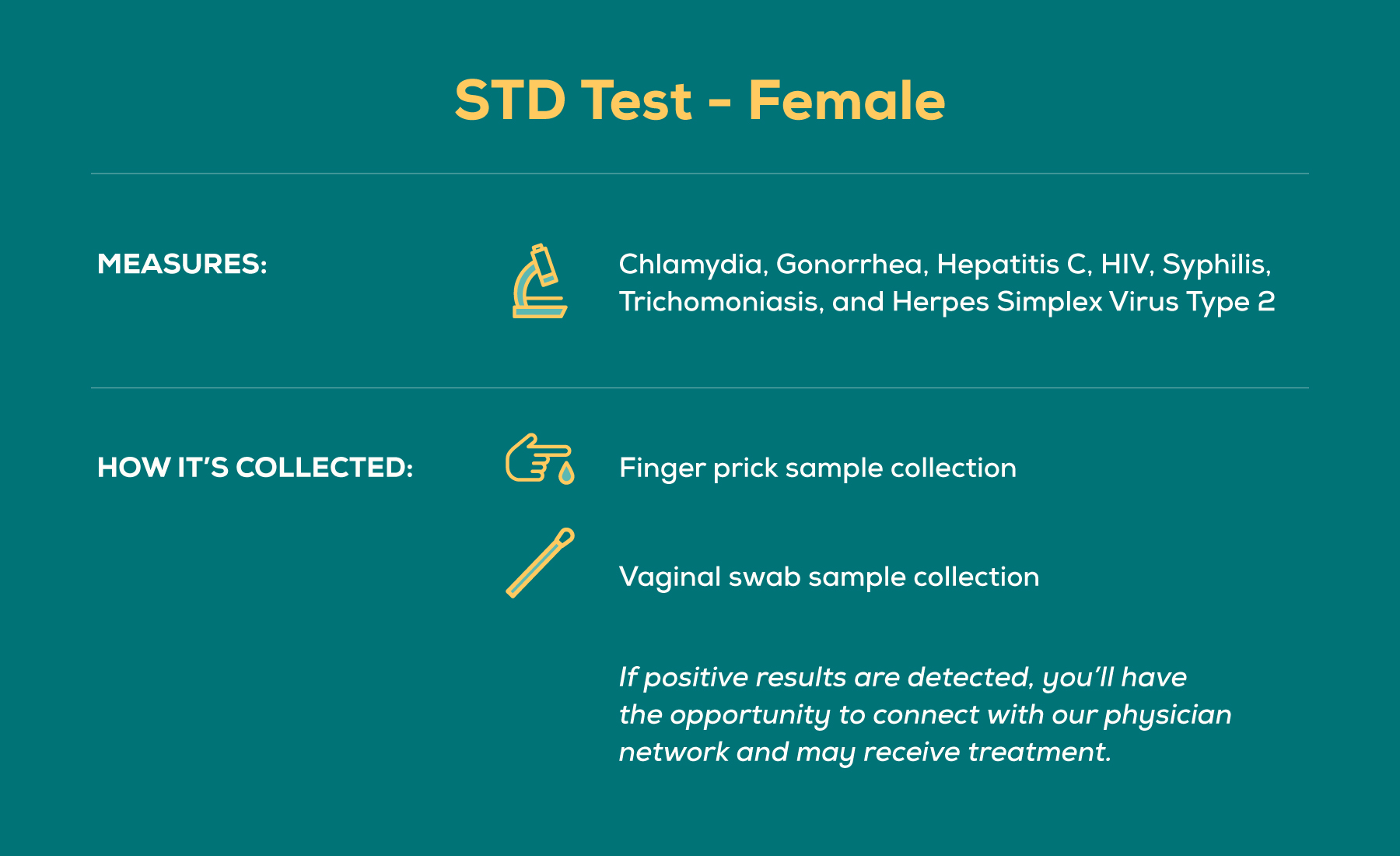
A pro tip: avoid weekends for your sample collection if you can. Samples taken on Friday often sit until Monday, adding 48 hours to your wait. Also, know that certain tests (like syphilis) require a reflex test, which means an automatic second run—this adds a day or two but is crucial for accuracy. And don’t forget, a “not detected” result is not a free pass—timing matters. If you were exposed less than two weeks ago, ask if you need a follow-up test, because some infections take longer to show up.
At the end of the day, the result time is just a number, but it’s a number that helps you reclaim control. Whether you’re a worried first-timer, a routine tester, or just a curious human, knowing that your results are moving through a system with clear timestamps turns dread into a manageable countdown. So next time you give a sample, breathe out—the clock is on your side, and the data is just a click away. And if you ever get stuck, their customer service line is surprisingly friendly, even on a Monday morning.