Procon Org Dakota Access Pipeline
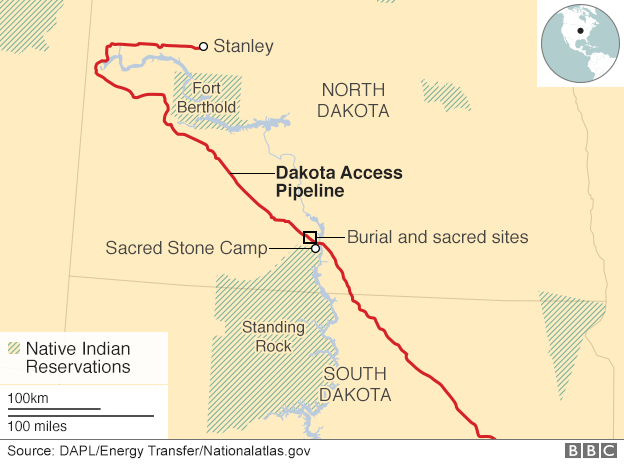
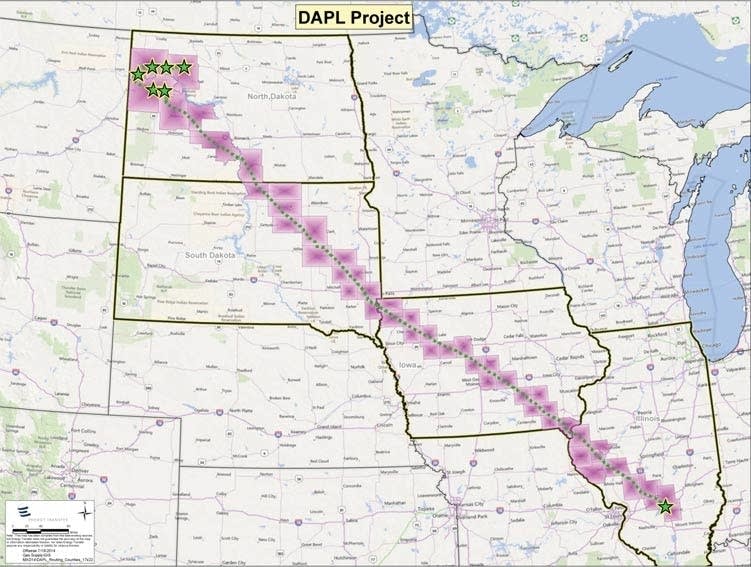
Let’s be honest: most of us couldn’t point to the Dakota Access Pipeline on a map if our lives depended on it. But in 2016, this 1,172-mile steel snake became the internet’s favorite drama, a real-life Game of Thrones starring crude oil, a river, and a whole lot of very angry people. If you missed the chaos, buckle up—I’m about to serve you the juicy, messy, and frankly bonkers story, with a side of Procon.org’s famous pro-and-con breakdown.
The Setup: A Pipe Dream with a Nasty Habit
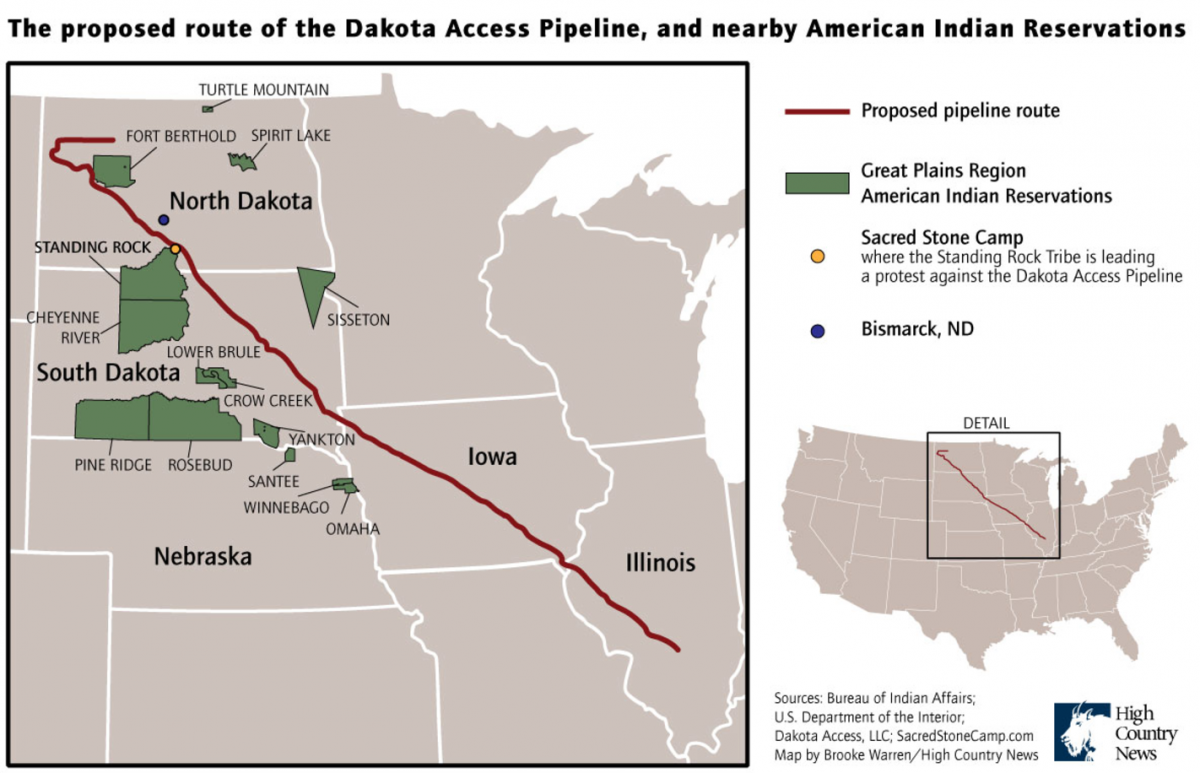
Picture this: Energy Transfer Partners wants to ship North Dakota’s “black gold” (that’s oil, not iced coffee) down to Illinois. Sounds simple, right? Wrong. The pipeline’s path takes it directly under Lake Oahe, which is the primary water source for the Standing Rock Sioux Tribe. That’s not just a whoopsie—that’s like building a giant straw in your neighbor’s only glass of lemonade, and then telling them, “Don’t worry, the straw is double-lined!”
The tribe pointed out that a leak would poison their drinking water and destroy sacred burial sites. Procon.org, bless their unbiased hearts, framed it as a classic jobs vs. water showdown. On one side: thousands of construction jobs and energy independence. On the other: “Hey, please don’t turn our river into a flammable smoothie.”
Must Read
The Protests: Glamping for Justice
What happened next was a 2016 viral bonanza. Thousands of protesters—some genuine activists, some just people who really wanted to post a cool Instagram—set up camps in the North Dakota winter. They called themselves “water protectors,” which is a much better title than “people standing in mud shivering.” Meanwhile, the company hired private security, who brought attack dogs and pepper spray. Yes, really. Dogs. In 2016. The internet reacted about as well as you’d expect—like a cat seeing a cucumber.
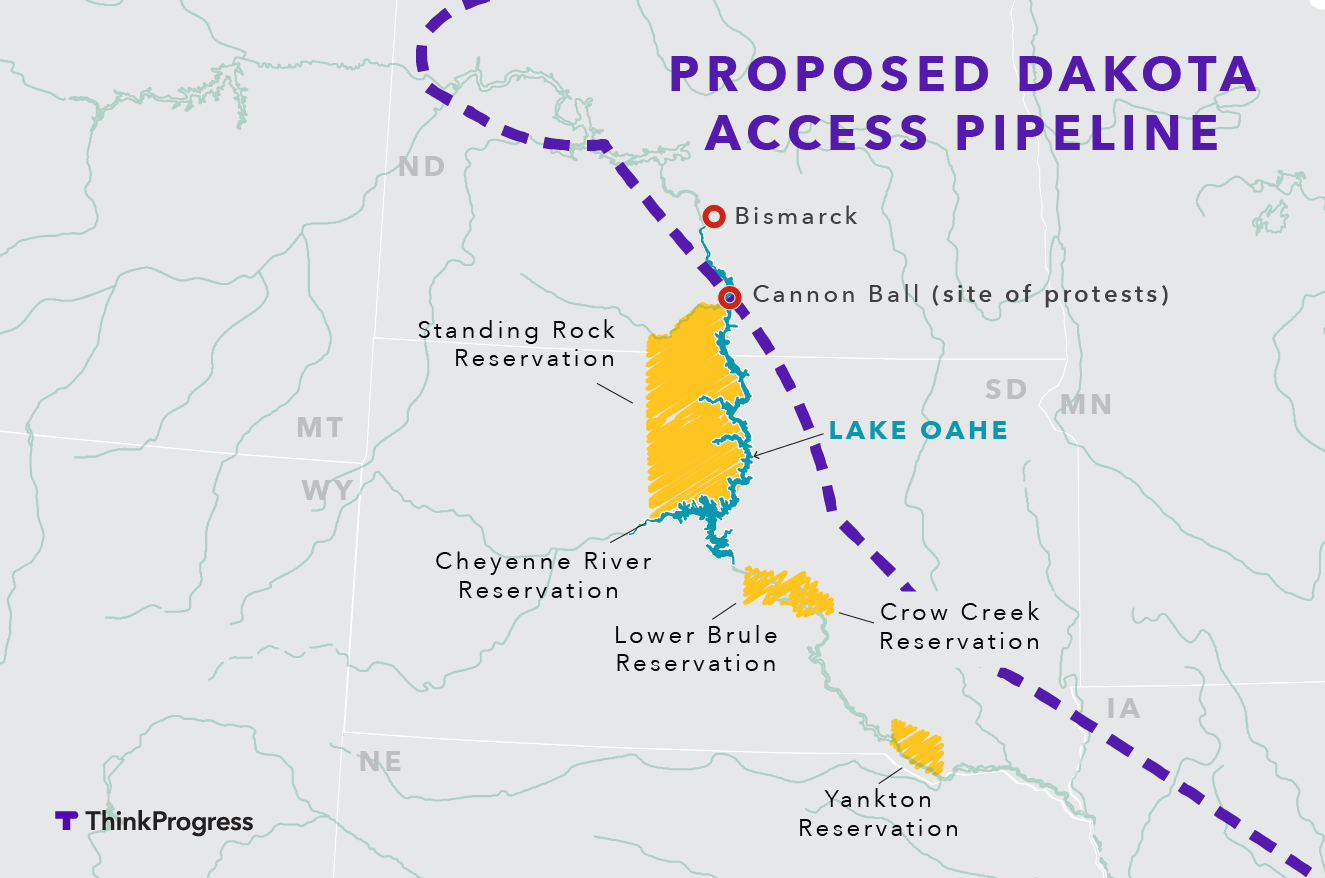
Procon.org’s “pro” side argued that the pipeline is safer than trains (true! Trains derail and explode with alarming frequency). But the “con” side hit back with the inconvenient fact that the original route was moved because it threatened Bismarck’s water supply. So the company essentially said, “We won’t risk your water, but we’re totally cool risking theirs.” That’s not a pipeline; that’s a political hot potato with a steel shell.
The Twist You Didn’t See Coming
Here’s a surprising fact: the pipeline is already running. Yep, after all that chaos, oil started flowing in 2017, and it hasn’t stopped. But the court battles? Oh, they’re like a bad soap opera—they keep coming back for another season. In 2021, a federal judge ruled the easement was illegal, then a higher court turned around and let it keep flowing while they “think about it.” It’s like telling someone their parking ticket is invalid, but they still have to keep the car running forever.

The Real Lesson
Procon.org’s beautiful, bullet-pointed breakdown boils down to one thing: infrastructure is messy. You want cheap gas and a strong economy? Pipeline. You want clean water and indigenous rights? No pipeline. You want both? Congratulations, you’ve just discovered why adults cry at zoning meetings. The Dakota Access Pipeline is a perfect, greasy, multi-billion-dollar metaphor for America: nobody agrees, everybody’s loud, and the thing is unstoppable.
So next time you fill up your tank, give a little nod to the Standing Rock Sioux. They fought like hell to protect what matters—even if the final outcome was a big ol’ “meh” from the courts. And if you want to feel smarter, just visit Procon.org’s page on this mess. It’s like reading a breakup text between a corporation and a river, and somehow, you’re the one who gets all the drama.


:no_upscale()/cdn.vox-cdn.com/uploads/chorus_asset/file/7555377/Pipeline_maps.jpg)