
Polaroid Polarized Sunglasses Aviator
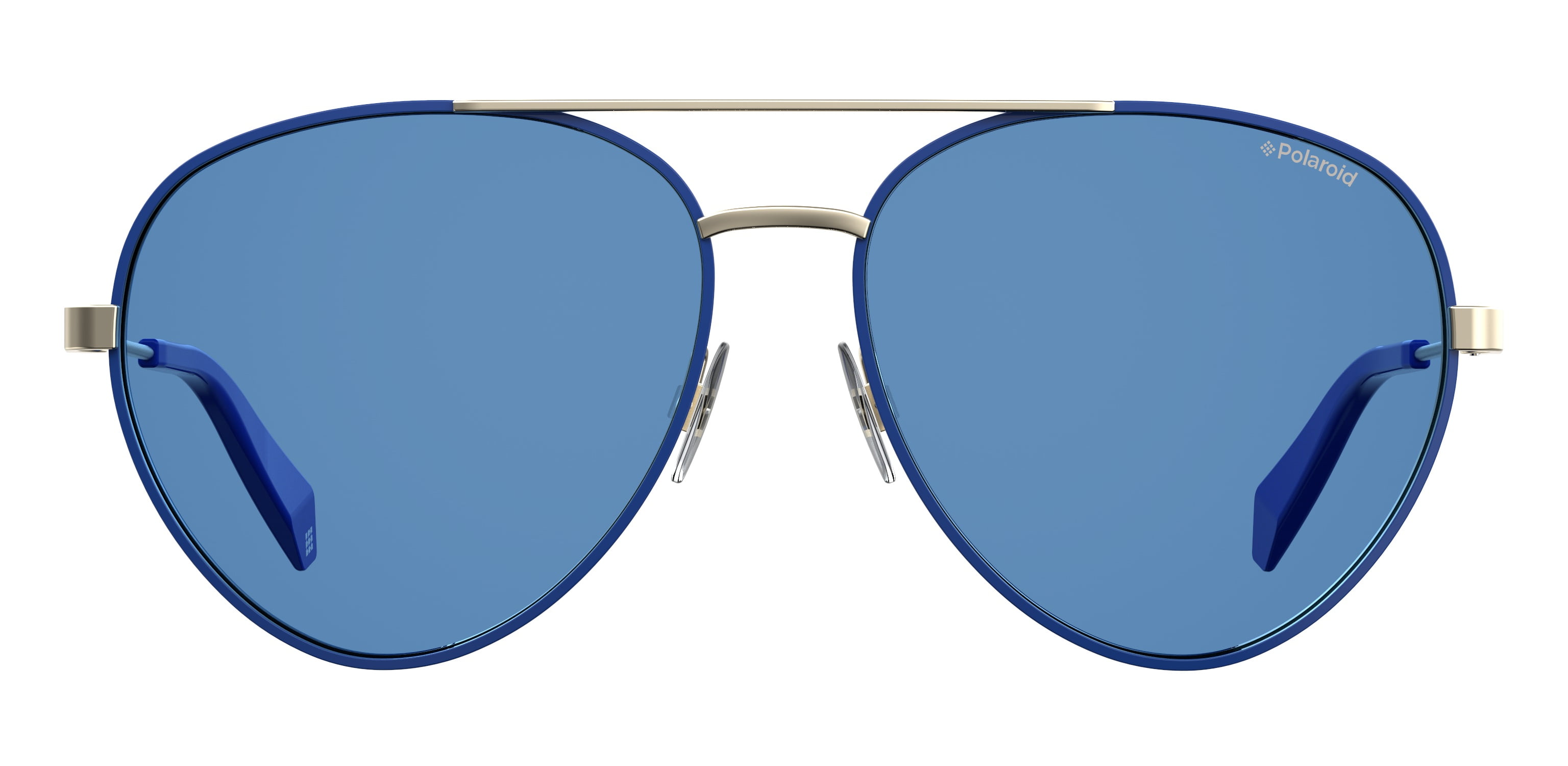
In the pantheon of enduring style icons, few objects straddle the line between rebellious cool and utilitarian precision quite like the aviator sunglass. Born in a cockpit, baptized in Hollywood glare, and now re-engineered with polarized lenses, it has evolved from a pilot’s tool into a psychological shield. But there is a specific alchemy at play when you combine the timeless teardrop silhouette with modern polarization technology, as championed by brands like Polaroid. This isn’t just about blocking the sun; it’s about controlling your environment, framing your reality, and indulging in a legacy that began with a genius who was obsessed with light itself.
The story starts long before the Ray-Ban monopoly, rooted in the vision of Edwin Land, who founded the Polaroid Corporation in 1937. Land didn’t just invent instant photography; his true obsession was light and its manipulation. The first commercially viable polarizing filter was born from his frustration with headlight glare, and it was this same technology that the U.S. military adopted for aviators in World War II. Today, the Polaroid Polarized Sunglasses Aviator fuses that mid-century innovation with a distinctly modern sensibility. To wear them is to participate in a century-long conversation about how we perceive the world—a conversation that involves physics, psychology, and a heavy dose of aesthetic swagger. They are not merely a fashion choice; they are a functional upgrade to your sensory apparatus.
The Silent Subtraction: Why Polarization Feels Like a Superpower
Here is a dark, fun fact that most wearers don't realize: your eyes are not designed to handle the horizontal light waves that bounce off water, asphalt, or a wet road. This glare is blinding, dangerous, and literally a headache-inducing assault on your retina. Regular tinted lenses simply darken the scene, making you squint harder. Polarized lenses, however, act as a microscopic venetian blind, selectively canceling out those chaotic horizontal waves while allowing the vertical, useful light to pass through. The result is not darkness, but clarity—a profound visual "quiet" that makes the world look hyper-saturated and almost unreal.
Must Read
Psychologically, this reduction in glare has a measurable effect on your nervous system. Studies suggest that constant exposure to harsh glare triggers a low-level fight-or-flight response, causing micro-tension in the jaw and shoulders. When you slide on a pair of Polaroid aviators, you are essentially performing a neurological lobotomy on that stress. The brain perceives the environment as more stable and less hostile, which is why wearing them next to a lake or while driving feels almost meditative. It’s the difference between hearing a symphony through a blown-out speaker and hearing it in an acoustic chamber.
Culturally, the aviator shape carries a subversive weight. It is the uniform of the Maverick, the Top Gun, the outlaw pilot who lives by his own rules. However, the modern polarized version adds a layer of intellectualism to that rebellion. When you wear them, you are signaling that you are not just looking at the world, but analyzing it. It’s a meta-statement: I see clearly, and I know you don’t. This duality—rebel and scientist—is what makes the Polaroid Polarized Aviator a staple for everyone from indie filmmakers on a dusty set in Arizona to CEOs walking the financial district of Singapore. It’s the rare accessory that whispers, "I’m having fun, but I’m also not missing a single detail."
The Daily Arsenal: Scenarios and Practical Mastery
Let’s get specific about the driving experience, because this is where the Polaroid lens truly earns its keep. Late afternoon sun on a rain-slicked highway is a cacophony of blinding reflections. Without polarization, you are negotiating with a minefield of mirrors. With the Polaroid aviators, the road surface transforms into a matte, tactile landscape where you can suddenly see the subtle imperfections in the asphalt and the exact distance to the car ahead. There is a visceral, almost smug satisfaction in overtaking a gleaming SUV whose driver is desperately flipping down their visor while you remain cool, collected, and effortlessly seeing the 3D depth of the road.
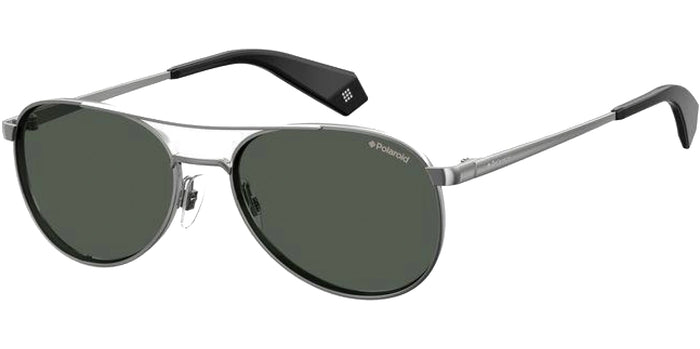
Consider the water scenario, which is where optimism goes to die without proper lenses. You’re on a boat, the sun is high, and the surface of the ocean is a blinding sheet of silver. You can’t see the fish, the rocks, or the subtle change in water color that signals a sandbar. Polarized aviators cut through this surface tension entirely. You see the undulating seagrass below, the shadow of a bass moving lazily. It turns fishing from a guessing game into a voyeuristic observation of an alien world. For the urban dweller, this translates to window shopping without the glare of storefront glass, or simply walking down a boulevard without having to squint at every passing car’s chrome.
But there’s a nuance to be aware of—a dark truth that purists lament. Polarization can distort the appearance of LCD screens, making your car’s navigation display or a phone screen look ten shades darker or slightly rainbow-speckled. This is a feature, not a bug, of the physics. In a world where we are glued to screens, aviators offer a rare sanctuary of analog vision. They force you to look out rather than in. It is a deliberate act of digital detox. For the modern professional who spends nine hours staring at a monitor, donning these glasses on a lunch break is a way to reclaim the physical, three-dimensional space that pixels have stolen from us.
For the traveler, they are the ultimate alibi. A great pair of aviators allows you to people-watch with impunity. The mirrored or faint gradient coating on many Polaroid models provides a one-way reflection. While you observe the chaos of a foreign train station or the weirdness of a local café, no one can see your eye movement. This is a powerful, silent tool. It grants you a cloak of anonymity and confidence, allowing you to absorb the culture without being consumed by it. You are the observer. You are the one with the clear vision, both literally and figuratively, while everyone else flounders in their own refractive error.
Five Questions You Were Afraid to Ask About Polarized Aviators
1. Are all polarized lenses the same quality, or is "Polaroid" just a branding trick?
This is the most critical distinction. There is a massive difference between cheap "polarized" film that is stretched over a lens (which can delaminate and cause visual distortion) and the embedded polarizing film used by Polaroid. Edwin Land’s original patent wasn't just about the material; it was about the manufacturing process. Authentic Polaroid lenses involve the polarizing film being laminated inside the lens substrate, meaning the filter is protected from scratches and heat. This ensures the polarization doesn't wear off after a year of use, and it maintains a structural integrity that budget brands simply cannot replicate.
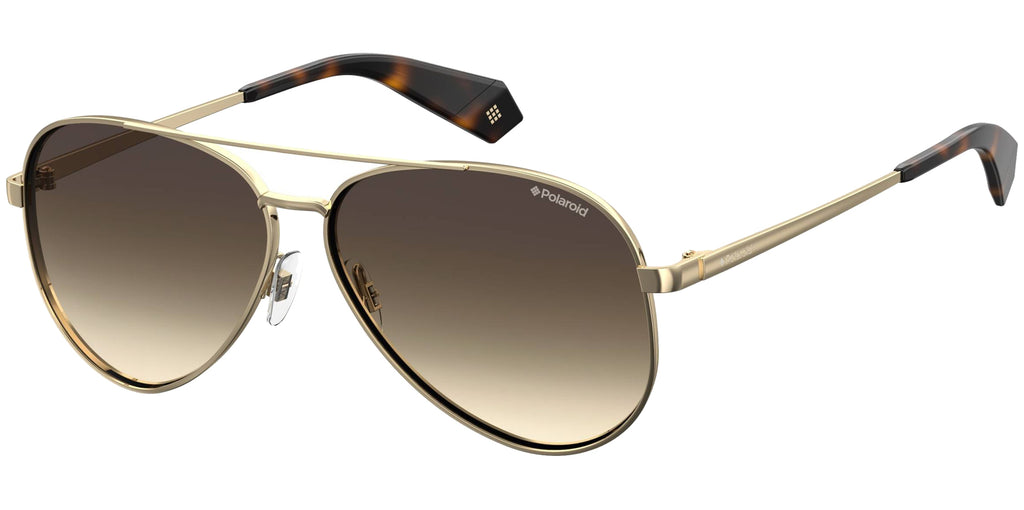
Furthermore, the axis of polarization matters. A cheap lens might polarize at a slight angle, leading to increased eye strain or a weird "headache" effect. Polaroid uses a precise 90-degree vertical axis of polarization that is matched to the physics of human horizontal viewing. They also invest heavily in "TAC" (Triacetate Cellulose) lens material, which offers superior optical clarity and prevents the "wavy" distortion you often see in bargain-bin glasses. So yes, it’s a brand, but it’s a brand built on a proprietary optical standard that remains the gold standard for a reason.
2. Can polarized lenses really protect me from UV rays, or is that a marketing myth?
Contrary to popular belief, polarization and UV protection are two entirely separate optical properties. A lens can be polarized but offer zero UV protection, which is arguably more dangerous than wearing no sunglasses at all. When your pupils dilate behind dark lenses, they let in more unfiltered UV radiation. This is where Polaroid's heritage shines. Because of their history in scientific optics, their lenses are engineered with an anti-UV absorber in the lens matrix, rated at 100% UV400 protection. This blocks all UVA and UVB rays up to 400 nanometers.
So, while the polarization gives you comfortable, glare-free vision, the UV protection is the silent bodyguard that prevents cataracts and macular degeneration. It’s a two-pronged defense. The dark, fun fact is that high-quality glass lenses actually block UV naturally when treated, but plastic lenses require additives. Polaroid’s use of high-index plastic with UV inhibitors means you get lightweight comfort without sacrificing your long-term eye health. You are literally preventing sunburn of the retina—a condition called photokeratitis—which feels like sand in your eyes but appears only hours after exposure.
3. Why do some polarized lenses make the world look "weird" or cause visual stress?
This is usually the result of a malformed lens curvature or, more commonly, an issue with the "stress pattern" in the lens. When lenses are manufactured under uneven pressure or cooling, they develop internal strain. When you look through a cheap lens and tilt your head, you might see a rainbow pattern or a swirl. This is called "birefringence," and it causes your eyes to constantly refocus to compensate for the distortion, leading to fatigue and headaches. High-grade Polaroid lenses are annealed (slowly cooled) and stressed-released during manufacturing to eradicate this issue.

Another culprit is the clash between polarized light and the polarizing screens of modern vehicles. The windshields of many cars now contain safety glass with a polarizing film, creating a moiré pattern when viewed through another polarizer at an angle. This is a physics phenomenon, not a lens defect. If you see this, it’s a matter of slight head tilt to find the "neutral" angle. However, premium lenses with higher optical density (like those from Polaroid) minimize the impact because they have a narrower bandwidth of light absorption, reducing the interference pattern effectively. If your eyes feel tired, you are likely fighting a battle between your glasses and the environment—a sign to invest in better optics.
4. Can I wear polarized aviators for night driving or overcast days?
This is a definitive and emphatic no, and it is a safety issue. Polarized lenses are designed to reduce glare, but they also reduce overall visible light transmission (VLT). At night, they will dangerously dim your vision, impairing your ability to see pedestrians, animals, or curbs. However, for cloudy or dim days, you should look for lenses with a very light tint (Category 1 or 2 on the sun lens scale) versus the heavier Category 3 typically found in aviators. Polaroid makes "Transition" lenses for this reason, but traditional aviators are strictly for daywear.
Interestingly, on overcast days, polarization is still useful. Glare often exists even under clouds, due to light scattering. A low-light polarized lens can cut the "grey wash" and add contrast to the environment, allowing you to see road markings more clearly in fog. But the key is to check the VLT percentage on the spec sheet. Above 60% VLT is for overcast; below 30% is for harsh sun. Wearing a full-day aviator at sunset is a recipe for walking into a pole. Respect the lens category; it is not just a label, it is a safety guide.
5. How do I clean and maintain them to ensure they don't scratch the expensive polarization film?
The absolute worst thing you can do is wipe your lenses with a dry shirt or use a paper towel. Dried dust particles act as sandpaper, abrading the lens coating and creating micro-scratches that scatter light and ruin the polarization effect. The blue-dyed polarized film is resilient, but the surface coating is delicate. You must always use a microfiber cloth, and ideally, a lens cleaning solution that is alcohol-free. Ammonia-based cleaners (like Windex) will eat the anti-reflective coating and can cause the polarizing film to peel away from the lens edges.

When not in use, keep them in a hard case, not loose in a bag with keys or coins. The hinge pressure and side contact are common failure points for aviators. There is a dark, fun fact: heat is the silent killer of polarization. Leaving them on the dashboard of a car in summer (where temps can hit 150°F) will cause the polycarbonate to warp and the lens to de-bond. To maintain the optical integrity, rinse them under lukewarm water first to wash away grit, then apply a drop of mild dish soap, rub gently with your fingers, and rinse. Only pat dry with a microfiber towel. Treat them like the precision instrument they are, and they will last a decade.
In our daily lives, we are bombarded with visual noise—screens, signs, and the chaotic shimmer of a synthetic world. To put on a pair of Polaroid aviators is to perform a quiet act of curation. It is to say, "I will choose what I see, and I will see it sharply." This desire for control is deeply human; we build walls, we filter our social media, and we wear sunglasses to manage the boundaries of our personal space. The glare from the outside world is often metaphorical as much as it is literal, and these lenses offer a reprieve.
There is a certain romanticism in carrying a piece of Edwin Land’s genius on your nose. He believed that science could bring clarity to human experience, and the aviator is the physical proof of that. It connects the heroics of a fighter pilot with the vulnerability of a sunbather, the precision of a researcher with the casualness of a Sunday drive. It is a democratic tool of vision, available to anyone who craves a sharper edge of reality.
Ultimately, these sunglasses are more than a piece of plastic and metal. They are a treaty between you and the solar cycle. They allow you to face the fiercest light of the day without flinching. In a world that often feels blurry, overwhelmed, and too bright to handle, having the power to cut through that—to find the stillness beneath the glare—is the quietest, most stylish act of self-preservation we have left. So, wear them. Look up. See everything.


