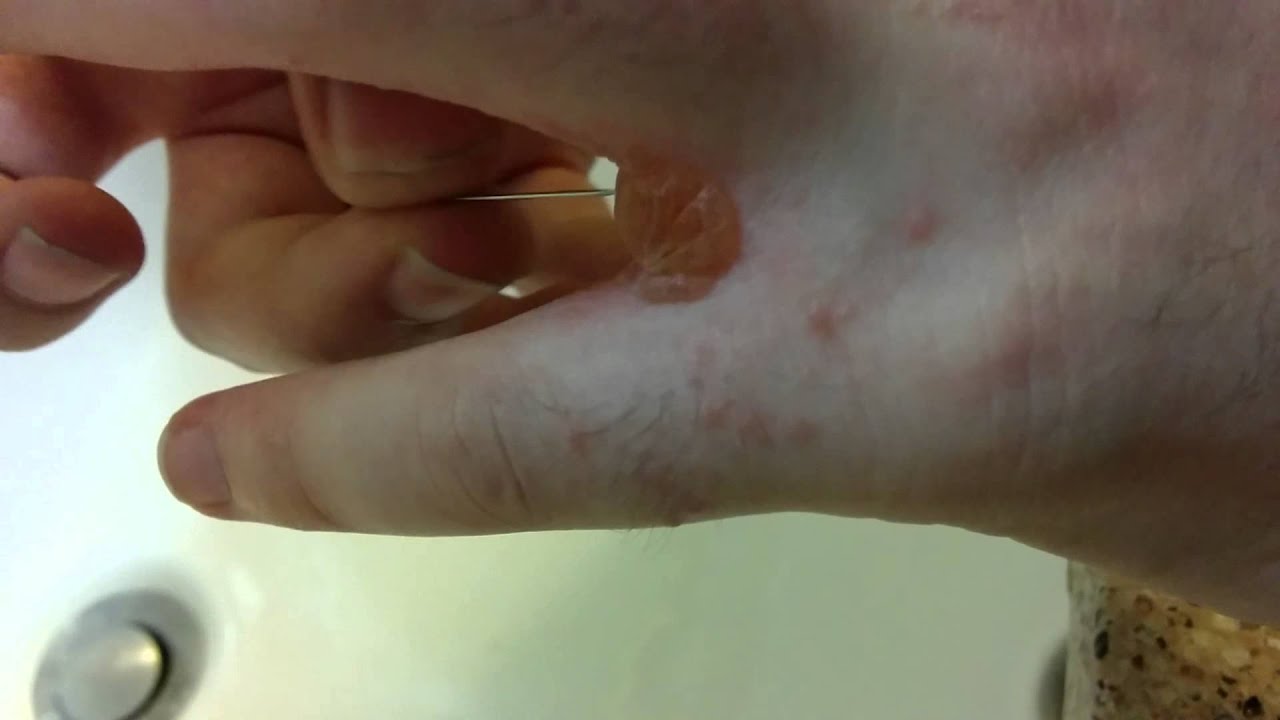
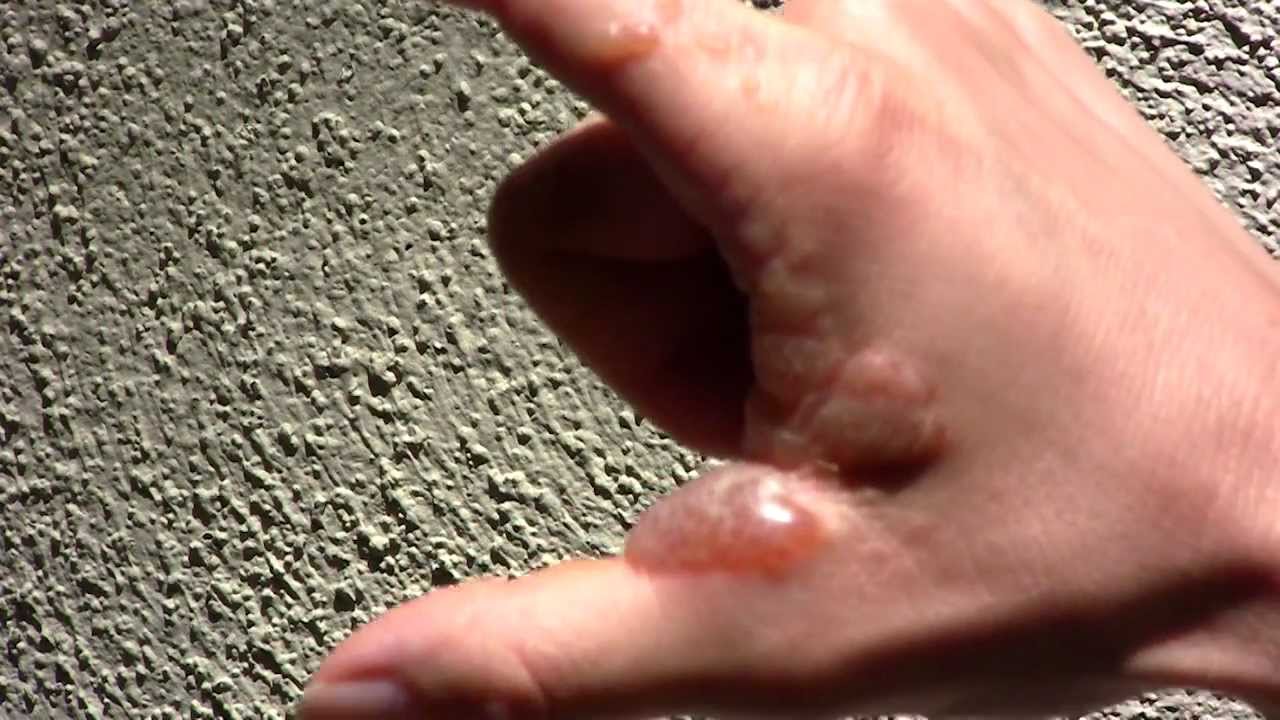
Poison Ivy Blisters Accidentally Popped
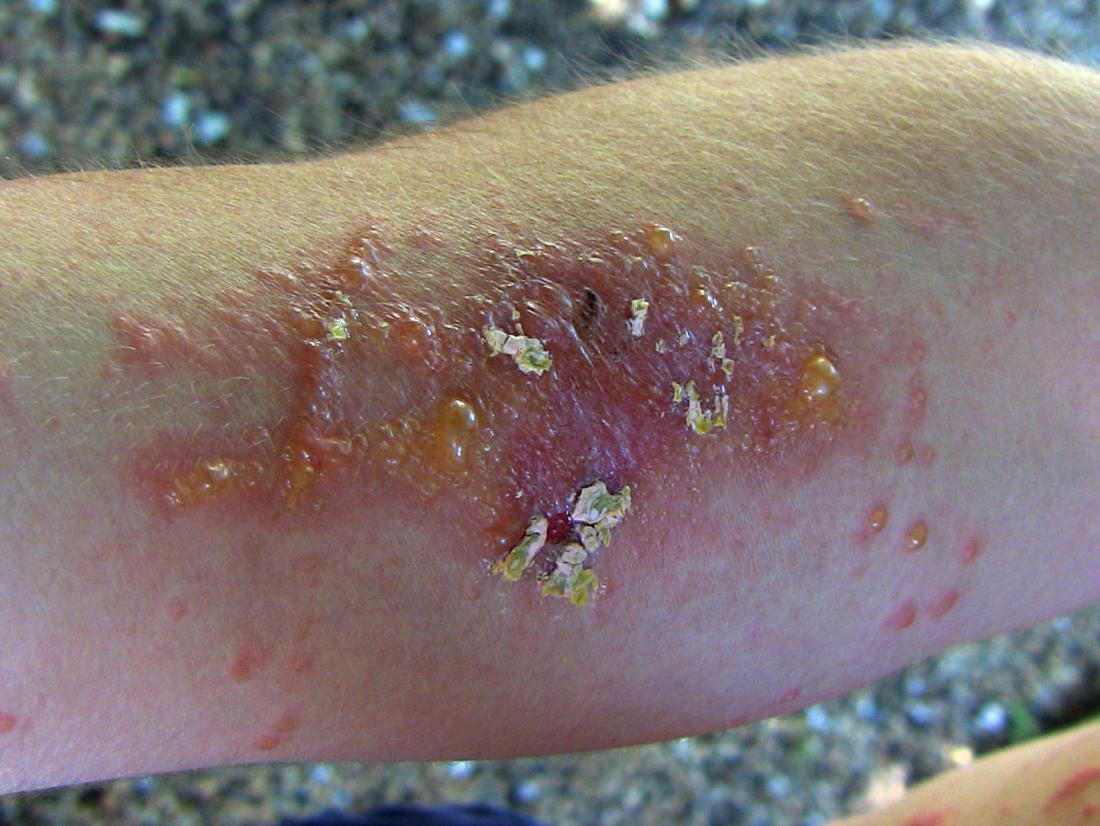
I still remember the great outdoors adventure I had last summer, hiking through the woods with friends, feeling like we were on top of the world. Little did I know, Poison Ivy was waiting for me, lurking in the underbrush, ready to ruin my summer vibes. I got a nasty case of contact dermatitis and let me tell you, it was no fun at all.
Fast forward to the not-so-fun part: the blistering stage, where I had to deal with itchy, painful bubbles all over my skin. Now, I know what you're thinking: "what's the big deal, just scratch them and be done with it!" But trust me, you don't want to pop those blisters - I did, and it was a huge mistake. I ended up with an infection that took weeks to clear up, and let me tell you, it was a real nightmare.
The Problem with Popping
So, why is it such a bad idea to pop Poison Ivy blisters? Well, for starters, it can spread the urushiol oil that causes the rash to other parts of your body, making the problem worse. Plus, breaking the skin's surface can lead to infection, which is exactly what happened to me - and I'm sure you don't want to go through that, right?
Must Read
I mean, think about it: when you pop a blister, you're essentially creating an open wound that's vulnerable to bacteria and other foreign invaders. And if you're not careful, you can end up with a serious infection that requires antibiotics or even worse, a trip to the hospital. Not exactly what you want to deal with, especially during the summer months when you're supposed to be having fun.
A Word of Caution
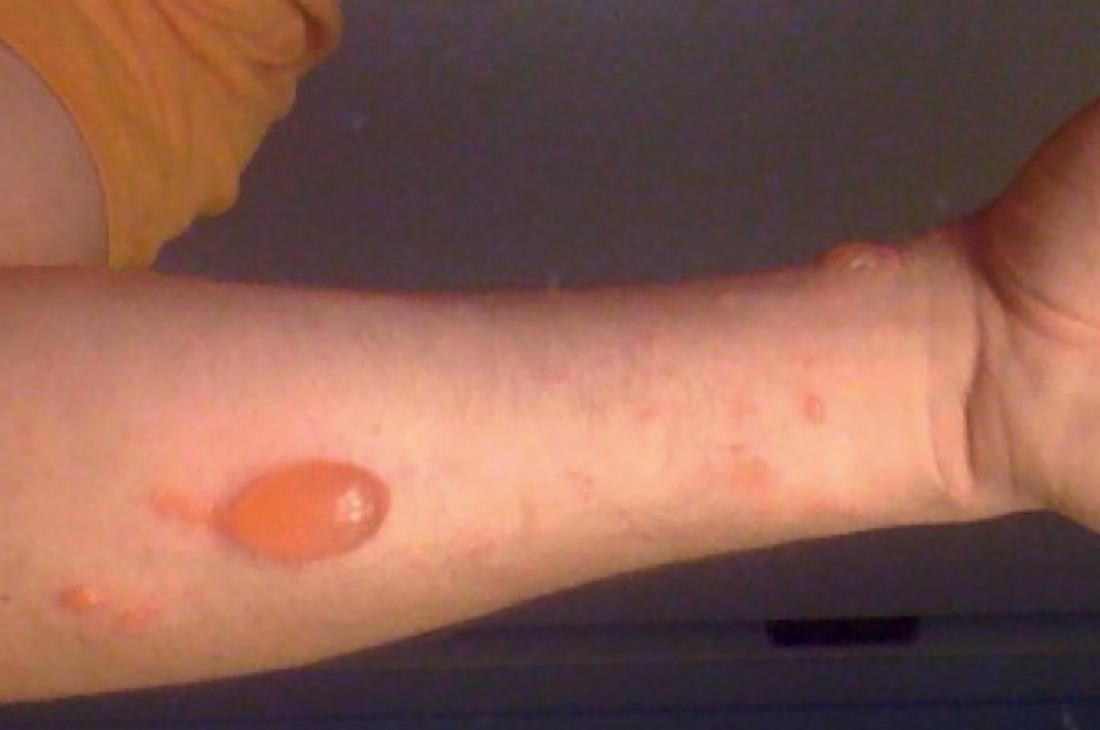
Now, I know some of you might be thinking: "but what if the blister is really big and painful?" And I get it, it can be tempting to drain the blister to get some relief. But here's the thing: resist the temptation! Instead, try using cool compresses or calamine lotion to reduce the itching and discomfort - your skin will thank you, I promise.
And don't even get me started on the myth that Poison Ivy is contagious - it's not, by the way. You can't catch it from someone else, but you can get it from touching infected plants or contaminated objects. So, be sure to wash your hands thoroughly after spending time outdoors, especially if you've been hiking or gardening.
So, there you have it: my cautionary tale about the dangers of popping Poison Ivy blisters. I hope you learned something new today, and I hope you'll be more careful when dealing with those pesky urushiol-induced rashes. Remember, it's always better to err on the side of caution when it comes to your skin - trust me, you won't regret it.

On a related note, have you ever wondered how Poison Ivy got its name? Well, it's actually quite fascinating: the plant contains an oil called urushiol, which is responsible for the rash and blistering. And get this: it's also found in other plants like Poison Oak and Poison Sumac - so, be sure to steer clear of those too.
Anyway, I hope you enjoyed this little chat about poisonous plants and the perils of popping blisters. If you have any questions or comments, feel free to share - I'd love to hear from you. And remember: always be careful when venturing into the great outdoors, and don't say I didn't warn you about those nasty Poison Ivy blisters!

What to Do Instead
So, what can you do to treat poison ivy rashes and blistering? Well, for starters, try using over-the-counter creams or lotions that contain hydrocortisone or calamine. You can also try taking oral antihistamines to reduce the itching and discomfort.
And if the rash is particularly severe, you may need to see a doctor for further treatment. They can prescribe stronger creams or medications to help clear up the infection and reduce the inflammation. Just remember to always follow their advice and take the medication as directed - your skin will thank you.
In conclusion, poison ivy blisters may be a nuisance, but they're not the end of the world. With the right treatment and a little bit of common sense, you can heal and move on from the infection. Just remember: don't pop those blisters, and you'll be golden - or at least, your skin will be.