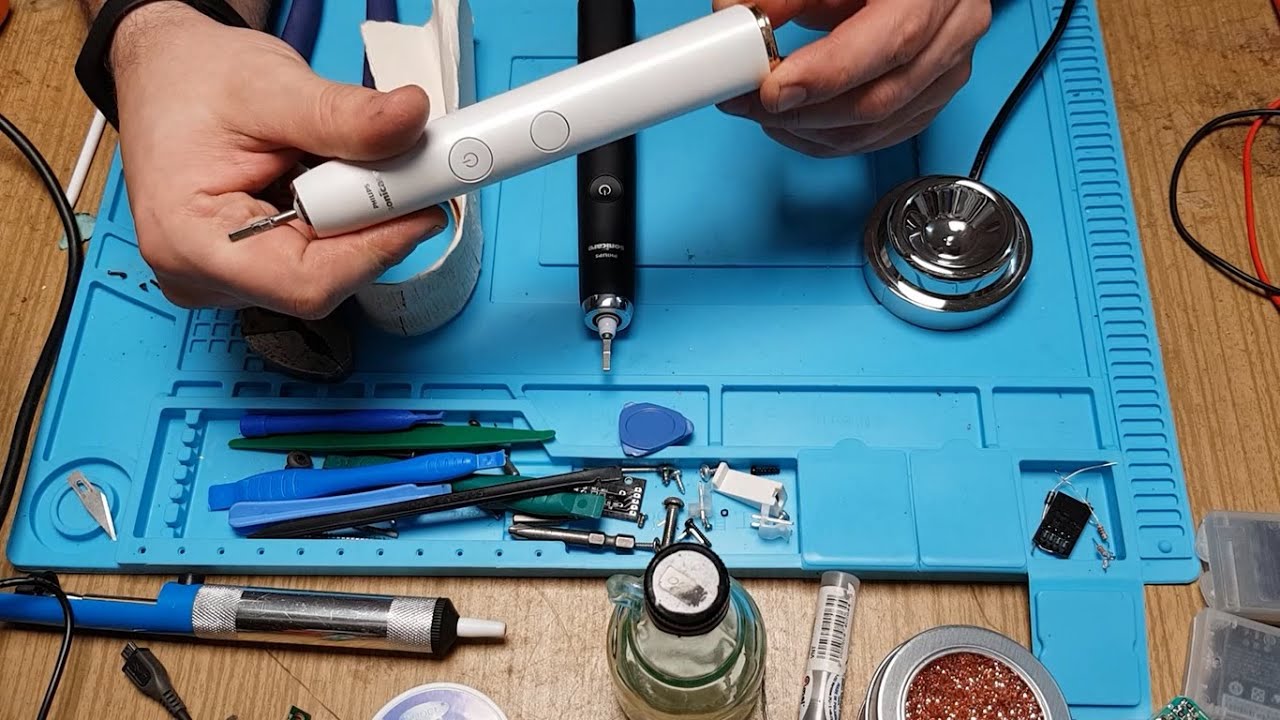
How To Repair Sonicare Toothbrush

So, your Sonicare has decided to take an unscheduled vacation right when you needed it most. You’re standing there, toothpaste dripping off your chin, staring at a very expensive, very still toothbrush. Before you toss it in the "drawer of broken dreams," take a deep breath. We’re going to fix this thing, and honestly, it’s easier than you think—and a whole lot cheaper than a new one.
First, Let’s Diagnose the Problem
Is it completely dead, or is it just being a dramatic diva? If the handle doesn’t light up at all, we’re dealing with a power issue. If it lights up but won’t vibrate, that’s a different beast—usually a mechanical one. And if it sounds like a dying lawnmower, well, we can probably save it, but you might need to apologize to your neighbors.
Pro-tip: Don’t skip this step. Guessing is for lottery tickets, not for electronics. Take ten seconds to see if the green light even flickers when you press the button. It’ll save you a lot of frustration (and possibly a thrown brush).
Must Read
The “Did You Plug It In?” Moment
Yes, I’m asking. We’ve all been there—the charger is unplugged, or the outlet is dead. Try a different outlet, and make sure the charging coaster is clean. A little toothpaste gunk can actually block the connection, which is gross and also a real pain in the neck.
If it’s the older model with a metal prong, check for corrosion. A quick wipe with a dry cloth (or a slightly damp one with rubbing alcohol) can work wonders. Just don’t dunk it in water—we’re repairing, not baptizing.

The Rusty Bottom Blues (A Classic)
Sonicare handles have a notorious weak spot: the bottom charging port. Over time, water sneaks in, and the metal contacts get rusty. If your brush is dead but was fine yesterday, unscrew the bottom cap—if it’s the kind that pops off, just pry it gently. Be careful, there’s a tiny screw, and losing it is the dental equivalent of losing a contact lens.
Once inside, you’ll see the battery and a small circuit board. If you see any white, crusty stuff (that’s corrosion, my friend), take a cotton swab dipped in white vinegar and gently scrub it clean. Let it dry completely for an hour. It’s not a miracle cure for a totally submerged brush, but it fixes about 70% of "sudden death" cases.
Remember, patience is key. Don’t go at it like you’re scrubbing a grill. You’re performing delicate dental surgery, not washing a car.

Dealing with the “Shake, Rattle, and Roll” Problem
If your toothbrush chatters, vibrates weakly, or makes a high-pitched whine, the motor is likely clogged, or the drive shaft is worn out. This is a bit more complex, but still doable. You’ll need to pop the top off the handle. I use a small pick or a flathead screwdriver—just slip it into the seam near the bristle head and twist gently. It should pop with a satisfying “click.”
Inside, you’ll see a rubber gasket over the metal shaft. That gasket gets old and gets packed with toothpaste. Clean it off, and if it’s cracked, that’s your culprit. Replace it—you can find a pack of them online for a few bucks, which is way cheaper than a new brush. Also, check if there’s any debris stuck around the motor shaft; a toothpick can usually dislodge it.
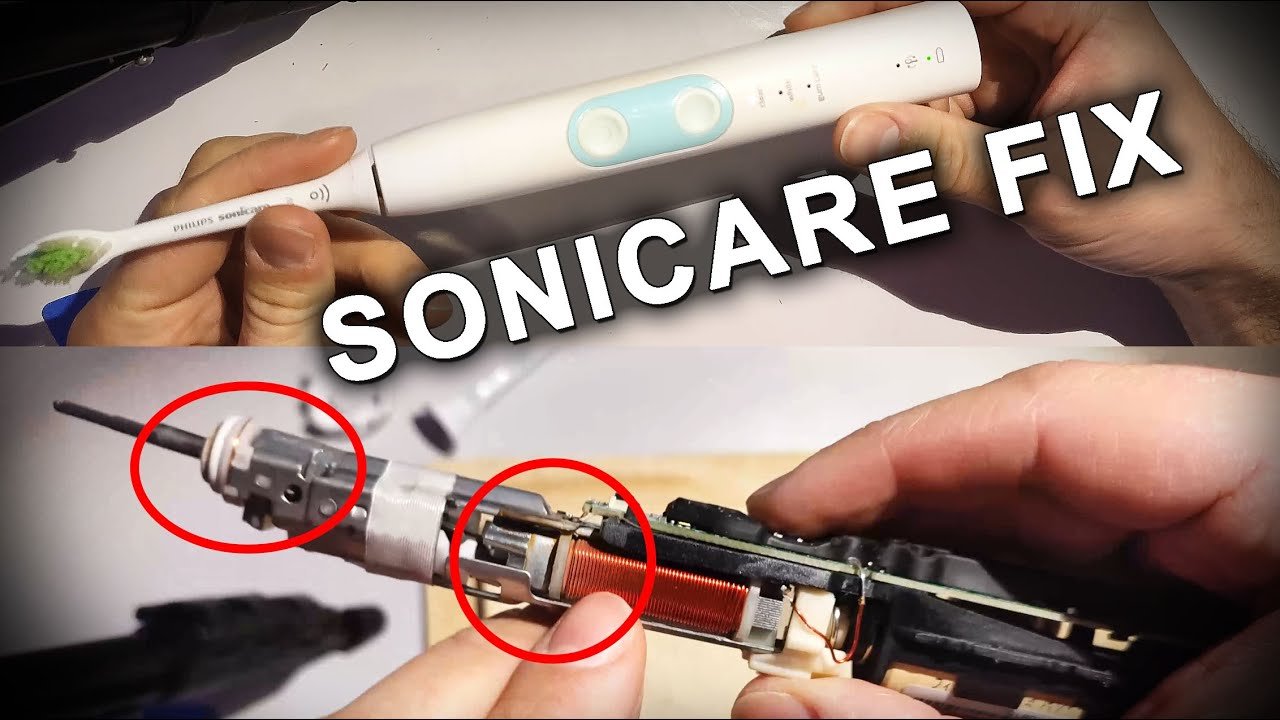
If the motor itself is dead, that’s a harder swap. But honestly, replacing the motor is a great weekend project for the brave. If you’re not comfortable with a soldering iron, let this one go to the great bathroom in the sky. It’s okay to admit defeat—every hero has a limit.
The Lithium Battery Switcheroo
This is the final boss of Sonicare repairs. If your brush holds a charge for exactly one minute, the battery is old. Removing it requires peeling away a lot of waterproof glue and unsoldering two wires. I won’t lie—it’s messy. But watch a YouTube tutorial, and you’ll feel like a mad scientist. If you have a soldering iron, this is your time to shine. If you don’t, just buy a compatible battery and pay a local electronics shop to do the swap. It’s like a spa day for your toothbrush.
And hey, if you’re 80% sure you’re going to break something, just accept it. You’re already brushing with a corpse. What’s the worst that could happen? You learn something?

When to Throw in the Towel (And Get a New One)
Look, if you’ve opened it up and there’s water damage all over the circuit board, or if the plastic case is cracked, just stop. You’ve spent 40 minutes on this, and you’re starting to get frustrated. Your time is money, and a new Sonicare on sale is like $60. That’s less than a dentist visit for a cracked tooth from brushing with a broken brush.
Also, don’t ever try to recharge a brush that’s been wrenched open. You’ll risk a small electrical fire, and that’s not a good look for anyone’s morning routine. Safety first, folks—the toothbrush is not worth your eyebrows.
So there you have it. Whether you rescued a rusty bottom or swapped out a dying battery, you’ve just saved some plastic from a landfill and saved your wallet from a shock. You’re a hero of oral hygiene, a tinkerer, a dental MacGyver. Now, go plug that beast in, give it a full charge, and enjoy the smoothest, most satisfying vibration you’ve ever felt. You earned it. And remember—if all else fails, you can always use it as a back massager. You’re welcome.