
Panchkula India Points Of Interest
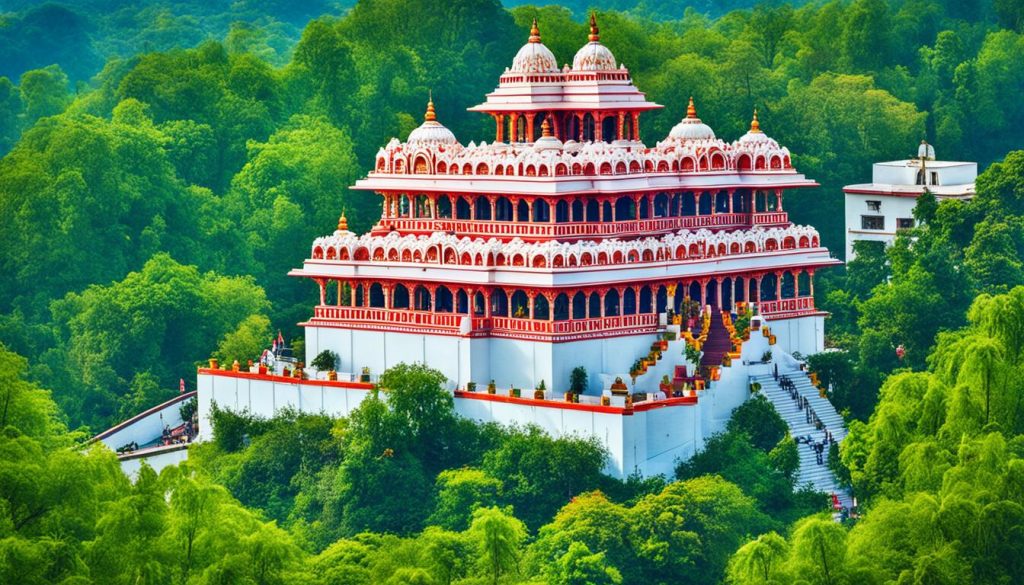
Let’s be real for a second: when you say “Panchkula,” the group chat usually responds with a single, judgy eyebrow raise. It’s the city that lives in Chandigarh’s shadow, the designated driver of the tricity, the place you drive through to get to Shimla or Morni Hills. But hold your horses, because 2025 has officially clocked it. Panchkula is having a moment. It’s not just a pit stop for road-trip snacks anymore; it’s the aesthetic backdrop for your “quiet luxury” Instagram reels, the spiritual reset nobody saw coming, and the gastronomic underdog that’s serving looks (and kebabs) that put its bigger cousins to shame.
Why the sudden glow-up? Blame the algorithm. Between viral vlogs of “secret” Japanese gardens and TikTok influencers screaming about the “Karol Bagh of Chandigarh” (yes, that’s Sector 20), Panchkula has evolved into an experiential destination. It’s the city that promises the chaos of a metro hub and the serenity of a hill station in the same 20-minute uber ride. It’s no longer the boring, planned satellite town; it’s the main character energy we didn’t know we needed. Everyone from Delhi’s burned-out corporate drones to fitness freaks searching for the next big thing is whispering about this place.
But here’s the twist: Panchkula is a paradoxical beast. It’s aggressively sanitized in parts, yet wildly feral in its local markets. It’s a city that boasts of 90% green cover but also houses some of the most chaotic traffic intersections you’ll ever see. This article isn’t a tourist brochure; it’s a survival guide. We’re diving deep into the weird, the wonderful, and the mildly toxic corners of this city to figure out exactly why it’s breaking the internet—and if it’s actually worth your FOMO-fueled weekend trip.
Must Read
The Subculture Deep-Dive: Where the Weird Meets the Wellness Industrial Complex
Let’s talk about the “Wellness-to-Wild” pipeline. Panchkula has silently become the capital of pseudo-spiritual fitness culture. On one hand, you have the Cactus Garden and the Tau Devi Lal Stadium trails, where the Haldiram’s auntie brigade does power-walking at 5 AM while discussing their children’s GMAT scores. On the other hand, you have the gated-community yoga studios in Sector 5 where the instructors charge you ₹2,000 for a session that involves "sound healing" with crystal bowls and a lecture on avoiding "negative frequencies." The cultural shift here is hilarious: it’s a place where extreme discipline meets extreme consumerism. You can do a brutal CrossFit session in the morning and then spend the afternoon aggressively negotiating for a knock-off Ralph Lauren shirt in Sector 15—there is no in-between.
Then there’s the toxicity—not the gossip kind, but the literal air quality kind. The social media narrative often pits Panchkula against Gurgaon as the “clean” alternative, but locals know the truth: the road dust from the Kalka-Shimla highway is relentless. Yet, this contrast is precisely what fuels the content. Creators love filming the “Chaos vs. Calm” aesthetic—panning from a littered street food stall to the manicured lawns of the Sector 16 Botanical Garden. It’s the duality that makes for a good post. The subculture here is obsessed with the idea of balance, even if the reality involves dodging scooters while sipping a $7 oat-milk latte. The internet worships this friction, and Panchkula delivers it in spades.
The Playbook: How to Conquer Panchkula Without Losing Your Wallet or Your Mind
Rule #1: Do NOT sleep on the Japanese Garden, but go at the right hour. If you show up at noon, you’ll be sweating through your shirt while trying to capture the perfect shot of the Koi fish pond. The influencer crowd has completely taken over the Instagrammable pagoda. Your move? Hit it at 7 AM. Bring your own matcha (yes, you’ll look pretentious, but you’ll survive) and walk the perimeter paths. Everyone queues for the central pagoda; the side waterfalls are empty, shaded, and significantly cooler. It’s the same content, half the crowd, and double the brain cells.
Rule #2: Understand the "Sector20" dynamic. This is the shopping hub, and it’s a jungle. The hack here is to bring a local or a bargain-savvy friend. The first quote you get is always inflated by 40%. Show them a note in your phone from a "friend" who bought the same silk dupatta for less—even if it’s a lie, the theater of it is expected. Also, remember: cash speaks louder than UPI in the tiny, hidden stalls. You will get lost in the gullies; that’s fine. The best jewelry finds are in the shops that look like they’re about to collapse. Birdwatching is also a sub-hobby here—watch the locals haggle, it’s more entertaining than any Netflix drama.
Rule #3: The food scene is a trap—choose your splurge. The hype is real for the butter chicken at Ghazal Restaurant, but the weekend wait is Elon Musk levels of unpredictable. Instead, pivot to the NIC (Natural Ice Cream) outlet in Sector 8—the seasonal Sitaphal flavor is worth the hype, and the queue moves fast. For dinner, skip the fancy rooftop places and hit the dhabas near the Morni Hills checkpoint. The Kadhai Paneer there slaps harder than any overpriced feta-and-olive pizza in the city center. Your wallet will thank you, and your arteries will curse you, but the social currency of saying "I ate at a real dhaba" is priceless.

Rule #4: Master the "Morni" escape route. The real Panchkula flex is the 45-minute drive to Morni Hills. But the traffic jam on weekends is a nightmare. The savvy move is to leave at 3:30 PM on a Friday. You get the sunset view without the crowds, and you can hit the adventure park (ziplining!) before they close. Don’t be the tourist who tries to go up on a Sunday at 11 AM—you will be stuck behind a convoy of Scorpios and you’ll waste your entire day. Also, the adventure park prices are negotiable if you go in a group of more than four; pretend you’re a corporate team-building group for a discount.
The FAQ we’ve been ignoring: Addressing the Internet’s Burning Questions
Is Panchkula actually "cleaner" than Chandigarh, or is that a lie?
Let’s cut the crap. Statistics-wise, Panchkula wins on green cover and segregation. But the on-ground reality is that the cleanliness is unevenly distributed. The VIP sectors near the Rajiv Gandhi Chandigarh Technology Park are pristine; the older sectors near the market are a free-for-all. If you’re judging by your Instagram feed, yes, it looks like Zurich. If you’re walking behind the Sector 20 bus stand, it smells like a dumpster. The magic trick of Panchkula is its ability to hide its mess behind high walls and tree lines. It’s not a lie; it’s just highly curated reality—kind of like that friend who never posts their "ugly crying" phase.
The bigger issue is the water. The groundwater has high fluoride content, and locals will warn you to get an RO purifier ASAP. So, while the air is relatively breathable compared to Delhi, the tap water is essentially liquid chalk. The "clean" narrative is ironically subverted by the fact that you can’t drink the tap water. It’s a fascinating microcosm of urban India's issues: looks great on the surface, but the infrastructure is sweating underneath. My advice? Buy bottled water, use the public facilities sparingly, and keep your expectations for "picturesque" rather than "hygienically perfect."

Is the Sector 20 market worth the crowd, or is it overhyped?
Is it overhyped? Yes. Is it worth it? Also yes. The trick is knowing why you’re going. If you want high-end curated shopping, go to Elante Mall in Chandigarh. If you want the chaotic, adrenaline-pumping buzz of haggling for a pashmina while simultaneously eating a golgappa that may or may not give you food poisoning, then Sector 20 is your spiritual home. The clothes are trendy but disposable—expect them to lose color after two washes. The silver jewelry is the real MVP of this market; it’s cheaper than anywhere else in North India. The atmosphere is the product. You’re paying for the experience of being jostled by college students and aunties while a street performer does a weird dance.
The debate over “overhyped” usually comes from people who don’t handle crowds well. If you’re an introvert, this place will break you. If you’re a hustler, this is a playground. The trick is to go on a Thursday or Friday evening, not the weekend. The crowd is manageable, the vendors are more relaxed about pricing, and you can actually breathe. Also, avoid the "fancy" cafes inside the market—they serve water-downed, sad-looking pasta for exorbitant prices. Stick to the street food and the chai stalls for the authentic experience. It’s not a luxury shopping trip; it’s a cultural test.
Is the "Morni Hills" trip actually a day trip, or should I stay overnight?
Stop listening to influencers who claim you can "do" Morni in four hours. You can, but you’ll only see the parking lot and a cafe. To actually get the payoff—the views of the Kaushalya Dam and the dense forest trails—you need at least eight hours. But to really absorb the vibe, you need to stay overnight. The resorts up there are hilariously overpriced for the amenities, but the sunrise makes it worth it. The issue is the last-mile connectivity; the roads are narrow and twisty. Driving at night is a death wish if you don’t know the terrain. So, if you’re staying overnight, bring your own booze (the local rates are daylight robbery) and plan to drive down by 9 AM before the tourist rush.
If you must do it as a day trip, leave at the crack of dawn (before 6 AM) and make the trek to the Trekking Trail Point. Pack a picnic; the food at the top is stale and expensive. The real tea? The lake is pretty, but the riverside spots on the way up are where the locals hang out. They are less polished but infinitely more serene. The gram will love the lake; your soul will love the hidden streams. Don’t rely on Google Maps; ask locals for "the second waterfall." It’s a rite of passage to get lost once.
So, is Panchkula a fad or a fixture? The brutal truth is that it’s a transitional phase for Indian urban culture. It’s a stopgap between the desperation of metro living and the dream of a quiet, nature-bound life. It’s not a permanent answer, but it’s a beautiful, contradictory purgatory. People will keep coming here because it offers the illusion of escape while keeping the convenience of a city. It’s the "fast casual" version of a hill station—satisfying but not deeply nourishing. Yet, that’s exactly what the modern, burnt-out consumer wants.
Panchkula isn’t just a place; it’s a digital mood board. It’s where you go to recalibrate your algorithm, to sip a flat white while staring at a mountain, and to convince yourself you’re detached from the rat race—even as you refresh your work emails. It’s a permanent feature of our lifestyle because it serves a psychological need: the need to feel like we are doing something about our stress. Whether it’s a passing fad doesn’t matter because the need for it isn’t passing. The city will keep evolving, the cafes will keep multiplying, and the traffic will somehow get worse. But for now, it remains the internet’s favorite well-intentioned, slightly contradictory getaway.


![Safe famous places to visit/see in Panchkula [2022] ! You can't miss](https://lestacindia.com/wp-content/uploads/2020/11/Cheers-1.jpg)
