
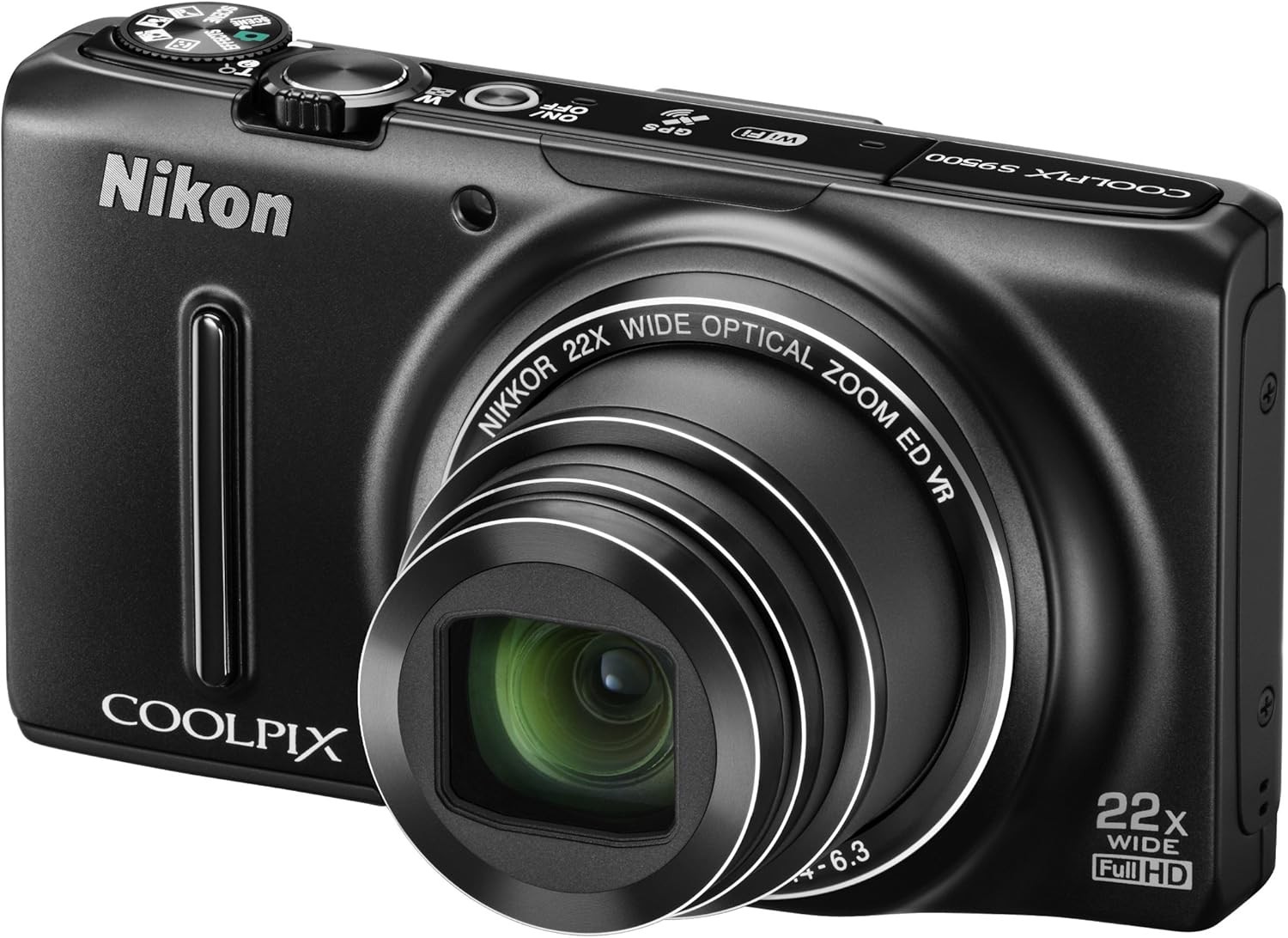
Nikon Digital Camera 18 Megapixel
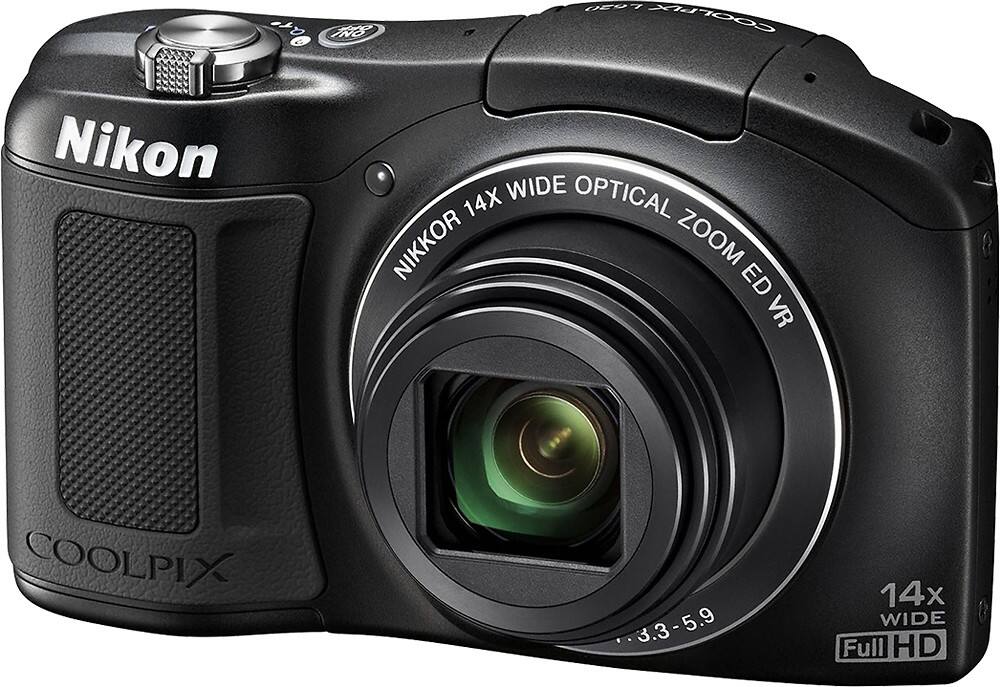
Have you ever wondered what separates a quick phone snap from a photo you’d actually want to frame? The answer often lies in the sensor, and a Nikon digital camera with an 18-megapixel sensor is a fantastic place to start exploring. It’s not about chasing the highest number; it’s about understanding that 18 megapixels offers a sweet spot between detail and file size, perfect for curious beginners and hobbyists alike.
Think of megapixels as tiny buckets of light. More buckets mean more detail captured, but too many can make files bulky without visible benefit for everyday use. An 18-megapixel sensor captures rich, crisp images that you can crop significantly and still print large, say, up to 13x19 inches. This gives you creative freedom—you can zoom in on a bird in a tree or a distant mountain peak without losing sharpness.
The real purpose of a camera like this is to teach you to see light and composition, not just to record a scene. It forces you to engage with settings like aperture and shutter speed, because the camera has enough resolution to reward careful technique. The benefit is that your photos will feel more alive—with better color depth and smoother gradients than a typical phone image.
Must Read
In a classroom, this camera becomes a powerful tool for project-based learning. A science teacher might have students document plant growth over weeks, using the high detail to examine leaf veins or soil texture. For a history assignment, students could capture local architecture and then zoom in to analyze brick patterns or weathering, turning a simple walk into a field investigation.
In daily life, think of birthdays or family gatherings where you can crop a group shot to rescue a great expression from the corner of the frame. Or consider documenting your hobby—be it cooking, gardening, or repairing bikes—where the resolution lets you show tiny, instructive details. You might even start a daily photo journal where one well-composed shot teaches you more than a hundred blurry ones.
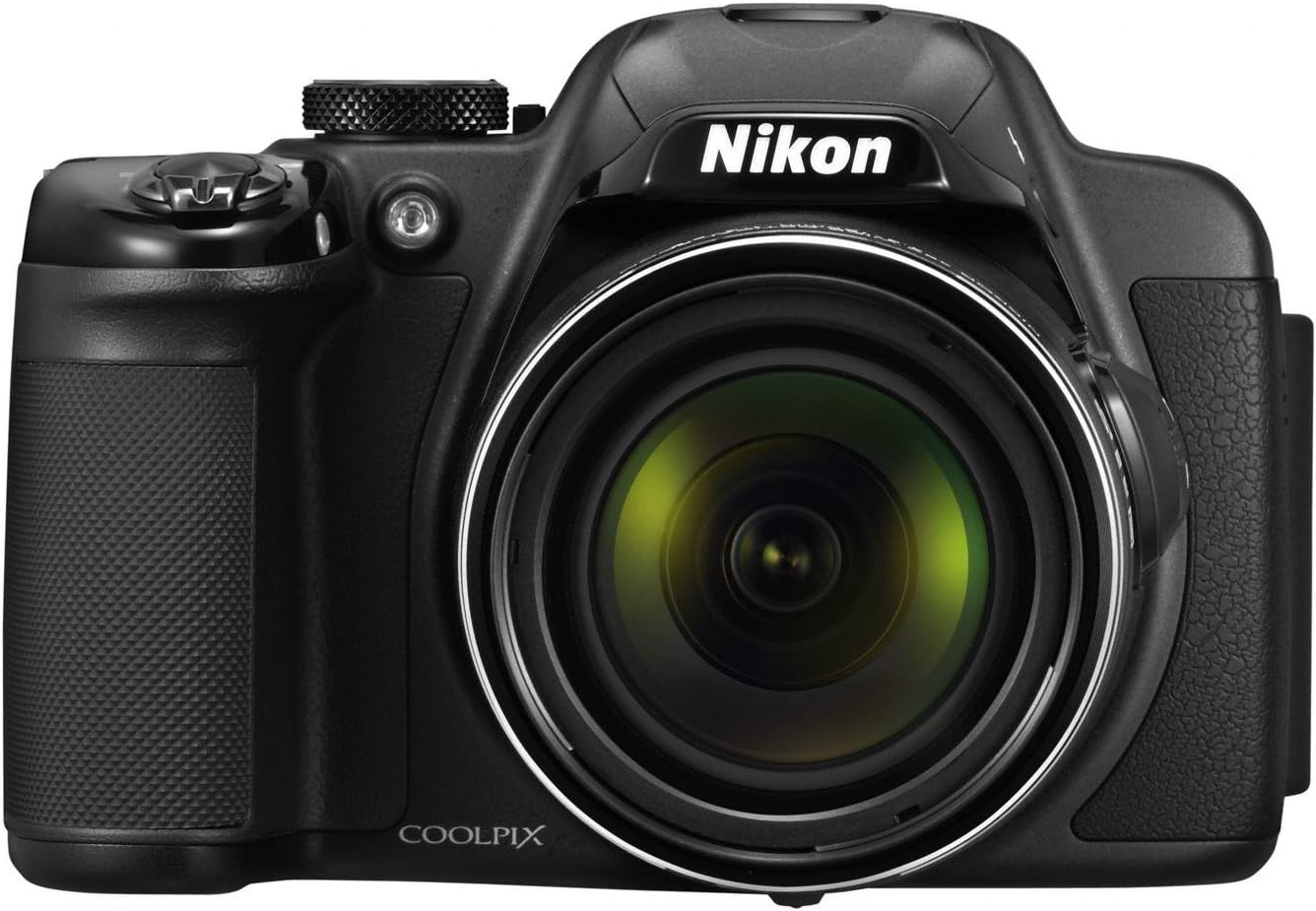
To start exploring, switch your camera to Aperture Priority mode and set it to f/8, which is often the sharpest setting for this sensor. Then, pick a subject with lots of texture—like a brick wall or a leaf—and take a photo from the same spot at different distances. Later, use free editing software to crop into those images and watch the detail hold up, which is surprisingly fun and builds intuition.
Another tip: try taking a photo of the same scene at ISO 100 and ISO 3200 to see how the 18-megapixel sensor handles noise in low light. You’ll learn that high ISO adds grain, but at this resolution, the grain often looks pleasant and film-like, not ugly digital snow. This experimentation turns a technical spec into a hands-on lesson you’ll never forget.

Finally, don’t be afraid to shoot in RAW format instead of JPEG. An 18-megapixel RAW file gives you extraordinary flexibility to fix exposure errors later, almost like having a second chance in post-processing. With a little practice, you’ll realize that this sensor is not about bragging rights—it’s about enjoying the process of making images that feel genuinely yours.
So, grab a Nikon with that magic 18-megapixel chip, and give yourself permission to be curious. You don’t need a pro’s kit; you just need to start seeing the world through a lens that rewards patience and play. Your future self will thank you when you look back at photos that actually hold the memory, not just the moment.

![Amazon | Nikon D3500 Digital SLR Camera [with AF-P 18-55 VR Lens] 24.2](https://m.media-amazon.com/images/I/71D8Mh7VWoL._AC_SL1500_.jpg)