
Natural Gas Composition In Malaysia
Meet the invisible superstar in your kitchen
Picture this: you’re boiling water for pasta, and a tiny, invisible hero is doing all the heavy lifting. That’s natural gas, and in Malaysia, it’s a bit like a deliciously complex nasi lemak—full of surprising layers you never noticed before. Most people just turn the knob and forget about it, but the real magic is in what’s actually coming out of that flame.
Don’t worry, we’re not going to turn into chemistry professors. We’re going to peek inside the gas pipeline like it’s a fun house, not a lab.
The big boss: methane (and his quiet friends)
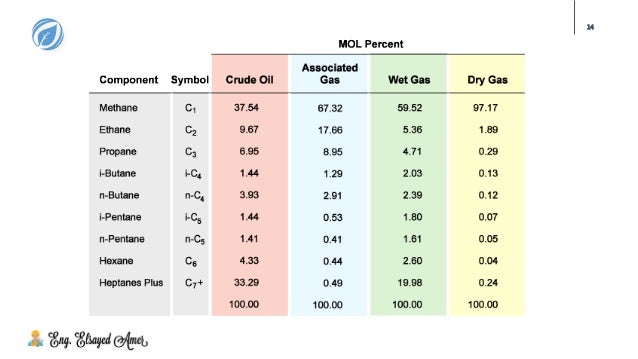
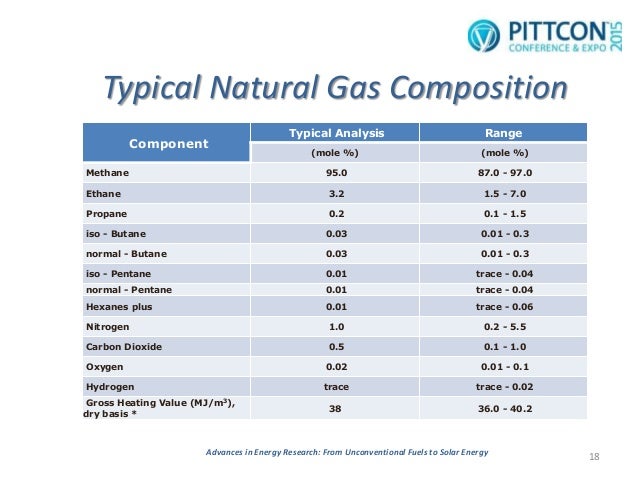
If natural gas were a boy band, methane would be the lead singer—it makes up about 90% to 95% of the mix. He’s the one responsible for the hot, clean flame that makes your teh tarik boil so fast.
Must Read
But he doesn’t perform alone. The backup singers include ethane, propane, and a few others, each adding a tiny twist to the song. They’re like the bass player and drummer—you don’t see them, but you’d miss them if they left.
Here’s the kicker: Malaysia’s gas is famously “sweet” because it has very little hydrogen sulfide. That’s fancy talk for “it doesn’t smell like rotten eggs.” The smell you do notice? That’s mercaptan, a chemical added on purpose to help you detect leaks—sneaky but life-saving.
Why Malaysian gas is a global show-off
Malaysia isn’t just lucky; it’s sitting on some of the most premium gas in the world. The gas from offshore fields like Gumusut-Kakap or Malikai is rich in methane and low in impurities, which makes it incredibly efficient.
Think of it like having a sports car that runs on premium fuel—you get more power, less waste, and fewer emissions. That’s why Malaysia exports tons of this stuff to countries like Japan and South Korea, who practically beg for it.
But the real showstopper is the carbon dioxide levels. In some local fields, CO2 is almost nonexistent, which means less headache when turning gas into liquid for shipping. It’s like getting a clean, crisp glass of water straight from the source—no filter needed.

The fun part: the “other” gases that crash the party
Okay, time for a plot twist. Natural gas isn’t just one thing—it’s a cocktail. Depending on where it’s drilled in Malaysia, you might find traces of nitrogen (the lazy gas that does nothing) or helium (yes, like the balloon-filler!) in tiny amounts.
Imagine filling a balloon at a birthday party and knowing that part of that squeaky voice was once buried under the South China Sea. That’s the kind of fun fact that makes you look at your stove differently.
And then there’s water vapor—yes, water! It’s usually removed before the gas hits your home, but its presence reminds you that nature’s recipe is never boring. It’s like finding a surprise raisin in your curry puff—not bad, just unexpected.
Why you should care (besides cooking dinner)
Here’s the deal: knowing this stuff turns you into the smartest person at the dinner table. When someone complains about the gas bill, you can casually drop, “Well, our Malaysian methane is about 95% pure, so we’re actually getting great value.” Instant hero.
More importantly, understanding the mix helps you see why Malaysia is a big deal in the energy world. The country isn’t just pumping gas—it’s sending quality.
So next time you light a burner, take a second to thank the invisible crew. Methane, ethane, and that tiny bit of nitrogen are working hard to deliver dinner, warmth, and a seriously cool story.

The last sips of the gas tank
Natural gas in Malaysia is like a good teh tarik—it looks simple, but the layers are rich and satisfying. From the dominant methane to the sneaky smell-additives, it’s a recipe perfected over millions of years.
You don’t need a degree to appreciate it. Just a curious mind and a working stove.
Remember: every blue flame you see is a tiny, Malaysian-made miracle, bottled from the earth’s pantry. So go ahead, boil that water with newfound respect.
And if anyone asks why you’re smiling at the stove, just say you’re having a moment with your gas. They’ll think you’re weird. You’ll know better.


