
My Washer Machine Is Not Draining
There’s a special kind of household drama that starts with a washing machine full of soapy, stagnant water. It’s not a plumbing emergency like a burst pipe, but it’s a genuine buzzkill that halts laundry day in its tracks. The good news? A clogged or slow-draining washer is often a quick fix you can handle yourself, saving a service call and a lot of frustration.
For beginners, this is your gateway into simple home repair—no tools beyond maybe a screwdriver and a bucket. Families will love skipping the weekend wait for a repair tech, and even hobbyists enjoy the satisfaction of diagnosing a mechanical hiccup. The real benefit is control: you understand your machine, you save money, and you feel like a minor superhero in your own laundry room.
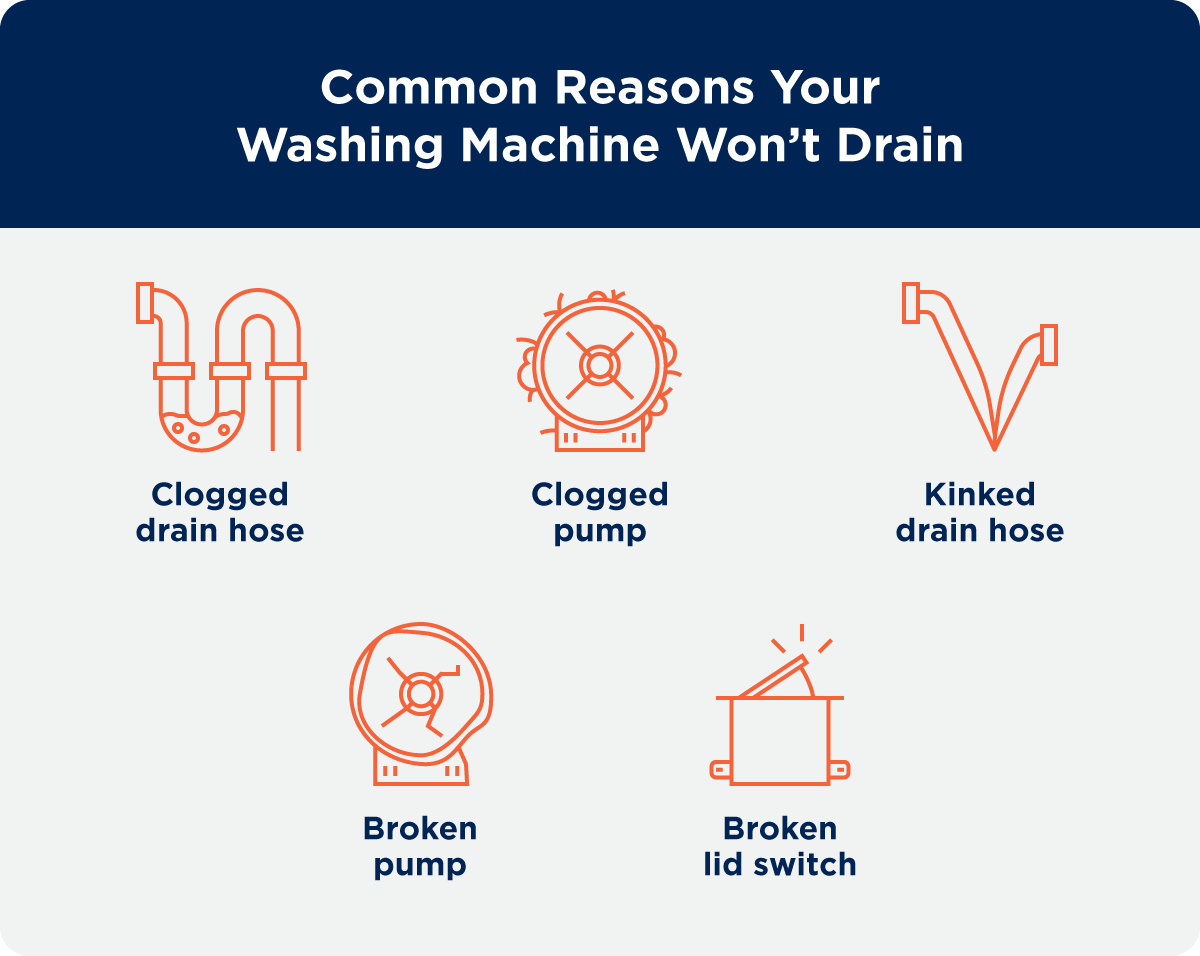
Before you panic, know that the cause is usually one of three things. The most common culprit is a clogged lint filter or drain pump filter, especially in front-loaders. A second frequent issue is a kinked or blocked drain hose, which is easy to check with a flashlight. Less often, it’s a faulty lid switch or a pump that’s actually burned out—but let’s save that for a rainy day.
Must Read
Let’s walk through a simple fix for the most common scenario. First, unplug the machine and turn off the water supply. Then, locate the small access panel at the front bottom—usually a square or round door. Place a shallow pan and a few old towels underneath, because you will spill water, and that’s perfectly okay.
Open the panel and unscrew the circular filter cap (twist counterclockwise). Carefully pull it out, and you’ll likely find a wad of hair, coins, or a stray sock that’s turned into a soggy monster. Clean the filter thoroughly, check the tiny pump impeller for debris, and then replace the cap. That’s it—you’ve just solved 80% of draining problems.
If the filter was clean, move to the drain hose. Pull the machine away from the wall and inspect the hose that runs from the back to your standpipe or sink. Untwist any kinks, and if you suspect a clog, disconnect the hose and run a garden hose through it backwards to flush out gunk. Always check the standpipe height—if it’s too tall, the water won’t siphon out; too short, and you get overflow.
For a quick preventive habit, run a monthly cycle with hot water and a cup of white vinegar to dissolve soap scum. Also, never skip cleaning the filter—make it a ritual like changing a car’s oil. And if you have kids, teach them to empty pockets before laundry; that single habit will save you from pulling out wet, tangled treasures.

Sometimes the issue is simpler than you think—like a lid that isn’t fully closed, triggering the safety lock. If your machine hums but won’t drain, check the lid switch first; it’s a $10 part and a five-minute swap. And if you own a high-efficiency washer, use only HE detergent; regular soap creates excess suds that choke the pump.
Now, what if you’ve checked everything and it still won’t drain? Don’t be a hero—that’s when you call a professional, especially if you see burning smells or hear grinding. But here’s the real reward: by trying these steps, you’ve already learned more about your appliance than most people ever will. You’ll spot future problems early, and you’ll never fear that puddle again.
The value here isn’t just a working washer; it’s the quiet confidence that comes from solving a real-world problem with your own hands. Next time you hear that familiar gurgle, you’ll smile, grab a bucket, and get to work—like a pro. And honestly, there’s a weird, satisfying joy in rescuing a load of towels from a watery grave.


