
Prices In Goa Food And Drink 2018
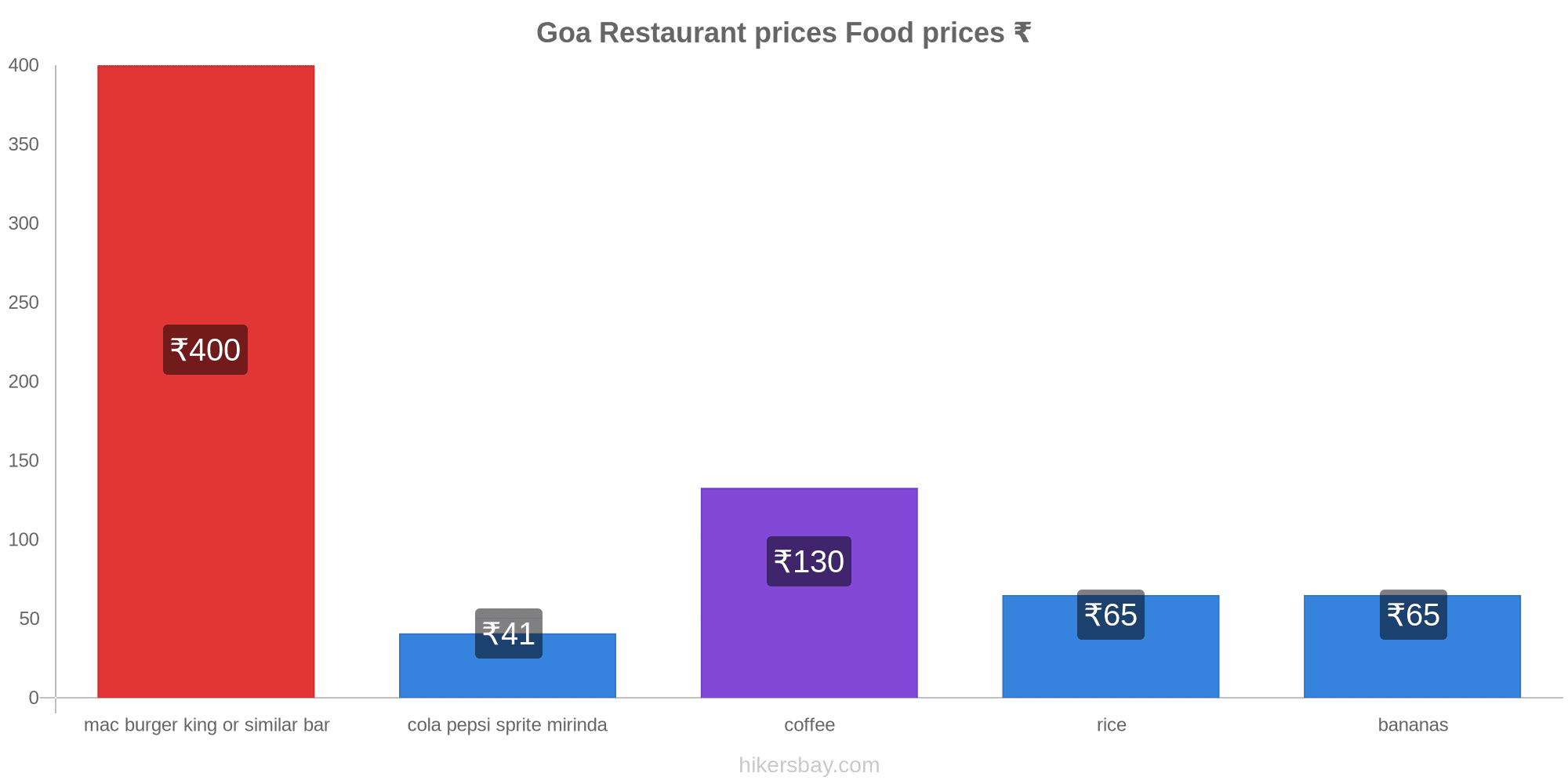
Picture this: you’re sprawled on a sun lounger at Palolem Beach, the Arabian Sea lapping at your toes, and a chilled King’s Lager costs less than a fancy coffee back home. That was the glorious reality of Goa in 2018. This tropical paradise has long been the backpacker’s dream, not just for its golden sands, but because your wallet could actually survive a two-week holiday—and then some.
Navigating the food and drink scene in Goa is half the fun. The purpose here isn’t just to feed yourself; it’s to unlock the local culture, one spicy xacuti and sweet feni at a time. Knowing the price landscape in 2018 meant you could eat like a king on a pauper’s budget, and avoid the tourist-trap shock at the end of your meal. Think of this as your cheat sheet to eating brilliantly without the financial hangover.
The Beach Shack Gold Standard
In 2018, a basic beach shack breakfast—think fluffy omelette, buttery toast, and a pot of chai—set you back around ₹150 to ₹200 (about $2 to $3). For lunch, a fresh catch of the day, grilled with garlic and lime, usually hovered between ₹250 and ₹350. You could watch the fishermen haul in your dinner while paying less than the price of a movie ticket at home.
Must Read
The real winner was the thali—an unlimited platter of rice, dal, veggies, and a fish curry. At a local joint, this feast cost just ₹80 to ₹120. Don’t be shy; ask for seconds, because that’s expected and completely free!
“I ate fish curry and rice for a week straight and spent less on food than I did on a single airport taxi,” laughed a fellow traveller I met in Vagator. That was the magic of 2018.
Drinks That Won’t Drain You
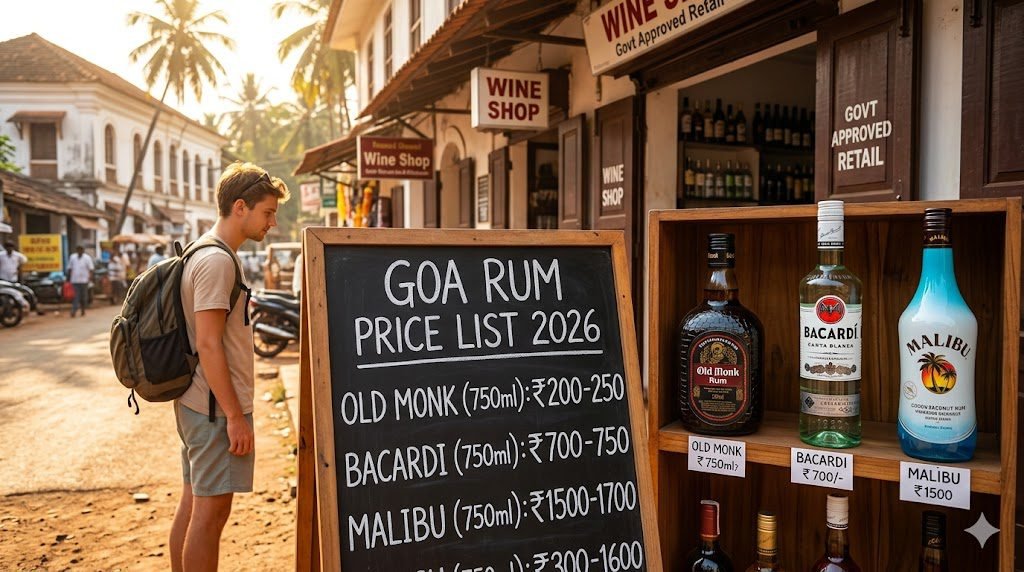
Now, let’s talk liquid gold. A large (650ml) bottle of King’s or Bangalore Lager at a beach shack cost around ₹100 to ₹150. But the true local hero was feni, a cashew or coconut spirit, at a staggering ₹40 to ₹60 per glass. It’s potent, it’s unique, and sipping it while watching a sunset is a rite of passage.
Cocktails were where you had to be a bit careful. A fancy margarita at a upscale resort bar could hit ₹400, but the same drink at a retro shack in Anjuna was half that, around ₹200. For a non-alcoholic refresher, fresh coconut water was a steal at ₹50, and a masala chai from a roadside stall was just ₹10—yes, ten rupees!
Street Food & The Unexpected Gems
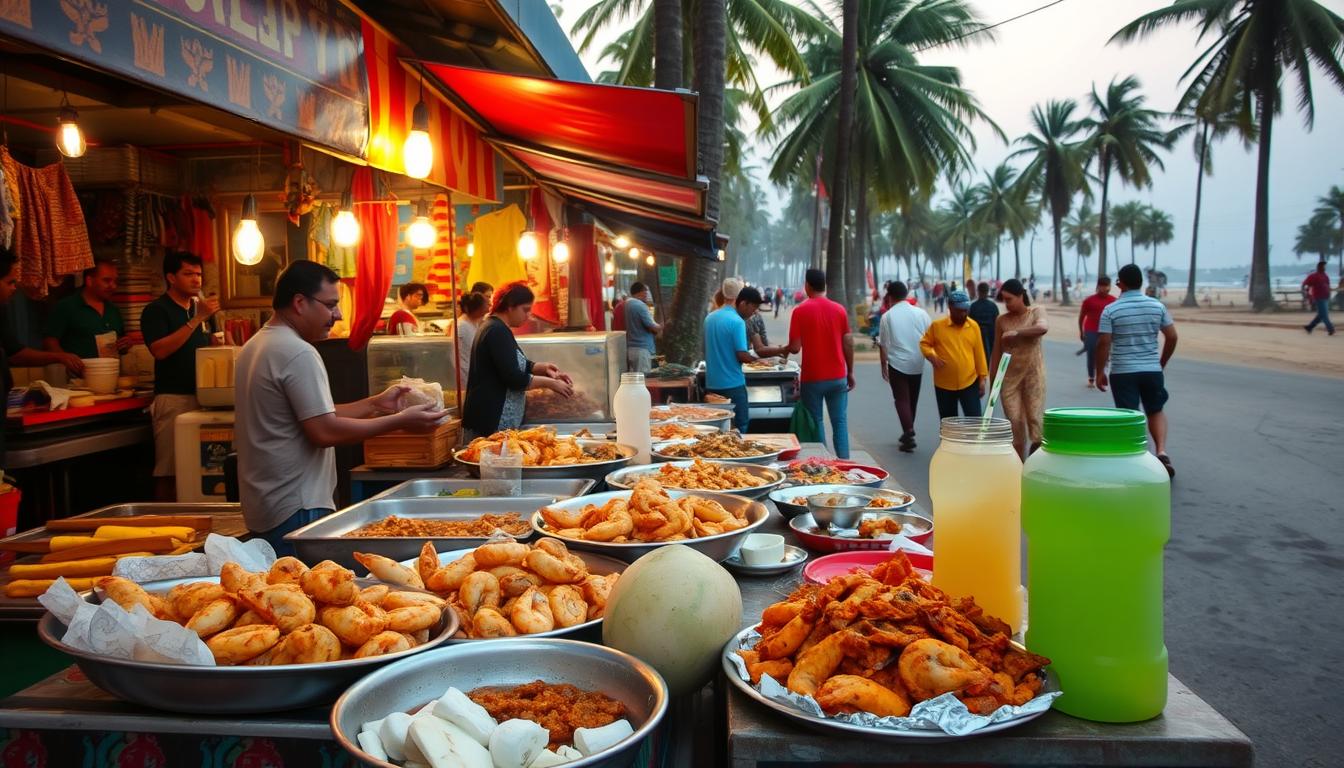
Street food in Goa wasn’t just cheap; it was a performance. A plate of spicy pao bhaji or crispy samosas cost between ₹40 and ₹80. For a proper local lunch, look for the family-run “Udupi” restaurants—they serve divine South Indian dosas for a mere ₹60.
![Prices in Goa [2024 Updated] — Goa Villa](https://www.thegoavilla.com/static/content/0354/000273_600.jpg)
One of the best-kept secrets was the fish market experience. Buy a kilo of fresh tiger prawns for ₹400, and a nearby shack would cook them for a tiny ₹100 fee. That’s a seafood feast for two, for less than the price of one appetizer in London.
The Bottom Line for Your 2018 Palate
If you were a budget traveller, you could comfortably eat and drink well on ₹500 to ₹700 per day (around $7 to $10). If you wanted mid-range comfort with the occasional beach-side cocktail, budget around ₹1,200. The key was to eat where the locals ate and drink where the fishermen drank.
![Prices in Goa [2024 Updated] — Goa Villa](https://www.goavilla.co.uk/static/content/0354/000272_600.jpg)
Remember, in 2018, the exchange rate was your friend, and the prices hadn’t yet jumped to the post-pandemic highs. So, whether you were on a shoestring or just liked a bargain, Goa offered the rare joy of indulgence without guilt. Just don’t forget to bargain for that beach bed—that’s a whole other price war!
So, next time you think of a beach holiday, remember the 2018 rule: Go hungry, leave happy, and your bank account won’t even cry. The feni may be strong, but the bill was always gentle.


![Prices in Goa [2024 Updated] — Goa Villa](https://www.thegoavilla.com/static/content/0354/000270_600.jpg)