My Freestyle Libre Is Not Accurate
There is a peculiar intimacy in the hum of a medical device against your skin, a constant, electronic heartbeat that promises clarity in exchange for a sliver of your flesh. My own relationship with this intimacy began not with the sleek, white disk of the Freestyle Libre, but with a dusty glass vial and a syringe that felt more like a pen for drafting a death warrant than a tool for life. For decades, the management of diabetes was a somber ballet of fingersticks and guesswork. The lancet, a tiny spear of steel, would plunge into the padded tip of a finger, drawing a crimson bead of blood that we would then smear onto a test strip. The machine would whir, a digital oracle spitting out a number, but it was a number already obsolete by the time it appeared—a snapshot of a past that was already ten minutes old. It was a life lived in a rearview mirror, always reacting to the damage done, never anticipating the road ahead.
The initial human necessity behind this ritual was not mere curiosity, but a desperate bid for survival. Before the home glucose monitor, which only gained widespread traction in the 1980s, patients urinated on test strips and compared the color to a chart, a method so crude it could only tell you if sugar was catastrophically high or dangerously low—a binary system for a profoundly analog condition. My grandmother, a woman of immense stoicism, used to taste her own urine, a practice that dated back centuries, when physicians would sample the sweet nectar of a diabetic’s excretion to confirm the diagnosis. That was the humbling, bizarre genesis. The fingerstick was a revolution in comparison, a leap into the digital age, yet it still felt like ancient, tribal ritual—drawing blood to appease a god of metabolism we couldn’t see. We were mapmakers in the dark, tracing the contours of our own internal landscapes with a single, unreliable flashlight.
So, when the Freestyle Libre was introduced in 2017, it felt less like a technological upgrade and more like a spiritual awakening. A small, circular sensor adhered to the back of my arm, and with a wave of a reader, a lifetime of glucose data appeared on a screen. No blood, no pain, just a constant stream of information. It was supposed to be the 'Holy Grail'—a real-time, non-invasive window into my own biology. I was seduced by the promise of a future where the past and present were finally synced. I wore it with pride, a badge of technological citizenship. But then, the honeymoon ended. I began to notice discrepancies, small at first, then glaring. The sensor would tell me my glucose was a blissful 110 mg/dL, while my old trusty fingerstick would counter with a stark 160 mg/dL. The alarm would shriek a low glucose warning, sending me into a panic to consume sugar, only to feel completely fine. My Freestyle Libre, the herald of a new age, was lying to me. And I wanted to understand why.
Must Read
The Highs and Lows of a Digital Betrayal: The Evolution of Inaccuracy
The narrative surrounding continuous glucose monitors (CGMs) has always been one of linear progression—from the painful to the painless, from the inaccurate to the precise. But the reality, as I have painfully discovered, is a messy, non-linear saga. The first major transformation began in the early 2000s, when the first CGMs—devices like the Medtronic Guardian—were introduced not as replacements for fingersticks, but as supplements. They were clunky, required frequent calibrations with blood tests, and the sensors were so unreliable that the FDA mandated they be used in addition to traditional testing, never instead of. These devices were worn on a belt, with a needle inserted subcutaneously, connected by a wire. It was a cumbersome affair, and the data was considered 'retrospective'—meaning it was useful for spotting trends, but you couldn't trust the absolute number for dosing insulin. It was a nascent technology, and its inaccuracies were tolerated because it was miraculous that it worked at all.
A forgotten vintage fact is that the first-generation sensors measured glucose in the interstitial fluid—the fluid that bathes our cells—not the blood itself. This is the fundamental reason for the inaccuracy I experience. Blood glucose rises and falls quickly, like a sports car, while interstitial glucose lags behind, more like a heavy freight train. This lag time, often 5 to 15 minutes, means that the Libre is never showing you your current state, but the state of your body in the recent past. During stable periods, they align beautifully. But the moment you eat a fast-absorbing carbohydrate, or feel a surge of adrenaline, the two values diverge wildly. In previous decades, this lag was viewed as a fatal flaw, a reason to dismiss the technology entirely. In the 1990s, the concept of a non-invasive glucose monitor using infrared light was the holy grail of research, but the signals were so confounded by skin hydration, temperature, and sweat that they proved useless. The bizarre treatment back then was to simply deny the science, to rely solely on urine tests that were woefully inadequate, and to accept a life ruled by the constant threat of hypoglycemic unconsciousness because you had no idea what your blood sugar was doing in real-time.
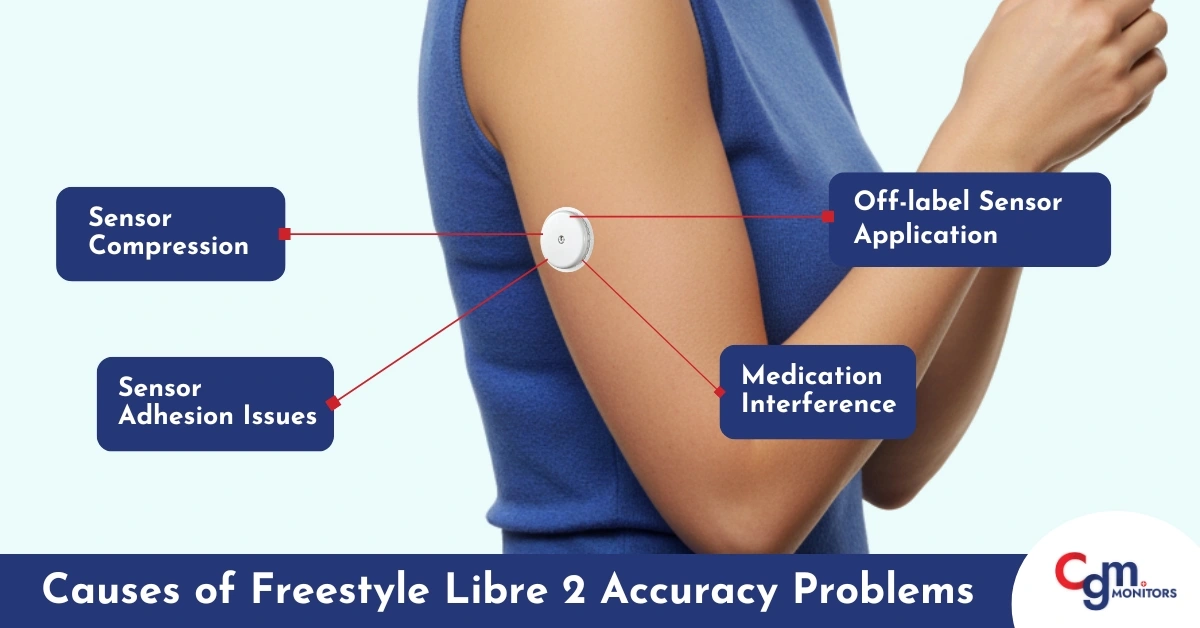
The Libra’s specific brand of inaccuracy is often unique to its design. Unlike the Dexcom G6, which uses a different algorithm and requires no calibration, the Libre’s algorithm is factory-calibrated. This means it assumes a static relationship between interstitial fluid and blood glucose, an average that does not exist in the human population. I remember a particularly frustrating week where my sensor consistently read 40 mg/dL lower than my fingerstick. I had stopped trusting it, reverting to the old ritual of the lancet, which felt like a betrayal of the future. I called the company, and a representative, in a voice dripping with corporate sympathy, explained that the sensor has a 'time lag' and that I should 'avoid rapid changes in glucose.' It felt like being told to avoid having a diabetic life. The bizarre treatment for this in the past was to change your behavior to fit the device, not the other way around. We were not the masters; we were the lab rats adapting to the maze.
Furthermore, the historical evolution of accuracy has always been hamstrung by mechanical limitations. The enzyme used in the sensor, glucose oxidase, is the same one used in the test strips of the 1990s. It is a biological agent that degrades over time, which is why the Libre has a 14-day lifespan. As the enzyme dies, its sensitivity to glucose decreases, leading to increasingly inaccurate readings toward the end of the sensor's life. In the past, we simply threw away the test strips after a single use. Now, we ask the same fragile chemistry to function continuously for two weeks, embedded in our tissue, subjected to pressure, sweat, and movement. The sensors used to be implanted deeper into the abdomen, requiring a surgical insertion. In the 1970s, the earliest research into implantable biosensors was conducted on dogs, with large, wired devices that often caused infection. The upgrade to a wireless, arm-based patch was a miracle, but we must remember that we are still relying on a chemistry set that is fundamentally fragile and prone to the whims of our own unique biochemistry.
Hacking the Algorithm: Modernizing an Imperfect System
We live in a world that demands precision, yet we are handed a tool that offers a blurry approximation. In response, a new sub-culture has emerged: the "CGM Hackers." These are the modern-day alchemists, individuals who have stopped waiting for the manufacturers to fix the flaws and have taken matters into their own hands. They are using third-party apps like xDrip+ and Spike to bypass the official Libre reader, allowing them to recalibrate the sensor using a fingerstick blood reading. They are forging a new reality, forcing the dated algorithm to accept a correction factor that reflects their personal physiology. It is a poetic rebellion against the factory reset of our lives. They are not merely managing diabetes; they are coding their own health. This is a radical departure from the passive compliance of the past, where we were simply told to trust the machine and adjust our behavior accordingly.
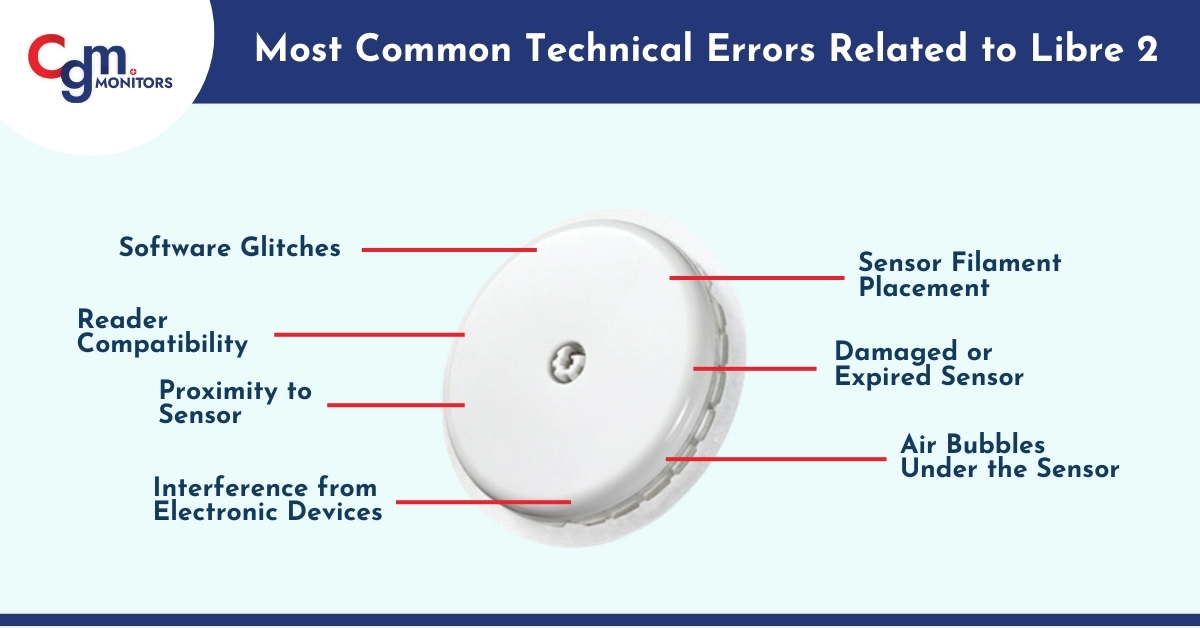
This hacking is a symptom of a broader shift towards personalized medicine. The classic principle of 'one-size-fits-all' is being dismantled. We no longer accept that a 2017 algorithm is the final word on human biology. We are pushing back, using machine learning and cloud-based data to overlay our own trends, to predict our glucose levels based on our meals, stress, and sleep. The modern hack isn't about throwing the sensor away; it’s about interrogating it, teaching it about us. It’s about turning a passive data stream into a dialogue. In the past, we consulted our physicians for weekly advice. Now, we are consulting with our own data, our own bodies, and our own communities. We are becoming the architects of our own health, not just the tenants. The tactic is no longer to accept the error, but to identify, quantify, and hack around it, turning our inaccuracy into a precise, personal data point that we can use to build a more accurate picture of ourselves than any factory default could ever provide.
Frequently Asked Questions: The Old Myths and New Realities
Why is my Freestyle Libre so different from my fingerstick meter?
The most common myth, stemming from the optimisms of 2017, is that your CGM measures blood glucose. It does not. It measures glucose in the interstitial fluid, the water that surrounds your cells. There is a constant exchange between the blood capillaries and this fluid, but it takes time. This is called the physiological lag. When you eat a meal, your blood glucose spikes first; the interstitial glucose follows, sometimes 10 to 15 minutes later. If your fingerstick is rising, your Libre might still be showing the 'old' blood level, making it look lower. Conversely, if you are crashing, your fingerstick might be dangerously low, while the Libre lags behind, reading a higher, falsely reassuring number. In the 1990s, this lag was the primary reason CGMs were dismissed as not being 'standard of care.' It was a myth that they were trying to be a substitute, when they were always destined to be a separate, less time-sensitive entity.
Furthermore, the two devices have different acceptable error margins. The fingerstick meter is allowed a variance of roughly 15-20% when compared to a laboratory test. The CGM is also allowed a variance, but the computation is different. Often, the discrepancy you see is the sum of both errors working against you. If your meter runs 10% high and your Libre runs 10% low, you see a 20% gap that looks alarming, yet both devices are technically functioning within their legal parameters. It is a frustrating reality that we are juggling two different tools that measure the same thing in two different fluids at two different times. The myth that one is 'correct' and the other is 'wrong' is false. They are simply telling different stories about your metabolic history. With the rise of Libre in 2017, patients were led to believe they could finally throw away their meters, resulting in dangerous dosing decisions based on a steeply lagging number.

Is the sensor defective, or is it just me?
It is often, quite literally, you. Your body is a complex battlefield, and the sensor is a foreign invader. The sensor is inserted into the interstitial space—the layer of fat just beneath the dermis. The thickness of this layer varies, as does the blood flow. If you wear the sensor on an area with less fat, or if you sleep on that arm, compressing the capillaries, you can induce a condition called 'pressure-induced local ischemia.' This means you are literally cutting off the blood supply to the area, starving the sensor of glucose to read. This results in false low readings. Our ancestors in the 1980s did not have this problem because they weren't embedding foreign objects in their flesh. They dealt with the trauma of the fingerstick and moved on. We, on the other hand, are dealing with a dynamic physiological response that includes inflammation around the filament. The body's immune system attacks the sensor, creating a layer of dead cells and immune response chemicals that can clog the sensor and alter the local glucose concentration.
Beyond the physical, there is the issue of medications. Acetaminophen (Tylenol) is a known interferer with this sensor technology. It was found in the 1990s that certain medications had electro-active properties that could be mistaken for glucose in the enzyme reaction. While the newest sensors are supposedly more resistant, high doses can still skew readings. So, before you blame the factory, consider the physical environment you have placed the sensor in. Are you in a state of dehydration? Are you outside in extreme cold? All of these affect blood flow to the peripheries. The sensor is not reading your blood; it is reading the local ecosystem of your arm. If that ecosystem is stressed, your readings will be wrong. It is not a defect, but an environmental data point that the algorithm is not sophisticated enough to correct for.
What should I trust when my CGM and fingerstick disagree?
This is the million-dollar question. The answer, rooted in the historical separation of roles, is: trust your fingerstick for action, and trust your CGM for direction. If you feel a low coming on, or if the Libre’s alarm is screaming at you, but you feel fine, do not drink the orange juice. Confirm with a fingerstick. The blood test is your "Point-of-Action" tool. It is your anchor, your official judge. In the past, this was the only tool, and it was sufficient. The CGM is your "Trend Radar." It tells you where you are going, not where you are. If your fingerstick shows 120 and your Libre shows 90, but the trend arrow on the Libre points straight down, that is critical information. You are on your way to 70 even if you are at 120 right now. The old wisdom, from the days before CGMs, was to wait for symptoms. The new wisdom is to use the CGM to predict those symptoms before they occur, but to never use its absolute number to treat a current emergency.
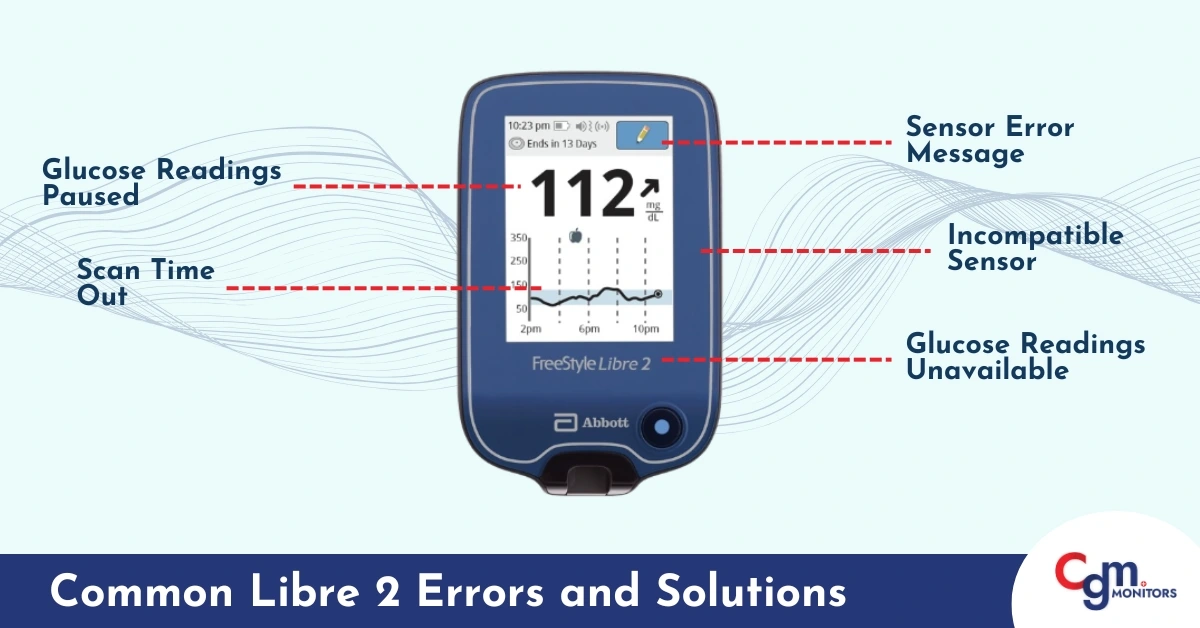
This dual-system approach was the intended use from the very beginning, but the marketing of 2017 obscured it. The companies wanted you to believe it was a miracle, a replacement for blood. But the safest, most effective way to use this faulty oracle is to treat it as a consultant, not a king. When they disagree, annotate it. Log it. Remember that the fingerstick is a snapshot, and the CGM is a film reel. You need the snapshot to see exactly where you are, but you need the film to know how to get where you want to go. The trust issue is not about the technology failing; it is about understanding its limitations. It is about being the pilot, not the passenger, using the sensors as navigational aids, not as autopilot. We have to embrace the inaccuracy as part of the craft of surviving with diabetes.
The Next Frontier: Beyond the Needle and the Patch
Looking ahead, the next 20 years will see this discrepancy vanish, but not through better sensors. We are moving beyond the paradigm of enzyme-coated filaments. The future lies in non-invasive optical imaging. Imagine a patch that uses Raman spectroscopy or photoacoustic imaging to measure glucose by shining a specific wavelength of light through your skin, reading the molecular signature of glucose without penetrating a single layer. The lag will be eliminated because we will be measuring blood directly through the microvasculature of the skin. We will wear a flexible, graphene-based smart tattoo that is invisible to the naked eye, able to communicate with your smartwatch, your car, and your insulin pump. The idea of 'calibration' will seem as archaic as tasting urine for sweetness—a relic of a primitive medical past.
The human necessity that drove my grandmother to taste her own urine and drove me to prick my finger will evolve into a subconscious, ambient awareness. We will not think of 'accessing' our glucose data; it will just be a layer of our augmented reality, streaming continuously into the peripherals of our vision. The inaccuracies of the Freestyle Libre will be remembered as the growing pains of a nascent technology, the first wobbly steps of a toddler before it learns to sprint. The data will be merged with genomics, gut microbiome analysis, and real-time metabolic tracking to create a holographic picture of our health. We will no longer react to diabetes; we will anticipate it, we will preempt it, and we will, perhaps, reverse it. My sensor may be lying to me today, but it is still whispering truths about the incredible resilience of the human body to adapt, to hack, and to survive—a journey that is only just beginning.