Is Godaddy Hosting Hipaa Compliant

So, you’ve got a brilliant idea for a health app or a therapy practice, and you’re ready to build your website. But then it hits you—what about all that sensitive patient data? You’re probably wondering, “Is GoDaddy hosting HIPAA compliant?” and honestly, it’s a great question.
Let’s just say it’s not a simple yes or no, and that’s where things get interesting. Think of GoDaddy like a giant, friendly mall where you rent a small storefront. The mall provides the lights, the security guards, and the parking lot—but it doesn’t make sure you lock your own cash register.
The Big, Boring (But Super Important) Paperwork
Here’s the deal: HIPAA isn’t just about having a secure server, it’s about having a business associate agreement (BAA). This is a legal contract where the hosting company promises to protect your patients’ info just as fiercely as you do.
Must Read
GoDaddy, the cool kid on the block for domain names and basic hosting, does not sign BAAs for their shared hosting plans. That’s the spicy detail you need to know. It’s like asking the mall owner to also be your personal accountant—they’re just not built for that role.
What About Their Snazzy “Secure” Features?
Now, go ahead and scroll through GoDaddy’s website, and you’ll see SSL certificates, firewalls, and daily backups. They’ll scream “secure!” from the rooftops. And sure, those features are like having a solid deadbolt on your front door—totally necessary.
But HIPAA is a much bigger beast. It’s not just about preventing hackers; it’s about audit logs, access controls, and proving who touched what data and when. A deadbolt is great, but HIPAA wants you to have a security camera, a fingerprint scanner, and a written log of every single person who walks in.
With GoDaddy’s basic plans, you don’t get that granular control. You’re essentially sharing a kitchen with other tenants, and you can’t guarantee they won’t leave the stove on.

When GoDaddy Might Be Okay (The Fine Print)
Hold on, don’t throw your laptop out the window just yet. There is a tiny sliver of hope. If you’re using GoDaddy’s dedicated servers or their VPS (Virtual Private Server) products, you have full control over the environment.
In that case, you’re not just renting a storefront—you’re renting the entire building. Then you become responsible for setting up all the HIPAA-compliant security measures, encryption, and logging. And even then, GoDaddy might still not sign a BAA, which is a massive red flag for any covered entity.
Most people don’t want to become server-security engineers, right? You want to help people, not wrestle with Linux configs at 2 AM.
So, What’s the Real Answer?
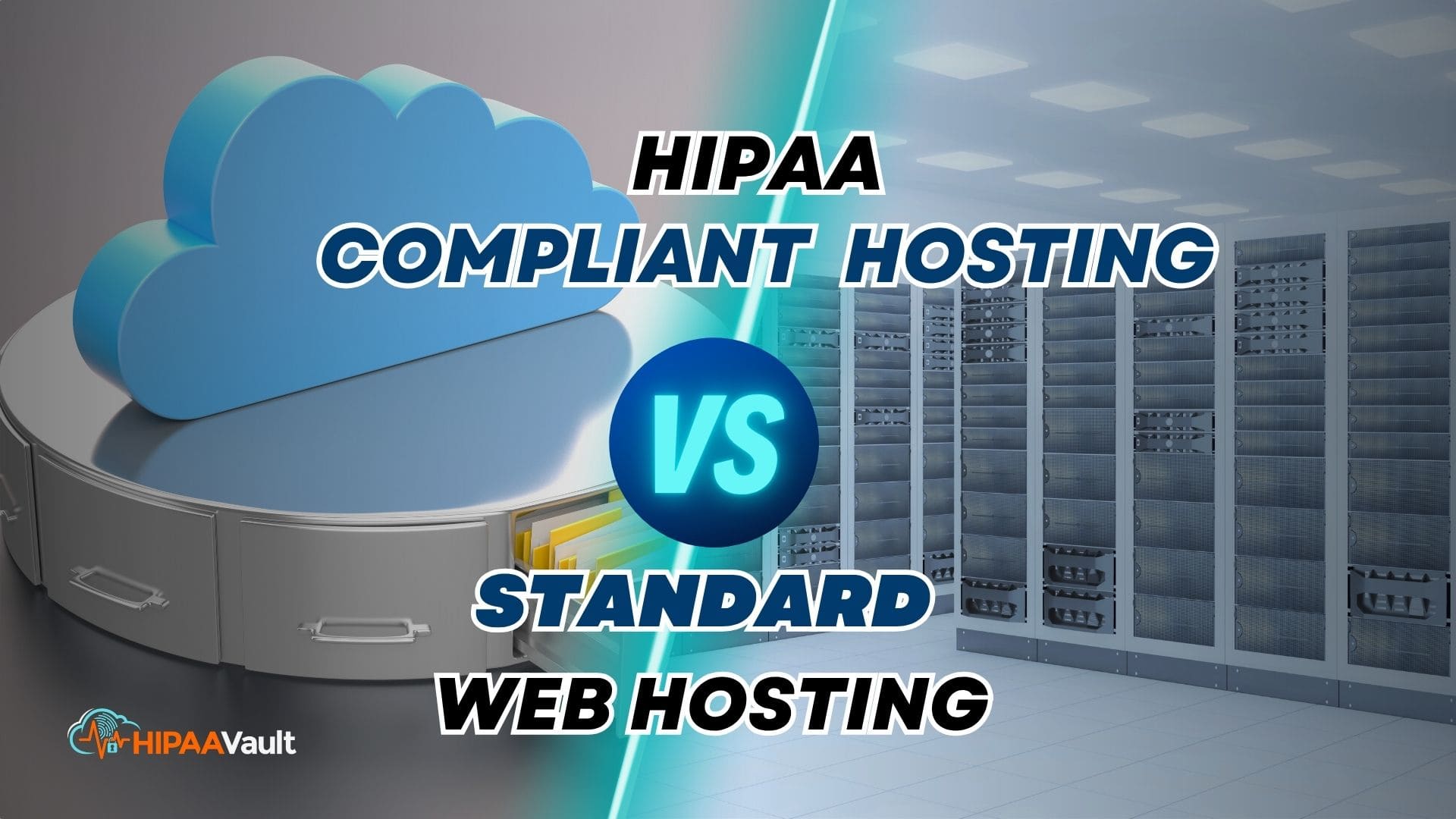
If you’re asking about typical GoDaddy shared hosting—the most common and affordable option—the answer is a resounding “No.” It’s just not built for that level of compliance. It’s like using a bicycle to deliver a package that requires a refrigerated truck.

For a true HIPAA-compliant setup, you’d look at specialized providers like HIPAA Vault or AWS with a BAA. They are like the armored car services of the hosting world, with fingerprint vaults and 24/7 monitoring.
The Chill Takeaway
GoDaddy is perfect for launching a blog, a portfolio, or a local bakery website. It’s fast, easy, and affordable. But for health data? You need to treat it like a treasure map with an “X” that exactly marks the spot.
So, before you hit “purchase,” ask yourself: “Am I 100% sure this hosting setup protects my patients’ most private secrets?” If there’s any doubt, spend the extra money on a platform that takes HIPAA as seriously as you do. Your future self—and your clients—will sleep better at night.