Modern Slavery Argumentative Essay
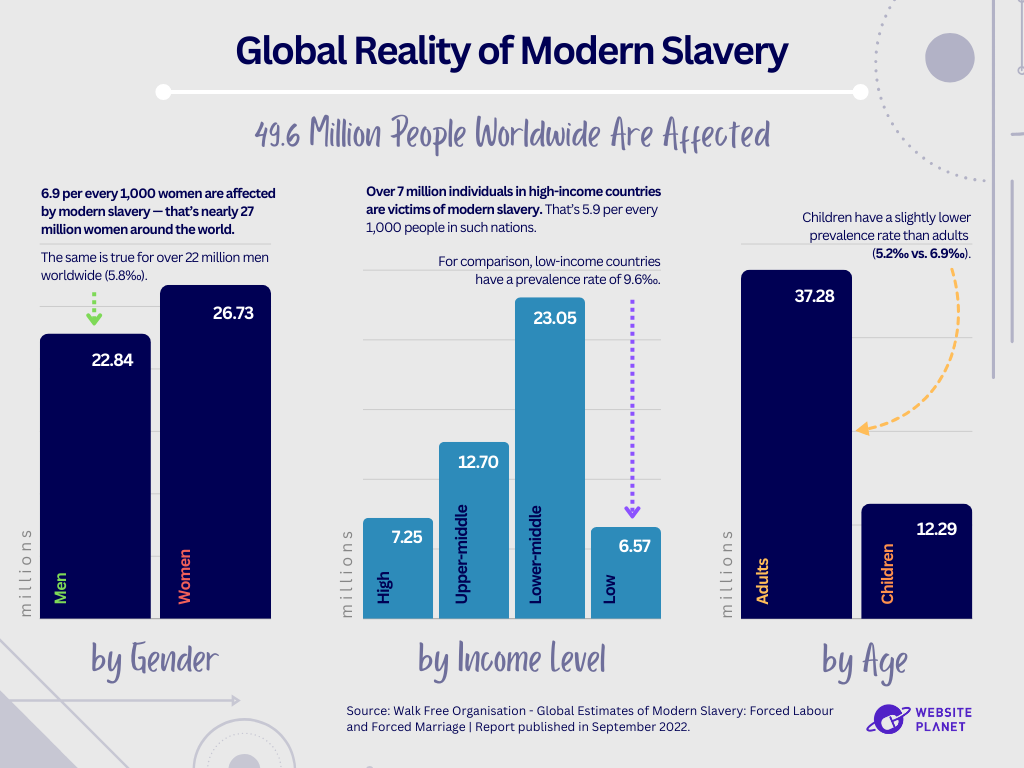
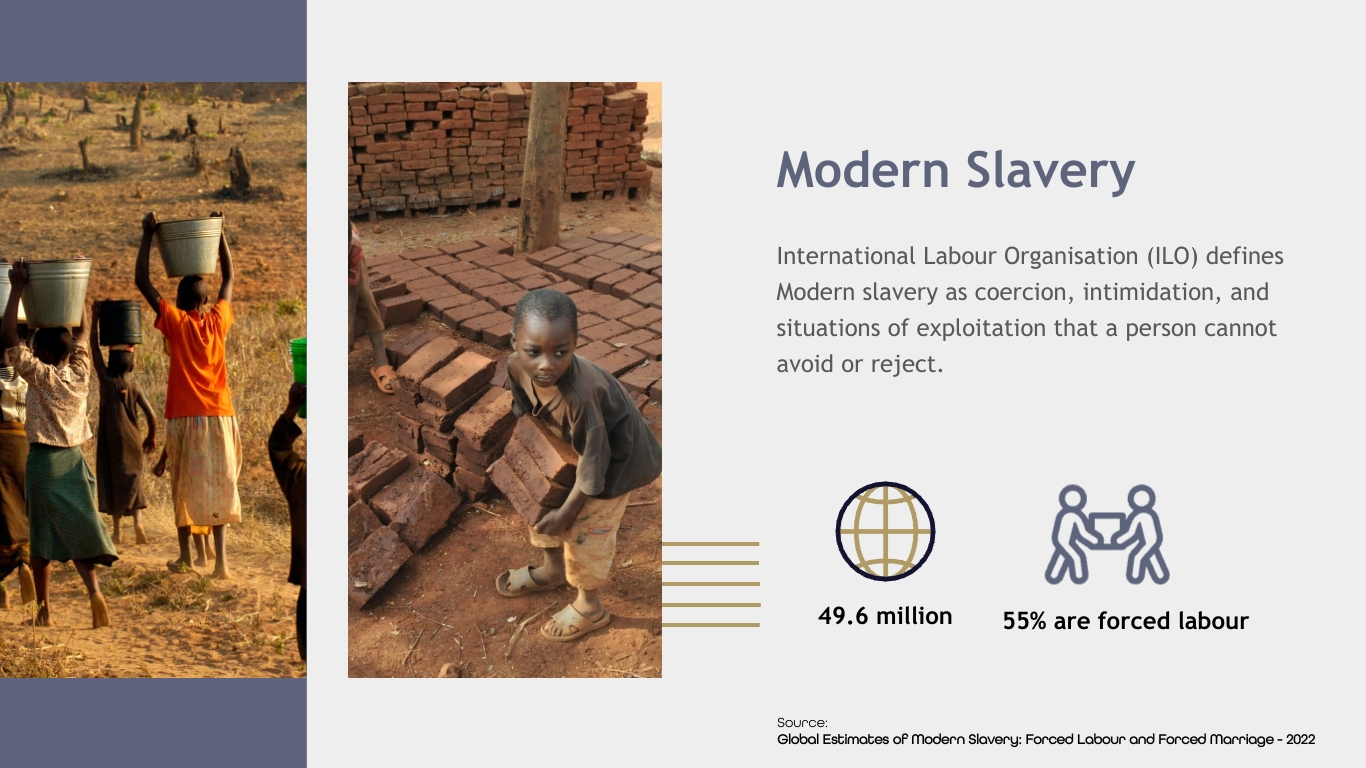
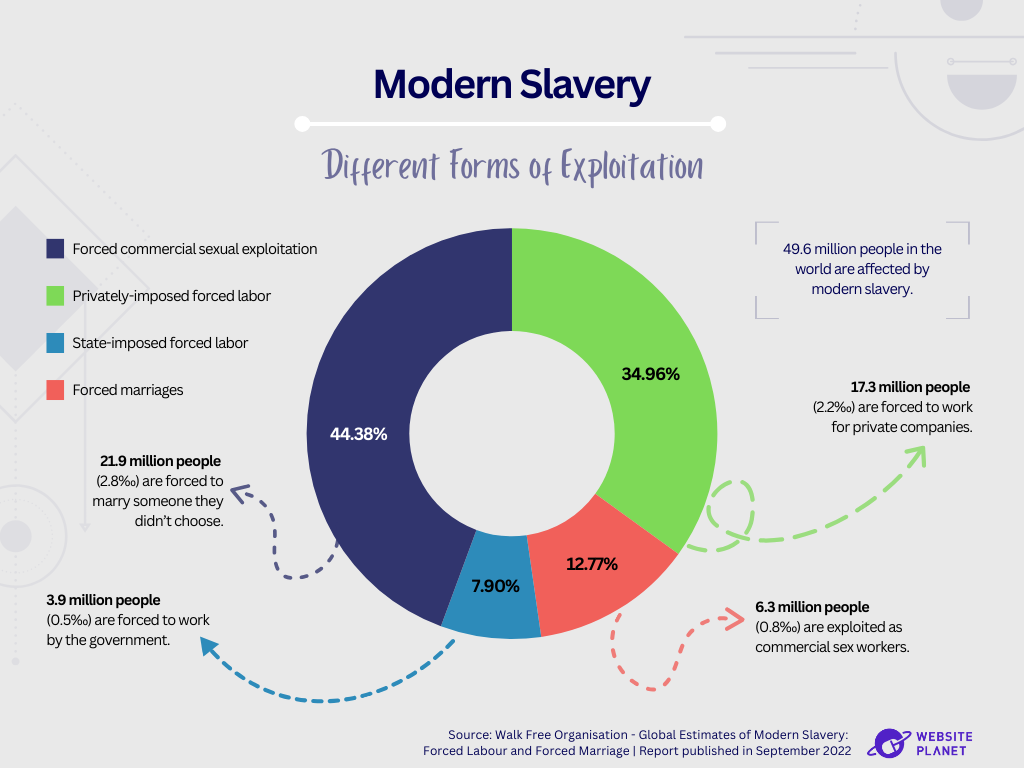
Imagine scrolling through your feed, pausing on a glossy advertisement for a fast-fashion haul, a sleek smartphone, or even a bar of ethically-sourced chocolate. The imagery is flawless, the price irresistible. But lurking beneath the surface of these modern conveniences is a shadow economy, a ghost in the machine of our globalized world. This is the realm of modern slavery—a term that feels both anachronistic and terrifyingly current. It’s not the chains and auction blocks of the 19th century; it’s the hidden debt, the withheld passport, and the coercive grip of psychological manipulation. While we often think of slavery as a historical footnote, the reality is that it is a thriving, multi-billion-dollar criminal enterprise, with an estimated 50 million people trapped in its grasp today—more than at any other point in human history.
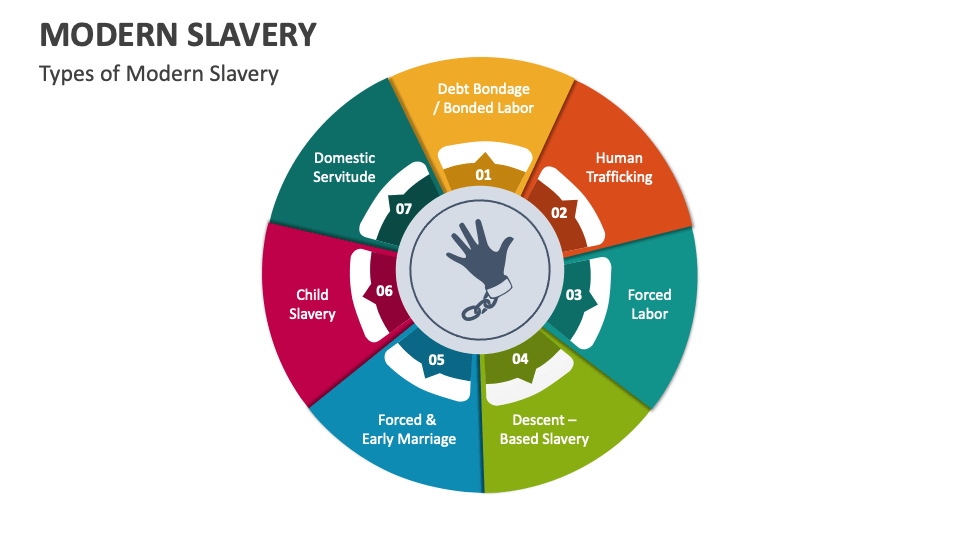
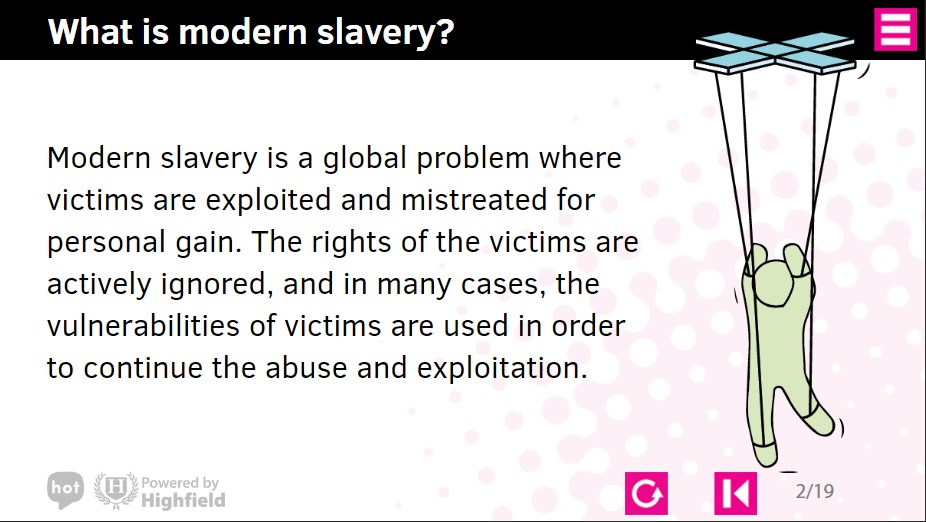
But here’s the dark fun fact that often goes unmentioned: modern slavery is not a problem “over there.” It is woven into the fabric of our daily consumption, from the cobalt in our laptop batteries to the shrimp on our dinner plates. The term itself is an umbrella, covering forced labor, debt bondage, forced marriage, and human trafficking. It thrives on vulnerability, preying on those displaced by war, climate change, or economic desperation. This isn’t just a matter of moral outrage; it’s a systemic failure of our supply chains and legal frameworks. To argue about modern slavery is to argue about the ethics of convenience, the price of indifference, and the uncomfortable reality that our freedom is often subsidized by another’s incarceration.
The Invisible Chains: Psychology and the New Mechanics of Coercion
Forget the physical shackles; modern slavery is engineered through a more insidious technology: the human mind. The primary tool is not violence, though that is always implicit, but rather debt manipulation. Imagine a migrant worker in the Gulf States who pays a recruiter a $5,000 fee for a job that promises $800 a month. Upon arrival, they discover the job is different, the pay is halved to cover “expenses,” and the debt has ballooned with interest. They are now trapped, not by a locked door, but by a ledger. This psychological cage is reinforced by the confiscation of passports, creating a state of profound disorientation. The victim is caught in a perpetual state of precarity, where the threat of deportation—or worse, retaliation against their family back home—becomes a more potent chain than any metal.
Culturally, we have a fascination with the “rescue narrative,” the dramatic raid and the heroic liberation. Yet, the reality is far more complex and psychologically nuanced. Many victims suffer from trauma bonding, a Stockholm-syndrome-like attachment to their captors, who may provide moments of sporadic kindness amidst the abuse. This makes identification and extrication incredibly difficult. Furthermore, the stigma associated with being a victim—particularly in cases of forced sex work—can be so profound that individuals refuse to identify as slaves, preferring the illusion of agency over the shame of victimhood. This is the cruelest trick of the modern slaver: they don’t just take your freedom; they convince you that you never had it to lose.
Another lesser-known facet is the environmental link. As our climate becomes more volatile, we are witnessing a surge in climate-induced slavery. When a devastating flood or drought destroys a farmer’s livelihood, they become fertile ground for traffickers. They are promised safe passage and work in urban centers, only to find themselves in forced labor in brick kilns or garment factories. The concept of “survival migration” blurs the line between choice and coercion. These individuals aren’t just looking for a better life; they are fighting for any life at all, making them startlingly easy to exploit. The modern slave trade is not a relic; it is a parasitic organism thriving on the wounds of the Anthropocene.
From Plate to Pixel: Tracing the Threads in Your Life
Let’s get practical. You might be thinking, “I’m a good person; I don’t own slaves.” But consider the seafood supply chain in Southeast Asia. For years, investigative journalist Ian Urbina’s “Outlaw Ocean” project exposed a horrific reality: much of the shrimp sold in American grocery stores is peeled by enslaved migrants on Thai ships, working 20-hour shifts with no pay. These vessels stay at sea for years, transferring their catch to larger ships, effectively creating a floating gulag invisible to satellite tracking. The complex supply chain is designed for opacity. By the time the shrimp reaches your plate, it has passed through six to eight intermediaries, each taking a cut, and each claiming ignorance of the labor practices at the source.
Then there’s the tech sector. The lithium-ion battery in your phone requires cobalt, and a significant portion of it comes from the Democratic Republic of Congo. There, artisanal mines—a euphemism for hazardous, unregulated pits—are rife with child labor. These children, some as young as seven, are sent into tunnels that can collapse at any moment, digging for raw materials that power our digital lives. The argument is often made that if we simply boycott these products, we’ll make the situation worse by cutting off livelihoods. This is the “ethical dilemma” paradox. However, the actionable takeaway isn’t to ditch your phone (though that would be a power move), but to demand radical transparency. Brands like Patagonia and Everlane have built their identity on supply chain visibility, proving that a “radical transparency” model is not only viable but profitable.
The most potent weapon you have is consumer advocacy. I’m not suggesting you stop shopping—that’s unrealistic in a capitalist society. But you can change your habits. Support legislation like the Uyghur Forced Labor Prevention Act in the US or the Modern Slavery Act in the UK, which force companies to audit their supply chains. As an individual, utilize apps like Buycott or Good On You to scan barcodes and check a brand’s ethical rating. It sounds tedious, but it creates a ripple effect. When you demand accountability at the checkout counter, the manager notices, and the buyer for the department notices, and eventually, the CFO notices. The goal is not perfection but disruption. Additionally, look at your banking. Many pension funds invest heavily in companies with poor labor records. Divesting from those funds is a massive, if unseen, act of resistance.
Consider the story of Minh, a Vietnamese woman recruited to clean shrimp in a factory in Alabama. She was promised a salary of $10/hour, but upon arrival, her passport was surrendered, and she was told she owed $20,000 for her “recruitment” fee. She worked 80-hour weeks, her wages deducted for rent and food in a barbed-wire fenced compound. It was only when a local church noticed her walking to the dumpster behind the facility to find food that the authorities were alerted. Her rescue took four years. Today, she works as a community advocate. Her story isn’t a tragedy; it’s a testament to the slow, grinding power of civil society noticing. It starts with a glance, a question, or a moment of discomfort when the price of something seems too good to be true.
Frequently Asked Questions: The Hard Truths
Isn’t modern slavery just a problem in developing countries?
While the highest numbers are in Africa, Asia, and the Pacific, modern slavery is a global phenomenon that respects no borders. The United States, European Union, and the UK all have significant numbers of victims. In the US, it often appears in domestic servitude, agricultural work, and the hospitality industry. The common thread isn’t geography; it’s the precariousness of immigrant status and the lack of labor protections. A maid in a luxury London hotel or a farmworker in California’s Central Valley can be just as enslaved as a brick kiln worker in Pakistan. The issue is systemic, not regional.
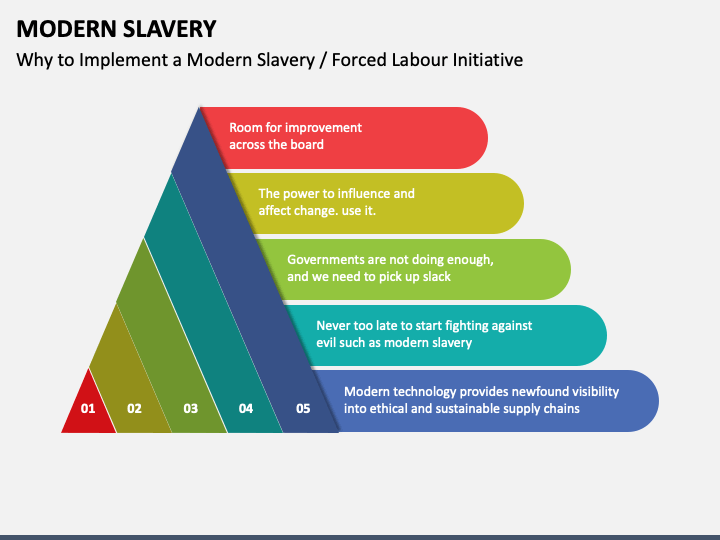
Furthermore, the “developing world” label is often misleading, as the exploitation happens at the source of extraction or manufacturing, which is frequently in lower-GDP nations. However, the demand, the capital, and the profit margins are driven by consumers in wealthy nations. We are the engine, and they are the wheels. To argue that this is a foreign problem is to ignore the uncomfortable fact that our economic advantage is partially built on this exploitation. The global supply chain is a single, interconnected juggernaut; a garment sewn in Bangladesh is tied to a stock price in New York. Addressing it requires a global audit of our own consumption habits.
How can I be sure I’m not supporting modern slavery?
You can never be 100% sure, and that’s the brutal reality of it. The opacity of supply chains is intentional. However, you can dramatically reduce your risk. The most effective method is to simplify your diet and wardrobe. Eat less meat, especially shrimp, and buy produce locally when possible. Local, direct relationships with farmers and artisans eliminate the layers of intermediaries where exploitation hides. For clothing, embrace the “capsule wardrobe” concept: buy fewer, higher-quality pieces from certified B-Corps or fair-trade organizations. These certifications aren’t perfect, but they involve third-party audits that are far more rigorous than nothing.
Beyond consumption, use your voice for legislative change. Contact your representatives and demand stronger enforcement of customs regulations. The US Border and Customs Enforcement (CBP) has the power to issue Withhold Release Orders on goods suspected of being produced by forced labor. Public pressure influences how aggressively these orders are used. Finally, be skeptical of the “sale” culture. An 80% discount on a luxury handbag usually means someone, somewhere, wasn’t paid. The psychological shift required is from “how cheap can I get this?” to “what is the true cost of this?”. It’s a cognitive recalibration, but it’s the only sustainable one.
What is the difference between human trafficking and modern slavery?
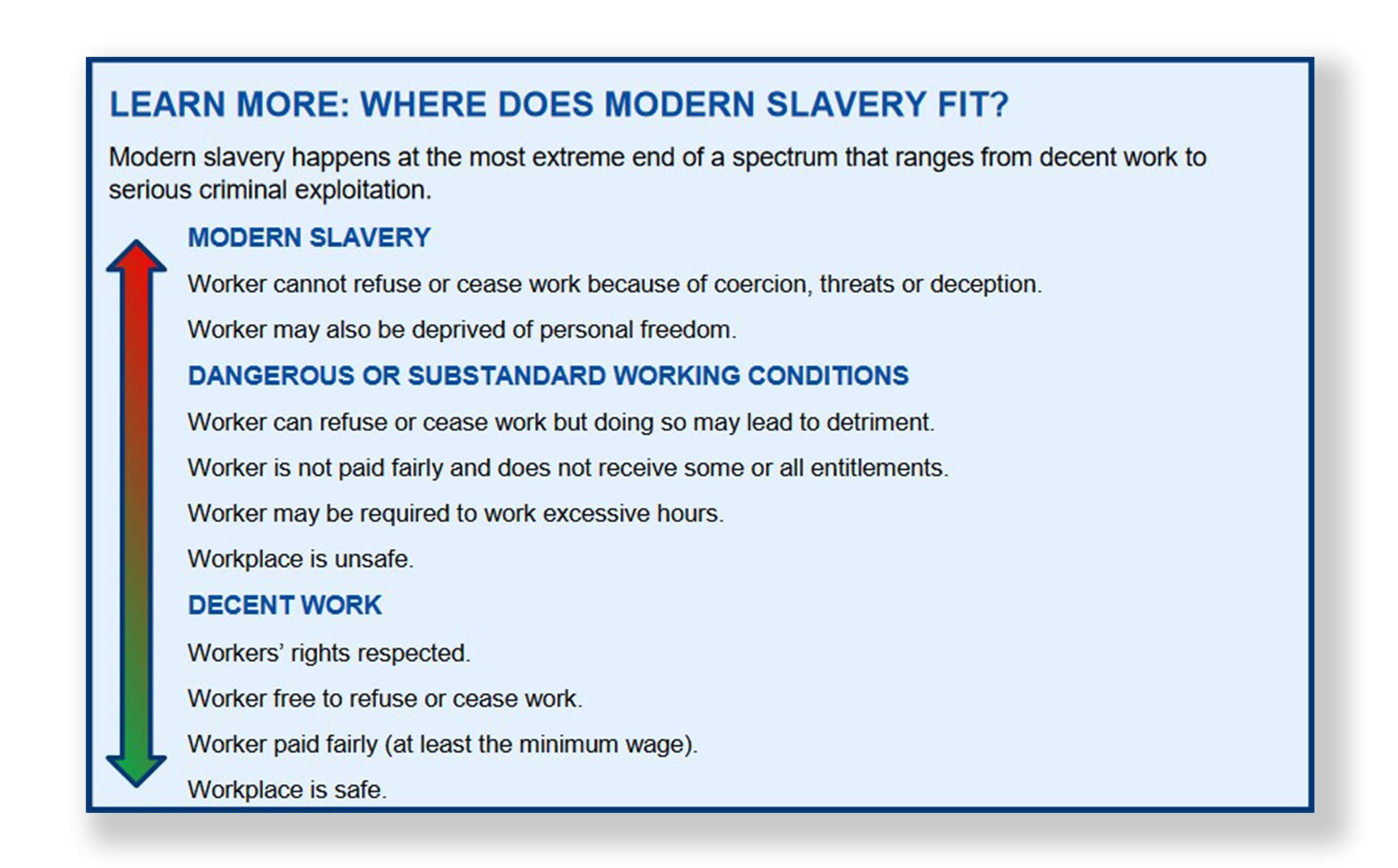
This is a crucial distinction in argumentative writing. Human trafficking specifically refers to the act of recruitment, transportation, or receipt of a person through force, fraud, or coercion for the purpose of exploitation. It emphasizes the movement (which can be local or international) and the process. Modern slavery is the broader, structural condition of exploitation itself—the state of being owned or controlled. You can be a victim of human trafficking who is not yet enslaved, or you can be a slave who was not “trafficked” in the technical sense, such as someone born into hereditary bondage in parts of West Africa.
Think of it this way: trafficking is the pipeline, and slavery is the destination. Anti-trafficking efforts often focus on border policing and interception. Anti-slavery efforts focus on labor rights, supply chain audits, and prosecuting employers. A robust argumentative framework must address both. It’s not enough to rescue a trafficking victim; you must dismantle the workplace conditions that made their exploitation profitable. If we only fight trafficking, we are cutting off the heads of the Hydra without burning the swamp. The newer emphasis on labor trafficking as a subset of modern slavery is a sign that we are finally understanding the structural nature of the problem.
Why don’t victims just “walk away” or call the police?
This is the most common, and most victim-blaming, question. First, imagine being physically exhausted after a 16-hour shift, malnourished, and psychologically terrorized. You are told that the police are corrupt and will deport you or imprison you. In many host countries, the police are indeed complicit in the exploitation, taking bribes from the traffickers. The victim has no reason to trust the state. Secondly, they usually don’t speak the local language, and if they do, they are terrified of being identified as an undocumented immigrant. The penalty for being a victim—deportation—can be worse than the abuse they are enduring.
Thirdly, and most importantly, they often don’t perceive themselves as victims. The debt bondage is presented as a legal contract they signed. They feel shame, believing they failed to pay off their debt. If they are forced into prostitution, the psychological coercion is so intense that they develop a warped sense of “duty” to their captor. They are not physically locked in, but they are imprisoned in a maze of threats. Time and time again, escape attempts fail because the victim doesn’t know where to go, has no documents, and has been told that moving away will result in the murder of their children back home. The callous “why didn’t they leave” question reveals a fundamental misunderstanding of the psychological grip of coercion. It’s like asking someone with agoraphobia why they don’t just take a walk.
What is the most effective single action to fight modern slavery?
If you only do one thing, make it this: Talk about it. Silence is the oxygen of this crime. Share articles, discuss it at dinner parties, bring it up in boardroom meetings. The stigma against victims is perpetuated by our collective ignorance. When you normalize the conversation, you make it easier for survivors to come forward and for consumers to ask uncomfortable questions. beyond that, the single highest-leverage action is to pursue a career or volunteer position in supply chain ethics or corporate social responsibility. We need forensic accountants to trace the money to the source. We need tech programmers to create blockchain solutions for transparent provenance.
If you are in a corporate role, even a junior one, raise the issue of modern slavery in your next team meeting. Ask where your raw materials come from. You might feel embarrassed, but you will plant a seed. On a policy level, voting for politicians who prioritize labor rights over trade agreements that strip them away is crucial. Every dollar you spend is a vote. Every hour you spend reading about this issue is a form of resistance. The fight against modern slavery is a marathon, not a sprint. It requires a relentless, boring, and deeply committed effort to live a life that is as unharmful as possible. That is the most radical, punk-rock act of rebellion in our consumerist culture.
In our daily lives, the topic of modern slavery feels remote—a distant horror that clashes with the serenity of our morning coffee. But that very disconnect is the problem. We are lulled into a sense of security by geographical distance and the abstraction of digital transactions. We click “buy” and the responsibility evaporates instantly. Yet, human nature is wired for empathy; we just need cues to activate it. When we see a photo of a person forced to work against their will, our amygdala fires. The challenge is to keep that empathy alive when we are staring at a cardboard box on our doorstep. This is where the argumentative essay meets the lifestyle change: we must train our brains to see the story behind the product, not just the product itself.
This issue is a mirror reflecting our own values. It asks us to reconcile our desire for convenience with our horror of exploitation. It challenges the notion that freedom is a universal right, reminding us that it is a privilege heavily contingent on geography and birthright. The modern slavery argument is not a political football to be kicked around for partisan gain; it is a stark examination of our collective morality. It forces us to confront the uncomfortable truth that our “civilized” society is built on a foundation that still leaks blood. But acknowledging this darkness is the first step toward illuminating it.
Ultimately, the fight against modern slavery is a fight for the soul of our economy. It is about redefining the metrics of success, swapping the bottom line for the triple bottom line (people, planet, profit). The argument is not about charity; it’s about justice. It’s about aligning our economic practices with our stated values of liberty and justice for all. That doesn’t start with a grand gesture; it starts with a single onion, grown in your local garden, eaten with gratitude, and a quiet question to yourself: “Was that earned with dignity?” If we can ask that question consistently, we are already breaking the chains. We are moving from passive consumers to conscious global citizens, and that is the only revolution worth fighting for.