
Mcafee Vs Norton Vs Windows Defender
The year was 1990, and the digital world was a wild, untamed frontier. The internet, as we know it, was a nascent whisper, a collection of bulletin board systems and university networks where the biggest threat to your computer wasn't a sophisticated hacker in a hoodie, but a floppy disk shared between friends that carried a boot-sector virus. Back then, "cybersecurity" was a niche obsession for IT professionals, and the average home user viewed their PC as a glorified typewriter. The human necessity was simple: we wanted to protect our documents, our letters, and our early spreadsheet games from random glitches and the occasional corrupted disk. There was no concept of identity theft or ransomware; the threat was tangible, physical, and rooted in the hardware itself. This was the era of the computer virus as a prank, a digital graffiti tag scrawled across your screen, and the tools to fight them were clunky, command-line driven utilities that felt more like performing surgery with a sledgehammer.
It was amidst this primordial soup that two titans rose from the geeky underground to become household names. Symantec, a company founded in 1982, started as a language technology firm before pivoting to security, launching Norton Antivirus in 1991. Meanwhile, a South African immigrant named John McAfee founded McAfee Associates in 1987, releasing his namesake antivirus software that was initially distributed as shareware—a brilliant, grassroots move that seeded his product into thousands of offices. These weren't just software programs; they were digital armor for the corporate world and the early adopters of the home PC revolution. They operated with massive signature databases—essentially digital "Most Wanted" posters of known virus code—and required users to perform ritualistic, weekly updates by downloading massive files over a painfully slow dial-up connection. The initial human necessity was trust: we needed to trust that this software, often costing upwards of $50, a significant sum then, would stand guard over our digital lives.
To understand the rivalry, you have to remember the era of the "bloated suite." By the late 1990s and early 2000s, antivirus software wasn't just a scanner; it was a sprawling, resource-hogging monolith. McAfee and Norton were locked in a cold war of features, each adding firewall protection, spam filters, parental controls, and even early phishing detection to justify their premium price tags. Both became notorious for slowing down machines to a crawl—a phenomenon known as "bloatware." The joke among tech-savvy users was that the cure for a virus was often faster than the antivirus software itself. And then there was the third, silent player: Windows Defender. Born as Windows Security Essentials in 2009, it was treated with utter contempt by the security community, seen as the "participation trophy" of security, a basic firewall and antivirus that shipped free with the OS. For decades, the conventional wisdom was that you were asking for trouble if you relied on Microsoft's built-in defenses. They were the tuition-free community college of digital security—functional, but not what you bragged about.
The Great Awakening: From Signatures to Heuristics
The turning point was as dramatic as a plot twist in a spy novel. The era of the mass-market virus, like the infamous ILOVEYOU worm in 2000 or the SQL Slammer in 2003, proved that reactive signature-based defenses were obsolete. By the time your antivirus had the "fingerprint" of the virus, the bomb had already exploded. This forced a philosophical shift in how we approached digital security. The old way was a static guard checking IDs at the border; the new way had to be a detective looking for suspicious behavior. This was the birth of heuristics—analyzing code for malicious intent rather than known patterns. The terrible slowness of the suites was slowly optimized, but the true game-changer was the advent of cloud-based threat intelligence in the early 2010s. McAfee and Norton moved their bulky databases to the cloud, allowing for real-time, sub-second checks against millions of threats globally. It was a monumental shift, turning your personal computer into a node on a global network of shared immunity.
But let’s not forget the bizarre vintage facts. Did you know that in the mid-90s, McAfee’s biggest selling point was that you could run it from a floppy disk before Windows even booted? It was like having a virus quarantine zone outside your house. And Norton, in an effort to be user-friendly, introduced a "Norton Protection Center" that literally looked like a consumer-grade dashboard for your PC’s health, complete with green checkmarks and pie charts. It was eerily reminiscent of a car’s diagnostic system, and it made users feel a false sense of total control. The most bizarre treat was the "annual subscription" concept. In the 2000s, you didn't buy antivirus; you rented it. If your subscription lapsed, you were defenseless, and the software would hound you with pop-ups more aggressive than any virus. Consumers were trapped in a cycle of fear and payment—a strategy that made these companies billions but bred a deep-seated resentment among users who felt their PCs were held hostage.

The nostalgia for this era is tinged with a specific kind of anxiety. I remember the Saturday morning ritual of running a full system scan on my parents' Dell. It took hours, the fan whirring at full blast while the progress bar crawled from 0% to 100%. It felt like performance art for safety. The threat landscape seemed more romantic then—the virus names were like comic book villains: Melissa, Anna Kournikova, Michelangelo (named after the Teenage Mutant Ninja Turtle, ironically). The criminals were amateurs, hacking for bragging rights or to spread political messages, not for profit. The entire security paradigm was based on the idea of the "perimeter"—a digital wall around your PC. But as we moved to cloud computing and smartphones, that wall was shattered. Your data wasn't just on your computer; it was on servers in Ireland, in apps on your phone, and in the databases of every online retailer you used. The old model of defending a single machine became as useful as defending a sandcastle against a tsunami.
The bitter rivalry between McAfee and Norton also took a strange corporate turn. John McAfee himself became a fugitive, a presidential candidate, and a bizarre public figure espousing wild theories about encryption, all while his namesake company was being absorbed by Intel in 2010 and later spun off. It was a tragic farce—the creator of a security empire dying in a Spanish prison in 2021, an end that felt ripped from a gritty cyberpunk novel. Norton, on the other hand, played the safe, reliable corporate vanguard, merging with Avast in 2022 to form Gen Digital, creating a mega-conglomerate of security tools. Meanwhile, Windows Defender, now rebranded as Microsoft Defender, underwent a miraculous resurrection. With the release of Windows 10 and 11, Microsoft poured billions into its security stack, integrating machine learning and AI-driven "Next-Gen" protection directly into the kernel. The once-laughable free tool became a legitimate contender, scoring consistently high in independent lab tests, a silent giant that made the paid suites question their value proposition.
The Modern Hacking of Classic Principles
Today, the classic principles of McAfee and Norton—“install, update, scan, quarantine”—have been hacked and modernized. The subscription model is being challenged by the idea of identity-based security. We now live in a world where your passwords, your face ID, and your two-factor authentication codes are the true battleground. The modern Norton and McAfee apps have pivoted from being pure antivirus to becoming "digital lifestyle protectors," offering VPNs for privacy, password managers, and even credit monitoring. They’re no longer just scanning your hard drive; they’re scanning the dark web for your information. This is a direct response to the realization that you can’t patch the human element. The "virus" isn't a piece of code anymore; it’s a phishing email that looks like your boss asking for gift cards.

The principle of "trust" has also been inverted. In the past, you trusted the antivirus to be a gatekeeper. Now, the modern approach, championed by Microsoft Defender, is to use "zero-trust" architecture—never automatically trust any connection, even from within your network. This is a profound philosophical shift. The old guard relied on fear and complexity; the new guard relies on silent, seamless, and proactive intelligence. Windows Defender’s modern interface is nearly invisible, integrating directly into the OS with minimal user input. It’s the anti-bloatware, a stark contrast to the early Norton suites that demanded your attention with daily pop-up ads for upgrades. The fascination of 2024 is that the free option is no longer a compromise. it’s often the smartest choice, leaving McAfee and Norton to justify their premium pricing purely on the added value of their extra security tools, not the core virus detection.
Frequently Asked Questions from the Digital Attic
1. Is Windows Defender really "good enough" nowadays, or is it still a joke?
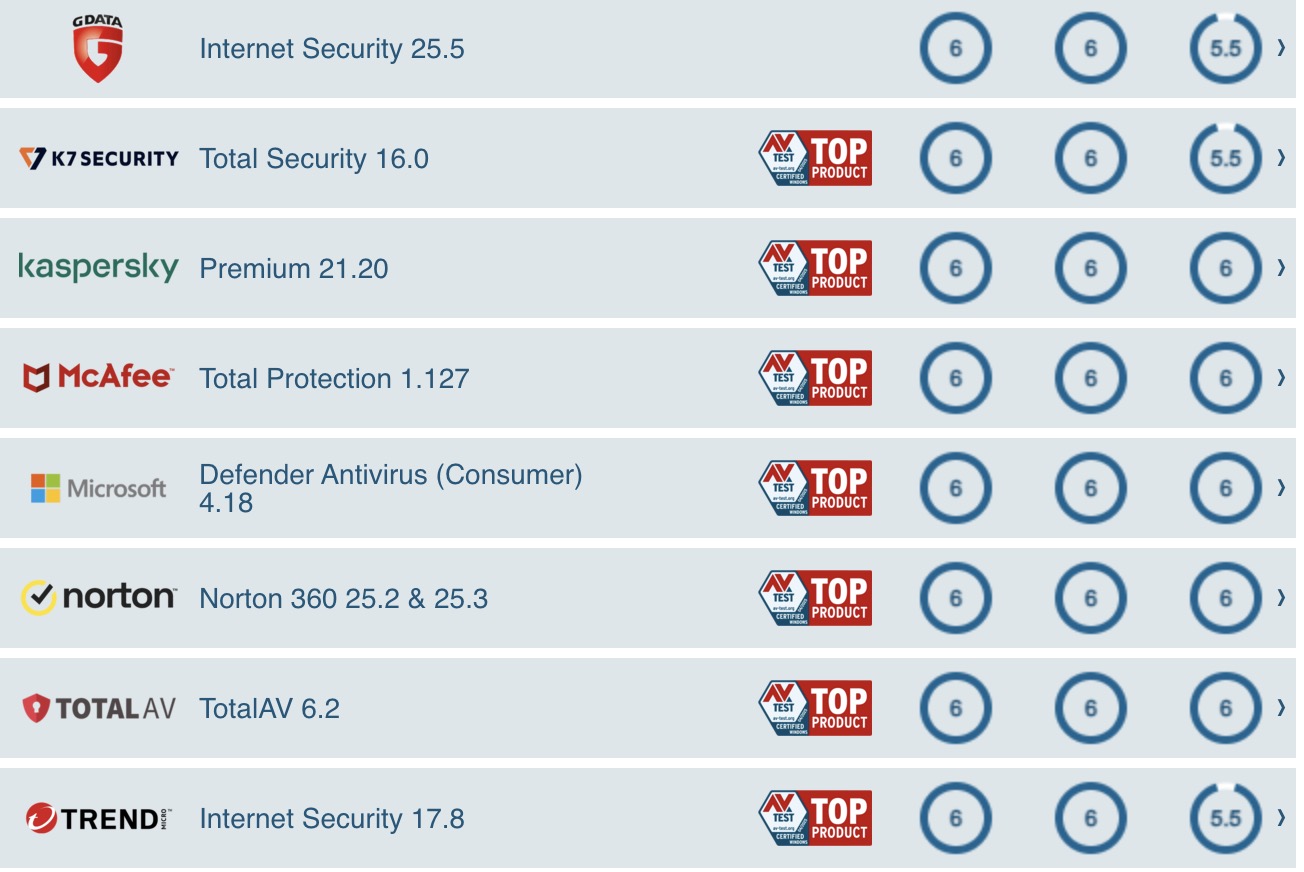
To answer this, we must dismantle a historical myth. In 2009, Windows Security Essentials was a joke. It had terrible detection rates and lacked the advanced heuristics of McAfee or Norton. But the turning point was 2017 with the Windows Defender ATP (Advanced Threat Protection) and the integration of AI. Independent AV-TEST and AV-Comparatives reports consistently place Microsoft Defender in the top tier for detection rates, often surpassing paid competitors in real-world phishing and zero-day ransomware attacks. The nostalgia we had for paid software was based on a reality that no longer exists. The software is flawless? No. But for a typical home user who practices basic digital hygiene, installing updates, and not clicking random links, Microsoft Defender is absolutely sufficient. It’s free, it’s deeply integrated into the OS, and it uses the massive telemetry of billions of Windows machines to learn and respond to threats faster than any standalone program.
However, there is a nuance. The old-school benefits of McAfee and Norton are now in their bundled suites. They offer a "VPN" which Defender has (though limited), but they excel in password management and identity theft insurance. So, the question becomes: are you buying a virus scanner or a security ecosystem? If you simply want to stop malware, Defender is your weapon. If you want a comprehensive digital life shield against financial fraud and trackers, the paid suites still retain their value. The myth of "free equals weak" is dead, but the new myth that "paid equals unnecessary" is also flawed. It depends on your digital footprint.
2. Why were the old McAfee and Norton programs so slow and "bloaty"?
This is a trip down memory lane. The primary reason was the architecture. In the 1990s and 2000s, your antivirus loaded drivers directly into the Windows kernel, monitoring every single file operation in real-time. This "on-access scanning" meant that every time you opened a program, the AV would decompress the entire executable and compare its code against a database of tens of thousands of signatures. This was largely done on your local CPU, with massive memory footprints. The code was written in less efficient programming languages and the companies were guilt of "feature creep." To compete, they added extra toolbars to your browser, startup managers, and system optimizers, all running simultaneously. It was a traffic jam inside your RAM. The focus was on catching everything, sacrificing performance for paranoia.
Additionally, the business model encouraged bloat. Since they charged an annual fee, they needed to show new features to justify the renewal. Every year, a new button, a new dashboard, a new widget. This is a classic case of "innovation theater." The current versions, however, have learned their lesson. The modern McAfee and Norton are leaner, utilizing cloud scanning and only loading specific modules when necessary. The painful experience of that era cemented the cultural memory of "antivirus slows down your computer," which ironically became a marketing gift for the lightweight Microsoft Defender. We suffered the bloat so that today’s software could be efficient.
3. Is it safe to run Windows Defender alongside Norton or McAfee?
In the old days, this was a cardinal sin. Running two antivirus engines was called "antivirus conflict" and would cause system instability, false positives, and severe performance issues. They would fight each other for control of the kernel, sometimes triggering crippling BSOD (Blue Screen of Death) errors. However, the operating system rules have changed. Since Windows 10, Microsoft Defender automatically "passivates" itself when it detects a third-party antivirus. It switches to "Limited Periodic Scanning" mode, meaning it ceases real-time protection but can still perform the occasional offline scan. This means you can technically have it installed, but it’s not doing its primary job. The question is, why would you want to?
Modern best practices, echoed by security experts, advise against stacking paid suites. The extra layers of "protection" often create more confusion and user fatigue. The reality of 2025 is that you should pick ONE primary security solution. If you choose Norton, uninstall Defender. If you choose Defender, don't install McAfee for "added" security. The only addition that makes sense is running a second-opinion scanner like Malwarebytes, but even that is now a reactive tool, not a proactive shield. The nostalgia of "layered protection" was a fallback for when signature databases were unreliable. Now, the machine learning models in a single, well-maintained engine are superior to two mediocre ones fighting for resources. It’s not about the number of shields; it’s about the intelligence of the one you hold.
Looking ahead to the next two decades, the concept of a "consumer antivirus" will dissolve entirely. We are moving toward a world of decentralized identity and biometric authentication. The battle will be fought in the AI models themselves, where the security perimeter is your behavior and your biometric data. McAfee and Norton will morph into "Identity Defense Grids," analyzing your spending habits, your social media patterns, and even your heart rate from a wearable to detect if you are being coerced or scammed. The "virus" will be an AI-generated deepfake of your voice calling your bank, and the security software will be an AI guardian listening for anomalies in your tone. Windows Defender will become an invisible baseline, a fundamental part of the OS like the ability to breathe, not something you buy or download.
The next 20 years will bring a strange nostalgia for the simplicity of the floppy disk virus. We will look back at the days of quartile updates and subscription pop-ups as a quaint, almost pastoral era of digital life. The human necessity will shift from "protecting my files" to "protecting my identity, my memories, and my sanity in a hyper-connected reality." The guardians of this world won't be clunky dashboards, but seamless, predictive, and empathetic code that anticipates our digital accidents before they happen. We are leaving the era of reactive fear and entering the era of proactive resilience, where the greatest security software is the one you never have to think about, yet you trust completely. The story of McAfee, Norton, and Defender is not a story of which is better, but a story of how our digital paranoia has matured into a quiet, ever-present digital intuition.


