Marine Biology Internships Miami
Picture this: you’re not stuck in a stuffy office, but standing knee-deep in warm, turquoise water, holding a squirming seahorse or a sleek shark pup. That’s the everyday reality for marine biology interns in Miami, and honestly, it’s a dream millions of land-locked folks secretly harbor. Whether you’re a student eyeing a career or an adult craving a radical change, these internships let you trade traffic jams for tide pools and spreadsheets for sea sponges.
The real magic of these programs isn’t just the Instagram-worthy moments—it’s how they rewire your connection to the natural world. You learn to read the ocean like a living library, understanding why a mangrove matters to your seafood dinner or how a coral reef buffers your beach from hurricane waves. That’s the hidden benefit: you become an everyday ocean advocate, making smarter choices about sunscreen, plastic use, and seafood that directly protect the ecosystems you’ve now touched.
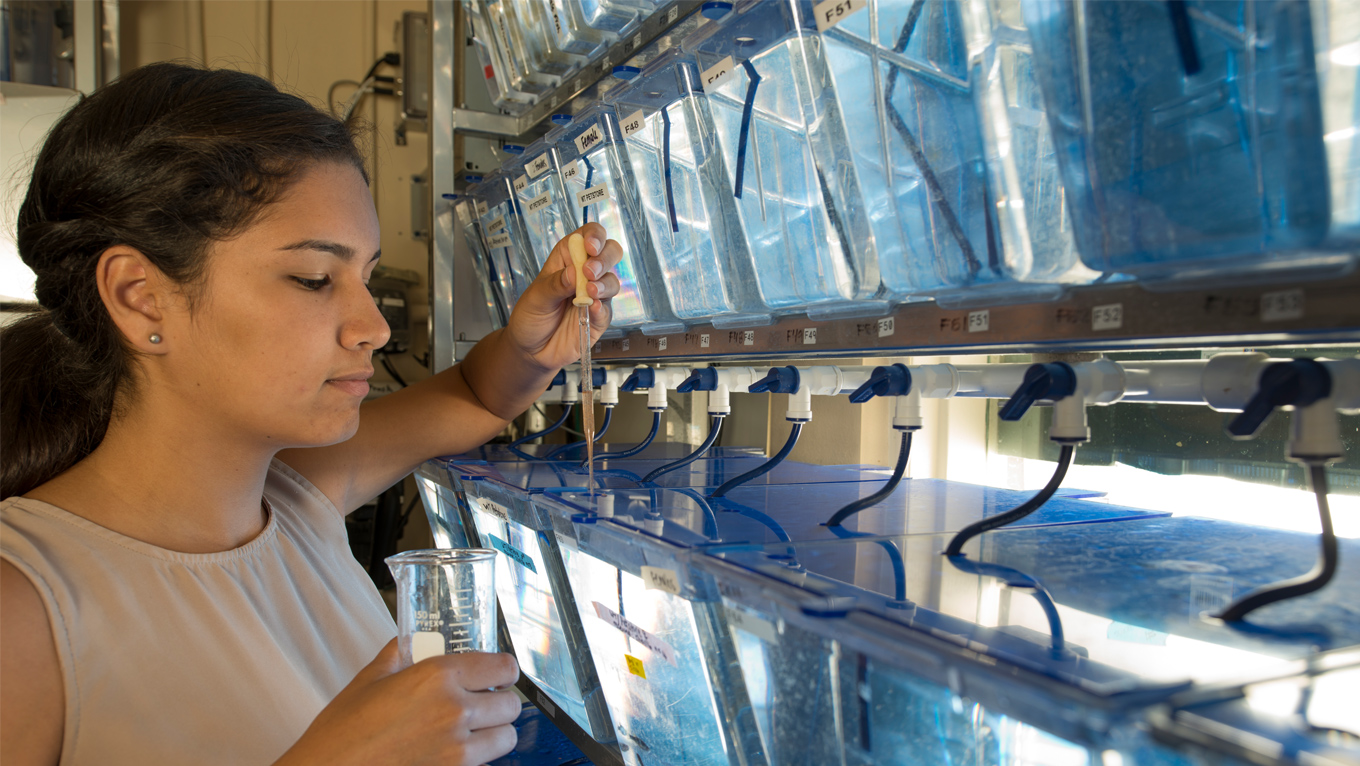
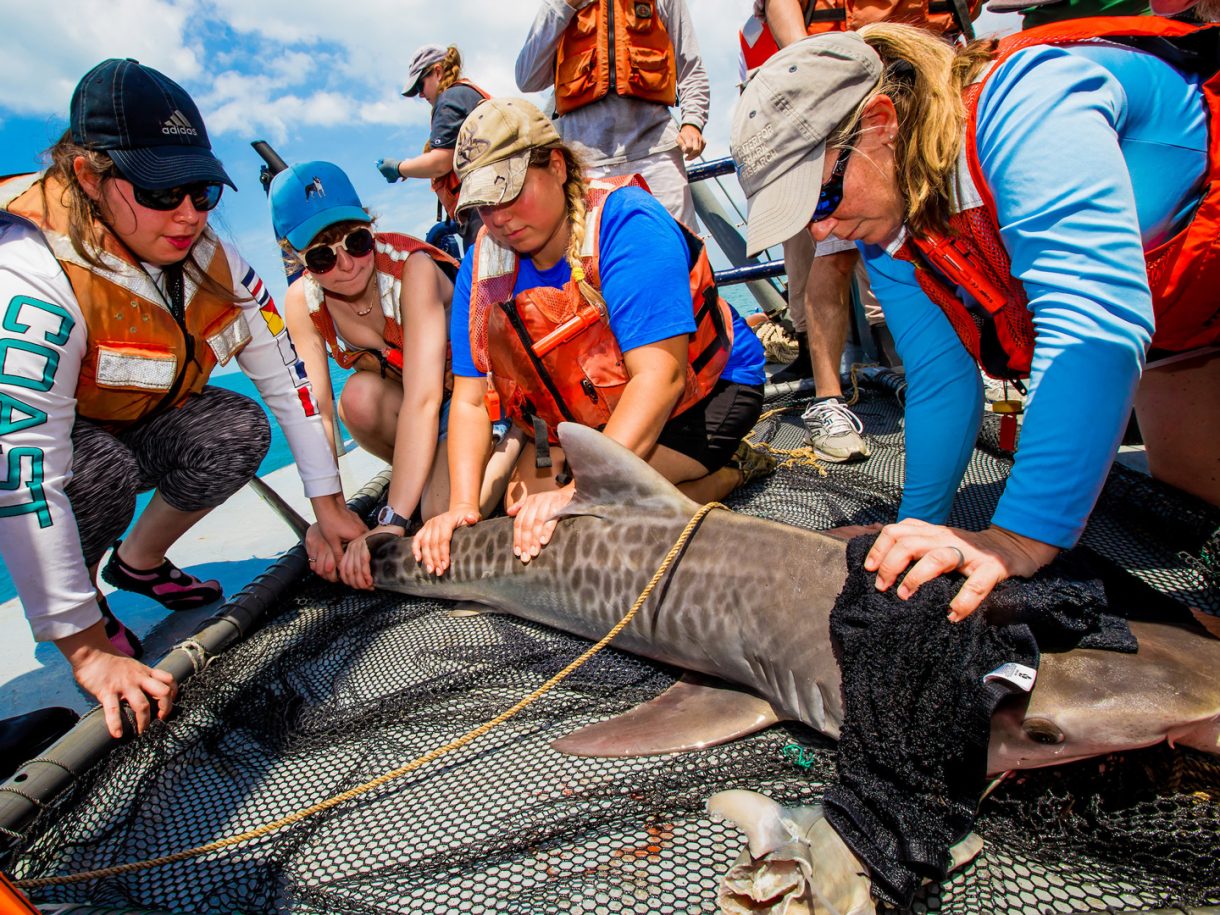
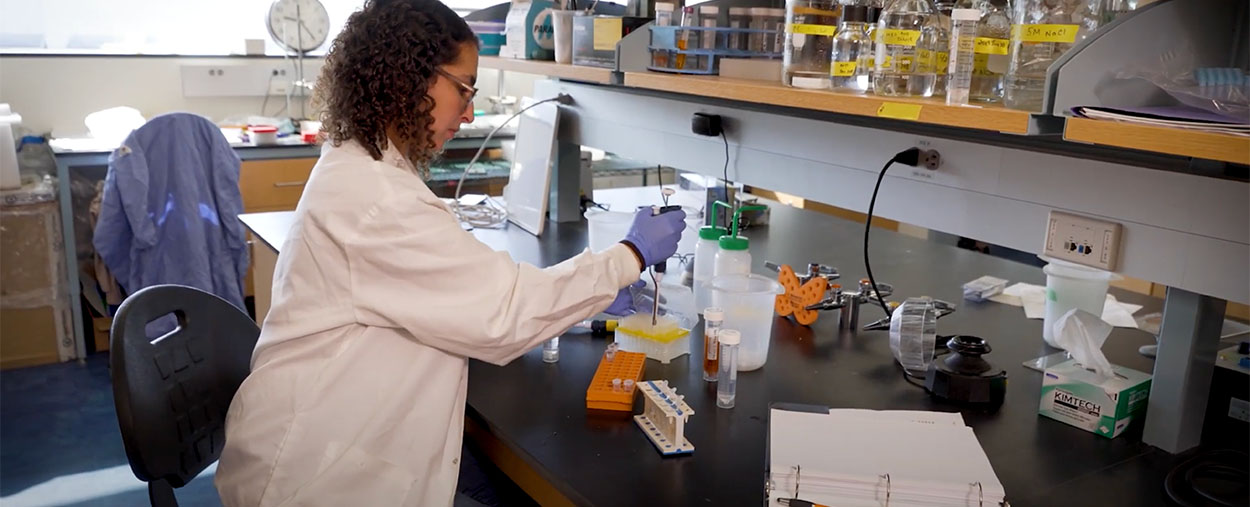
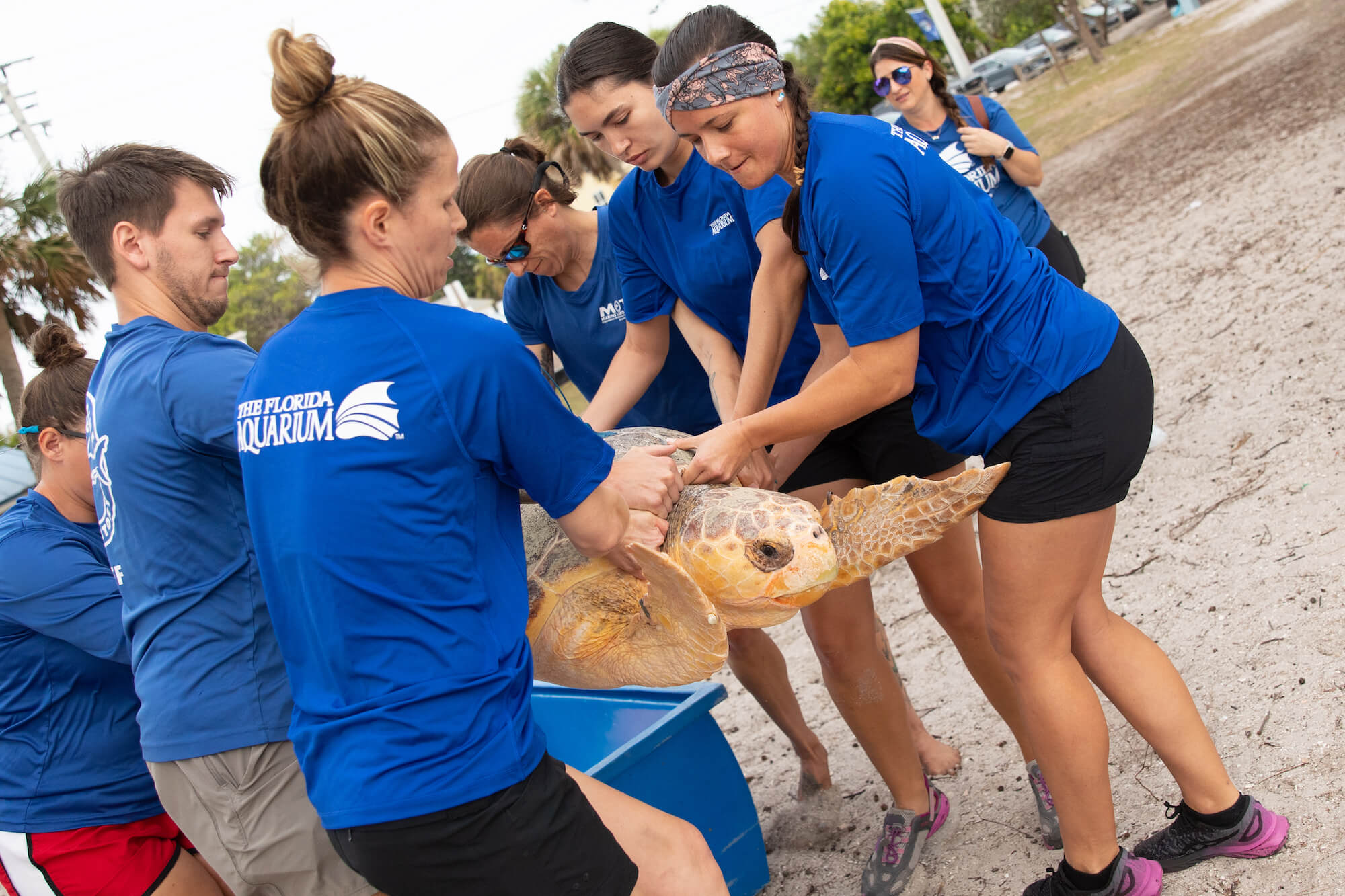
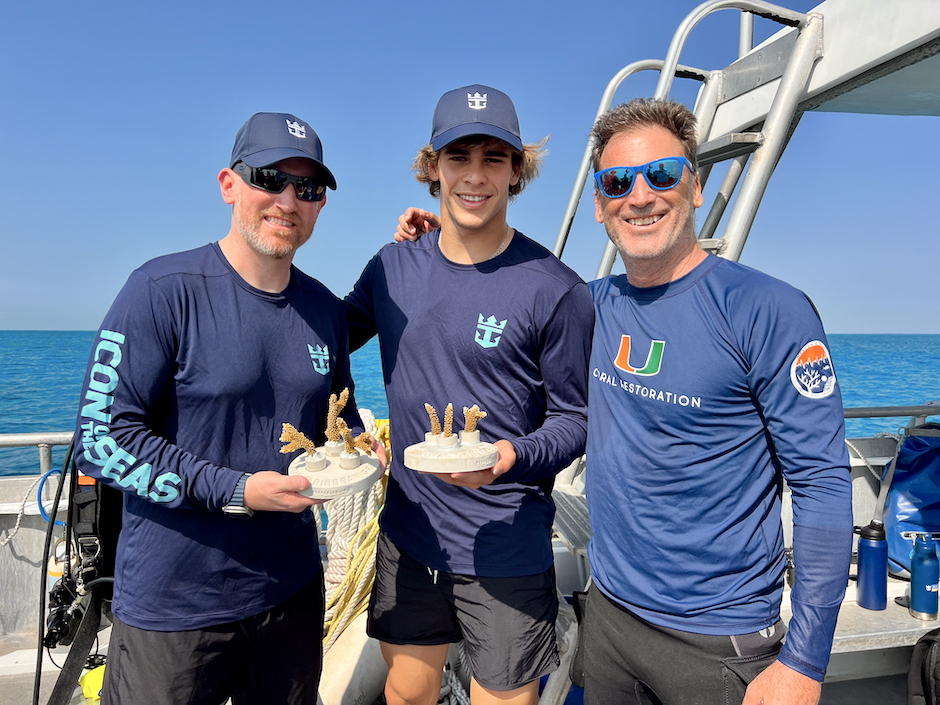
In Miami, the applications are as varied as the fish species. One week you might be tagging sea turtles on a boat off Key Biscayne, the next you’re in a lab analyzing water samples from Biscayne Bay for red tide algae. Interns also get hands-on with restoration projects—planting seagrass, rebuilding oyster beds, or caring for injured manatees at local rehabilitation centers. And let’s not forget the pure thrill of dolphin acoustic research or documenting neon-colored reef fish for a citizen science database.
Must Read
Now, let’s talk about how to actually land one of these golden tickets. Start early and be shamelessly proactive—Miami’s top spots like the Rosenstiel School, Frost Science Museum, and the Miami Seaquarium fill up six months ahead. Don’t just email a generic resume; craft three sentences explaining why you love this specific ecosystem, from the Everglades rivers to the outer reef tract.
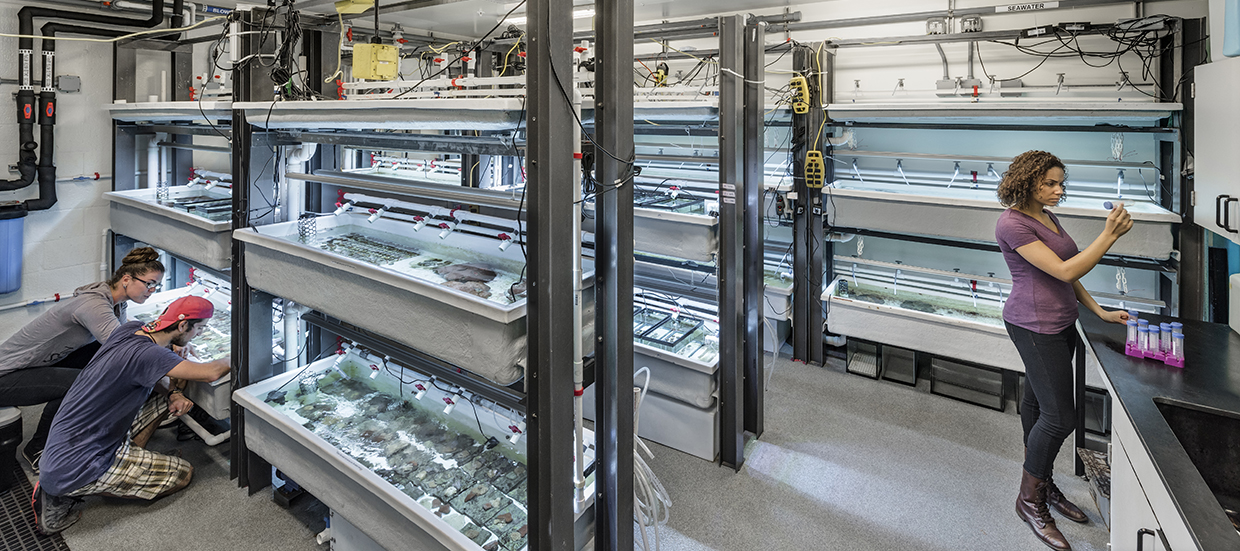
Here’s a practical tip that separates rookies from pros: volunteer first. Even two weekends of helping clean up trash or feed fish at a local aquarium gets you a foot in the door. Once you’re an intern, keep a waterproof notebook on you at all times—jot down animal IDs, water temp changes, and funny dolphin behaviors. That habit transforms you into a reliable field partner, and it gives you gold material for your final report or grad school application.
Don’t underestimate the power of physical prep. Miami’s sun is brutal, and you’ll be lifting heavy buckets, snorkeling in current, and walking on slippery boat decks. Train your stamina with regular swimming and core workouts, and always pack reef-safe sunscreen (the one without oxybenzone—it’s banned here for a reason). Also, learn basic Spanish phrases; half the local fishing crew speaks it, and a quick “gracias” goes a long way for insider knowledge.
Finally, the single best trick to enjoy the experience more effectively: ask “why” every single day. Don’t just clip a fin clip—ask why that tissue sample reveals stress hormones. Don’t just count coral polyps—ask how warming waters shift their breeding cycles. The scientists you’re shadowing love curious minds, and your questions will turn a simple chore into a mini detective story that you’ll never forget.
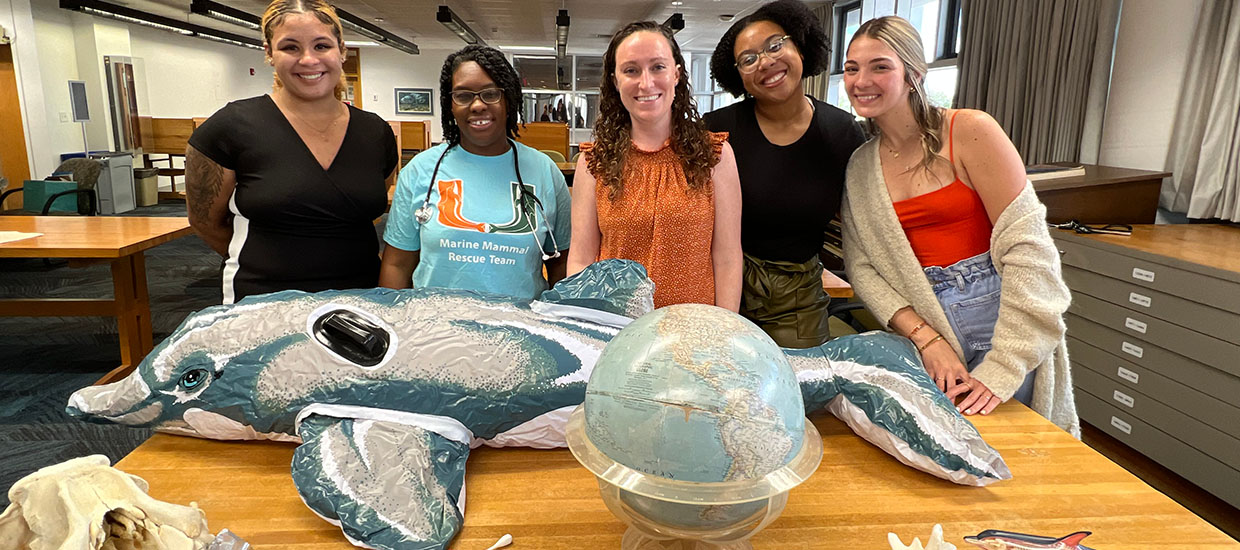
So, whether you’re a high school junior dreaming of scuba gear or a career-changer looking to dive headfirst into something meaningful, Miami’s marine biology internships are your gateway. You’ll leave with salt-crusted hair, a sun-kissed nose, and a brain bursting with facts about creatures most people only see on TV. The ocean is calling—and in Miami, it’s practically begging for your application.