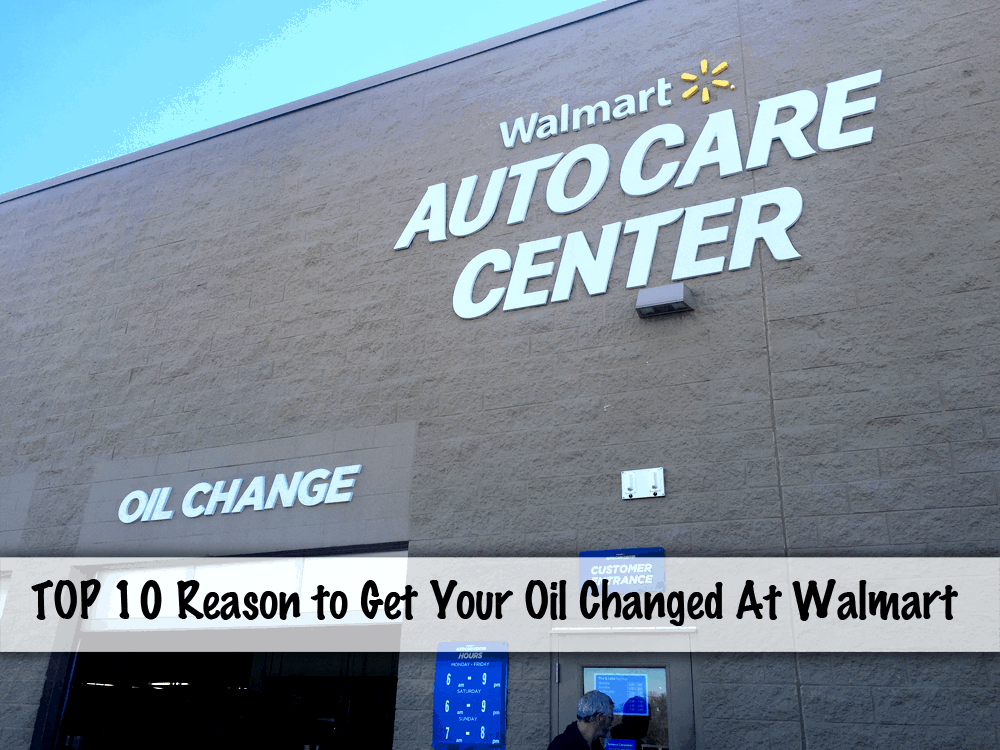
How Do I Get An Oil Change At Walmart

Remember when getting an oil change meant sacrificing a Saturday morning to a fluorescent-lit waiting room with a crusty 2007 issue of Car and Driver and a coffee machine that tasted suspiciously like regret? Yeah, that’s so pre-influencer era. In 2025, the hustle is real, and the hack is simple: Walmart. That’s right, the same retail behemoth that sells kayaks, groceries, and a suspiciously affordable line of yoga pants is now the undisputed heavyweight champion of the budget oil change. It’s the Costco hot dog of automotive maintenance—a loss leader that has spawned its own cult following, TikTok tutorials, and a surprising amount of online discourse about whether it’s genius or a gamble.
Why is everyone suddenly talking about something as unsexy as motor oil? Because in an economy where a latte costs $9 and rent eats your paycheck, saving $30 on a synthetic oil change feels like winning the lottery. It’s become a badge of honor among the Frugal Elite—the same people who optimize their grocery list via spreadsheet. The conversation has moved from “where do you get your car serviced” to “did you book your Walmart Auto Care slot at 7:00 AM or 7:15 AM to avoid the wait?” It’s not just an errand anymore; it’s a strategic operation, a small victory against the inflation monster, and the perfect excuse to wander the aisles for a new phone charger you absolutely do not need.
But let’s be real—it’s not without its chaos. The Walmart Auto Care Center is a microcosm of the American experience: a melting pot of minivans, beat-up sedans, and luxury SUVs all sharing a greasy fate. It’s the Wild West of lube, where the line is a social experiment and the service desk is the final boss. So, if you’re ready to ditch the dealership markup and embrace the blue vest way of life, buckle up. We’re diving deep into the guide, the lore, and the unwritten rules of getting your oil changed at the world’s largest retailer. Let’s get into it.
Must Read
The Subculture of the Savvy (and the Skeptical)
The Walmart oil change community is split into two distinct tribes: the Die-Hard Maximizers and the Anxious Skeptics. The Maximizers are the ones who post TikTok videos showing the price tag versus the dealership quote, captioning it “SCAMMED BY THE STEALERSHIP!!” They treat the trip like a competitive sport, often scheduling their appointments via the Walmart app (yes, they have an app for this) and timing their visits to align with the shift change when a fresh batch of techs is ready to go. They’ll tell you that the oil filter is OEM-grade, the service is transparent, and that the 15-minute drive-thru experience is peak efficiency. They ignore the faint smell of popcorn from the deli and focus on the savings.
On the flip side, you have the Skeptics—the Reddit warriors who swear that letting a Walmart associate touch your car is akin to handing your baby to a raccoon. They clog forums with stories about over-tightened drain plugs, spilled oil on undercarriages, and the existential dread of watching a teenager with a vape pen back your car out of the bay. This fear is largely unfounded in 2025, but the internet loves a good horror story. The truth is, Walmart has upgraded its game significantly. They use standardized training, digital inspections, and a central booking system that would make a Silicon Valley startup jealous. But the culture war persists, creating a fascinating dynamic where a simple oil change becomes a proxy for broader debates about corporate trust, class anxiety, and whether savings are worth the perceived risk.

Your Step-by-Step Guide to Victory (Without Losing Your Sanity)
First, let’s get one thing straight: you do not just roll up to Walmart and demand an oil change like it’s 1999. That’s how you end up waiting three hours next to a guy arguing about a tire rotation. The key is digital forethought. Download the Walmart app, navigate to Auto Care, and schedule an appointment. This is non-negotiable. Walk-ins are accepted, but you’re playing Russian roulette with your weekend. Booking ahead locks in your time, and frankly, it makes you look like a pro. Choose a slot in the early morning (right when they open) or mid-afternoon on a Tuesday or Wednesday—avoid the Saturday rush like it’s the plague.
When you arrive, bring your owner’s manual or know your vehicle’s specific oil type (synthetic, blend, or conventional). Here’s the pro tip: you don’t need the premium high-mileage synthetic unless your car is actually over 75,000 miles and burning oil. Walmart will try to upsell you on the “full synthetic” because it’s more expensive, but if your car runs fine on a blend, save the cash. Also, know your filter size. While they have a database, it’s always good to double-check. When the service advisor asks you for your phone number and license plate, give it to them with confidence. They’re not trying to steal your identity; they’re trying to find your service history. And yes, they will ask you to pay upfront. That’s fine.

While you wait—and you will wait, even with an appointment, because machines are machines—prepare your internal strategy. Do not, and I repeat, do not go shopping for groceries while they work on your car. It’s a trap. You’ll get sucked into a $200 grocery run and miss the notification that your car is done, leading to the awkward “are you here for the white Corolla?” announcement over the loudspeaker. Instead, find a seat in the waiting area, charge your phone, and stare at the tire display. Or, better yet, use the time to research your next oil change coupon. Usually, they have a $10 off deal if you sign up for their emails—do that. It’s called financial literacy, baby.
Finally, the inspection. Before you drive off, the technician should show you a digital report of your vehicle’s health—fluid levels, tire pressure, and air filter status. This is where you need to channel your inner lawyer. If they suggest an air filter replacement for $49.99, politely decline and buy one on Amazon for $15 and install it yourself with a YouTube tutorial. The same goes for wiper blades. The oil change is the loss leader; they make money on the add-ons. Stick to the oil, unplug your emotional attachment to the “convenience” of bolt-ons, and you’ll walk away feeling like a bargain-bin genius. And tip? It’s not expected, but a crisp $5 bill to the tech who does your car is a classy move that might get you a little extra love next time.
The Unholy Trinity of Walmart Oil Change FAQs
Is the Walmart oil change actually safe for my expensive car?
Let’s address the elephant in the room. The fear is that a $30 oil change will grenade your $60,000 German engineering. In reality, Walmart uses the same quality of oil—Pennzoil, Mobil 1, etc.—that you’d get at a premium shop. The risk isn’t the oil; it’s the human error factor. To mitigate this, ensure you check the service report for the correct oil viscosity (e.g., 0W-20). Ask the tech to confirm the drain plug torque. It sounds insane, but it shows you’re paying attention. The staff is trained to follow procedures, and honestly, they see hundreds of cars a day—they’ve done more oil changes in a week than a boutique mechanic does in a month. Your car will be fine. Just don’t leave your valuables in the glovebox out of paranoia, and you’re golden.
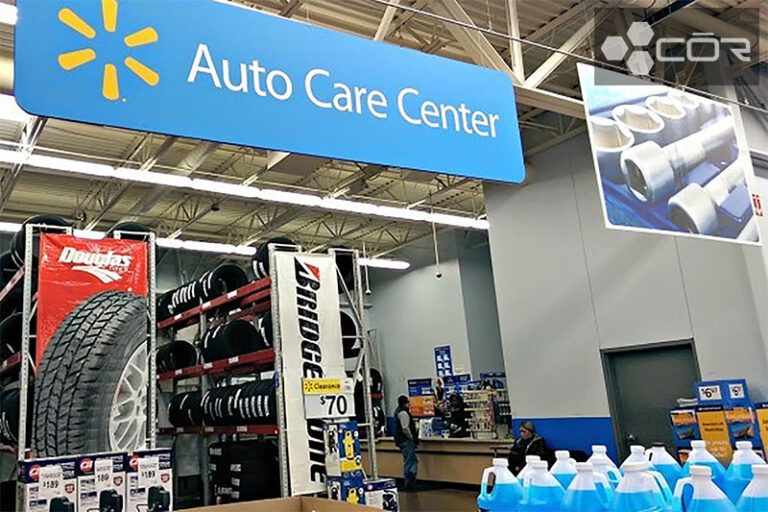
The bigger debate often rages online: does Walmart’s bulk oil come from a secret, low-grade barrel? Conspiracy theories aside, it doesn’t. The oil is stocked in their auto bays and is identical to the retail bottles. They do use a high-volume pump system to dispense oil, which some gearheads claim introduces air bubbles. That’s a myth. Air bubbles in oil are a non-issue once the engine runs. The real danger is overfilling. A good tech will check the dipstick twice. If you see the level is too high, take it back immediately. But statistically speaking, you’re more likely to get a bad oil change at a high-volume “quick lube” chain than at Walmart, simply because of the volume of oversight. So, breathe.
How do I avoid the dreaded long wait times?
The wait is the #1 complaint. The secret? It’s all about the algorithm of the service bay. They schedule car appointments in 30-minute blocks, but if you’re there for just a basic oil change, it usually takes 20 minutes of actual labor. The bottleneck is the paperwork and the prior customer who tried to argue about their battery warranty. To beat the wait, book the first slot of the day, specifically 7:00 AM. The techs are fresh, the bay is empty, and the vibe is serene. If you book at 4 PM on a Friday, expect to add an hour to your life. Also, check if your Walmart has a “fast track” lane—some locations have implemented 15-minute express services for oil changes only. Call ahead to confirm. Otherwise, bring a book. Not your phone, because you’ll just doom-scroll and get angrier. A physical book is a power move against the system.

Is it worth it versus using a dealership coupon?
This is the eternal question. Dealerships often run “$39.99 specials” that seem unbeatable, but they always add a “shop fee” or “environmental disposal fee” that bumps it up to $70. Walmart’s price is transparent at the counter—usually under $50 for a full synthetic on a standard car. The downside? Dealerships may offer a free multi-point inspection with a loaner car, but you’re paying for that privilege in the hidden fees and the upselling pressure. If you value your time over $20, go to the dealership. If you value your money and are okay with a 30-minute wait, Walmart wins. But here’s the nuanced take: the real savings come from extending your oil change interval. If you drive mostly highway miles and use full synthetic, you can safely go 7,500 to 10,000 miles. Walmart’s sticker will say 3,000, but that’s marketing. Follow your car’s computer manual, not the sticker. That turns a $50 Walmart change into a $50 change every 10,000 miles—which is the real financial glow-up.
Is the Walmart oil change a fad or a fixture? It’s a fixture, unquestionably. In the same way that fast-casual dining changed how we eat, Walmart has normalized the idea that “cheap” doesn’t have to mean “sketchy.” The convenience economy is here to stay, and big-box retail has ponied up to be a player in the automotive service game. The cultural shift is toward transparency and digital booking, and Walmart is leaning in hard. The days of trusting the local grease monkey blindly are fading; we want receipts, we want apps, and we want to watch a video of our dashboard while the work is done. Walmart provides that.
However, the fad aspect is the performative virality of it. The TikTok flex of showing your receipt for $44.99 will eventually lose its luster. But the underlying habit—the act of integrating routine maintenance into your regular shopping trip—is a permanent change. We are a multitasking species; if we can buy a gallon of milk and get our oil changed in one stop, that’s not just a trend, that’s evolution. So, go forth, book your slot, ignore the upsell, and enjoy the glorious, slightly sweaty satisfaction of driving away from the Walmart parking lot knowing you beat the system—and your car is purring like a kitten with a full belly of cheap-but-effective synthetic.