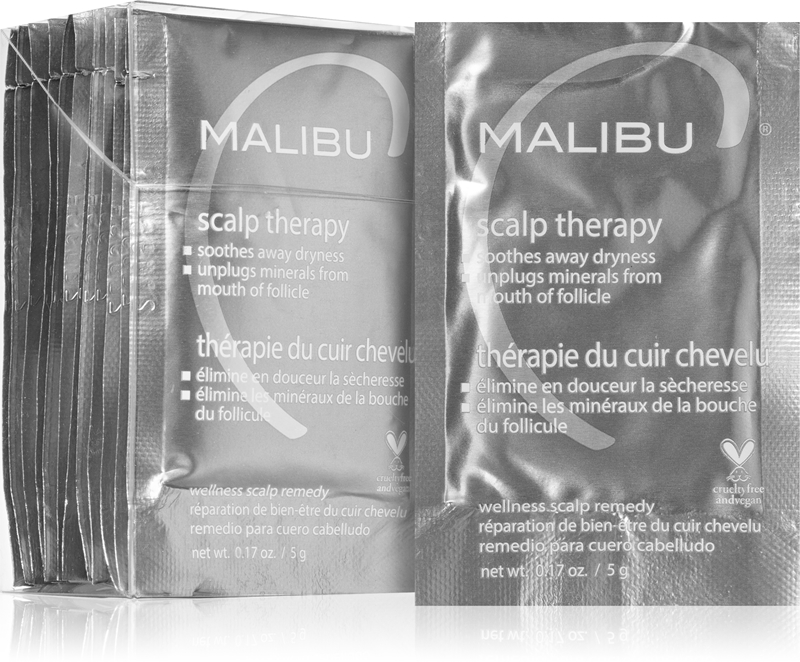
Malibu Scalp Therapy For Psoriasis

Psoriasis is often misunderstood as a superficial skin issue, but it is fundamentally an immune-mediated inflammatory condition where the body’s T-cells mistakenly attack healthy keratinocytes, accelerating their lifecycle from a normal 28-day cycle to a mere 3-to-5-day cycle. This hyperproliferation results in the thick, silvery scales and erythematous plaques you see on the surface. While systemic biologics and topical steroids are the clinical mainstays, the scalp presents a unique pharmacokinetic challenge: the dense hair follicle matrix, the high sebum production, and the physical barrier of the stratum corneum—which is often thicker here—reduce drug penetration by up to 50% compared to glabrous skin. This is where the specific biomechanics of a concentrated scalp therapy, like the Malibu Scalp Therapy system, becomes a pragmatic workaround for a stubborn anatomical bottleneck.
The science of this approach hinges on a two-phase mechanism: chelation and exfoliation. Malibu’s core formula utilizes a proprietary blend of chelating agents, primarily EDTA (ethylenediaminetetraacetic acid), to sequester hard-water minerals like calcium, magnesium, and iron that bind to the scalp’s surface. These mineral deposits act as a "glue," trapping dead skin cells and preventing active ingredients from reaching the viable epidermis. By neutralizing these metallic ions, the therapy resets the scalp’s ionic balance, allowing for a more efficient desquamation process. The second phase—often involving salicylic acid and botanical enzymes—then targets the intercellular cement (the lipid bilayers) that holds corneocytes together, breaking down the psoriatic scale from the bottom up rather than just superficially stripping it.
What makes this intervention data-driven rather than anecdotal is its focus on pH optimization. Normal scalp pH hovers between 4.5 and 5.5, but many medicated shampoos (especially those with coal tar) spike the pH to 7.0 or higher, disrupting the acid mantle and increasing transepidermal water loss (TEWL). Malibu’s system is formulated to buffer the scalp back to its acidic resting state, which is crucial because serine proteases—the enzymes that degrade corneodesmosomes for natural shedding—are pH-sensitive and work optimally in acidic environments. By maintaining this acidity, you are not just treating the existing plaque but engineering the environment to facilitate normal, controlled cell shedding, reducing the frequency of acute flare-ups.
Must Read
The Biological Cascade: Why Your Scalp Is Not Your Skin
To master scalp psoriasis, you must first abandon the assumption that scalp tissue behaves like the skin on your forearm. The scalp has the highest density of pilosebaceous units per square centimeter—roughly 300 to 400 per cm²—each acting as a potential reservoir for inflammatory cytokines. When psoriatic plaques form, they disrupt the normal follicular cycle, pushing hair follicles prematurely into the telogen (resting) phase. This is why temporary hair shedding is a common, yet distressing, comorbidity. Malibu Scalp Therapy’s inclusion of biotin and sulfur compounds is not cosmetic; sulfur is a keratolytic and has mild antifungal properties, reducing the microbial load (specifically Malassezia) that often colonizes psoriatic plaques, thereby lowering the secondary inflammatory burden.
More critically, we must examine the role of the gut-skin axis in conjunction with topical therapy. While the Malibu system works locally, its efficacy is amplified when you understand that psoriasis is a systemic Th1 and Th17-driven disease. Over 70% of patients with scalp psoriasis have subclinical intestinal dysbiosis. The chelating action of the therapy removes mineral toxins, but it does not address the systemic endotoxin load. However, pragmatically, reducing local inflammation via scalp therapy lowers circulating levels of IL-17 and TNF-alpha in the microcapillary bed, which can reduce the "psoriatic march"—the phenomenon where local plaques trigger distant inflammatory cascades. Your scalp is not isolated; it is a wired sensory organ with dense lymphatic drainage. When you break down the scale barrier, you are also reducing the physical tension on sensory nerve endings, which lowers neurogenic inflammation (substance P release) that perpetuates the itch-scratch cycle.
Another underappreciated biological reaction is the steroid-sparing effect. Many patients rely on potent topical corticosteroids (clobetasol) for scalp management, but chronic use leads to tachyphylaxis (diminished response) and skin atrophy. By using a chelating pre-treatment before a lower-potency steroid, you can enhance the steroid’s bioavailability by up to 30% without increasing its concentration. This is a precise pharmacokinetic hack: the EDTA clears the mineral-bound protein matrix that would otherwise sequester the lipophilic steroid molecules. In essence, Malibu acts as a "primer" for your other medications, allowing you to use them less frequently and at lower dosages, thereby reducing long-term side effects like folliculitis and striae.
Operational Mastery: The 4-Week Protocol for Scalp Optimization
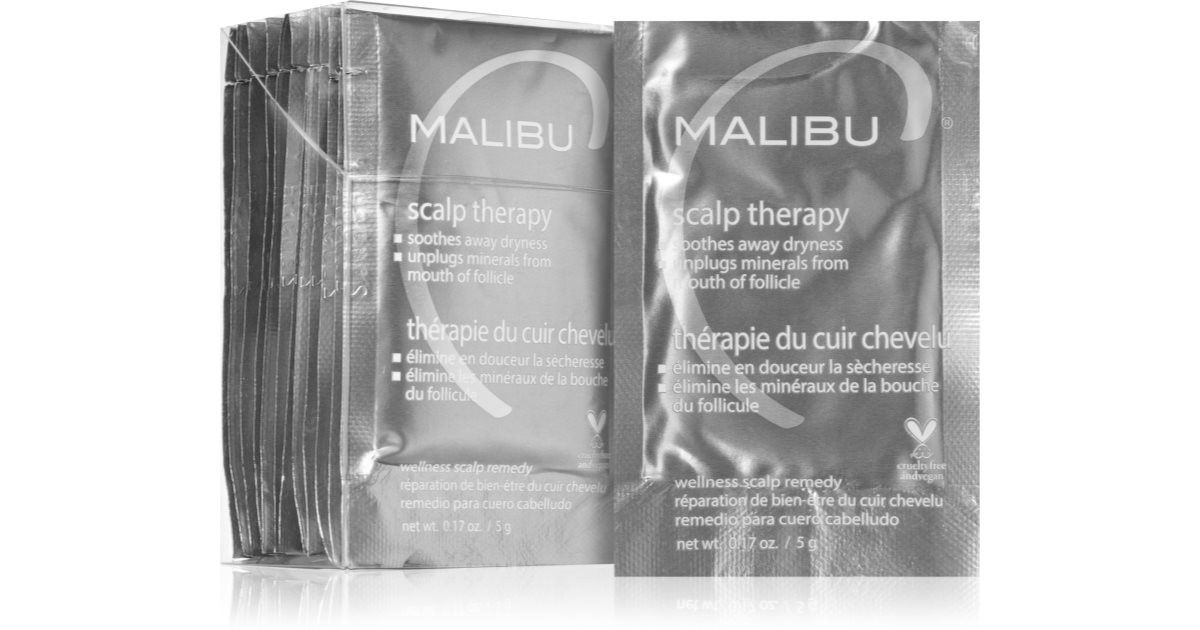
You cannot treat this condition with passive washing. You must treat it as a biomechanical engineering problem with measurable milestones. First, establish your baseline: photograph your plaques under standardized white lighting, and mark the affected area on a clear shower cap. Then, commit to a strictly regimented 4-week protocol. On Day 1, apply the Malibu Scalp Therapy Treatment (the crystallized sachet) directly to dry, unwashed hair, sectioning your hair into 1-inch quadrants to ensure even distribution. Leave it on for exactly 20 minutes—this is not a guideline; it is a kinetic requirement for the chelating reaction to complete. The effervescence you feel is the chemical reaction of EDTA pulling minerals from your skin. Rinse with tepid water (hot water increases TEWL and vasodilation, worsening erythema).
Your second hack is the double-detergent method. After the treatment, you cannot use a generic shampoo. You must use a sulfate-free, pH-balanced shampoo (ideally the Malibu shampoo or one with 2% zinc pyrithione) to remove the lipid-bound scales without stripping your acid mantle. Wash twice: the first wash agitates loose debris; the second wash—left on for 3 minutes—allows the active anti-inflammatory agents to penetrate the now-open follicular infundibulum. Do not scrub with your nails; use a soft silicone scalp brush. Mechanical friction from fingertips increases local shear stress, which activates mechanosensitive keratinocytes to release more IL-1alpha, paradoxically triggering new plaque formation.
For measurable optimization, you must address the humidity and mineral content of your water. If your shower water has a general hardness (GH) above 150 ppm, you are re-depositing calcium within hours of treatment. The pragmatic hack is to install a shower head filter with a KDF-55 media bed, which reduces heavy metals and chlorine. Even better: perform a final rinse with a 1:10 dilution of distilled white vinegar and water. This creates a mild acidic environment (pH 3.5) that immediately re-seals the cuticle and prevents mineral re-binding. Track your scale thickness weekly using a transparent ruler; a reduction of >50% by Week 3 indicates the protocol is working. If not, you likely have a microbial overgrowth (bacterial or fungal) that requires a short-course of ketoconazole foam on alternating days.
Do not neglect the timing of your treatment relative to other medications. If you use a vitamin D analog (calcipotriene) or a topical steroid, apply them exactly 30 minutes post-Malibu treatment, not after your entire shower. The chelated scalp has a temporarily lowered barrier function (which is good for penetration), but this window closes as the skin rehydrates. Between treatments, use a leave-in scalp tonic containing niacinamide (a PPAR agonist) to downregulate sebum production and reduce the overgrowth of commensal flora. Finally, track your systemic inflammation markers: if you see a reduction in scalp plaques but a worsening of joint pain, this indicates the therapy is working topically but your systemic load is still high, meaning you must address dietary triggers—specifically reducing arachidonic acid (found in red meat and dairy) which serves as a substrate for pro-inflammatory leukotrienes.
Frequently Asked Questions: Troubleshooting the Science
Why doesn't the Malibu Scalp Therapy foam or bubble like a normal shampoo?
The lack of aggressive foaming is a positive biochemical signal. Foam is produced by surfactants (like SLS) that are harsh on a compromised barrier. Malibu’s treatment relies on a pH-dependent carbonation reaction (from sodium bicarbonate and citric acid) rather than detergent action. This effervescence is crucial for the physical lift of tenacious scales. If you expect shampoo-like foam, you will misjudge the reaction. However, if you get no reaction at all, your water is likely exceptionally soft, or you have a thick layer of silicone-based styling products on your hair. A biological hack: before applying the treatment, pre-clean your hair with a conditioner only (no sulfates) to remove occlusive oils, then dry with a towel. The effervescence will be more pronounced, indicating active chelation.
Can I use this therapy while on oral biologics like Humira or Taltz?
Absolutely, and it is highly recommended, but the timing matters. Biologics work systemically by neutralizing circulating cytokines, but they do not physically remove the existing scale. Malibu’s chelating action removes the dead tissue, allowing the biologic to work on the viable keratinocytes below more efficiently. There is no systemic interaction because EDTA is not significantly absorbed percutaneously—it binds locally to divalent cations and is rinsed away. The only practical concern is skin sensitivity; biologics can increase the risk of secondary infections. Ensure you wash your brush and hands thoroughly, and if you see any signs of pustules or weeping, discontinue use and consult your dermatologist, as this indicates a bacterial superinfection, not a therapy failure.
How often should I use the treatment sachet for maintenance versus active flare-ups?
This requires a data-driven tapering protocol. For an active flare, use the treatment every 3 days (i.e., Day 1, 4, 7, 10) for two weeks. This frequency is aligned with the keratinocyte hyperproliferation rate. After you achieve a visible reduction in scale (less than 10% of the original area), transition to maintenance: once every 10 days. The optimal interval is based on the half-life of the mineral re-accumulation from your water supply. If you live in a hard water area, you may need to keep it at weekly intervals. Overuse (daily) is counterproductive because aggressive chelation removes essential zinc and copper from the skin’s metalloenzymes, impairing wound healing and leading to reactive seborrhea.
Why does my scalp itch more immediately after the first treatment?
This is a transient, but predictable, inflammatory phenomenon. The chelation process causes a rapid shift in pH and ionic strength, which triggers the transient receptor potential (TRPA1) channels on C-fibers in the dermis. This sensation, often warm or prickly, should subside within 20 minutes. However, if the itch persists for hours, you are experiencing a histamine release from activated mast cells. This often happens when the therapy is applied to skin that has been aggressively scratched. The pragmatic fix: apply a cold compress (not ice, which can cause cold-induced vasodilation) with aloe vera for 10 minutes post-rinse. Do not use hydrocortisone immediately, as it can block the post-chelation penetration of your other medications. This acute itch response is a biomarker that the therapy is penetrating the dermal-epidermal junction—it is not a contraindication.

Will this therapy help with the hair loss associated with scalp psoriasis?
Yes, but not by chemically stimulating hair growth. Hair loss in psoriasis is predominantly telogen effluvium induced by inflammation and physical extraction from scratching. By removing the thick scale, you remove the physical traction. The Malibu treatment also reduces the production of interleukin-1 beta in the follicle micro-environment, which is a potent suppressor of hair follicle stem cells. While Malibu does not contain minoxidil, its keratolytic action unclogs the pilosebaceous canal, allowing hair to exit without being trapped under a layer of skin. Expect to see a reduction in shedding within 3 weeks, but do not expect regrowth in completely fibrotic (scarred) areas. The goal is to preserve the existing follicle viability, not to create new ones. For maximal regrowth, combine this with a topical caffeine solution (which inhibits PDE4) on off-days.
Respecting the biology of scalp psoriasis is an exercise in humility. We are not fighting a skin disease; we are negotiating with a hyper-reactive immune system that has granted itself elevated privileges in a high-stress environment. The science of chelation teaches us that the environment—the water, the pH, the mineral load—dictates the outcome of the intervention. This is a profound lesson in systems thinking: you do not shout louder (stronger steroids); you simply remove the obstructive variables (mineral glue) to let your body’s own regulatory loops re-engage. This pragmatic, almost engineering-like approach, reduces our reliance on brute-force pharmacology and honors the complexity of the human integumentary system.
Mastering this protocol makes us more efficient organisms. We learn to measure, observe, and adjust in 4-week cycles rather than subjective daily judgments. We understand that immediate gratification (quick foam, instant relief) is often the enemy of long-term homeostasis. By optimizing the scalp's ionic and pH balance, we are not just treating a patch of skin; we are recalibrating a sensory and lymphatic organ that communicates directly with our nervous system. This is the ultimate life hack: respecting the chemistry of everyday life, from hard water to acid mantles, and realizing that our well-being is not a product of magic, but of meticulously applied, biological logic.