Machine Learning Stanford Online
So there I was, at a dinner party, nodding along as a friend described their neural network project. I didn’t understand a single word, but I smiled and said, “That’s so cool!”—classic imposter syndrome move. Then someone asked me, “So, what do you know about machine learning?” I froze, mentally reviewing every sci-fi movie I’d ever seen.
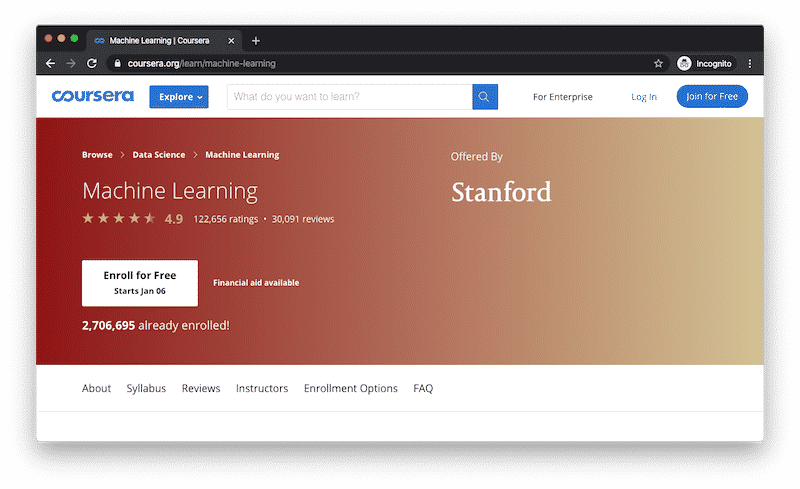
That’s when I decided to stop pretending and actually learn something. And let me tell you, the rabbit hole leads straight to Machine Learning Stanford Online. It’s the course everyone whispers about, the one that’s basically the Mount Everest of beginner ML. But spoiler alert: you don’t need a sherpa to survive it.
Why Everyone and Their Dog Talks About It
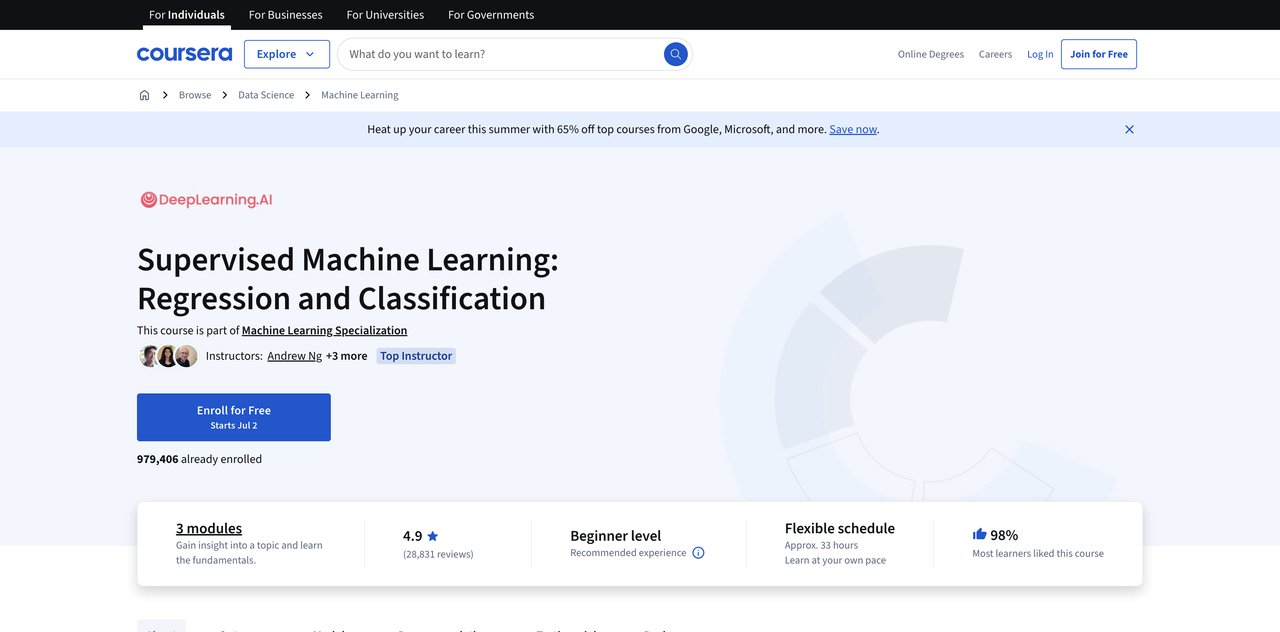
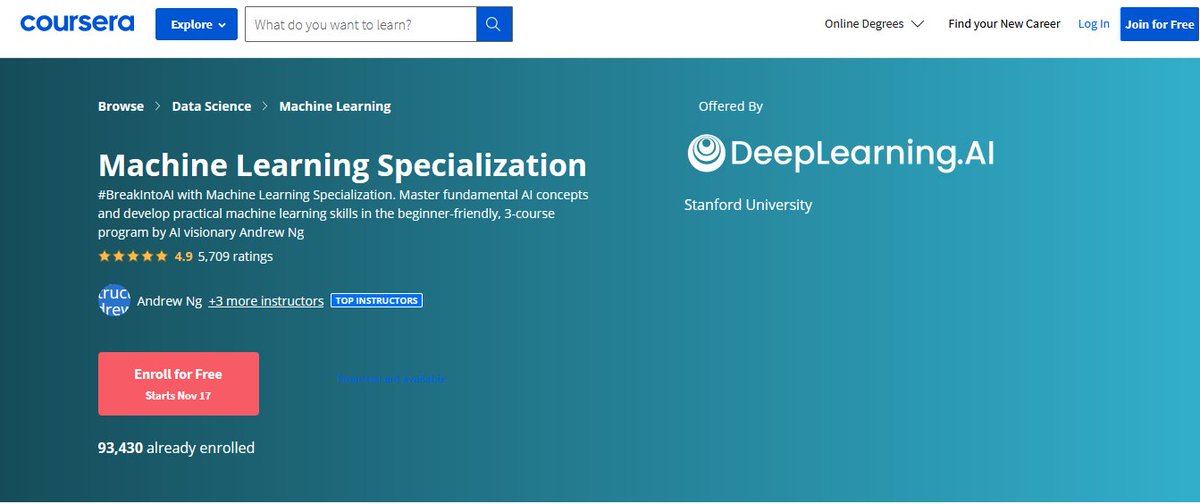
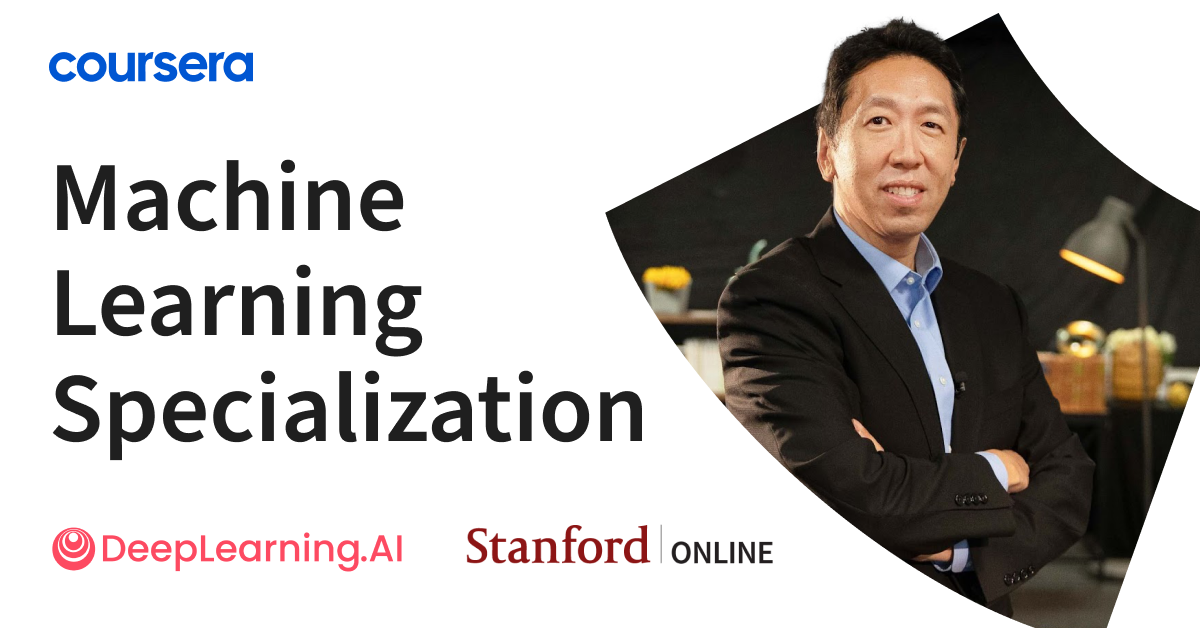
You’ve heard the name—Andrew Ng, the guy with the warm smile and the whiteboard. He’s like the Bob Ross of algorithms, but instead of happy little trees, he paints linear regressions. The course, CS229, is the original beast, now available online through Stanford’s platform.
Must Read
It’s not just a course; it’s a rite of passage. Every data scientist I’ve met has either taken it, is taking it, or pretends they did. And for good reason—it’s free to audit, which means your wallet can breathe a sigh of relief.
But here’s the kicker: it’s hard. Not “hard” like a fun puzzle, but “hard” like a math problem that insults your intelligence and then laughs. You’ll need some linear algebra and probability under your belt, or you’ll be googling vectors at 2 AM. (I’m not judging; I did that last night.)

What You’ll Actually Learn (and What It Feels Like)
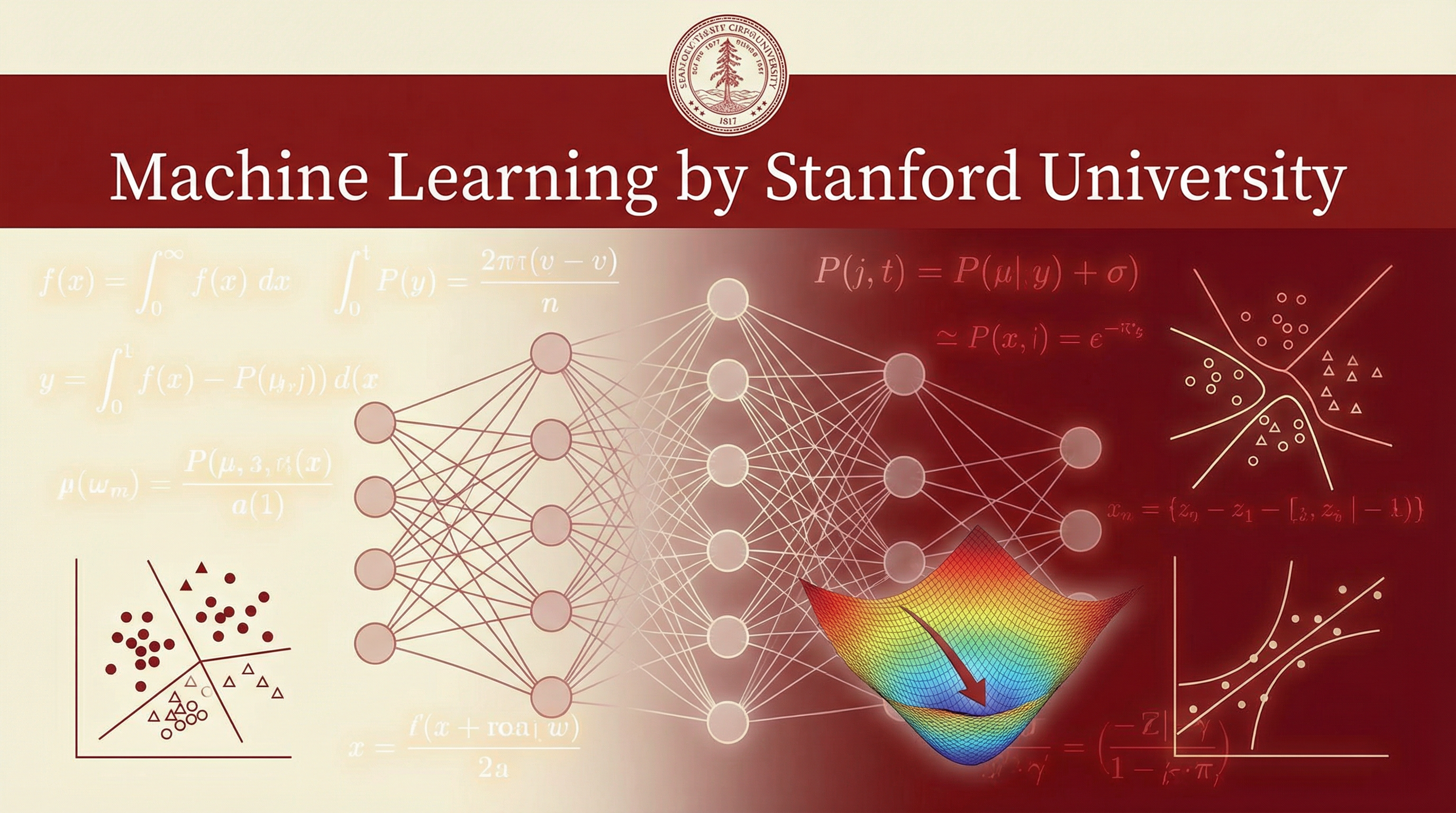
The course covers everything from supervised learning (think: teaching a computer with labeled data) to unsupervised learning (think: letting it find patterns on its own, like a teenager cleaning their room—eventually). You’ll dive into neural networks, support vector machines, and clustering—all with Ng’s signature clarity.
Honestly, the first lesson is pure magic. You write a few lines of code, and suddenly your computer can predict house prices. It feels like witchcraft, until you realize it’s just math wearing a trench coat. My own “aha” moment came when I trained a model to distinguish cats from dogs. My dog was confused, but I felt like a genius.
The best part? The quizzes and assignments are practical, not just theory. You’ll implement algorithms from scratch, which is painful but rewarding, like doing push-ups for your brain. And if you get stuck, the discussion forums are a goldmine—half desperate pleas, half brilliant fixes, 100% entertaining.
The Reality Check (No Hype, Just Truth)
Here’s the thing nobody tells you: the quizzes are brutal if you rush. I once spent three hours on a single multiple-choice question about gradient descent. Three. Hours. I questioned my career, my existence, and why I thought I could do this. But then I reread the notes, and guess what? It clicked.
Also, the pace is fast. Each week feels like a semester compressed into a weekend. You’ll binge-watch lectures at 1.5x speed while eating cereal, and that’s okay. You’re not behind; you’re just steeped in efficiency.
But hey, you can pause, rewind, and replay—something real classrooms never allow. And the certificate? You can pay for it if you want the shiny PDF, but the knowledge is the real prize. Plus, you can say you took a Stanford class without, you know, actually moving to California.

Who Should Even Try This?
If you’re a complete beginner with zero coding experience, be warned: this might feel like being thrown into a pool to learn swimming. You might sink before you float. That said, I had some Python basics, and that was enough. So, if you know what a for loop is, you’re already ahead of where I started.
If you’re a professional looking to upskill, this is your golden ticket. Recruiters recognize that name—it’s like putting a tiny Stanford logo on your digital forehead. And if you’re just curious? Go for it. The first few lectures are so engaging that you’ll forget you’re learning.
The course is self-paced, which is both a blessing and a curse. I planned to finish in three months; I’m on month six. Procrastination is real, folks, but the flexibility means you can fit it around a job. Or around binge-watching your favorite show. No judgment here.

Final Thoughts (From Someone Who Survived)
If I could go back to that dinner party, I’d still smile, but now I’d add: “Actually, I’m taking this course, and I can explain overfitting to you.” Then I’d watch their eyes glaze over—but that’s on them, not the material.
Machine Learning Stanford Online is worth the sweat. It challenges you, frustrates you, and then gives you a quiet sense of power when your code finally works. It’s like learning to ride a bike, except the bike is a supercomputer, and the road is the future.
So, if you’re even slightly tempted, just sign up. Audit it for free, watch the first video, and see if it sparks that spark. You’ve got nothing to lose except your ignorance, and honestly, that’s a fair trade. Worst case? You’ll learn enough to fake it better at your next dinner party. Best case? You’ll build something that changes your career. Either way, you’re winning.