Loyola University Computer Science
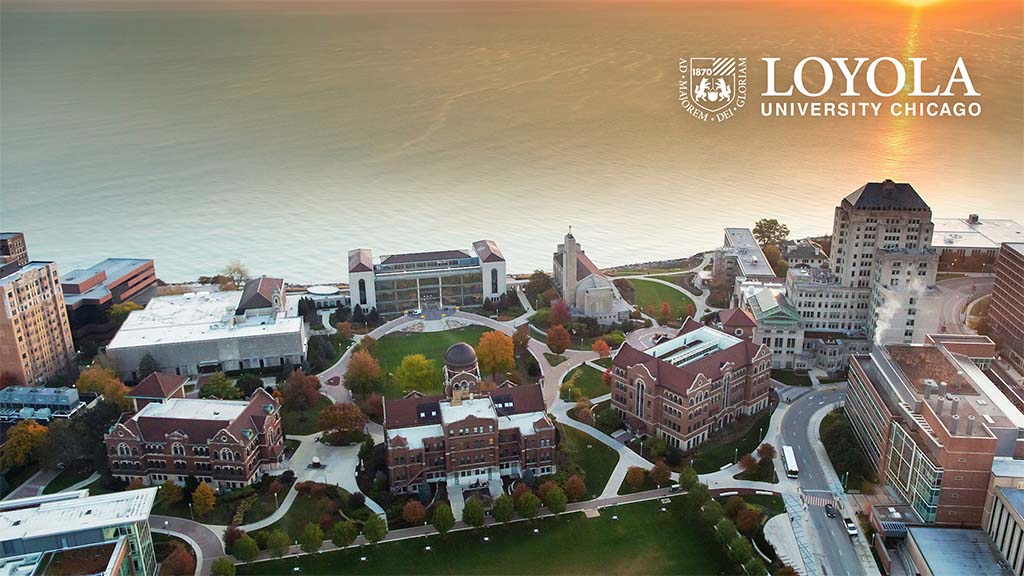
Okay, so picture this: it’s 2:47 AM, and I’m staring at a terminal window that has decided to speak only in angry red text. My code—a deceptively simple “hangman” game—has just crashed for the fourteenth time, and I’m pretty sure the ghost of Ada Lovelace is laughing at me from beyond the grave. Then, out of nowhere, a guy two seats down in the Loyola University Chicago computer lab leans over and says, “Hey, you’re missing a semicolon on line 42, but also, your logic for the guessing loop is… ambitious.”
That moment—half despair, half random kindness—is so Loyola CS. It’s not just about learning to code; it’s about learning to debug your life alongside your algorithms, usually with a very mediocre cup of campus coffee in hand. And honestly? That’s exactly the vibe I want to talk about today.
So, you’re thinking about computer science, and you’re probably picturing MIT or Stanford, right? Let me stop you right there. Loyola isn’t trying to be that. Instead, it’s this weird, wonderful mix of rigorous theory and a Jesuit emphasis on “people for others,” which in practical terms means you’ll learn to build an app that tracks your cat’s sleep patterns—and then a separate project that uses machine learning to help local nonprofits sort donation data. You’re not just a code monkey here; you’re a code monkey with a conscience, which is simultaneously exhausting and inspiring.
Must Read
Let’s talk about the classes, because that’s the meat, right? The intro sequence is no joke—you’ll start with Java, not Python, which feels like learning to drive a manual transmission before they hand you the keys to an automatic. There will be tears. There will be all-nighters in the Damen Student Center, where the vending machine has become a reluctant therapist. But here’s the kicker: the professors actually know your name, and they’ll stay after class to argue about why your recursive function is O(n²) when you swear it’s O(n log n).
That’s the secret sauce, honestly. The faculty aren’t just researchers who disappear into a lab; they’re genuinely invested in whether you get it. I had a professor who once spent 20 minutes explaining a bug by acting out the stack overflow as a physical dance, complete with jazz hands. You can’t unsee that, but you also can’t forget the concept. That quirky, human touch is what separates this place from a purely technical bootcamp.
Now, let’s get real about the “Chicago” part, because it’s a character in your education. Being in the city means your internships are not hypothetical. You’ve got Google offices downtown, a massive fintech scene, and tech teams at hospitals and trading firms that are desperate for interns who can show up on time and actually talk to people. The CS department will push you toward these opportunities, but the city does the heavy lifting for you.
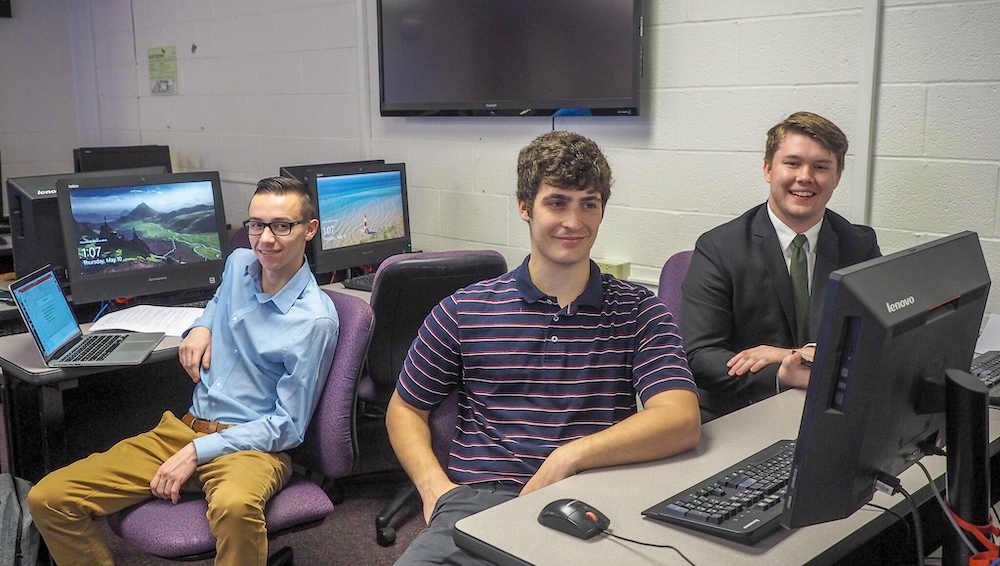
And the campus itself? It’s on the lake, people. I’m not being hyperbolic—you can step out of a brutal algorithms exam, walk two minutes, and stare at Lake Michigan. That juxtaposition is… deeply bizarre. You’re wrestling with graph theory while a sailboat drifts by. It’s a great reminder that the world outside your terminal exists, even if it’s just for a brief, freezing walk to unwind.
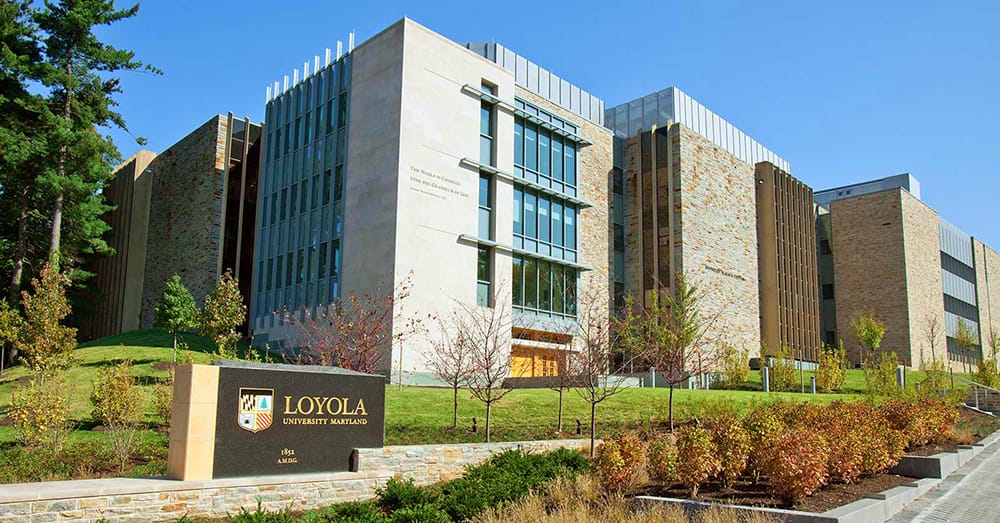
But let’s sprinkle in some irony, shall we? For a school that emphasizes social justice, the CS building itself is a bit of a maze—a 1970s brutalist brick maze that seems to have been designed by a committee of people who hated natural light. You’ll get lost on the third floor at least ten times before you realize the elevator is a secret portal. It’s a rite of passage. (Pro tip: just take the stairs; the stairs are your friends.)
What about the students? They’re a specific breed. Half of them are pre-med refugees who realized their calling was bioinformatics, and the other half are math nerds who enjoy pain. There’s no toxic “brogrammer” culture here, mostly because the classes are small enough that you actually have to work in groups. You’ll form a study group by week two, and by graduation, they’ll feel like a weird extended family. You’ll argue about the ethics of AI over pizza, and someone will inevitably bring up the trolley problem. Every time.

One thing that surprised me? The security and data science tracks are surprisingly strong. You’d think a liberal arts school might skimp on the hardcore stuff, but they’ve got a dedicated cybersecurity lab that does red-team/blue-team exercises that feel like a real-life version of Hackers (the bad 90s movie, but in a good way). You get to be the villain and the hero in the same semester, which is fantastic for your ego.
Is it perfect? God, no. The advising office can be unresponsive during registration week, and you’ll occasionally feel like the course catalog was written in an alien language. Also, if you’re looking for a pure “top 10 in the nation” ranking for algorithmic research, you might be disappointed. But if you’re looking for a CS education that doesn’t turn you into a robot, that forces you to consider the ethical dimensions of the code you write, and that gives you a support network that feels like actual mentors—this is your place.
So, that night in the lab with the missing semicolon? I fixed it. Then that guy and I spent an hour talking about how to optimize the hangman’s word list, and we’ve been friends ever since. Loyola’s CS program isn’t about churning out a thousand identical engineers; it’s about producing thoughtful, weird, resilient problem-solvers who happen to be pretty good at Java. And in a world that’s increasingly obsessed with AI and automation, maybe having a soul is the most practical skill of all. Just make sure to save your work before you take a break to stare at the lake. It’s a trap.